
Pipe Tobacco Brands
Pipe tobacco is made of long narrow strips. It has higher moisture levels than cigarette tobacco and features a coarser cut. The tobacco used in pipes is blended and treated with care for a flavorful experience. Some blends can include sweeteners and a variety of flavors known for their aromatic qualities. Browse our selection of premium pipe tobaccos from well-known brands including Arrowhead, Captain Black, Cherokee, Good Stuff, Kentucky Select, OHM, and Peter Stokkebye, and more. Choose from flavored and non-flavored options with strengths of mellow, medium, and full. Shop now.
-
 4 Aces Pipe Tobacco
-
 American Club
-
 Amphora Pipe Tobacco
-
 Arrowhead
-
 Ashton Tobacco
-
 Backwoods Pipe Tobacco
-
 Borkum Riff Pipe Tobacco
-
 Briarworks Pipe Tobacco
-
 Buoy
Buoy
-
 CAO Tobacco
-
 Captain Black
-
 Captain Earle's Pipe Tobacco
-
 Carter Hall Pipe Tobacco
-
 Cherokee Pipe Tobacco
-
 Cheyenne Pipe Tobacco
-
 Cobblestone
-
 Cornell & Diehl
-
 Criss Cross
-
 Crumble Kake
-
 Dark Horse
-
 Davidoff Pipe Tobacco
-
 Erinmore
-
 Farmer's Gold
-
 Five Brothers Pipe Tobacco
-
 Gawith Hoggarth & Co. Pipe Tobacco
-
 G.L. Pease
-
 Gambler
-
 Golden Harvest
-
 Golden Harvest Select
-
 Good Stuff
-
 Granger
-
 Half & Half
-
 High Card
-
 Hot Rod Pipe Tobacco
-
 Kentuckys Best Pipe Tobacco
-
 Kentucky Select Pipe Tobacco
-
 Kopp Tobacco
-
 Lane Limited
-
 Largo
Largo
-
 Mac Baren
-
 Mixture No. 79
-
 OHM Pipe Tobacco
-
 Orlik Pipe Tobacco
-
 Paladin
-
 Peterson Pipe Tobacco
-
 Peter Stokkebye
-
 Prince Albert Tobacco
-
 Privateer
-
 Red River
-
 Sail Pipe Tobacco
-
 Samuel Gawith
-
 Seattle Pipe Club
-
 Sir Walter Raleigh
-
 Smokin' G Pipe Tobacco
-
 Smoker's Pride
-
 Southern Steel
-
 Super Value
-
 Sutliff Pipe Tobacco
-
 Velvet























Best Selling Value Pipe Tobacco
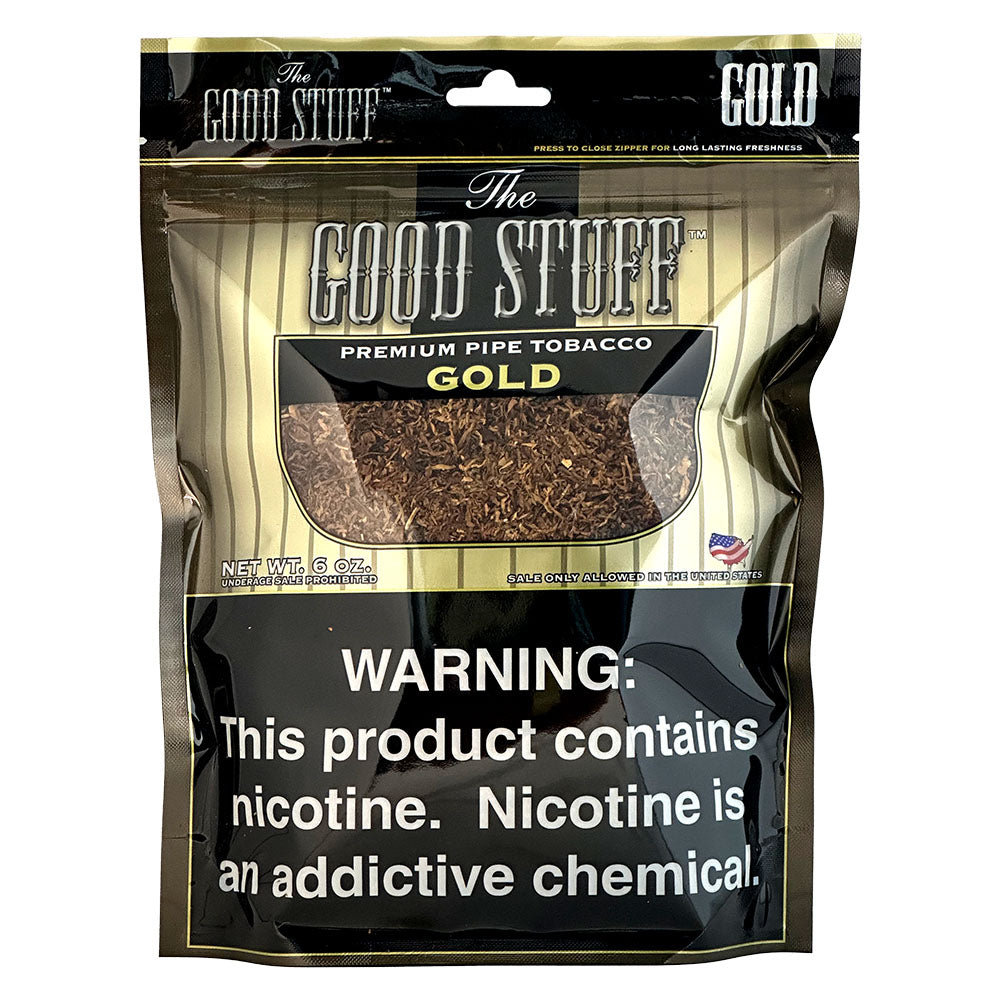
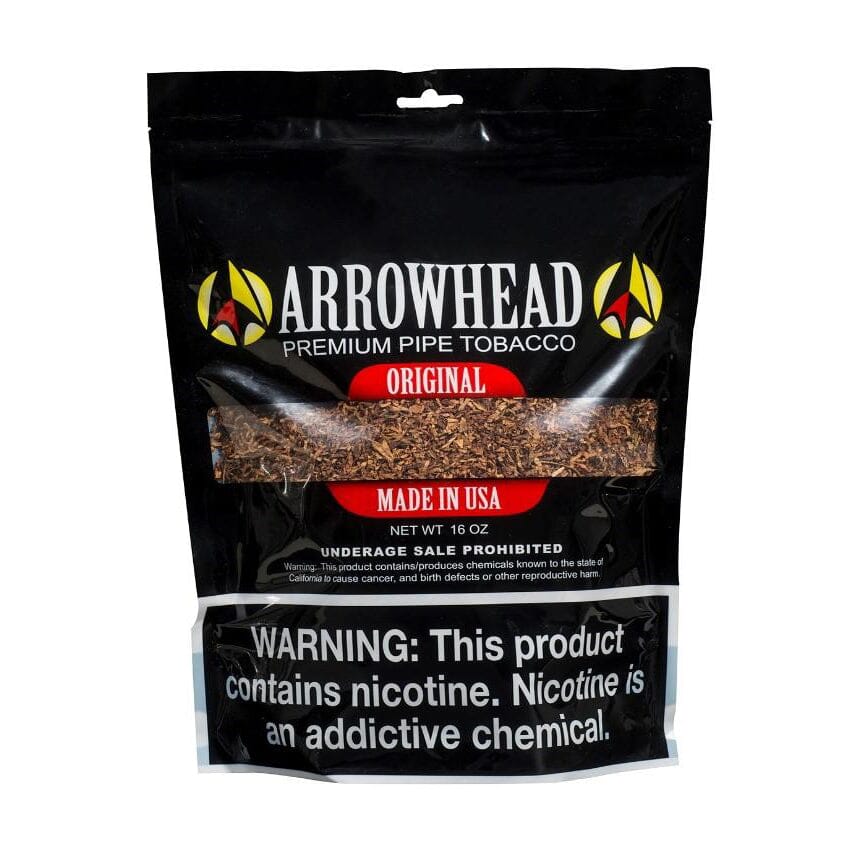
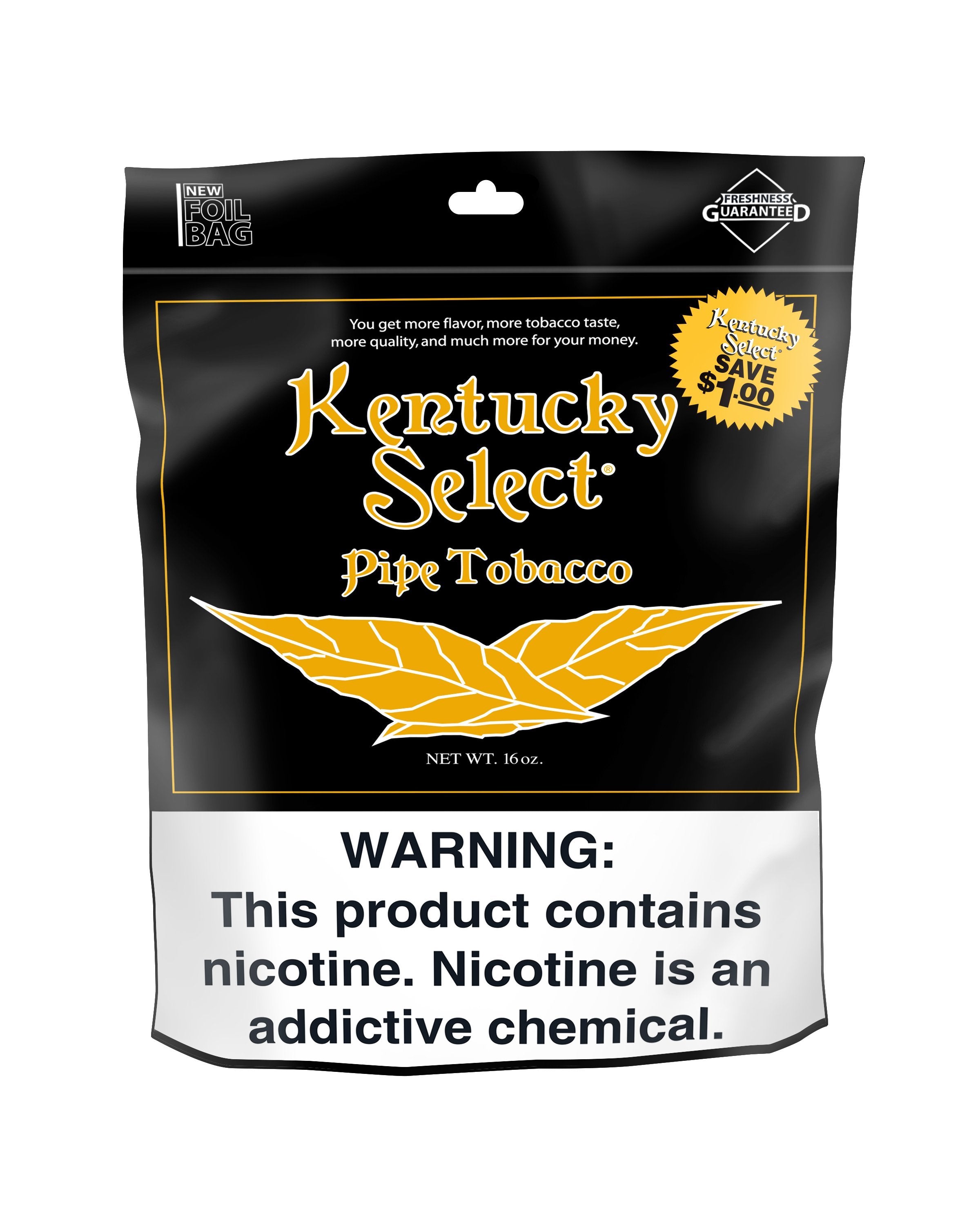
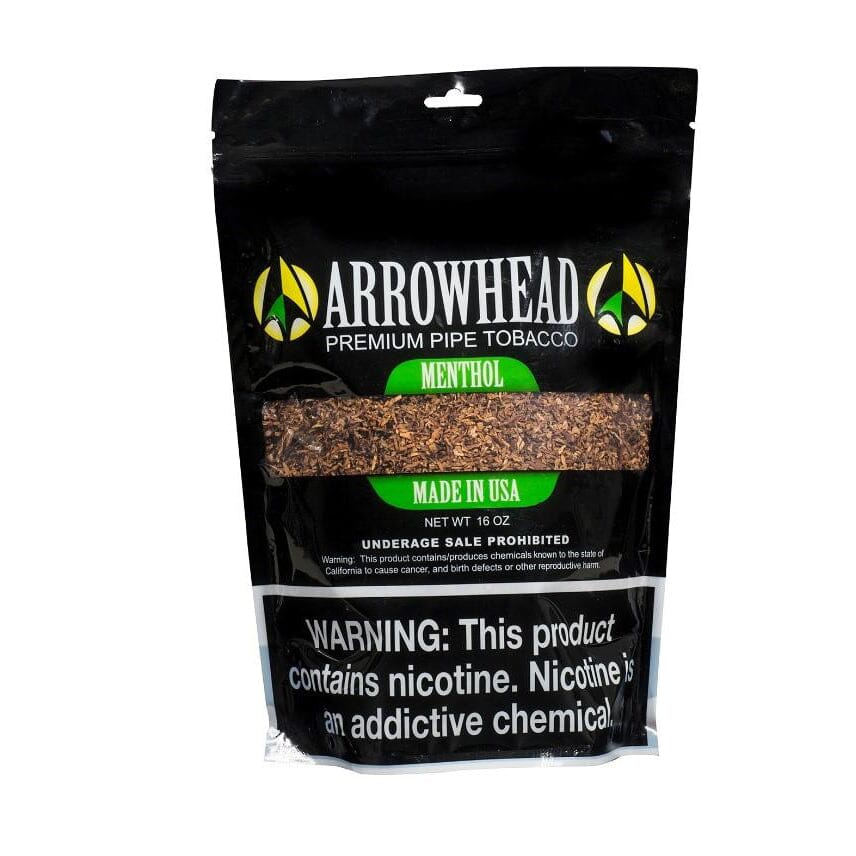
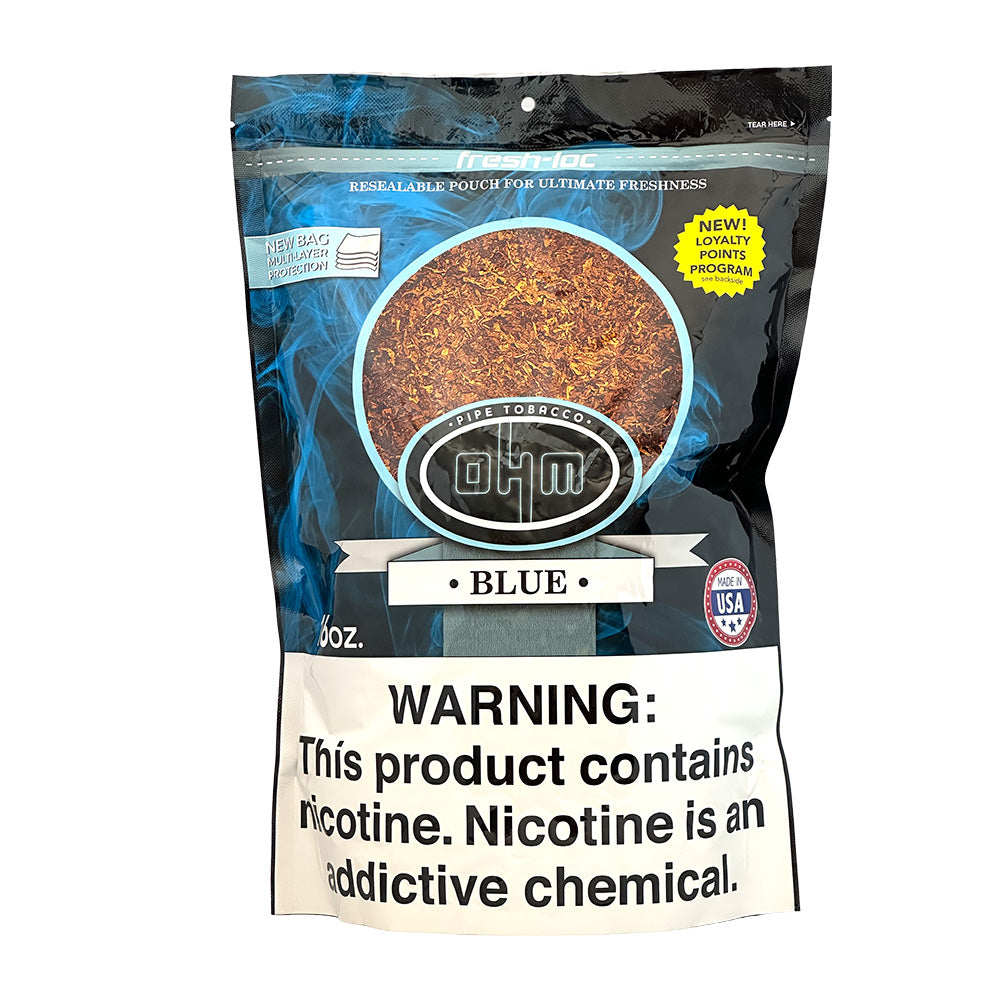
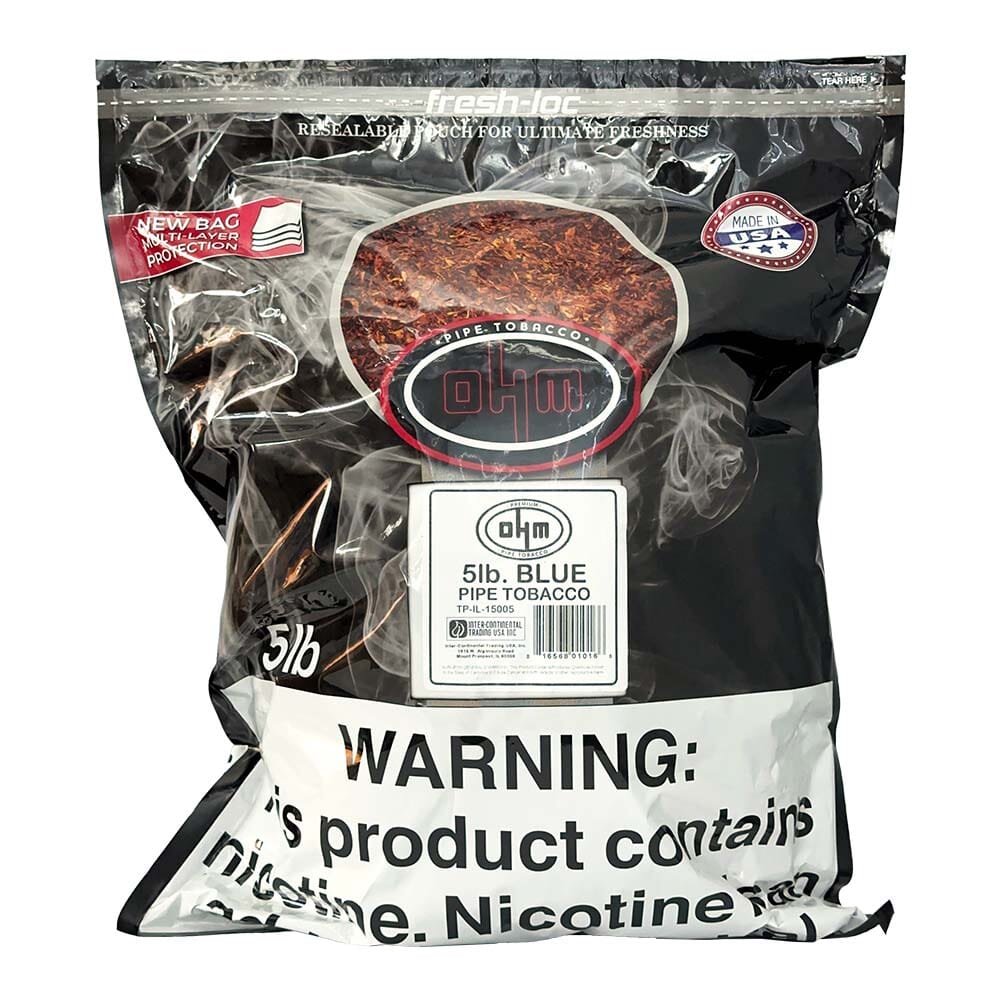
Best Selling Premium Pipe Tobacco


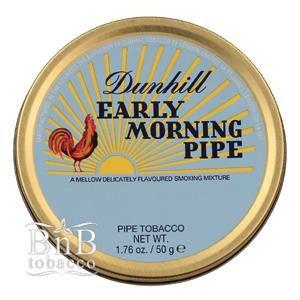


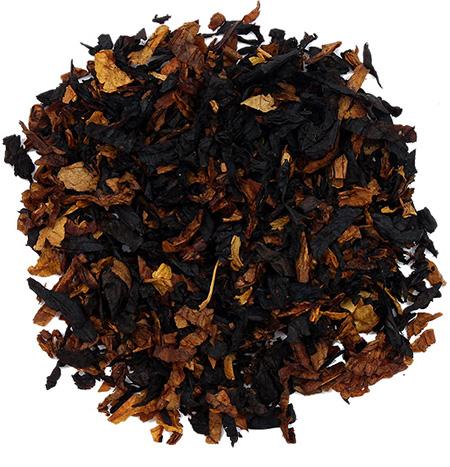
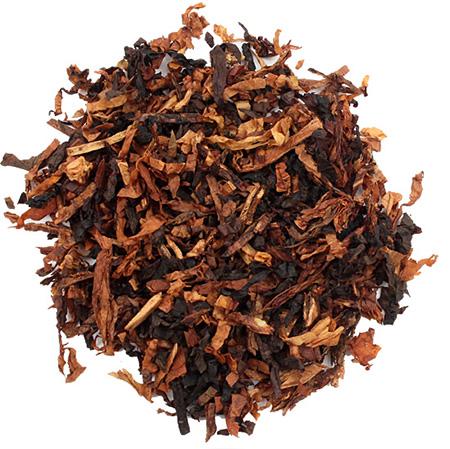
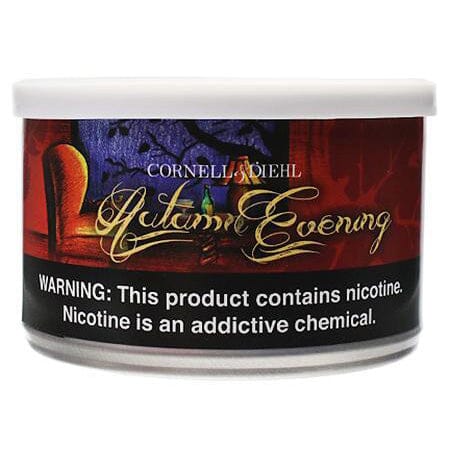


When we think of pipe smoking, many of us no doubt imagine old Hollywood stars, homey advertisements from the 50s and 60s, or perhaps even memories of grandparents and loved ones long gone. It's easy to think that pipe smoking is mistakenly a thing of the past. However, the tradition of pipe smoking is still very much alive.
In fact, since 2014, more and more smokers and collectors have turned to the pipe-smoking hobby to bring the pursuit back into fashion. And we are more than proud and happy to be able to provide you with new and expert pipe smokers alike the most extensive, most well-stocked variety of pipe tobacco found online today.
Much like fine wines, Tobacco blends use different types of leaves to produce different flavors, burn rates, and mouthfeel. Made of long, narrow strips, pipe tobacco has higher moisture levels than cigarette tobacco for a denser, smoother smoke. Whether you are searching for premium tobacco for a high palate or a beginner looking to try affordable yet flavorful pipe tobacco, you'll find the perfect blend for you to enjoy. We have the most celebrated tobacco brands on the market and several fantastic but budget-friendly options.
Some of our exclusive blends may feature sweeteners and a favorite of special blends to provide a unique flavor experience. For instance, we have Captain Black, one of the world's most iconic blends, and Cornell & Diehl, one of the most sought-after flavored pipe tobacco in the industry today. We even have a few collections of unique CBD pipe blends, such as Beleave CBD—providing a unique alternative to tobacco use.
For ease of browsing through our pipe tobacco online, you will find that we have conveniently placed all the brands of pipe tobacco we carry in one accessible place. Should you be searching for the best selling, best value pipe tobacco, simply scroll down to view the category and shop all of them or find our top customer favorites by looking through our best selling premium pipe tobacco section. Here, you'll find well-loved brands such as 4 Aces, Captain Black, Cherokee, Kentucky Select, Lane, Peter Stokkebye, and many more. There's also the option to browse both flavored and non-flavored tobacco with various strengths: mellow, medium, and full.
Before you order from our fine selection of pipe tobacco online, why not consider signing up for our loyalty program? Please register today and enjoy complimentary 100 points for signing up, then earn reward points for every single purchase to go toward redeemable deals and discounts exclusively with us.
Would you love to know more about our pipe tobacco or have any questions for us? Please feel free to reach out to our excellent customer service representatives. We'd love to assist you!
Frequently Asked Questions
What is the best pipe tobacco?
There are countless varieties of pipe tobacco on the market today. Choosing the best can be difficult on your own, so BnB Tobacco puts forth the effort to gather the best pipe tobacco brands for our customers, making it easy and convenient to get the best. High-quality pipe tobacco is often an aromatic blend of exotic aromas and flavors, ranging from sweet and savory such as caramel, cherry, vanilla, nougat, rum, whiskey, maple, or even chocolate. If you are a beginner to pipe tobacco, our experts advise starting with Ribbon cut pipe tobacco instead of Shag or Coarse due to the loose, fine cut. The fine cut of Ribbon pipe tobacco makes it easier for beginners to pack and enjoy their pipe.
What is the most popular pipe tobacco?
Thanks to our main page category showcasing our best sellers, you will find the most popular pipe tobacco easy to shop for. Just a few examples of the most popular pipe tobacco we have to offer are:
Peter Stokkebye Danish Export
Lane Very Cherry Pipe Tobacco
Davidoff Flake Medallions
Amphora Black Cavendish
Of course, many more top-rated brands make up our most popular sellers, and we encourage you to browse.
Is pipe tobacco the same as cigarette tobacco?
One critical difference between cigarette and pipe tobacco is how the leaves are processed and cut. Pipe tobacco is more coarsely cut to ensure that the tobacco won't pass as easily through the mouthpiece of your pipe when you inhale. Cigarette tobacco is more finely cut, as pipe tobacco will not burn as smoothly or quickly, and more cigarettes come with a filter to keep the much smaller pieces of tobacco from being inhaled. Commercially available cigarettes and their tobacco also come with many different additives and chemicals, while pipe tobacco does not undergo the same complex chemical process. Pipe tobacco that is flavored is done so through a process called casing. This casing is done commonly through spray casing—where tobacco is run through a cylinder and casing is sprayed onto the leaves.