
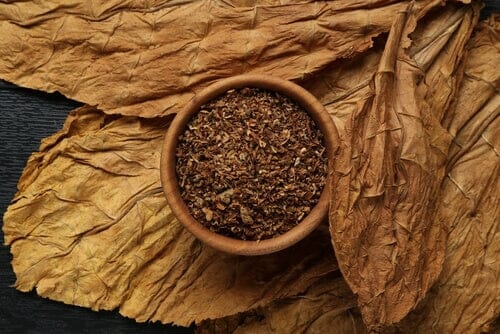
The aromatic legacy of the American South is woven deeply into the very soil that spans from the rolling hills of the Piedmont to the sprawling coastal plains of the Atlantic. Stepping into a specialized humidor or opening a fresh tin of ribbon-cut tobacco leaf reveals a narrative of craftsmanship that has been refined over centuries of agricultural trial and error. You can almost feel the humidity of a Kentucky summer or the salt-tinged breeze of a Carolina morning just by catching a stray note of the unburnt crop. This specific heritage represents more than just a commodity; it is a complex study in botany, climate, and the transformative power of heat and air. While many people recognize the distinct visual differences between various leaves, the true magic lies in the subtle chemical shifts that occur during the curing process. Whether a leaf turns a bright lemon yellow or a deep, charred mahogany depends entirely on the traditions of the region where it was harvested. Exploring these three legendary tobacco-producing areas offers a glimpse into a world where patience is the most valued ingredient. By looking closer at the specific characteristics of these regional powerhouses, we can begin to appreciate the nuance found within every single puff.
What You Need to Know First About Cigar and Pipe Tobacco
Before covering he regional specifics of the American South, it is vital to grasp the foundational distinctions between the two most prominent ways people enjoy high-quality leaf. While both cigar and pipe enthusiasts share a love for the plant, the way the leaf is handled from seed to shelf varies significantly between these two disciplines. Cigars are often celebrated for their structural integrity and the harmony between the filler, binder, and wrapper, creating a self-contained experience. Pipe tobacco, conversely, focuses on the art of the blend, where various cuts and curing styles are mixed to create a specific olfactory profile. Each method requires a unique level of moisture management and preparation to reveal the true character of the harvest. By learning the basics of how these two formats function, you can better appreciate why a certain Kentucky leaf might excel in a pipe while a Virginia leaf shines as a wrapper.
Cigar Tobacco 101
The construction of a premium cigar is an architectural feat that relies on the precise layering of whole leaves to create a consistent burn and an evolving profile. At the heart of this process is the selection of the filler, which provides the bulk of the body and determines the primary characteristics of the smoke. Surrounding the filler is the binder, a sturdy leaf chosen for its elasticity and ability to hold the internal components in a tight, uniform shape. The final layer is the wrapper, the most aesthetically pristine leaf that offers not only visual appeal but also a significant portion of the aromatic influence. Each of these components undergoes a rigorous fermentation process where the leaves are stacked in large piles called “pylones”. This natural heat-generating process removes impurities and mellows the harshness of the raw vegetation, resulting in a smooth and refined finished product. Skilled torcedores, or cigar rollers, must balance these layers perfectly to ensure the draw is neither too tight nor too loose. A well-made cigar is a testament to the fact that the quality of the raw material is only half the battle; the skill of the craftsman is what truly brings the leaf to life.
Beyond the physical structure, the aging process plays a massive role in how cigar tobacco develops its signature characteristics over time. Once the fermentation is complete, the leaves are often stored for months or even years in climate-controlled environments to allow the oils to settle and the tannins to soften. This patience results in a profile that can range from earthy and woody to creamy and spicy, depending on the seed variety and the soil it called home. The interaction between the different types of leaves within a single cigar creates a dynamic experience that changes as the cherry moves down the body. For instance, a ligero leaf, which grows at the very top of the plant and receives the most sunlight, provides strength and intensity. In contrast, seco and volado leaves from the middle and lower sections offer better burn qualities and more delicate aromatic notes. This synergy is why cigar enthusiasts often speak of a "complex" profile, as the various layers interact in unpredictable and delightful ways. Without this careful orchestration of aging and blending, the tobacco would remain a simple agricultural product rather than a luxury item.
The environment in which cigar tobacco is grown is perhaps the most influential factor in its final personality, often referred to as the terroir. Elements such as the mineral content of the soil, the frequency of rainfall, and the average daily temperature all leave a permanent mark on the leaf. For example, volcanic soil might impart a distinct mineral snap, while sandy soil often results in a thinner, more delicate leaf. Farmers must be vigilant, monitoring the PH levels of the earth and the presence of pests that could mar the pristine surface of a potential wrapper leaf. Harvesting is typically done by hand, with workers picking individual leaves at the peak of their maturity to ensure maximum oil content. This labor-intensive approach is necessary because even a single under-ripe or over-ripe leaf can disrupt the balance of an entire batch. Once harvested, the leaves are moved to curing barns where humidity and airflow are meticulously managed to begin the transformation from green to gold or brown. This stage is critical, as it sets the stage for the fermentation that will eventually define the cigar's character.
When discussing cigar tobacco, one must also consider the various seed varieties that have been adapted to different climates over the decades. Some seeds are prized for their resilience and thick veins, making them perfect for binders, while others are cherished for their silky texture and lack of visible veins, marking them as wrapper candidates. The hybridization of these seeds has led to a vast array of options for blenders, allowing them to dial in very specific traits. A seed originally from one region might take on entirely new characteristics when planted in a different state, demonstrating the plant's incredible adaptability. This evolution is constant, as growers experiment with new techniques to enhance the natural sugars and oils within the leaf. The goal is always to create a leaf that burns cool and produces a dense, aromatic cloud of smoke that lingers pleasantly. For the enthusiast, recognizing these subtle variations in seed and soil is part of the long-term fascination with the hobby. It transforms the act of smoking into an intellectual pursuit of identifying the origins and treatments of the tobacco.
The ritual of preparing and enjoying a cigar is just as important as the cultivation of the tobacco itself. A proper cut and a patient light are necessary to respect the work that went into growing and rolling the leaves. Because cigar tobacco is not inhaled, the focus is entirely on the palate and the retrohale, where the most delicate nuances are discovered. The way the smoke coats the tongue and the lingering aftertaste are the true measures of a tobacco's quality. High-quality cigar leaf should never feel acrid or bitter; instead, it should offer a clean and evolving set of notes that tell a story from beginning to end. As the cigar burns, the oils from the unburnt portion are drawn forward, intensifying the experience as you progress toward the nub. This natural concentration of flavor is unique to the cigar format and is a major reason why many people prefer it for long, reflective sessions. Every puff is a culmination of years of agricultural history and months of artisan labor.
Finally, the storage of cigar tobacco requires a level of care that borders on the obsessive to maintain its integrity. Without proper humidity, the delicate oils that carry the aroma will evaporate, leaving the leaf dry, brittle, and flavorless. Conversely, too much moisture can lead to mold or a poor burn that ruins the structural balance of the cigar. Most enthusiasts use humidors lined with Spanish cedar, a wood that not only helps regulate moisture but also imparts a subtle, complementary aroma to the tobacco. This ongoing relationship between the leaf and its environment continues right up until the moment the cigar is lit. The ability of the tobacco to "breathe" and age within these controlled conditions allows it to reach its full potential. This dedication to preservation ensures that the hard work of the farmers and rollers is not lost to the elements. For those who appreciate the finer things, the care of the tobacco is an extension of the enjoyment it provides.
Pipe Tobacco 101
Pipe tobacco offers a completely different landscape for the enthusiast, focusing on the intricate blending of various leaf types and cuts to achieve a specific aromatic goal. Unlike cigars, which rely on whole leaves, pipe tobacco is often sliced, pressed, or rubbed out into various forms such as ribbons, flakes, or plugs. This physical preparation changes the surface area of the tobacco, which in turn affects the rate at which it burns and the temperature of the smoke. A ribbon-cut blend might light easily and provide an immediate burst of aroma, while a dense flake requires more patience to pack and light but offers a slower, cooler experience. The blender’s task is to harmonize these different components, using "base" tobaccos for body and "condimental" tobaccos for specific highlights. This process is akin to a chef creating a complex sauce, where the balance of sweetness, spice, and earthiness must be perfect. The versatility of the pipe allows for a much wider range of ingredients to be used in a single sitting. Consequently, pipe smoking is often viewed as a more customizable and varied way to experience the tobacco plant.
One of the most fascinating aspects of pipe tobacco is the sheer variety of curing methods utilized to create distinct profiles. While some leaves are simply air-cured in barns, others are subjected to intense smoke from hardwoods or pressed into blocks to undergo anaerobic fermentation. For example, Perique is a rare variety from Louisiana that is fermented under pressure in oak barrels, resulting in a spicy, dark, and pungent leaf that is used sparingly in blends. Similarly, Latakia is a leaf that has been fire-cured over controlled bonfires of aromatic woods, giving it a distinct campfire-like aroma. These specialized treatments allow pipe tobacco blenders to reach a spectrum of scents and tastes that are rarely found in the cigar world. The interaction between these treated leaves and the more natural base tobaccos like Virginia or Burley creates a multi-dimensional profile. Every bowl can be a new discovery, as the ratio of these components can be adjusted to suit the individual’s preference. This depth of variety is what keeps pipe smokers engaged for a lifetime, as there is always a new blend or a new technique to explore.
The role of "casing" and "topping" is another unique feature of pipe tobacco that distinguishes it from the purist approach of cigar making. Casing involves applying a liquid mixture, often containing natural sugars, licorice, or fruit extracts, to the raw leaf before it is processed. This step helps to balance the natural acidity of the tobacco and ensures a consistent moisture level throughout the blending process. Topping, on the other hand, is the application of an aromatic scent to the finished blend just before packaging to provide a specific "room note." While some purists prefer "natural" blends that rely solely on the leaf’s inherent qualities, many enjoy the added complexity that a light casing can provide. It is a delicate balance, as too much additive can mask the quality of the underlying tobacco, while just the right amount can elevate it. The art of casing is a closely guarded secret among many of the world’s oldest blending houses. It represents a marriage between the raw agricultural product and the culinary-like creativity of the blender.
Packing a pipe is a skill that directly influences the quality of the tobacco’s performance and the smoker's enjoyment. If the tobacco is packed too tightly, the airflow will be restricted, causing the pipe to go out or the tobacco to burn too hot as the smoker struggles to keep it lit. If it is too loose, the tobacco will burn too quickly, resulting in a thin and unsatisfying smoke. The goal is to achieve a "springy" consistency that allows for a steady, rhythmic draw, much like breathing naturally. This physical connection to the tobacco is a meditative part of the process that cigar smokers don't experience in the same way. As the tobacco burns down the bowl, the moisture and oils migrate downward, often changing the profile of the smoke as you reach the bottom. This progression is known as the "heel" of the pipe, and many smokers find this to be the most flavorful part of the experience. Understanding the physics of the bowl is just as important as knowing the chemistry of the leaf.
The history of pipe tobacco is inextricably linked to the global trade and the different preferences that emerged in various cultures. English blends, for instance, are traditionally free of added flavorings and rely on a heavy dose of Latakia and Oriental leaves for their character. In contrast, "Aromatics" became popular in the Americas and parts of Europe, focusing on pleasant room notes like vanilla, cherry, or chocolate. There are also Navy-style blends, which were historically pressed into dense ropes or plugs to withstand long sea voyages, resulting in a very cool-burning and potent smoke. Each of these styles represents a different chapter in the story of how humans have interacted with the tobacco plant. By choosing a specific blend, a pipe smoker is participating in a tradition that spans hundreds of years and multiple continents. This sense of historical continuity adds a layer of depth to the hobby that goes beyond the simple act of consumption.
Finally, the maintenance of the pipe itself is a crucial factor in how the tobacco is perceived. A "cake" of carbonized tobacco builds up inside the bowl over time, which acts as an insulator and protects the wood from the heat of the burning leaf. This cake also absorbs some of the oils from previous smokes, which many believe adds a "seasoned" quality to the pipe that enhances future bowls. However, if the pipe is not cleaned regularly, it can become sour and ruin the clarity of a high-quality blend. The relationship between the tobacco and the vessel is symbiotic; a good pipe makes a good tobacco better, and vice-versa. Pipe smokers often have a collection of pipes, rotating them to allow each one to rest and dry out between uses. This level of care ensures that every session is as fresh and flavorful as possible. It is a hobby that rewards patience, attention to detail, and a genuine respect for the materials involved.
Why is Most U.S. Tobacco Grown in States Like Virginia, Kentucky, and the Carolinas Anyways?
The dominance of Virginia, Kentucky, and the Carolinas in the tobacco industry is not a historical accident but rather a result of a perfect alignment between geography and culture. You see, for the traveler passing through the rural stretches of the Atlantic coast or the rolling hills of the interior, the presence of this crop feels as natural as the oak trees and limestone creeks. However, the reason these specific borders contain the bulk of the nation’s harvest is a complex puzzle involving more than just tradition. It is a story of how a very particular plant found its perfect match in the chemistry of the earth and the rhythm of the seasons. To truly grasp why these states became the global epicenters of production, one must look at the invisible forces at work beneath the topsoil and within the humid air. These factors below represent the "secret sauce" that makes Virginia, Kentucky, and the Carolinas the undisputed heavyweights of the tobacco world:
-
The Soil Composition: The earth in these regions is often rich in specific minerals like potassium and phosphorus, which are essential for developing the high natural sugar content found in the most desirable leaves. Specifically, the sandy loams of the coastal plains and the clay-rich soils of the Piedmont provide the perfect drainage to prevent root rot while still holding enough nutrients to feed the hungry, broad leaves of a maturing plant.
-
The Humidity Levels: Tobacco is a tropical plant by nature, and the high humidity levels found in the American South during the peak growing season mimic its ancestral Caribbean home perfectly. This atmospheric moisture allows the leaves to stay supple and expansive as they grow, preventing them from becoming brittle or stunted before they reach their full aromatic potential.
-
The Temperature Gradient: The warm, consistent days and relatively mild nights of the Southern summer provide a stable growing environment that prevents the plant from going into biological shock. This thermal stability allows for a predictable harvest cycle and ensures that the chemical transitions within the leaf happen at a steady, manageable pace year after year.
-
Historical Infrastructure: Since the colonial era, these states have meticulously built their local economies around the tobacco trade, resulting in a density of specialized curing barns, auction houses, and processing facilities that is unmatched anywhere else. This concentration of resources makes it incredibly efficient for farmers to move their crop from the field to the market without losing the quality of the fresh harvest.
-
Generational Expertise: The nuanced knowledge of when to "top" the plants to redirect energy to the leaves, or exactly how to manage the airflow in a curing barn, is a form of tribal knowledge handed down through centuries of family farming. This human element is a critical asset that ensures the regional product maintains a standard of excellence that newer, less experienced regions struggle to replicate.
-
Proximity to Atlantic Ports: Historically, the ability to easily transport the finished leaf to Europe and other global markets from the deep-water ports of the Atlantic coast gave these states a massive logistical advantage. This ease of trade helped establish these regions as the primary suppliers for the world’s most famous blending houses long before modern transportation existed.
-
The "Goldilocks" Rainfall Pattern: These states typically benefit from a rainfall pattern that provides a heavy drink during the early growth stages followed by a drier period during the ripening and harvest months. This specific timing is vital because too much rain during the final stages can wash away the precious oils and resins that contain the tobacco's primary flavor and aroma.
-
Limestone Water Sources: Particularly in Kentucky, the water used for irrigation and processing often filters through vast underground limestone shelves, which removes iron and adds calcium. This purified, mineral-rich water is believed to contribute to the overall health and "clean" profile of the plant, much like it does for the region's famous spirits and thoroughbred horses.
The Matchup You’ve Been Waiting For: Virginia Tobacco vs. Kentucky Tobaccos vs. Carolina Tobaccos
The true heart of any discussion about American leaf lies in comparing the "Big Three" regions: Virginia, Kentucky, and the Carolinas. Each of these areas produces a tobacco with a distinct personality that is immediately recognizable to a seasoned enthusiast. While they all belong to the same botanical family, the way they are grown, harvested, and cured creates a wide spectrum of profiles. Virginia tobacco is often associated with brightness and natural sweetness, while Kentucky is known for its rugged, smoky intensity. Carolina tobacco occupies a fascinating middle ground, often providing a smooth, citrusy, and reliable base for many of the world's most popular blends. Understanding the nuances of each contender allows you to navigate the world of premium leaf with a much higher level of precision. Let’s take a closer look at what makes each of these regional varieties a heavyweight in the world of tobacco.
Tobacco Contender #1: Virginia Tobaccos
Virginia tobacco, often referred to as "Bright" leaf, is perhaps the most famous and widely used variety in the world today. It is characterized by its high sugar content and its relatively low levels of natural oils, which results in a smoke that is crisp, clean, and naturally sweet. The hallmark of Virginia tobacco is the flue-curing process, where the leaves are hung in barns and subjected to heat through pipes or flues rather than direct fire. This rapid drying process stops the natural fermentation early and locks in the bright yellow and orange colors of the leaf that enthusiasts find so appealing. When you open a tin of pure Virginia, you are often greeted with scents reminiscent of fresh hay, dried grass, or even light citrus notes that feel very refreshing. Because of its high acidity and sugar, it can sometimes provide a "zing" on the tongue if smoked too quickly, requiring a patient and slow pace from the smoker. This leaf is the backbone of most pipe blends and is highly prized for its ability to age beautifully over years of storage.
The versatility of Virginia tobacco is one of its greatest strengths, as it can be processed into a variety of different forms to highlight different aspects of its character. "Red Virginia" is a slightly more mature and earthy version that has been cured a bit longer, resulting in a deeper color and a flavor profile that leans toward dark fruit and bready notes. "Lemon Virginia" is the brightest of the bunch, offering a sharp, citrusy acidity that provides a high-note to many complex blends. There is also "Stoved Virginia," where the leaf is literally cooked in a pressurized environment until it turns black, resulting in a sugary, fermented, and incredibly smooth smoke. Each of these variations offers a different way to experience the fundamental "sweetness" that defines the region’s output and history. Blenders often mix these different types of Virginia leaf together to create a "Straight Virginia" blend that is surprisingly multi-faceted. This ability to be both a reliable base and a featured star makes it an indispensable part of the global tobacco industry.
In the world of cigars, Virginia leaf is less common as a wrapper or filler but is often used in smaller cigars or as a component in specific types of "American-style" smokes. Its thinner structure and high sugar content make it more difficult to ferment in the traditional cigar fashion, as it can become too fragile for heavy handling. However, when used correctly by a master blender, it adds a lightness and a floral quality that can balance out heavier, more oily leaves from tropical regions. Some craft cigar makers experiment with Virginia leaf to provide a "bridge" between the intensity of a typical cigar and the aromatic sweetness of a pipe. This cross-pollination of techniques shows that the leaf’s appeal transcends the traditional boundaries of smoking styles and preferences. Even a small amount of this bright leaf can change the entire dynamic of a blend, proving that strength isn't always the most important factor in a quality smoke. The elegance of Virginia tobacco lies in its subtlety, its clean finish, and its historical prestige.
The aging potential of Virginia tobacco is legendary among collectors, as the high sugar content acts as a natural preservative and a catalyst for change. Over several years in a sealed tin, the harsh edges of the young leaf soften, and the sweetness becomes more concentrated and "darker" in profile. A ten-year-old Virginia flake might taste like caramelized sugar, dried figs, and aged wood, a far cry from the grassy brightness of a fresh crop. This evolution is one of the primary reasons why enthusiasts often "cellar" their favorite Virginia blends, treating them with the same reverence as a fine wine or a vintage spirit. The chemistry of the leaf continues to work even after it has been processed and packaged, creating a living product that rewards those with patience. It is this long-term relationship that builds a deep loyalty among fans of the Virginia style across the globe. Knowing that a blend will only get better with time adds a layer of anticipation to every purchase a smoker makes.
Ultimately, Virginia tobacco represents the "bright" side of the tobacco spectrum, offering a refreshing and naturally sweet alternative to darker, more savory leaves. It is a reflection of the sun-drenched fields and the innovative flue-curing history that began in the 19th century and changed the industry forever. Whether enjoyed as a fine ribbon cut or as part of a complex plug, it provides a foundation of quality that is hard to match in any other region. The clean, lingering sweetness on the palate is a signature that can be found in no other region's output quite like this. For those who value clarity of flavor and a natural, unadulterated sweetness, Virginia remains the undisputed champion of the American South. It is a testament to the power of a single regional tradition to influence the entire global market for centuries.
Tobacco Contender #2: Kentucky Tobaccos
Kentucky tobacco is the rugged, muscular cousin to the refined Virginia leaf, known for its bold intensity and deep, smoky character. The defining feature of Kentucky tobacco is the fire-curing process, where the leaves are hung in barns over slow-burning fires of hardwoods like hickory or oak. This process doesn't just dry the leaf; it deeply infuses it with the aromatic compounds of the smoke, resulting in a dark, oily, and pungent finished product. The aroma of Kentucky leaf is unmistakable, often described as reminiscent of a woodstove, smoked meats, or old leather that has aged in a barn. Because of its high oil content and density, it is much stronger in body than most other American varieties harvested today. This is not a leaf for the faint of heart, as it provides a robust and "full" experience that can quickly dominate a blend if not used with a careful hand.
In pipe tobacco blends, Kentucky is often used as a "condimental" leaf, added in small percentages to provide body, strength, and a savory smoke profile. When you see "Dark Fired Kentucky" on a label, you can expect a smoke that is earthy, spicy, and satisfyingly heavy on the palate. It pairs exceptionally well with the sweetness of Virginia, as the two leaves balance each other’s extremes—the smoky saltiness of the Kentucky cutting through the sugary brightness of the Virginia. Some blenders also produce "Straight Kentucky" flakes or ropes, which are intensely potent and favored by those who enjoy a high-impact, traditional session. These blends are often slow-burning and require a cool smoke to reveal the hidden nuances behind the initial wall of woodsmoke. There is a deep, resonant woodiness that develops as the bowl progresses, creating a very masculine and traditional profile that many smokers cherish. This leaf is the embodiment of the rugged spirit of the Kentucky frontier and its long history of fire-curing.
Kentucky tobacco also plays a significant role in the cigar world, particularly in the production of dry-cured or "Italian-style" cigars that have a global following. These cigars do not require traditional humidification because the fire-curing process has already stabilized the leaf to a high degree through heat and smoke. The result is a cigar that is intensely aromatic and can be carried in a pocket without fear of it drying out or losing its essential character. The smoke from these cigars is dense and lingering, offering a very different experience from the creamy, fermented profile of a typical Caribbean cigar. Some modern craft cigar makers have also begun incorporating fire-cured Kentucky leaf into traditional humidified cigars as a "specialty" filler for added depth. This adds a layer of backyard-barbecue smokiness that is completely unique in the cigar world and provides a savory counterpoint to sweet wrappers. It is a bold move that has found a dedicated following among those looking for something beyond the standard earthy or spicy notes.
The cultivation of Kentucky tobacco requires a specific kind of hardiness, as the plants are often larger and more robust than their Virginia counterparts to survive the process. The soil in Kentucky, particularly in the western part of the state, is heavy with clay and minerals that contribute to the leaf’s dense physical structure. Farmers must be experts in fire management, as the temperature and smoke density in the curing barns must be kept within a specific range for weeks at a time. Too much heat can ruin the leaf, while too little smoke will fail to impart the necessary character that define the "Dark Fired" label. This process is a labor of love that involves constant monitoring and a deep understanding of how different hardwoods affect the final aromatic profile. The tradition of fire-curing is one of the oldest in the American colonies, and it remains a point of pride for Kentucky farmers today. It is a sensory-heavy process that defines the landscape and the scent of rural Kentucky during the autumn harvest season.
For the enthusiast, Kentucky tobacco offers a "savory" alternative in a world that can sometimes feel dominated by sweetness and light aromatics. It provides a sense of weight and substance that is perfect for a cold evening or after a heavy, satisfying meal. The complexity of the leaf comes not from sugar, but from the interaction of the natural tobacco oils and the compounds from the hardwood smoke. It is a primal, earthy experience that connects the smoker to the very origins of the fire-curing craft and early American agriculture. While it may take some time to develop an appreciation for its intensity, once you do, other tobaccos can feel thin and unsatisfying by comparison. Kentucky leaf is about power, tradition, and the transformative power of smoke and heat working in perfect harmony. It stands as a bold reminder of the diversity and the strength of the American tobacco heritage.
Tobacco Contender #3: Carolina Tobaccos
Carolina tobacco, spanning both North and South Carolina, is often seen as the great "harmonizer" of the American tobacco world. It shares many characteristics with Virginia leaf, as it is also predominantly flue-cured, but the specific soil and coastal influence give it a distinct and softer personality. Carolina leaf is known for being exceptionally smooth, with a citrusy brightness that is often described as more "refined" and less "grassy" than its northern Virginia neighbor. It tends to have a slightly higher oil content than the "Bright" leaf, which results in a creamier mouthfeel and a more consistent burn throughout the smoke. This reliability is why Carolina tobacco is a staple in many of the world's most popular commercial blends and artisan mixtures alike. It provides a clean, high-quality canvas that allows other more intense tobaccos to shine without ever becoming harsh or overpowering the palate.
The regional difference within the Carolinas themselves is a point of interest for true aficionados, with the "Old Belt" and the "New Belt" producing slightly different results for the blender. The Old Belt, located in the Piedmont region, tends to produce a leaf with more body and a slightly more "toasty" or nutty character due to the clay soil. The New Belt, found in the coastal plains, is where the lightest and most citrus-forward leaves are harvested, benefiting from the sandy soil and the humid Atlantic air. Blenders will often specify which "belt" a leaf came from to indicate the specific role it will play in the final balance of a blend. Carolina tobacco is particularly prized for its "burn rate," which is often more predictable than other varieties, ensuring a steady and cool smoke that is easy to manage. This makes it an ideal choice for ribbon-cut blends where consistency and ease of use are the primary goals for the smoker. It is a "workhorse" leaf that manages to maintain a very high level of elegance and sophistication.
In the context of this matchup, Carolina tobacco is the perfect middle ground between the sugary intensity of Virginia and the smoky power of Kentucky. It offers a balanced profile that includes notes of lemon zest, light honey, and a hint of white pepper that keeps things interesting. This makes it a fantastic "all-day" smoke for those who want something flavorful but not fatiguing to the senses. Many classic "Vaper" (Virginia and Perique) blends actually use a significant amount of Carolina leaf to smooth out the edges of the more aggressive components. The natural oils in the Carolina leaf help to carry the spice of the Perique without letting it become too sharp or acrid on the palate. It is this ability to "play well with others" that makes it so valuable to the global industry and artisan blenders. Without the stabilizing influence of Carolina leaf, many of our favorite blends would feel unbalanced or incomplete.
The history of Carolina tobacco is also one of resilience and rapid adaptation, as the region has navigated massive shifts in agricultural technology over the last century. North Carolina, in particular, became the global leader in flue-cured tobacco production, creating a standard of sorting and grading that is still used today. The attention to detail in the "priming" process—where leaves are harvested in stages as they ripen from the bottom of the plant upward—is particularly high in this region. This ensures that every leaf in a batch is at the same stage of chemical maturity, leading to a very uniform final product that manufacturers love. This level of industrial precision, combined with the natural advantages of the land, has made Carolina leaf a global benchmark for quality and consistency. When you smoke a blend with high-quality Carolina leaf, you are tasting the results of a highly optimized and deeply traditional system of farming.
Choosing Carolina tobacco is a statement of appreciation for balance, smoothness, and subtle aromatic complexity over sheer power. It doesn't need to shout to be noticed; its quality is evident in the lack of bitterness and the pleasant, clean room note it provides for those around you. For those who find pure Virginias a bit too biting or Kentuckys a bit too overwhelming for a morning smoke, the Carolinas offer the perfect sanctuary. It is a leaf that respects the smoker's palate, providing a gentle and rewarding experience every time the match is struck and the bowl is lit. In the great matchup of American tobaccos, the Carolinas may not be the loudest or the most intense, but they are often the most consistently satisfying for the long haul. They represent the sophisticated "mid-range" of the tobacco profile, proving that balance is just as impressive as strength.
How Do You Really Know You’re Buying the Right Tobacco That Was Harvested in that State?
Navigating the marketplace can be a bit overwhelming, especially when labels are filled with vague descriptions and poetic marketing. However, if you know what to look for, there are specific "tells" that can help you verify the origin and quality of the leaf you’re considering. Authentic regional tobacco has a physical and chemical signature that’s very difficult to fake. From the way the leaf reacts to light to the specific "tin note" upon opening, the truth is usually right in front of you. Here are some ways to ensure you’re getting the genuine article:
-
Check the "Cut" Consistency: High-quality Virginia and Carolina leaves are often presented in very uniform ribbon or flake cuts, reflecting the precision-grade processing machinery common in those regions. Because these leaves are flue-cured and somewhat delicate, they require sharp, high-speed blades to achieve a clean edge without bruising the leaf. If the cut looks ragged, contains excessive "birds-eye" (sliced stems), or looks inconsistent in width, it may be a lower-quality leaf from a different area that lacks the sophisticated infrastructure of the American South.
-
The "Tin Note" Test: Open the container and take a deep breath; a true Virginia will smell like fresh-cut hay, sweet grass, or even a hint of bread, while a Kentucky will have a distinct, savory woodsmoke aroma. This scent is an aromatic fingerprint of the curing process; the hay scent comes from the rapid drying of flue-cured sugars, while the Kentucky scent is a direct result of the hardwood fires. If a blend claiming to be "Dark Fired Kentucky" smells like chemicals or artificial liquid smoke rather than a real wood fire, it likely isn't authentic.
-
Examine the Color Palette: Genuine "Bright" Virginia leaf should range from a pale lemon yellow to a deep, vibrant orange, whereas fire-cured Kentucky will be a dark, oily brown or almost mahogany black. These colors are not dyes; they are the result of chemical reactions during curing, where the flue-heat locks in yellow pigments and fire-smoke deposits dark resins. Sudden, unnatural colors or a dull, grayish-brown hue may indicate the use of artificial colorants or that the leaf was air-cured elsewhere and merely "styled" to look like a premium regional product.
-
Look for "Belt" Specifics: Reputable blenders who source authentic material will often specify the "Old Belt" or "New Belt" for Carolina and Virginia tobaccos, which shows a level of transparency and sourcing that cheaper brands avoid. The Old Belt refers to the traditional Piedmont region with its heavier soils, while the New Belt refers to the coastal plains; recognizing these terms on a label is a strong indicator that the blender is working directly with regional auctions or cooperatives. If the label is vague about the specific geography beyond "American-style," you should be skeptical of its origin.
-
Observe the Oil Sheen: Kentucky tobacco should have a visible, almost iridescent oiliness on the surface of the leaf, which is a natural byproduct of the fire-curing process concentrating the plant's resins. These oils are what carry the intense flavor and prevent the leaf from burning too quickly, providing a cool, dense smoke. If the leaf looks bone-dry, dull, or feels like parched paper, it probably wasn't cured using traditional Kentucky methods or was harvested from a region with less nutrient-dense soil.
-
The Tongue Bite Factor: True Virginia tobaccos have a high natural sugar and acid content that can cause a slight, sharp tingle on the tongue if the smoker draws too aggressively. This "bite" is a chemical reaction to the acidity being released by the heat; while blenders try to minimize it, it is an inherent part of the Virginia profile. If a blend claims to be "100% Virginia" but feels completely flat, alkaline, and lacks that characteristic "zing," it might be a blend of cheaper, neutral air-cured leaves from a different climate altogether.
-
Burn Rate Reliability: Carolina tobaccos are world-renowned for their steady, even burn rate due to the uniform thickness of the leaves and their balanced oil content. When packed correctly, an authentic Carolina-heavy blend should maintain its cherry with minimal effort and produce a consistent volume of smoke. If your pipe keeps going out despite proper technique, or if it burns in fits and starts with uneven heat, it may be a sign of poor-quality leaf or excessive humectant additives used to mask inferior sourcing.
-
Ash Color and Texture: High-quality American leaf grown in the mineral-rich soils of the South typically burns to a fine, light grey or even stark white ash that holds its shape well. This indicates that the plant was able to absorb the correct balance of calcium and magnesium from the earth, which aids in complete combustion. A dark, crunchy, or "salt and pepper" ash can indicate a high iron or chlorine content, often found in lower-quality soils or regions that use less refined fertilization techniques than those found in the Carolinas.
-
Read the Small Print on Sourcing: Look for mentions of specific regional cooperatives or state-level agricultural certifications on the packaging or the manufacturer’s website. Many authentic producers in Virginia and Kentucky are proud of their heritage and will provide details about the specific growing season or the curing barn styles used. The more specific and technical the geographic information is, the more likely the tobacco is an authentic representation of that state's unique terroir.
-
Trust the Price Point: Producing high-quality flue-cured or fire-cured tobacco in the United States is an expensive, labor-intensive endeavor due to rising fuel costs for the barns and strict labor regulations. If you see a "premium" regional blend being sold at a price that seems too good to be true, it’s a major red flag that the leaves may have been imported from cheaper international markets and processed to mimic the American profile. Authenticity in the tobacco world has a cost, and that cost is usually reflected in the premium paid for the real deal.
So, Which Tobacco Option is Right For You Then?
Finding the perfect leaf to suit your individual tastes requires a close look at how these regional heavyweights perform across a variety of categories. By examining these three contenders side-by-side, you can pinpoint exactly which harvest aligns with your specific preferences for flavor intensity, burning behavior, and the physical vessel you prefer to use.
|
Comparison Attribute |
Virginia Tobaccos |
Kentucky Tobaccos |
Carolina Tobaccos |
|---|---|---|---|
|
Fundamental Flavor Profile |
This variety is celebrated for a bright, tangy profile that offers a natural sweetness reminiscent of fresh hay, clover, and light citrus zest. It provides a crisp acidity that feels refreshing on the palate and leaves a clean, slightly sweet aftertaste that lingers. |
Expect a robust, savory, and intensely smoky experience that mirrors the hardwood fires used during its creation. It carries heavy notes of charred oak, hickory, old leather, and a hint of spicy earthiness that provides a very "full" sensation in the mouth. |
These leaves offer a smooth, mellow, and highly balanced profile that sits between its two rivals. It features a gentle honey-like sweetness paired with a refined citrus snap and a subtle nuttiness that makes it exceptionally easy to enjoy for long periods. |
|
Curing Technique |
Utilizing a sophisticated flue-curing method, the leaves are hung in barns where heat is distributed through indirect pipes. This rapid drying locks in the natural sugars and stops the oxidation process before the leaf can turn dark. |
A primal and traditional fire-curing process is used, where the leaves are exposed to the actual smoke of slow-burning hardwood bonfires. This infuses the tobacco with deep aromatic compounds and darkens the leaf through heavy resin deposition. |
Similar to its northern neighbor, this leaf is primarily flue-cured, but often at slightly divergent temperatures to account for the higher natural oil content. This results in a leaf that is supple and retains a very consistent moisture level throughout the process. |
|
Chemical Composition (Sugar/Oil) |
This leaf possesses the highest natural sugar content of any American variety, often exceeding twenty percent. Conversely, it has very low oil levels, which contributes to its bright color and its tendency to burn at a slightly higher temperature. |
The sugar levels are fundamentally lower due to the intense fire-curing, but the oil and resin content are extremely high. These oils are responsible for the dense, velvety smoke and the leaf's ability to resist drying out over long periods of storage. |
Carolina leaf strikes a masterly balance, maintaining a high sugar content that is only slightly lower than Virginia while possessing a moderate oil level. This combination results in a smoother mouthfeel and a less aggressive "zing" on the tongue. |
|
Physical Texture and Appearance |
The leaves are typically thin, delicate, and range in color from a pale lemon yellow to a vibrant, golden orange. When processed, they feel somewhat papery and light, making them ideal for fine ribbon cuts or pressed flakes that require a clean look. |
These are thick, heavy, and rugged leaves that appear dark brown or almost ebony in color with a visible oily sheen on the surface. They possess a leathery texture that is incredibly durable, allowing them to be twisted into ropes or pressed into dense plugs. |
A silky and medium-bodied leaf that displays a beautiful range of deep golds and warm ambers. The texture is consistently supple and flexible, which is why it is often chosen for high-end artisan blends that prioritize a uniform and attractive presentation. |
|
Specific Roles in Cigar Crafting |
While rarely used as a traditional wrapper due to its fragility, it is often utilized in American-style cigars as a specialized filler to provide a sweet, aromatic "lift." It serves to brighten a blend that might otherwise feel too heavy or earthy. |
Primarily used in fire-cured cigars or "Italian-style" cheroots, where it provides the entire body and soul of the smoke. It can also act as a potent "ligero" substitute in modern blends to add a layer of hickory-like smokiness to the filler. |
In the cigar world, these leaves are frequently selected as binders or fillers in milder blends because of their neutral and reliable burning qualities. They provide a sturdy foundation that allows more exotic wrapper leaves to express their flavors without interference. |
|
Specific Roles in Smoking Pipes |
This is the definitive "base" tobacco for the pipe world, forming the majority of most English and Virginia-Perique mixtures. It can also stand alone as a "Straight Virginia," prized by purists for its evolving sweetness and incredible aging potential in a tin. |
This is the crowning "condimental" leaf, used sparingly by blenders to add strength, body, and a savory campfire aroma to a mixture. A small amount can transform a thin blend into a powerful experience, though it is occasionally enjoyed straight by those seeking maximum intensity. |
It acts as a versatile harmonizer in pipe blends, smoothing out the sharp edges of other leaves while providing a steady volume of smoke. It is a staple in "all-day" blends where the smoker wants a consistent, pleasant experience that doesn't overwhelm the senses by noon. |
|
Burning Characteristics |
Because of the high sugar and low oil, it tends to burn relatively fast and hot if not packed with care. It requires a rhythmic, slow draw to prevent the temperature from rising and masking the delicate, grassy nuances of the harvest. |
The high oil and resin content mean this leaf burns very slowly and produces a dense, opaque cloud of smoke. It stays lit easily once a good cherry is established and provides a cool, consistent temperature that is very forgiving for the smoker. |
Known for its impeccable burn rate, it offers a middle ground that is easy to light and easy to maintain. It produces a very stable ash and a consistent heat output, making it the perfect choice for those who are still refining their packing technique. |
|
Optimal Pairing and Mood |
Best enjoyed in the morning or early afternoon with a light tea or a crisp coffee. Its bright profile matches a productive or contemplative mood, providing a refreshing aromatic backdrop that feels uplifting and clean. |
Ideally suited for late evenings, especially outdoors or by a fireplace, paired with a robust spirit or a dark, malty beverage. Its intense profile complements a sense of relaxation and finality at the close of a long day. |
This is the definitive "utility" leaf, perfect for any time of day or social setting. It pairs well with almost any beverage and fits a mood of casual comfort, where the smoker wants a reliable and high-quality experience without having to overthink the session. |
|
Aging and Maturity Potential |
This leaf is the champion of the cellar; its high sugars ferment over time, causing the flavor to become darker, richer, and more complex. A decade of aging can turn a bright grassy leaf into a deep, fruit-like delicacy that is highly sought after. |
While it ages well, the intense smoky compounds tend to mellow and integrate rather than fundamentally transform. The "edge" of the fire-curing softens, resulting in a more unified and leathery profile that some enthusiasts prefer over the fresh crop. |
It matures beautifully, with the citrus notes often evolving into a creamier, honey-like sweetness after a few years. It becomes increasingly smooth, losing any trace of youthful harshness and gaining a velvety mouthfeel that is the hallmark of a well-aged Carolina crop. |
The enduring appeal of the tobacco traditions in Virginia, Kentucky, and the Carolinas lies in their refusal to compromise on the slow, agricultural processes that define their unique characters. Whether you find yourself drawn to the sun-drenched sweetness of a bright flue-cured leaf or the rugged, smoky depth of a fire-cured barn, you are engaging with a craft that has shaped the history of the American landscape. These regions have provided the world with a sensory vocabulary that allows us to distinguish between the subtle hay-like notes of the Piedmont and the bold, leathery punch of the Bluegrass State. Every tin and every cigar represents a specific marriage of soil, climate, and human ingenuity that cannot be replicated in a laboratory or a mass-production factory. By taking the time to understand the differences between these three regional powerhouses, you elevate the act of smoking into a genuine appreciation of heritage. The true winner of this matchup isn't one specific state, but the enthusiast who learns to enjoy the distinct story each leaf has to tell. In the end, the right tobacco for you is the one that best complements the moment you’ve set aside for yourself.
Share:
A History of Lighting Up a Cigar for the Super Bowl
8 Reasons Why You Should Have a Travel Humidor for Your Cigars