
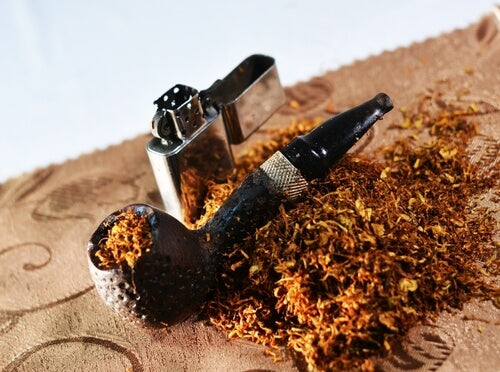
Lots of pipe smokers know the quiet comfort of popping open a fresh package of their go-to pipe tobacco blend. You char the top, tamp the ember down, and take a long draw, fully expecting that familiar profile you already know by heart. But occasionally, that first puff throws an unexpected curveball that makes you stop and stare at the bowl. Most folks immediately assume their palate is just tired after a long day or wonder if their pipe needs a deep cleaning. Yet when two purchases of the exact same mix deliver noticeably distinct experiences, the real story runs far deeper than a faulty lighter or an off day.
Everything There is to Know About Pipe Tobacco
To see why batches behave the way they do, you first have to look at the plant itself. Pipe tobacco isn't a single uniform leaf scooped into a bag. It's a collection of distinct agricultural varieties; each bred over generations to pull specific traits out of the air and soil. When you pull a pinch of ribbon from a pouch or slice a sliver from a dense plug, you're handling leaves that went through completely separate curing barns, chemical transformations, and cutting wheels before landing in the blending tray.
The Botanical Foundation and Stalk Anatomy
Every leaf in your pipe belongs to Nicotiana tabacum, an annual plant that shoots up with remarkable speed during hot summer months. Depending on the varietal, a healthy stalk climbs anywhere from four to eight feet tall, carrying broad foliage with prominent central veins and delicate cell structures.
Where a leaf grows along that stalk plays a huge role in how it behaves when you set it ablaze:
-
Bottom Foliage (Volado or Sand Greens): The lowest leaves sit close to the dirt and catch shade from the upper canopy. They receive minimal direct sunlight, which means they produce very little oil or nicotine. What they lack in strength, they make up for in combustion. Their thin cell walls burn easily, acting as an internal draft engine in a blend.
-
Middle Tiers (Seco and Lugs): Leaves situated midway up the plant capture a balanced mix of direct light and steady air currents. They develop moderate body, delicate natural flavors, and dependable burning qualities, making them the workhorse leaves for day-to-day mixtures.
-
Upper Crown Leaves (Ligero and Tips): Perched at the top of the stalk, these leaves bake directly under the blistering midday sun. To protect its inner tissue from intense solar rays, the plant pumps thick protective waxes, oily resins, and heavy nicotine concentrations straight to the top. When cured, crown leaves yield rich spice, darker colors, and the muscular strength that gives a blend its punch.
Farmers harvest these tiers in waves, letting the upper foliage stay in the dirt longer to soak up as much solar radiation as possible before the final cut.
The Major Leaf Varietals
Blenders build their recipes from a palette of heirloom strains, each offering distinct flavors, burn rates, and chemical balances:
-
Virginia: Grown extensively across the American South, South America, and Africa, Virginia leaf is the backbone of the pipe world. It's famous for high natural sugar levels, bright acidity, and light to dark amber tones. Depending on how it's treated, Virginia tobacco ranges from crisp grassy notes and citrus zest to stewed dark fruits and warm bread crust.
-
Burley: First discovered in Ohio during the nineteenth century, Burley is a hardy mutation that contains virtually zero natural sugar. What it lacks in sweetness, it makes up for with rich nutty undertones, cocoa notes, and sturdy nicotine content. Its porous cell structure acts like a sponge, allowing it to soak up casings, molasses, or natural flavorings without fighting back.
-
Orientals: Native to the arid, sun-baked hills of Greece, Turkey, and Macedonia, these diminutive varietals include well-known strains like Izmir, Samsun, Basma, and Yenidje. The plants are small and compact, yielding palm-sized leaves packed with aromatic oils. They bring an exotic, floral spice and dry herbal character to English and Balkan mixtures while keeping nicotine levels low.
-
Latakia: Named after the Syrian port city, Latakia is an Oriental leaf that undergoes a dramatic transformation after harvesting. The leaves are sun-cured and then hung inside tightly enclosed stone barns, where they're bathed in the dense smoke of smoldering local hardwoods and aromatic scrub like juniper and oak. Cyprian Latakia delivers a rich, peaty, campfire aroma that burns cool and smooth.
-
Dark Fired Kentucky: Grown in western Kentucky and Tennessee, this heavy-bodied leaf is a cousin to traditional Burley. Farmers hang the harvested stalks in curing barns directly above smoldering hardwood pits filled with hickory and oak sawdust. The leaves absorb the pungent smoke, turning dark, leathery, and full of barbecue spice and deep wood tones.
-
Perique: Cultivated almost exclusively in the mineral-dense alluvial silt of St. James Parish, Louisiana, Perique is an Acadian craft specialty. After harvest, workers strip the leaves, pack them tightly into charred oak whiskey barrels, and crank down massive screw jacks to apply continuous hydraulic pressure. Fermenting in its own expelled juices for months, the leaf turns jet-black, smelling of fermented plums, figs, and sharp black pepper.
Processing and Curing: How Raw Leaf Becomes Pipe Leaf
Green tobacco straight from the field is unsmokeable. It tastes harsh, smells like burnt grass, and bites the mouth with bitter compounds. The curing phase is where moisture leaves the foliage and internal starches break down into smokable gold:
-
Flue-curing: Used predominantly for Bright Virginia. Harvested leaves hang in tight, insulated barns equipped with external heating pipes called flues. Heat is slowly ramped up over five to seven days, halting photosynthesis and drying the leaf rapidly. This sudden heat spike locks in natural carbohydrates before the leaf can consume them, resulting in high sugar content and bright golden colors.
-
Air-curing: The standard method for Burley. Stalks hang inside massive wooden barns with adjustable side slats. Over eight to twelve weeks, ambient air circulates naturally around the hanging leaves. The foliage slowly starves, consuming all its internal sugars and turning a deep chocolate brown with earthy, nutty tones.
-
Sun-curing: The classic Mediterranean approach for Orientals. Workers thread harvested leaves onto twine and string them across outdoor wooden A-frames. Baking in direct sunlight over three to four weeks slowly bleaches out raw chlorophyll while sealing in volatile essential oils.
-
Fire-curing: The heart of Dark Fired Kentucky. Leaves absorb low-temperature hardwood smoke over several weeks, resulting in thick, dark foliage coated in rich wood creosote.
-
Cavendishing: Not a varietal, but a secondary finishing method. Blenders steam and heat Virginia or Burley leaves under high pressure, sometimes adding natural sugar or fruit extracts. The heat caramelizes the leaf, turning it mellow, soft, and dark brown or jet-black.
Cuts, Formats, and Presentations
Once the cured leaves arrive at the blending facility, how they're sliced and pressed dictates how they burn inside your pipe:
-
Ribbon and Loose Cut: The leaves pass through rotating circular blades that slice them into long, narrow ribbons. It's ready to pack straight from the container, lights easily, and offers a straightforward, consistent draw.
-
Flake: Whole leaves are blended, stacked into dense layers, and pressed under hydraulic force for days or weeks into a firm block. That block is then run through a mechanical guillotine, slicing it into thin, neat strips. Smoking flake tobacco yields a cooler, slower burn, letting flavors unfold gradually.
-
Krumble Kake: Similar to a flake block, but pressed with slightly less pressure or chopped before pressing. You can pinch off a piece with your fingers, and it readily crumbles into chunky ribbon in your palm.
-
Plug: A dense, solid brick of pressed leaf that requires a sharp pocketknife to prepare. You shave off thin coins or flakes yourself, giving you total control over the coarseness of your pack.
-
Rope and Twist: An old-world sailor's format where leaves are hand-spun into thick, rope-like braids and hot-pressed. Smoker slices off small disks or coins, offering intense nicotine strength and a very slow, cool smolder.
What Defines a Pipe Tobacco Blend?
A pipe tobacco blend isn't just a random mix of shredded leaves scooped into a tumbler and bagged up. If you throw raw leaves together without a plan, you end up with a bowl that burns scorching hot, bites your tongue raw, and tastes completely muddy. A real blend is a calculated balance of burn mechanics, leaf chemistry, and aroma. Every varietal in that mix has a specific job to do, whether it's keeping the ember moving steadily down the chamber, smoothing out harsh alkaline smoke, or adding a distinct pop of spice. When you pack your pipe, you're lighting up a recipe where every component relies on the others to burn cool, stay lit, and taste right from the first charring light down to the bottom dottle.
Base Components and Seasoning Leaves
Every recipe starts with a clear division between the foundation leaves and the accents. Blenders typically build their core around hearty portions of Virginia or Burley. These base varietals provide the physical structure and combustion engine of the smoke, dictating how the leaf packs under your thumb and how evenly the fire travels down the bowl. Virginia brings natural sweetness, acidity, and a clean burn, while Burley offers a cool, nutty smoke with substantial body and nicotine. Without a dependable base handling the heavy lifting, the mixture won't stay lit or provide enough volume to carry more intense flavors.
Sitting on top of that base are the condiment leaves—varietals like Latakia, Perique, Dark Fired Kentucky, and Orientals. You'd never want to pack a full bowl of straight Perique or pure Latakia because their concentrated oils and heavy flavors would wreck your palate within minutes. Instead, blenders measure these powerhouse leaves in tight, measured percentages to season the base. A small pinch of Perique adds peppery stewed fruit notes to a sweet Virginia foundation, while a modest measure of Latakia introduces savory woodsmoke without suffocating the rest of the mix. Tipping that scale by even a couple of percentage points completely changes how the blend hits your tongue.
Traditional Blending Styles
Over the decades, pipe smokers and blenders have settled on several distinct styles that cater to different tastes:
-
English and Balkan Mixtures: Rooted in classic Latakia, spicy Oriental leaf, and sweet Virginia. English blends use Latakia as the main driver for rich, leathery smokiness, while Balkan styles push fragrant Orientals to the front for a dry, herbal, and slightly sour character.
-
Virginia and Perique (Va/Per): A stripped-down, traditional pairing beloved for its clean flavor and incredible aging potential. The grassy, bready sweetness of Virginia tangles directly with the dark plum and peppery kick of barrel-fermented Perique, evolving with deeper complexity as the bowl burns down.
-
Aromatic Blends: Built mostly on Burley and steamed black Cavendish, then finished with sweet natural extracts. Flavors like real vanilla, dark rum, cocoa, cherry, or warm caramel take the lead here, aiming for an easy-burning smoke and a room note that smells great to anyone sitting nearby.
-
Burley-Forward Blends: The no-nonsense American classic. These blends put nutty, earthy Burley right up front, sometimes touched with a splash of Virginia or a mild chocolate casing. They pack effortlessly, stay lit without fuss, and give you a dry, cool smoke with plenty of satisfying nicotine punch.
-
Scottish and Navy Mixtures: Old maritime-inspired blends that lean on pressed Virginia and Burley, often married with a splash of rum or a light touch of Latakia and Cavendish. They yield a mellow, woodsy smoke that strikes an easy middle ground between sweet aromatics and savory English mixtures.
Casing, Topping, and Flavor Application
There's a lot of confusion on the counter between casings and toppings, but they happen at completely different points in production and do entirely different work. Casing happens early, while the tobacco is still whole un-cut leaf. Blenders run the leaf through warm baths or high-pressure sprays containing water, sugar cane molasses, licorice, or fruit extracts. The point here isn't to make the tobacco taste sweet like candy, but to adjust the natural pH of the leaf. Burley, for example, is naturally alkaline, which can bite the tongue if smoked raw. A light casing balances that acidity, softens bitter tannins, plumps up the leaf cells, and helps the tobacco retain enough pliability to pass through the slicing machinery without crumbling into dust.
Topping comes in at the very end of the line, right before the finished tobacco gets sealed. After the leaves are blended, pressed, and sliced into ribbons or flakes, blenders apply a fine aromatic mist across the surface. These toppings use volatile extracts like aged whiskey, vanilla bean, or citrus oils that sit right on the exterior of the leaf rather than soaking into its cellular core. That surface mist is what hits your nose the second you pop the seal, providing that rich pouch aroma and floating a pleasant scent into the room as you smoke.
Pressing, Fermentation, and Marriage
Once the leaves are combined, a good blend doesn't just get shoved straight into a container. Freshly mixed tobaccos have different moisture levels, varied pH balances, and competing oils that can make an un-aged mixture taste sharp and disjointed. Blenders put the bulk mix into large holding bins or wooden hogsheads to let the batch rest and marry for several weeks. During this resting period, ambient moisture evens out across the different leaves, and the volatile aromatic oils slowly migrate between the shreds until the individual varietals settle into a unified profile.
For flakes, plugs, and cakes, blenders take this a step further by loading the married leaf into hydraulic presses. Cranking down tons of pressure for days or weeks crushes the leaf cells, squeezing out natural sap and forcing the casing liquids and essential oils to bind together under force. Sometimes blenders apply steam to heat the press plates, which darkens the leaf, speeds up secondary fermentation, and caramelizes natural sugars. When you slice or rub out a well-pressed flake, you're smoking tobacco where the varietals have physically merged together, producing a slow, cool smolder that loose ribbon simply can't match.
Why Identical Pipe Tobacco Blends Taste Different
When you open two containers of the exact same blend and find they don't smoke identical, nobody is pulling a fast one on you. Blenders work hard to keep their flagship recipes dependable, but tobacco isn't a synthetic product whipped up in a clean laboratory. It's an agricultural crop raised in raw dirt, cured under shifting skies, and finished through traditional craft methods that leave room for natural variation. From the rainfall in a particular growing season to the way leaf settles inside a container, a whole chain of physical mechanics influences what ends up burning in your bowl.
Crop Year Variations and Seasonal Weather
Tobacco farming deals with the same seasonal swings as fine winemaking. A field of flue-cured Virginia harvested during a blazing, dry summer turns out completely distinct from the same varietal pulled from the dirt after a season of heavy tropical downpours.
Sunlight and rainfall directly dictate leaf chemistry:
-
Sunlight and Sugar Development: In sunny, hot seasons, photosynthesis runs at full throttle. The plants build massive reserves of natural starch, which convert into high sugar percentages during flue-curing. In cloudier years, those sugars come in noticeably lower, meaning that year's crop will taste less citrusy and sweet, leaning instead toward grassy or earthy notes.
-
Rainfall and Mineral Dilution: Heavy rains wash nitrogen out of topsoil and force the plant to drink excess water, swelling the cells and thinning out essential oils. Conversely, moderate drought stresses the roots, forcing the plant to produce thick, leathery leaves loaded with protective resins and higher nicotine.
-
Soil Depletion and Field Rotation: Even within the exact same river valley, dirt composition changes from one harvest to the next. As roots pull up potassium, iron, and magnesium, soil chemistry shifts unless fields are rested and rotated, subtly altering the mineral profile that feeds future crops.
Because manufacturers purchase leaf by the bale across different harvest years, blenders must constantly adjust their recipes. If this year's crop of Red Virginia packs five percent less natural sugar than the last batch, the blender might tweak the proportions or marry it with reserve leaf from a prior year to pull the flavor back into line. Even with those adjustments, minor shifts slip through into the final mix.
Curing Nuances and Smokehouse Shifts
Once leaves leave the field, curing introduces another round of wild variables. Most tobacco processing relies on human judgment rather than automated digital readouts, meaning every curing run has its own fingerprint.
Air-cured Burley hangs in barns where natural humidity dictates the pace of the cure. If an unseasonal cold snap or persistent damp front settles over the valley while the crop is hanging, the leaves dry slower, allowing deeper enzymatic breakdown. If warm, dry winds sweep through too fast, the cure finishes ahead of schedule, leaving the leaf with a brighter, nuttier profile.
The swings become even more pronounced with fire-cured varietals and Latakia. When workers smoke Dark Fired Kentucky over hardwood sawdust, the humidity in the air, the dryness of the hickory logs, and the wind blowing against the barn vents all influence how deep the woodsmoke penetrates the leaf. Cyprian Latakia undergoes months of smoking over mixed pits of regional scrub oak, pine, and wild brush. If the wood harvest for that cycle leans heavier toward pine or juniper, the cured leaf picks up more resinous, peaty sharpness. If seasoned oak dominates the smoke pits, the batch turns out sweeter and woodier.
Perique brings its own quirks. Because it ferments inside oak whiskey barrels under heavy pressure, the ambient temperature in the Louisiana barn speeds up or slows down the microbial activity inside the wood. One barrel might finish with a sharp vinegar tang and heavy pepper, while the barrel sitting right beside it yields a smoother, stewed-fruit profile. When these component leaves arrive at the blending house, their baseline flavors are already showing small personality differences before anyone measures out a single ounce.
The Ribbon Distribution Reality
Even if a blender creates a five-hundred-pound batch mixed to absolute perfection, simple physics comes into play the moment that tobacco is chopped and divided into individual packages.
In a ribbon-cut mixture containing Virginia, Burley, and Latakia, individual leaf shreds don't have identical weights, surface areas, or friction levels. Broad, heavy Burley ribbons settle differently than fine, papery Virginia strands, while sticky, dark Latakia strips tend to cling to one another in tiny clusters.
As the blended tobacco travels down vibratory conveyor belts, drops through packaging funnels, and settles into containers, gravity naturally sorts the shreds. The leaf at the top of a blending bin might hold a slightly higher ratio of light, fluffy Virginia, while the bottom of the bin collects more dense, oily condiment leaf.
When you scoop a pinch into your pipe, you aren't smoking a chemically homogenized liquid; you're smoking a handful of individual shreds. One bowl might accidentally pick up four extra strands of Latakia, tipping the smoke toward heavy campfire flavors. The very next bowl you pack from the exact same package might carry an extra pinch of sweet Virginia, giving you a brighter, tangier smoke that burns just a bit faster.
Casing Absorption and Topping Volatility
The way tobacco drinks up added flavorings also varies from batch to batch. Raw cured leaf is porous, but that porosity changes based on how thick the foliage grew in the field.
A thick, leathery leaf from the top of the stalk absorbs liquid casings differently than thin, delicate lower foliage. When a blender applies a sugar or molasses casing, some bales soak the mixture deep into their cell walls, while others hold more of it right at the surface. That changes how the casing burns off under fire, shifting the balance between natural leaf taste and subtle casing sweetness.
Toppings bring an even bigger challenge because they rely on alcohol or water bases that evaporate when exposed to air. When tobacco gets misted with vanilla, rum, or fruit extracts, the ambient temperature and humidity in the packaging room affect how much of that aromatic topping stays bound to the leaf before the container gets sealed:
-
Warm, Dry Packaging Days: More of the volatile alcohol base flashes off into the room air, taking some of the top aroma with it and leaving a slightly milder surface scent on the leaf.
-
Humid, Cool Packaging Days: The mist settles heavily on the cut shreds, trapping maximum fragrance inside the container before the lid is pressed on.
These environmental swings mean one production run might boast an explosive, mouth-watering aroma, while a run packed two weeks later smells a bit more restrained.
Packaging Types and Anaerobic Aging
How your tobacco is packaged—and how long it sits before you pop the seal—has a massive impact on flavor. Sealed metal tins, tall cans, pocket pouches, and bulk bags all treat leaf very differently over time.
A sealed metal vacuum tin traps a tiny amount of oxygen inside with the tobacco. Over the first few months, the living aerobic bacteria on the leaf consume that remaining oxygen. Once the air is gone, the tin shifts into an anaerobic fermentation phase. Under anaerobic conditions, natural acids slowly break down, harsh tannins soften, and sugars crystallize on the surface of the leaf like fine frost.
If you crack open a vacuum tin that sat on a shelf for three years, you're smoking a mellow, dark, caramelized tobacco that tastes nothing like that same blend smoked two weeks after packaging. The sharp edges are gone, the room note is deeper, and the burn is remarkably smooth.
Pocket pouches and plastic-lined bulk bags behave completely differently:
-
Pocket Pouches: Designed for daily portability, thin foil and plastic pouches are not hermetically sealed for decades of cellar aging. They slowly exchange microscopic amounts of air over time, allowing moisture and delicate top-notes to dissipate while preventing full anaerobic fermentation.
-
Bulk Bags: Heavy-gauge bags hold moisture well, but every time you open the zip-top to pull out an ounce for your pipe, you introduce fresh oxygen and let volatile aromas escape into the room.
-
Metal Cans: Tall friction-fit cans provide a great moisture seal, but their larger internal headspace means the leaf experiences a different air-to-tobacco ratio than a compact, vacuum-pressed round tin.
If you smoke a blend from a fresh pouch and compare it to that same blend pulled from a three-year-old vacuum tin, they'll taste like two cousins rather than identical twins. The recipe didn't change; the aging environment did.
Moisture Content and Your Packing Habits
Finally, a huge chunk of blend variation happens right in your own hands. The moisture level of the leaf when the flame hits it completely alters combustion chemistry.
Tobacco fresh out of a sealed container usually holds significant moisture to keep it from crumbling during transit. If you pack a bowl straight away, that excess water creates steam as the ember burns. Steam heats up the smoke, dulls sweet flavors, and can bite your tongue, hiding the subtle nuances of the blend. If you let that same tobacco sit out on a tray for twenty minutes to dry until it feels like supple leather, the water evaporates. Now, the leaf burns cooler, allowing natural fruit, spice, and wood tones to step forward without being masked by hot vapor.
Your choice of pipe changes everything as well. Smoking a flake in a wide-chambered, shallow pot bowl lets the ember breathe across a large surface area, burning several varietals at once and presenting a broad, rich flavor profile. Stuffing that same flake into a tall, narrow chimney pipe forces the smoke to filter down through inches of unburned leaf, distilling oils and turning heavy and concentrated by the bottom third. Add in the natural ghosting left behind inside the briar from previous smokes, and the exact same blend will taste noticeably different from one pipe to the next.
Taking the Wild with the Mild
Chasing absolute, carbon-copy uniformity in pipe smoking makes about as much sense as expecting every single apple pulled from an orchard tree to share the exact same crunch. Modern manufacturing conditions us to simply expect identical results from barcode to barcode, but natural leaf simply refuses to play by factory rules. A veteran blender's true skill isn't about scrubbing away nature's quirks, but balancing wild harvest shifts so that each batch stays familiar without losing its pulse. When your favorite mixture hands you an unexpected nuance on the charring light, don't write it off as an error—that unscripted bite is just the price of admission for smoking real, honest agriculture.
Share:
8 Reasons to Avoid Holding a Cigar with Greasy Hands (and What You Should Do Instead)