
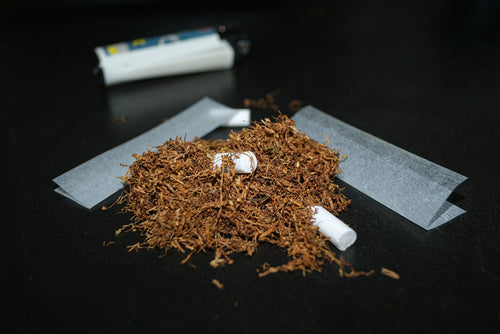
Rolling a clean cylinder of leaf or herb seems simple enough until the ember burns sideways and ruins a perfectly good stash. Most people blame their rolling technique when a session goes south, but the real culprit usually comes down to a clash between your chosen paper and what you pack inside it. Raw plant sheets might look nearly identical at first glance, but the structural fibers dictate how oxygen moves, how heat spreads, and how fast the combustion cherry travels. Tobacco and hemp flower demand drastically different burning conditions, meaning a paper designed to tame dense tobacco shags will fight you when paired with sticky herbal resins. Mastering the physical mechanics of fiber weight, porosity, and burn speed is the single fastest way to clean up your session and stop wasting material.
Anatomy of the Sheet: Raw Fibers, Oxygen, and Heat
Strip away brand labels and stylized packaging, and every paper sheet is fundamentally a tiny, self-contained combustion engine. Its job is to suspend shredded plant material in a uniform cylinder while carefully metering how much oxygen feeds the burning tip. How a paper behaves under heat boils down to four physical traits: fiber origin, basis weight, surface porosity, and glue construction.
Raw fibers form the structural backbone of the sheet. Paper makers source these materials from timber trees, flax stalks, rice husks, or industrial hemp plants. Every plant species grows fibers with distinct lengths and natural tensile strength. Longer fibers interlock like a tight mesh screen, letting manufacturers roll ultra-thin sheets that refuse to pull apart under tension. Shorter fibers need a thicker layer of material to stay bonded together, resulting in a heavier sheet.
Basis weight describes the physical mass of the paper, measured in grams per square meter (GSM). A higher GSM rating means more raw plant cellulose is crammed into the sheet. Heavy papers feel stiff between your fingers, hold their shape easily, and burn with a bright, visible flame. Lightweight papers feel almost weightless, appearing semi-transparent while burning down with very little visible flame or smoke of their own.
Porosity measures the microscopic air gaps scattered across the paper's surface. These microscopic pores govern how air flows into the roll when you take a drag. Highly porous papers pull extra air through the sides of the paper tube, diluting the smoke and keeping the ember lit even when the roll sits idle. Low-porosity sheets block lateral air movement, forcing all incoming oxygen to enter directly through the front tip of the roll, which slows down the burn speed significantly.
The adhesive line running along the top edge seals the deal. High-grade papers rely on thin strips of natural gum harvested from acacia trees or pressed directly from hemp. When lightly wetted, this gum creates an airtight seam along the full length of the roll. Low-quality sheets sometimes rely on thick, sugary adhesives or heavy chemical glues that release harsh fumes and alter the natural taste of your smoke from the very first pull.
The Mechanics Behind Tobacco Rolling Papers
Papers built specifically for rolling tobacco carry a rich history shaped by centuries of traditional smoking habits. Tobacco leaves contain natural moisture, heavy plant oils, and a dense physical frame that burns hot once ignited. To keep up with these physical traits without going out mid-session, tobacco papers lean on sturdy raw materials and specialized manufacturing techniques.
Wood Pulp Roots and Heavy Structural Frames
Traditional tobacco papers rely heavily on refined wood pulp as their main structural building block. Wood fibers are naturally thick, rigid, and short compared to other plant sources. This produces a stout, heavy paper sheet that can take a beating during the rolling process.
During manufacturing, wood timber is reduced to a soft cellulose pulp, which gets pressed, dried, and smoothed into uniform paper rolls. Bleached wood pulp creates bright white sheets that deliver a classic, traditional look. Unbleached options skip the whitening process, leaving the wood cellulose in its raw state to produce a light brown or tan sheet.
Because short wood fibers require extra mass to stay bound together, these papers typically fall into a heavy weight class ranging from 18 to 24 GSM. This added density gives the sheet a stiff hand-feel. If you roll fine-cut shag by hand, that stiffness is a huge asset because the paper maintains its cylindrical frame without collapsing while you tuck and shape the seam.
Porosity Controls and Combustion Minerals
Tobacco burns hot, but shredded tobacco shags will snuff out quickly if airflow drops for more than a few seconds. To keep the ember glowing steady, paper makers engineer tobacco sheets with high porosity and specific mineral additions.
The most common mineral added to wood pulp sheets is calcium carbonate, often referred to as chalk. Paper mills mix this compound directly into the raw pulp bath before pressing the sheets. Chalk serves two major practical functions:
-
Ash Retention: Calcium carbonate holds the burning paper ash together, creating a solid white tube of ash that stays attached to the tip rather than flaking off randomly.
-
Persistent Combustion: It acts as an internal accelerator, keeping the paper smoldering steadily even when you set the roll down for a minute or two.
This steady burn matches the physical behavior of fine-cut tobacco shags. Without added porosity and combustion minerals, a tobacco roll would require hard, constant pulling to stay lit, which draws unwanted heat into your mouth and ruins the flavor.
Handling Dense Tobacco Shags and Moisture
Tobacco comes in several distinct cuts, and each one creates unique friction against the paper. Fine-cut shag features long, thin strands that compress easily, while ribbon cut and plug tobacco feature thick, wide chunks that leave irregular air gaps inside the roll.
Thicker wood pulp papers handle these coarse cuts without flinching:
-
Moisture Management: Fine-cut tobacco holds natural casing moisture. Thick paper sheets absorb this surface humidity without losing their structural frame or getting soggy along the glue seam.
-
Puncture Defense: Rigid leaf ribs and sharp stems can easily poke holes in fragile paper. Heavy wood pulp acts as a tough shield against internal tears.
-
Shape Retention: Coarse ribbon-cut tobacco expands outward after being rolled. Stiffer wood papers push back against that pressure, maintaining a tight, uniform roll that won't unravel over time.
For anyone who packs dense, humid tobacco blends, the structural muscle and persistent burn of a traditional wood pulp sheet make life much easier.
The Mechanics Behind Hemp Rolling Papers
As industrial hemp processing evolved, paper crafters recognized the incredible natural strength of hemp fiber for specialized rolling applications. Hemp papers approach combustion from a totally different angle than traditional wood pulp sheets, focusing on slow burn rates, low ash production, and uncompromised flavor.
Long Stalk Fibers and Unrefined Processing
Industrial hemp sheets are crafted from the long, tough bast fibers found inside the outer stalk of the hemp plant. These fibers boast incredible natural tensile strength, which allows paper mills to press them into micro-thin sheets without sacrificing durability.
Unlike wood pulp, which requires chemical processing to break down tough wood compounds, hemp fibers separate easily through mechanical pulping. This lets manufacturers skip heavy chemical bleaching steps. The resulting sheets feature a soft, translucent look with a natural tan shade and subtle webbed fiber lines visible when held up to the light.
Hemp sheets operate in a lightweight category, usually sitting between 11 and 14 GSM. This ultra-thin frame means you burn far less paper material with every hit, cutting down on paper smoke so you can focus entirely on your fill material.
Slow-Burn Physics and Resin Ring Control
Hemp flower and dry herbs are packed with sticky plant resins and essential oils. When exposed to heat, these resins melt into a hot oil ring right behind the burning cherry. If your paper burns faster than that resin ring can migrate down the roll, the paper burns away on one side while the wet herb on the other side stays unlit.
Hemp sheets prevent this uneven burn through low porosity and natural slow-burning physics:
-
Controlled Speed: Hemp fibers burn at a slow, steady rate that matches the boiling point of thick plant resins, preventing runaway burns.
-
Even Heat Distribution: The interlocking mesh of long hemp fibers spreads heat sideways across the roll, forming a straight burn ring from start to finish.
-
Self-Extinguishing Behavior: If you put a hemp roll down, the low oxygen permeability slows the burn right down, eventually letting the ember go out naturally instead of burning away your material.
This slow-smolder engineering gives you complete control over the pace of your session, making hemp paper the top choice for sticky, resinous materials.
Flavor Preservation and Terpene Profiles
Flavor purity is where hemp paper really shines. Herbs contain fragile aromatic compounds that give different plant strains their distinct citrus, pine, or earthy profiles.
Standard wood pulp papers release a heavy, papery smoke when burned, which easily drowns out subtle plant flavors. Ultra-thin hemp papers burn exceptionally clean. The tiny amount of smoke produced by a light hemp sheet carries a mild, sweet herbal note that blends into the background without masking your stash.
Additionally, the soft, velvety texture of unrefined hemp paper offers an easy grip for your fingers, making it simple to roll a smooth, uniform cylinder without crushing your ground flower into a rock-hard tube.
Comparing Performance Across Key Categories
Putting these two paper styles head-to-head makes it easy to see how physical properties translate directly to real-world performance:
-
Structural Fiber Origin: Tobacco sheets draw strength from short, dense wood fibers, while hemp papers rely on long, flexible stalk fibers.
-
Paper Mass and Gauge: Tobacco papers range from 18 to 24 GSM for a thicker feel, whereas hemp sheets stay light at 11 to 14 GSM.
-
Burn Rate and Heat Dynamics: Tobacco sheets feature fast, continuous combustion engineered to stay lit, while hemp papers deliver a slow, controlled burn that responds to your active draw.
-
Mineral Content and Ash: Tobacco papers incorporate calcium carbonate to build a firm, stark white ash structure. Hemp papers avoid added minerals, leaving behind a light, delicate gray ash.
-
Seam Sealers: Tobacco sheets often use thick acacia gum or starch glues, while hemp papers use ultra-thin strips of raw hemp gum.
-
Taste Impact: Wood pulp releases a noticeable papery flavor during combustion, whereas light hemp papers maintain a neutral profile that keeps plant flavors intact.
Choosing the Ideal Sheet for Your Stash
Selecting the best paper isn't about finding one single winner for every situation. It comes down to matching the physical mechanical traits of the sheet to the material sitting on your tray.
When Heavier Wood Pulp Sheets Make Sense
If you prefer hand-rolling classic, fine-cut tobacco or coarse ribbon blends, traditional wood pulp sheets remain the top option. Their rigid frame provides the structural leverage needed to tuck and shape springy tobacco strands into a clean cylinder.
Wood pulp sheets are also forgiving if you are still building your hand-rolling technique:
-
Tension Resistance: You can pull, tuck, and roll wood pulp sheets with firm pressure without tearing the paper along the seam.
-
Moisture Defense: If your hands get warm while rolling, the extra paper mass absorbs that palm moisture without turning limp or tearing.
-
Breezy Conditions: The persistent burn of wood pulp sheets keeps your roll burning reliably even when smoking outdoors in a cold wind.
When Lightweight Hemp Wraps Take the Lead
For sticky hemp flower, CBD bud, or delicate herbal blends, hemp wraps are unmatched. Their paper-free taste profile keeps the aromatic terpenes of your material right at the forefront of every pull.
Hemp wraps shine brightest in scenarios where flavor and heat control matter most:
-
Resin-Dense Flowers: Sticky herbs need a slow burn speed so internal oils vaporize smoothly without causing uneven burn lines.
-
Paced Sessions: Because hemp sheets slow down when left idle, you can take your time between drags without watching your material burn off into thin air.
-
Additive-Free Preference: Smokers who want to avoid heavy chalks, bleaches, and synthetic fillers will appreciate the raw, unrefined simplicity of industrial hemp fibers.
Storage and Airflow: Maximizing Paper Performance
Once you select the right paper style for your stash, fine-tuning your storage habits and internal airflow setup ensures every roll performs to its full physical potential.
Humidity, Storage, and Fiber Care
Regardless of which paper style you prefer, proper storage makes a massive difference in how your sheets perform on the tray. Natural plant fibers act like sponges, absorbing or shedding moisture based on humidity levels in the air.
Ultra-thin hemp papers react quickly to environmental humidity shifts. In dry air, hemp sheets can become brittle, causing the gum line to curl or snap under tension. In humid air, raw hemp papers soak up moisture, making the sheet feel limp and causing the adhesive strip to stick to itself inside the pack.
Wood pulp papers handle humidity swings a bit better thanks to their heavier mass and mineral content. Even so, keeping your paper packs in a sealed pouch stored in a cool, dark drawer protects the gum lines and guarantees a crisp roll every time.
Airflow Engineering and Filter Setup
Your paper choice also dictates how you should assemble the rest of your roll, especially when choosing a tip or crutch.
Because tobacco papers feature higher porosity, air enters freely through the sides of the paper tube. Pairing a wood pulp sheet with a firm, tight paper tip balances this side airflow, giving you a smooth, steady draw.
Hemp papers block lateral air movement, forcing all airflow straight through the front burning tip. Using a wide-bore or perforated filter tip with hemp sheets lowers draw resistance, keeping the roll pulling free and easy even when sticky resins build up near the end of your session.
Elevating Your Smoking Session Beyond Guesswork
Next time you prepare your tray, treat your paper selection like a specialized tool rather than an afterthought. Matching the heat absorption and fiber density of your sheet to the specific moisture level of your stash stops side-burns and harsh drags before they even start. That single adjustment transforms an unpredictable roll into a smooth, reliable smoke that lets your plant material perform at its full potential. Once you feel how much control the proper sheet brings to the table, grabbing a random pack out of convenience won't cut it anymore.
Share:
Mastering the Fine Art of 'Cigar Tasting'
Which Premium Cigars Go Great with a Cup of Coffee?