
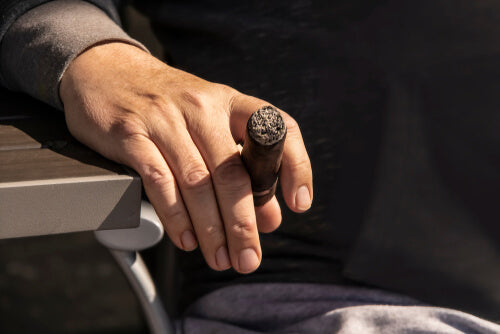
Whether you're lighting up a cigar out on a sunny fairway or relaxing with a favorite blend after a long week, dealing with sweaty palms is a frustrating reality every smoker runs into at some point. It's easy to assume holding your cigar with damp fingers won't change much, especially when you're caught up in good conversation or just trying to unwind. The truth is that a well-crafted cigar is remarkably sensitive to external moisture, and excess sweat seeping into delicate wrapper leaves throws off the physical balance built into every roll. Newer enthusiasts often blame the blend itself when a cigar burns crooked or turns harsh, while seasoned veterans know all too well how quickly clammy fingers can spoil an otherwise flawless smoke. Dialing in how you physically handle your cigars doesn't require awkward habits, just a few practical adjustments that protect your tobacco so every draw stays smooth and enjoyable from foot to cap.
What You're Actually Smoking: Premium vs. Machine-Made Cigars
Before diving into how moisture and handling come into play, you need a clear picture of what a cigar actually is on a structural level. At the simplest level, a cigar is a rolled bundle of cured tobacco leaves designed to burn at a slow, steady rate. But how that bundle gets assembled completely changes how it feels in your fingers, how it breathes, and how it holds together under pressure. The entire smoking world splits into two distinct categories: traditional hand-rolled premium smokes and factory-produced machine cigars.
Premium Cigars
A premium cigar is an agricultural product crafted entirely by hand using whole, unadulterated tobacco leaves. There are no paper fillers, synthetic adhesives, or chemical flavor boosters added anywhere along the line. Instead, every single piece relies on three distinct layers of cured tobacco working together in harmony: the filler, the binder, and the wrapper.
The heart of the blend is the filler, which makes up the bulk of the cigar's physical body. In hand-rolled stogies, makers use long-filler tobacco, meaning whole cured leaves that run uninterrupted from the foot where you light up all the way to the head where you cut. An experienced roller gathers these long leaves by hand, carefully folding them using specialized bunching methods like accordion or book folding. This deliberate bunching creates straight, microscopic air channels running along the natural veins of the leaves. Because these channels run the entire length of the cigar, smoke travels freely without hitting dense clogs or empty pockets that burn too fast.
Holding that filler core together is the binder leaf. The binder is the unsung workhorse of the blend, selected for physical toughness, stretch, and structural integrity rather than flawless looks. The roller wraps this leaf firmly around the long-filler bundle, placing the assembled bunch into a heavy wooden mold to press it into an even cylinder. This step locks all the internal leaves under steady tension, so the cigar keeps its shape and burns at a balanced pace.
The final layer is the wrapper leaf, which represents the highest grade of tobacco on the plant. These leaves are cultivated under strict conditions to yield a smooth, supple texture with minimal surface veins. A roller cuts the wrapper into a clean spiral, gently stretches it over the binder with just the right amount of pulling force, and finishes the head with a small cap fastened by a dab of odorless, natural vegetable gum. Premium wrappers remain porous and flexible, relying purely on natural leaf elasticity and balanced moisture to stay silky and smooth.
Machine-Made Cigars
Machine-made cigars sit on the opposite end of the tobacco spectrum, engineered for high-volume automated output, low cost, and uniform physical consistency. Rather than relying on the tactile touch of an experienced pair of hands at a wooden bench, industrial machinery churns these products out by the millions.
Inside a machine-made cigar, you won't find whole, continuous leaves. These cigars rely on short-filler tobacco, which consists of chopped scrap leaves, trimmings, and smaller tobacco remnants left over from agricultural sorting. High-speed equipment funnels this shredded blend into a chute and presses it mechanically into a tight cylinder. Because the interior is packed with loose, chopped tobacco rather than folded leaves, there are no organic air pathways running from end to end. The airflow depends entirely on how tightly the automated rollers compressed that chopped mixture into the chamber.
To hold all that loose, shredded tobacco together without tearing on fast-moving mechanical belts, automated production lines skip natural binder leaves entirely. Instead, they use Homogenized Tobacco Leaf, commonly referred to as HTL. This material is made by pulverizing tobacco scraps into a fine dust, combining it with plant cellulose fibers and water-soluble vegetable gums, and pressing the mixture through industrial rollers into continuous sheets.
Some machine brands apply a natural leaf wrapper over that HTL core, but many use the processed tobacco sheet for the outer wrapper as well. This reconstituted sheet has a flat, uniform texture that feels more like brown craft paper than an organic farm leaf. It lacks natural veins, natural oils, and the delicate cellular structure of a hand-picked crop. While that makes the cigar sturdy enough to survive high-speed automated packaging, it results in a rigid, less responsive casing that behaves completely differently from an artisan hand roll.
The Real Triggers Behind Sweaty Palms
Sweating through your palms isn't a sign that you did something wrong or that you're somehow unsuited for enjoying a fine smoke. Human hands pack one of the highest concentrations of eccrine sweat glands anywhere on the body, meaning your palms react almost instantly to shifts in your surroundings, your body chemistry, and everyday stress. When you kick back with a stogie, you're often stepping into an environment where ambient temperature, cold beverage choices, and tobacco chemistry collide all at once. Several distinct factors work together to get your hands sweating during a smoke:
-
Sweltering Heat and Heavy Humidity: Most folks enjoy their cigars outdoors on decks, back patios, or golf courses where weather calls the shots. On a swampy summer afternoon or a muggy evening, your internal cooling system kicks into high gear to dump excess body heat. Because your palms hold thousands of active sweat pores per square inch, they start weeping moisture long before your forehead registers a single drop. Sitting motionless in thick, humid air only makes things worse, as perspiration has nowhere to evaporate, leaving a slick sheen across your fingers that gets pressed straight into the outer leaf.
-
Iced Drinks and Glass Condensation: A chilled drink is one of the most popular companions to a relaxing stogie, but that cold glass acts like a relentless sponge for outside moisture. When you pick up a tumbler of iced bourbon, a cold craft beer, or an icy glass of soda, ambient humidity condenses against the freezing exterior of the glass. Every time you reach for a sip, that pooled liquid transfers directly to your fingertips and palm. To make matters worse, that cold glass chills your skin, causing your circulatory system to rebound with a surge of localized warmth and sweat the second your hand warms back up.
-
Nicotine Stimulation on the Nervous System: Tobacco naturally contains nicotine, a stimulant that talks directly to your central nervous system. When you puff on a cigar, nicotine absorbs through the mucous membranes in your mouth, signaling your adrenal glands to release a small burst of adrenaline. That physiological rush nudges your heart rate higher and switches on your eccrine sweat response. If you're enjoying a full-bodied blend on an empty stomach or puffing faster than normal, that mild nicotine kick can leave your palms clammy within ten minutes.
-
Radiant Heat from the Foot: A burning cigar ember burns well over a thousand degrees Fahrenheit at the core during an active puff. As you smoke through the first half and work your way toward the band, that glowing coal gets physically closer to your fingers. The heat radiating from the foot warms the air around your hand and raises the surface temperature of your skin. Your fingertips detect that sudden warmth and respond by releasing sweat to cool the tissue down, creating wet contact points exactly where you're pinching the wrapper.
-
Subconscious Tension and Handling Anxiety: Relaxing with a cigar ought to be peaceful, but newer smokers or folks puffing in a crowd often experience a subtle wave of performance anxiety. You might worry about cutting the cap crooked, torching the foot unevenly, dropping an ash on your lap, or looking awkward around seasoned smokers. That low-level mental tension triggers your sympathetic nervous system. One of the classic hallmarks of nervous excitement is cold, sweaty palms, which can turn your grip slick before you've even finished the first third.
-
Natural Physiology and Hyperhidrosis: Some folks simply sweat more than others regardless of the weather or their stress levels. Primary palmar hyperhidrosis is a common condition where the body's sweat glands stay on overdrive, releasing moisture onto the palms throughout the day. Even without a medical label, natural biological variance means plenty of people simply run warm or have naturally clammy hands. When you're rolling a delicate agricultural leaf between your fingers for an hour straight, that natural baseline moisture becomes impossible to ignore.
8 Reasons to Avoid Holding a Cigar with Sweaty Hands
Handling a fine cigar should feel natural, but introducing wet fingers to cured tobacco triggers problems long before you hit the final third. It's easy to overlook damp palms when you're relaxing outside, yet moisture moves fast through natural leaves and disrupts the physical balance of the roll. A well-crafted stogie depends on dry, steady contact so the wrapper can breathe, burn, and deliver the profile the blender intended. When perspiration breaks past that outer barrier, you set off a frustrating chain reaction that quickly compromises your entire smoking experience.
Reason #1: Slippery and Unstable Grip
Cured tobacco leaves naturally carry their own oils, especially on richer wrappers like a dark Maduro, a spicy Habano, or an oily Corojo. When the sweat on your fingers mixes with those surface oils, it forms a slick emulsion that strips away your natural friction. Suddenly, the cigar starts sliding around in your fingers like a wet bar of soap. Every time you lift it to your mouth or roll it between your fingers to check the ash, you're fighting for control, which takes your mind completely off enjoying the smoke.
The natural reaction to a slick grip is to squeeze harder to keep the cigar from slipping. That overcompensation is where the real damage happens. Pinching a damp cigar crushes the delicate long-filler leaves bunched inside, flattening out the natural airflow channels the roller worked into the core. You end up denting the binder, bruising the leaf veins, and putting unnecessary mechanical stress on the wrapper. One slip can easily send your favorite smoke tumbling onto the concrete or landing directly in a dirty ash heap, cutting your session short before you've even hit the halfway mark.
Reason #2: Unraveling Wrapper
Master rollers secure the delicate wrapper leaf around the binder with balanced tension, finishing the head with a small cap held in place by a tasteless, water-soluble vegetable gum. That gum is formulated to stay secure under normal room conditions, but it dissolves quickly when liquid hits it. When sweat pools on your fingertips and transfers to the head or body of the cigar, that natural adhesive breaks down almost instantly.
Once that adhesive dissolves, the mechanical tension holding the outer leaf in place snaps. The wrapper starts pulling away at the seam, uncoiling like a released spring. What started as a tiny lift in the leaf quickly turns into long strips hanging loose from the barrel, sticking to your fingers and flapping in the breeze. As that outer leaf pulls free, it exposes the rough binder underneath, throwing off the proportion of tobacco burning at the foot and leaving you trying to glue damp, shredded leaves back down with your thumb.
Reason #3: Bitter and Sour Flavors
Sweat isn't just plain water; it's a potent biological mixture packed with sodium chloride, lactic acid, urea, potassium, and fatty acids. When your fingers are slick, that acidic cocktail soaks straight into the porous tobacco leaves near the head of the cigar. Every time you take a puff, your lips and tongue pick up those dissolved salts and acids. That foreign chemistry clashes brutally with the natural sweetness, cedar, cocoa, and spice notes of the blend, replacing a rich flavor profile with an acrid, sour tang.
The chemical problem gets worse as heat travels up the barrel toward your mouth. When tobacco gets soaked with sweat, it doesn't burn cleanly; instead, it boils and steams. That hot steam acts like a solvent, washing heavy nicotine tars and pyrolytic resins out of the tobacco and pushing them straight onto your palate. Instead of clean, aromatic smoke, you're pulling in hot, harsh vapor loaded with distilled bitterness that coats your mouth and ruins your taste buds for the rest of the night.
Reason #4: Uneven and Tunneling Burn
A steady, even burn line requires balanced fuel and consistent moisture across the entire diameter of the roll. Premium tobacco burns best when the leaf moisture sits right around twelve to fourteen percent. When sweaty hands introduce localized patches of wetness to the outer leaf, the moisture content in those specific spots spikes dramatically. When the burn line reaches that damp patch, the fire simply stalls out because it can't generate enough heat to vaporize the extra moisture and burn the leaf at the same time.
Meanwhile, the drier side of the cigar keeps burning at full speed. This mismatch causes severe canoeing, where the fire races down one flank of the stogie while leaving a stubborn, unburned tongue of tobacco on the wet side. Even worse, if your sweaty grip leaves the entire outer wrapper damp while the filler core stays dry, the fire will dive straight down the center. This is known as tunneling, where the inside burns away into a hidden hollow pit, producing zero flavor from the wrapper while smoke output drops to almost nothing.
Reason #5: Frequent Re-lights
Perspiration acts like a thermal heat sink on the barrel of your cigar. To stay lit between puffs, the glowing ember needs to maintain a consistent resting temperature. When the leaves surrounding the ember are waterlogged from sweaty handling, the heat from the coal gets absorbed by the moisture rather than igniting the neighboring tobacco. The moment you set your cigar in the rest for 60 seconds; the ember chokes out and the fire dies.
Having to constantly reach for your lighter ruins the natural rhythm of a smoke. Every time you fire up a dead ember, you scorch the tobacco, laying down layers of bitter carbon soot over the fresh leaves. Re-heating damp tobacco repeatedly bakes the trapped moisture into the filler, creating a scorched, papery taste that masks all the nuanced flavors you paid for. Instead of kicking back and relaxing, you spend your entire evening puffing aggressively just to keep the ember from going cold.
Reason #6: Torn and Flaking Leaves
Cured tobacco leaf has impressive tensile strength when held at balanced humidity, but it behaves very much like thin paper when exposed to direct liquid. When sweat soaks into the wrapper, it weakens the cellular walls of the leaf, causing the structure to soften and turn fragile. The moment you adjust your fingers or rotate the cigar to check the ash, the friction from your skin shears through that softened leaf like wet tissue paper.
Once the leaf tears, small flakes and tatters start separating from the body. These wet bits cling to your fingertips, stick to your lips, and create jagged tears that spread further along the natural veins every time you take another draw. Even worse, a torn wrapper creates an air leak along the barrel. That opening allows outside air to bleed into the smoke channel, killing the vacuum pressure you need for a solid draw and leaving you with thin, whispy smoke that tastes like hot air.
Reason #7: Stained and Ruined Wrapper
Tobacco leaves are full of natural plant pigments, tannins, and carotenoids developed over months of curing and fermenting in curing barns. These compounds give the wrapper its rich, uniform color, ranging from golden Connecticut shades to deep, dark Oscuro tones. When salty, warm sweat soaks into those outer leaves, it leaches those delicate pigments out of the plant fibers, leaving dark, mottled watermarks and blotchy rings right where your fingers rested.
These sweat marks aren't just an eyesore; they permanently damage the cosmetic presentation of an artisan-rolled stogie. As the heat of the ember creeps closer to those damp patches, the trapped liquid and dissolved salts actually cook inside the leaf, baking those dark rings into crusty, discolored scars. A pristine wrapper that looked like a work of art when you pulled it from the humidor ends up looking weathered, patchy, and dirty halfway through your session.
Reason #8: Spongy, Slipped Draw
Natural plant cells swell up when they take in water, expanding outward as they absorb moisture. When your sweaty palms press liquid into the cigar, the leaves swell up and push into the interior airflow channels that the roller carefully crafted. At the same time, the firmness of the cigar collapses. What felt like a well-packed, solid cylinder turns mushy, spongy, and limp in your hand, losing all structural resistance.
That swollen, spongy texture makes the draw heavy, tight, and plugged. Because the air passages are choked off by swollen tobacco, you're forced to suck twice as hard just to pull a decent cloud of smoke into your mouth. Sucking that hard on a restricted channel pulls hot air across the damp filler, generating bitter steam and heating up the smoke to scorching temperatures. You end up with a collapsed, soggy head that feels unpleasant between your teeth and delivers a tight, restricted pull from start to finish.
What You Should Do Instead: Practical Fixes for Clammy Hands
You don't have to pack up your cutter and head inside just because the weather gets swampy or your palms run warm. Protecting your smoke comes down to managing the physical contact between your skin and the leaf, relying on simple mechanical workarounds that give your fingers a break. By tweaking a few everyday smoking habits and having the right gear within arm's reach, you can sidestep moisture issues completely with these practical adjustments:
-
Utilize a Deep-Grooved Cigar Ashtray: The easiest way to stop sweat from soaking into your cigar is simply holding it less. Plenty of smokers develop the nervous habit of clutching their stogie like a baton for an entire hour, never letting it leave their fingers. A standard shallow ashtray doesn't cut it because the cylinder rolls around or tumbles into old ashes, forcing you to hang onto it constantly. Upgrading to a dedicated cigar ashtray with wide, deep-cast stirrups completely changes the dynamic. These wide channels cradle the entire barrel flat and level, supporting the weight of the stogie without pinching the wrapper leaf. You can take a puff, lay the cigar down in the stirrup, and let it rest peacefully for sixty seconds while the combustion stabilizes. That gives your skin a chance to breathe and cool off, cutting your direct contact time with the tobacco by more than half while preventing excess body heat from warming up the head.
-
Smoke with a Cigar Holder or Clip: If you're out on the golf course, working in the garage, or sitting by a fire pit, you need a way to secure your smoke without gripping it with sweaty or dirty hands. Spring-loaded cigar clips and rigid ring-style holders act as a mechanical buffer between your palms and the outer leaf. A quality clip clamps gently around the barrel with just enough tension to hold the roll without bruising the veins or crushing the long-filler core. By gripping the handle of the clip or mounting it to the frame of your cart or patio chair, your damp skin never touches the fragile wrapper. Some smokers prefer mouth-blown acrylic or polished briar cigar holders that encase the cut head. These vintage-style holders let you draw smoke through a clean mouthpiece, keeping your fingers off the head entirely and stopping natural skin moisture from dissolving the cap.
-
Deploy a "Nubber" Tool: The final third of any hand-rolled smoke is often where the blend delivers its richest, most concentrated flavors, but it's also where sweaty fingers cause the most chaos. As the burn line gets within two inches of your lips, the radiant heat from the glowing coal warms your fingertips, triggering an immediate sweat response right when the tobacco is most fragile. Squeezing a tiny nub between hot, sweaty fingers quickly turns the head into a mushy, plugged stump that's impossible to draw through. A nubber (whether it's a dedicated double-pronged metal pick, a cocktail spear, or a clean draw poker) solves this problem instantly. You gently slide the sharp metal prongs into the side or head of the cigar, creating an extended handle. You can hold that metal grip comfortably, keeping your skin several inches away from the heat source. This stops sweat transfer dead in its tracks and lets you smoke the blend down to the final half-inch without burning your fingers or crushing the remaining tobacco.
-
Keep the Cellophane On: Most premium cigars ship in individual cellophane sleeves, and the vast majority of smokers slide the sleeve off and toss it in the trash the moment they pull a stogie out of the bundle. Cellophane isn't synthetic plastic; it's an organic, plant-derived material made from natural cellulose that breathes while providing a durable physical shield. On hot, humid afternoons when your palms are dripping, that thin sleeve is your best defense against moisture damage. Instead of stripping the wrapper naked, slide the cellophane sleeve down just far enough to expose the foot for lighting and uncover the head so you can cut the cap. Leave the rest of the sleeve covering the body of the cigar. As you smoke through the first few inches, you can slowly roll or slide the cellophane back toward the head like a protective jacket. Your sweaty thumb and forefinger will grip the slick cellulose sleeve rather than the delicate leaf, shielding the wrapper from every drop of sweat until the fire line burns down to that point.
-
Keep a Towel Handy: High-end cigar lounges always have bar towels on hand for a reason. Condensation from cold drink tumblers, melting ice buckets, and ambient summer humidity make wet hands an unavoidable part of outdoor relaxing. Trying to wipe your palms on your jeans or your shirt rarely gets them completely dry, as denim and cotton blend fabrics often trap moisture or leave lint stuck to your skin. Before you sit down with your cutter and lighter, grab a clean, dry microfiber cloth or a thick waffle-weave bar towel and lay it on the table right next to your ashtray. Make a conscious habit of wiping your palms and fingertips thoroughly before you pick up the stogie, especially right after reaching for an iced cocktail or a cold beverage can. Microfiber wicks moisture away instantly, leaving your skin bone-dry so you aren't pressing liquid rings into the wrapper leaf every time you reach for another puff.
-
Hold the Cigar by the Band: The decorative band wrapped around the upper third of your cigar isn't just there to show off the maker's artwork; it's a structural barrier. Cigar bands are printed on heavy, high-density cardstock, frequently reinforced with metal foil stamping, embossed inks, and gloss coatings. That treated paper is practically impermeable to liquid compared to the porous wrapper leaf sitting beneath it. When you pick up your smoke, rest your thumb and index finger squarely over the band rather than gripping the bare tobacco leaf above or below it. The thick, coated paper absorbs the mechanical pressure of your fingers and blocks sweat from penetrating the wrapper underneath. Leave the band on the stogie for as long as possible while you smoke, only peeling it off when the heat from the approaching burn line softens the vegetable adhesive naturally.
-
Apply Hand Antiperspirant: If your hands sweat heavily regardless of the temperature, relying on towels alone can turn into an uphill battle. Regular underarm antiperspirant sprays or roll-ons aren't built for your hands and leave behind greasy, chalky residues that ruin the physical feel of a smoke. Specialized hand antiperspirant lotions, on the other hand, are engineered specifically to stop palmar sweating without leaving slick films behind. These water-based lotions use aluminum sesquichlorohydrate or specialized drying agents to temporarily plug overactive eccrine sweat glands on your palms. You rub a dime-sized amount into your hands about ten or fifteen minutes before your session begins. The lotion absorbs cleanly into the skin within seconds, leaving your palms dry, neutral, and sweat-free for hours. Because high-grade hand antiperspirants are completely fragrance-free, they won't taint the aroma or flavor profile of the tobacco when you lift the stogie to your mouth.
-
Use Alcohol Wipes: Sweaty hands aren't just wet; they're coated in a thin emulsion of sebum, body salts, and natural skin oils that act like grease against a cured leaf. Simply washing your hands with water doesn't cut through those stubborn oils, and heavily scented hand soaps leave behind perfumes that destroy the delicate bouquet of an aged wrapper. Individually wrapped isopropyl alcohol prep pads provide a fast, convenient fix that fits right into your travel humidor. Ripping open an alcohol wipe and cleaning your fingers before you light up strips away surface oils and evaporates excess moisture in a matter of seconds. The rapid evaporation chills the skin slightly, which naturally constricts your pores and slows down sweat production for a short window. Just make sure you give your hands twenty seconds to dry completely so the alcohol fumes fully dissipate before you pick up your cigar or strike your lighter.
-
Dust with Cornstarch: For a quick, low-cost fix that you can grab straight from the kitchen pantry, plain cornstarch works wonders at taming slick palms. Scented talcum powders and commercial baby powders are loaded with artificial fragrances that will cling to the wrapper and ruin the taste of your tobacco, but pure culinary cornstarch is completely odorless, tasteless, and non-toxic. Put a small pinch of cornstarch into your palm, rub your hands together briskly, and clap away any loose excess before picking up your cutter. The ultra-fine starch granules absorb ambient moisture and surface sweat on contact, leaving your skin with a velvety, satin finish. It provides just enough dry friction to give you a secure, relaxed grip on the cigar without leaving behind visible dust or sticking to the wrapper leaf.
Letting the Tobacco Do What It Does Best, Minus the Sweat!
Smoking a cigar is supposed to be one of the day's genuine pauses, a quiet stretch where you let the world spin while you enjoy an honest piece of agricultural craftsmanship. When you give the wrapper a fighting chance by treating moisture with the respect it commands, you let the binder's tension and the roller's channel work exactly as planned. That simple habit turns an unpredictable struggle against bad burns and sour draws into a relaxed, uninterrupted session where the true character of the blend shines through untouched. Plus, once you build those small adjustments into your routine, you won't have to think twice about clammy weather, because your smoke will burn clean, true, and rich right down to the final band.
Share:
A Brief History of G.L. Pease Pipe Tobacco
Is it All in the Name? Why Have Certain Pipe Tobacco Names Become So Popular?