
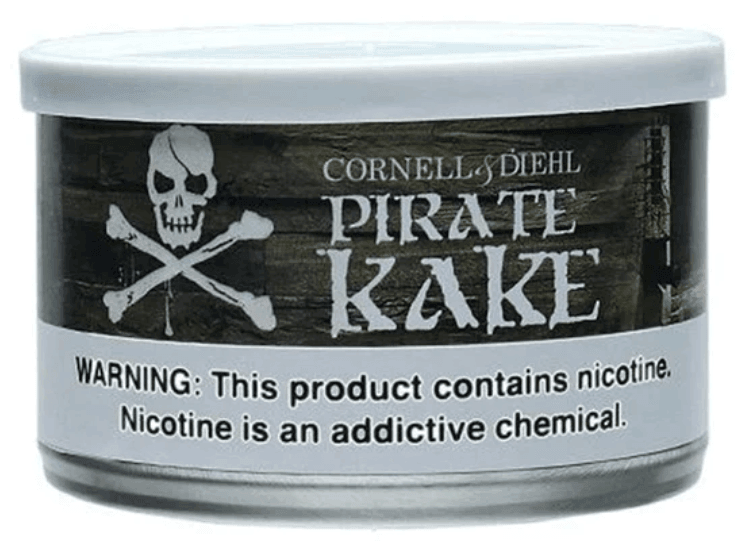
Pick up any sealed package of pipe tobacco, and the very first thing that grabs your attention isn't the cut, the moisture level, or the aroma waiting inside. It's the bold, evocative title printed across the front that instantly sparks your curiosity and sets an unspoken expectation. A clever moniker carries an uncanny power to promise a specific hour of the day, a distinct atmosphere, or a quiet refuge from a chaotic routine. Over decades of tobacco history, certain titles managed to outlast packaging overhauls, corporate sales, and changing tastes to become enduring cultural benchmarks. Figuring out why these blend titles hold such massive staying power reveals how deeply flavor, human memory, and rich storytelling intertwine across the pipe community.
The Blender’s Intent: Matching Leaf Architecture to an Evocative Label
When a master blender stands over the mixing trough, they aren't working with generic agricultural filler. They're handling mounds of distinct, cured leaves sourced from specific soils and climate zones across the globe. You have naturally sweet, flue-cured bright Virginias bursting with citrus notes, deep red Virginias rich with bready tang, and stoved black Virginias cooked until their sugars caramelize into dark molasses. Alongside those sit earthy, air-cured Burleys that provide cocoa undertones and steady burning fuel, plus dark fire-cured Kentucky cured over smoldering hardwood smoke to yield a bold, savory barbecue punch.
Then come the seasoning leaves. Blenders pull from peppery, fermented Louisiana Perique, sun-cured Greek and Turkish Orientals offering exotic floral sourness, and smoky Cyprian Latakia cured over aromatic brush. Each component burns at a different rate, packs a specific nicotine presence, and delivers a unique texture on the palate. If a blender decided to label an inventive recipe with a lifeless inventory tag like "Formula 12-B", the emotional magic of the hobby would evaporate on the spot. Pipe smoking thrives in the imagination. The title printed on the packaging serves as the vital bridge connecting raw, hand-stripped farm crops to the sensory escape waiting in the smoker's bowl.
The moniker gives your palate an immediate roadmap before you pack your pipe. If you crack open an unfamiliar blend, you want an instant sense of whether to anticipate an airy morning puff or a stout, heavy-hitting smoke built for the dead of night. A name that hints at an open campfire warns you to brace for the peat and creosote of dark Latakia. A title built around sunshine, hay, or fresh meadowlands alerts you to expect the bright, grassy tang of unflavored Virginia ribbons.
Over generations of blending heritage, titles coalesced around specific thematic traditions that seasoned smokers recognize on sight:
-
Temporal Indicators: Mixtures designed with leaf ratios calibrated to match morning coffee, midday work breaks, or solitary late-night contemplation.
-
Nautical and Seafaring Lore: Titles recalling age-old maritime trade routes where sailors twisted leaf into dense ropes soaked in rum to survive damp ocean voyages.
-
Scholarly and Contemplative Nods: Labels crafted for writers, thinkers, and readers who value an unhurried smoke next to an open book or an active writing desk.
-
Geographical and Regional Tributes: Names honoring unique growing soils, from the humid river parishes of Louisiana to the sun-drenched hillsides of the Balkans.
By wrapping a recipe in an evocative narrative, the blender offers a true companion rather than simple cured vegetation. You aren't just lighting dried leaves; you're setting aside an hour to inhabit a distinct, intentional mood.
Heritage and Legacy: Monikers That Defined Whole Blending Styles
A handful of iconic pipe tobaccos have maintained uninterrupted popularity for over half a century. They survived shifting corporate ownership, factory relocations across different countries, and sweeping regulatory overhauls. Their lasting fame isn't an accident of flashy advertising. These historic names earned their permanent status by establishing the original blueprints for entire blending families. In the minds of pipe smokers worldwide, these titles represent the gold standard against which all other mixtures must be evaluated.
Aromatic Milestones and the Smell of Front-Porch Memory
Consider the monumental rise of classic American aromatic mixtures like Captain Black. First hitting the market during the twentieth century, it rapidly captured the smoking public and stayed dominant for decades. The title suggested maritime adventure and rugged independence, yet the smoke itself delivered a mild, forgiving, vanilla-rich sweetness that anyone could enjoy.
Built on a foundation of steamed black Cavendish, mellow air-cured Burley, and sweet golden Virginia, it established the universal scent of pipe tobacco for modern society. Millions of folks who never smoked a briar in their lives still recognize that room note instantly. They recall an uncle stepping onto a crisp autumn porch, or a grandfather pulling a soft pouch or a heavy tub from his winter coat. That scent memory anchored the name Captain Black deep in the public consciousness. Even when the brand introduced variations in gold, royal, and dark packaging, the original title maintained an aura of timeless comfort.
Across the Atlantic, blends like Clan and Amphora built identical cultural staying power. Clan combined dozens of individual leaf varieties to produce an intricate, spicy, aromatic experience that became an everyday fixture across Europe. Amphora transformed Dutch-style Cavendish craftsmanship into an accessible daily staple. These blends never tried to pose as rare, untouchable luxuries. They were honest, reliable smokes packaged in pocket pouches, large tubs, and bulk Mylar bags that delivered dependable, repeatable flavor. That steadfast reliability turned simple retail names into multi-generational traditions passed down from father to son.
British Pedigree and the English Flavor Benchmark
At the opposite end of the flavor spectrum lies the historic British lineage, famously established through classic London catalogs and kept alive today under storied heritage houses. These mixtures didn't rely on syrupy vanilla casings or fruit toppings. Instead, they built a towering reputation on pure, unflavored tobaccos, utilizing the pungent, leathery aroma of Cyprian Latakia paired with dry, herbal Turkish and Greek Orientals.
The titles that emerged from this British blending tradition essentially created the working vocabulary of non-aromatic pipe tobacco:
-
Early Morning Pipe: A bright, brisk mixture of sweet Virginias and fragrant Orientals engineered to stimulate the palate without biting or feeling heavy before breakfast.
-
Nightcap: A bold, stout powerhouse combining smoky Latakia, rich Turkish leaf, and a generous dose of peppery Perique to provide a heavy, relaxing smoke before bed.
-
My Mixture 965: An all-day Scottish-style benchmark marrying brown Cavendish, earthy Latakia, and savory Orientals, originally blended as a custom recipe for an individual customer.
-
Standard Mixture: A textbook baseline of Virginia, Latakia, and Orientals that established what a balanced English mixture should taste like.
-
Elizabethan Mixture: An exquisite ribbon-cut combination of bright and red Virginias paired with spicy, dark Louisiana Perique without a single trace of Latakia.
When manufacturing licenses shifted between blending facilities over the decades, pipe enthusiasts tracked every minor detail of leaf sourcing and recipe adjustments with sharp scrutiny. Smokers cared little about corporate mergers; they demanded that any tin or heat-sealed Mylar bag carrying the name Nightcap still delivered that same peppery, full-bodied punch. That level of consumer loyalty shows that an iconic blend name operates as an enduring institution of flavor.
The Mindful Ritual: How Names Direct Your Cadence and Mindset
Nobody picks up a traditional pipe when they're in a hurry for a fast nicotine hit. Pipe smoking is an analog, slow-paced pursuit that forces you to take a breath and step away from a hurried world. You have to evaluate the moisture level of your tobacco, decide if a dense flake needs ten minutes of drying time on a cedar board, pack the chamber with an even hand, and gently tamp the burning crust to maintain a steady draft. Because the entire hobby demands patience, smokers naturally seek out blend names that mirror that calm, reflective state of mind.
When you pack a bowl of an evening-themed mixture at the end of a grueling week, the title works like a mental light switch. It reminds you to silence the smartphone, step away from digital screens, and settle into a sturdy chair on the porch. Monikers that evoke quiet nights, autumn twilights, or rustic countryside retreats serve as psychological signposts. They reinforce the reality that smoking a pipe is an exercise in deliberate relaxation.
The physical mechanics of smoking reinforce this relationship between name and routine. If you puff too hard on sweet Virginia leaf, the natural sugars overheat and bite your tongue, washing out the delicate flavors of hay and honey. You have to adapt your breathing to the pipe, taking slow, rhythmic sips that produce a cool wisp of smoke. A name that invokes stillness or open wilderness guides your pace naturally. Over time, that title becomes a trigger for relaxation. Merely spotting the label on your desk or workshop bench signals your mind that it's time to downshift gears.
Packaging Vessels: Tins, Tubs, and Heavy Mylar Bags
A massive reason why certain pipe tobacco names achieve legendary status involves the physical vessels they call home. While mass-market cigarettes arrive in disposable paper packs made for the trash bin, pipe tobacco packaging is engineered to protect, display, and age the leaf over decades. Blenders package their work in round vacuum-sealed tins, rectangular European slide-top tins, large plastic tubs, and heavy-gauge Mylar bags designed for serious bulk storage. From the nineteenth century forward, these packages served as canvases for stunning visual art.
Visual Character Across Metal Lids and Thick Foil Seals
The graphic styling printed across a tobacco container turns an everyday consumable into a treasured keepsake. When you pick up a tin of Samuel Gawith Squadron Leader, the classic painting of an open-cockpit biplane climbing through stormy clouds instantly communicates the blend's stout, vintage British personality. Other historic blenders earned cult-like followings by printing graceful clipper ships, leaping whales, or traditional hunting hounds across their packaging, creating a visual shorthand for the rich, deep leaf inside.
Metal tins don't hold a monopoly on visual charm, though. Walk into the smoking den of an experienced hobbyist, and you will see heavy-gauge, heat-sealed Mylar bags stacked neatly alongside the metal cans. Blenders supply their bulk mixtures in eight-ounce and sixteen-ounce thick Mylar packaging, finishing them with industrial typefaces, stamped batch codes, and rustic labels. These heavy-duty foil barrier bags guard the tobacco against damaging ambient light and outside oxygen, transforming a bulk leaf order into an impressive centerpiece for a home cellar.
Smokers rarely toss this packaging in the trash once the tobacco is smoked down to white ash. Metal tins are wiped clean and repurposed to hold pocketknives, brass tampers, spare pipe cleaners, flints, and fishing flies. Heavy Mylar bags, equipped with heavy-duty zip seals, are routinely saved to carry smaller sample blends on hunting trips or outdoor hikes. Because these titles stay visibly displayed on desks, workshop counters, and garage shelves, they permanently weave themselves into the owner's day-to-day life.
The Chemistry of the Cellar and Legendary Lost Monikers
Pipe tobacco boasts a fascinating biological quality that separates it from almost every other cured leaf product: when sealed securely, it gets dramatically better with age. Handmade cigars demand active humidification inside Spanish cedar boxes to keep from drying out and turning bitter, but pipe tobacco resting inside factory tins or sealed Mylar bags can mature for 20, 30, or 40 years. In those airtight conditions, continuous anaerobic fermentation transforms the leaf on a microscopic scale.
This slow aging process produces stunning chemical transformations:
-
Natural sugars inside flue-cured Virginia leaf break down, darken, and form delicate, white crystalline sugar plumes across the surface of the flakes.
-
Spicy Louisiana Perique loses its raw acidity, developing nuanced flavors reminiscent of stewed plums, dark figs, and fermented stone fruit.
-
Dark fire-cured Kentucky smooths its rough edges, trading sharp soot for a rounded hickory smoke and savory roasted walnut profile.
-
Delicate Oriental leaves lose their harsh sourness, integrating seamlessly into the sweet Virginia base to provide a silky, incense-like aroma.
Because aging elevates flavor so significantly, pipe hobbyists build dedicated cellars. They purchase their favorite blends in bulk, packing thick Mylar bags into climate-stable bins and cataloging their tins by harvest year. Storing leaf in thick foil Mylar bags has become an absolute staple of the community because the material creates a non-permeable barrier against ambient odors, blocks every photon of UV light, and easily accommodates bulky cuts like long braided ropes or dense broken flakes.
When iconic blends get discontinued due to crop shortages or company closures, their names graduate into mythical folklore. Historic blends sealed in aged tins or vintage bulk Mylar bags command staggering prices among enthusiasts. Smokers trade stories on internet boards about how an old vintage tasted compared to modern leaf, elevating a simple brand name into a treasured piece of blending history.
The Craft Renaissance: Modern Artisans and Story-Driven Blends
In our fast-moving digital era, an expanding wave of hobbyists is rediscovering tactile, heritage-driven crafts. Folks who find joy in traditional wet shaving, vintage mechanical timepieces, raw selvedge denim, and cast-iron cookware are picking up briar pipes. This new generation of smokers rejects mass-produced, faceless goods. They want to know the artisan behind the mixture, the specific farms that grew the leaf, and the narrative that birthed the recipe. That curiosity triggered a massive craft renaissance across the pipe blending world.
Independent master blenders recognized this appetite and began developing blends with bold, story-driven names that jump off the screen in digital forums and community groups. Instead of defaulting to dry, technical descriptions, modern blenders treat blend naming as an authentic literary craft that sparks intrigue and debate.
A standout example is Haunted Bookshop, crafted by the late blending icon Bob Runowski. Named after Christopher Morley’s classic 1919 novel, the title captures the blend's dry, rustic, contemplative character. Built on a foundation of stout Burley, sweet Virginia, and a seasoning of Perique, it produces an earthy, bready, leather-and-paper aroma that genuinely feels like browsing a forgotten bookstore on an overcast afternoon. The title invites lively discussion, and curious newcomers hunt it down specifically because veteran smokers debate its stout nicotine backbone and vintage character online.
In similar fashion, modern craft outfits like the Seattle Pipe Club achieved international fame by leaning hard into regional storytelling. Founder Joe Lankford hand-blended mixtures to recreate the rich depth of historic holiday treats, pressing Virginia, Latakia, Perique, Cavendish, and Orientals into thick, crumbly brownies under names like Plum Pudding. That quirky, memorable title caught fire across the internet, sparking thousands of written reviews and video discussions that transformed a small regional recipe into a modern benchmark.
Today's enthusiasts take real pride in keeping these artisan names circulating. They trade small sample portions pressed into mini Mylar pouches, post photographs of their weekly smoking rotations, and argue passionately about whether a plug cut ages better than a ribbon cut. When an artisan blend backs up an inventive name with real leaf quality, the community gladly elevates that title into a modern classic.
The staying power of pipe tobacco names isn't a cheap trick of marketing. It is the direct result of an old-world craft centered on patience, agricultural skill, and human connection. Whether a moniker earned its reputation during the age of steamships or rose to prominence through modern small-batch artisans, a great name reflects the true spirit of the leaf waiting inside the bowl.
The Lingering Warmth of a Story Well Told
When a bowl burns down, the smoke itself doesn't leave behind anything you can hold onto. That's why a standout moniker carries so much weight; it gives permanent shape to an experience that would otherwise vanish into thin air. The words become an enduring bridge between the blender's craft and the personal memories forged during those solitary pauses. In the end, the names that refuse to fade aren't just labels on a shelf, but the true heart of a timeless, unhurried tradition.
Share:
8 Reasons to Avoid Holding a Cigar with Sweaty Hands (and What You Should Do Instead)