
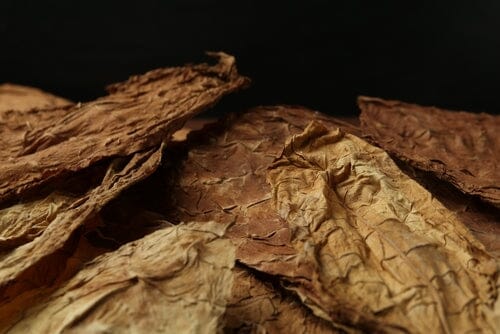
Stepping into the world of natural leaf tobacco feels like entering a hidden sanctum where history and craftsmanship collide with modern preference. You might find yourself standing at a counter, staring at massive, dark leaves that look like they were pulled straight from a Caribbean drying shed this morning. There is an unmistakable aroma in the air—sweet, earthy, and deep—that signals you’re moving away from the mass-produced and toward something far more primal. The choice between these natural options often defines the entire experience for a seasoned smoker, shifting the ritual from a simple habit to a personalized art form. Whether opting for a silky exterior or a potent interior punch, the nuances of these leaves dictate the burn, the flavor, and the satisfaction of the final product. It is a debate that has simmered in smoking circles for decades, pitting the structural integrity of one style against the raw power of another.
What is Whole Leaf Tobacco?
The concept of whole leaf tobacco is fundamentally rooted in the preservation of the plant in its most organic, unadulterated state after the curing process is complete. Unlike the homogenized sheets or chemically treated scraps found in many commercial products, this material represents the pure, untampered vegetation of the Nicotiana tabacum plant. When a farmer harvests these leaves, they are typically air-cured or fire-cured in large barns where humidity and temperature are meticulously monitored to develop specific chemical profiles. This lengthy process allows the chlorophyll to break down, transforming the vibrant green foliage into deep shades of mahogany, chestnut, or obsidian. Because the leaf remains intact from the moment it is plucked until it reaches the consumer, it retains its natural oils and resins. These organic compounds are the primary drivers of the complex flavor profiles and aromatic qualities that enthusiasts crave during their sessions. By avoiding the industrial pulverization process, the structural integrity of the leaf is preserved, offering a physical versatility that processed tobacco simply cannot replicate.
The physical anatomy of a whole leaf is a marvel of agricultural engineering, consisting of a central midrib and a network of smaller veins that distribute nutrients during growth. For the end user, this means dealing with a product that has a distinct "grain" and varying levels of thickness depending on which part of the plant the leaf originated from. Lower leaves, known as Secos, tend to be milder and thinner, while the top leaves, or Ligueros, soak up more sunlight and produce a much higher nicotine content and thicker texture. When holding a high-quality specimen, you can feel the suppleness of the tissue, which should ideally be pliable enough to bend without snapping like dry parchment. This moisture content is vital, as it serves as a natural preservative and ensures that the smoke remains cool and flavorful rather than harsh and acrid. Achieving this perfect balance of hydration requires careful storage, often involving humidity-controlled environments similar to how one might treat a fine wine or a luxury cigar. Without these natural characteristics, the experience would lose its soul, becoming nothing more than a mechanical delivery system for nicotine.
Historically, the use of whole leaves is a tradition that spans centuries, originating with indigenous cultures who recognized the plant's value for both ritual and relaxation. These early practitioners would often dry the leaves in the sun or over small fires, discovering that the method of heat application significantly altered the final taste and burn rate. As the global trade expanded, specific regions became famous for their unique soil compositions, which imparted distinct mineral notes into the foliage grown there. For instance, volcanic soil might produce a leaf with a spicy, peppery kick, while river-fed silt results in a smoother, creamier mouthfeel that lingers on the tongue. Modern enthusiasts are the beneficiaries of this multi-generational knowledge, as current cultivation techniques have refined these natural traits to an incredible degree of consistency. Even with modern technology, the core of the industry remains tied to the land, the weather, and the skilled hands of those who ferment and age the crop. This connection to the earth is a major part of the appeal, providing a tactile link to a pre-industrial era of consumption.
In the contemporary market, whole leaf products serve as the raw materials for those who prefer to "roll their own" or enhance their existing blends with a boost of authenticity. People seek out these leaves because they offer a level of transparency that is impossible to find in pre-packaged, opaque products where the contents are often a mystery. When purchasing a whole leaf, you can see every vein, every discoloration, and every shimmering oil deposit, allowing for a thorough inspection of quality before a single spark is struck. This transparency builds a sense of trust between the producer and the consumer, as there is nowhere for inferior material or additives to hide. Furthermore, the sheer size of some of these leaves—often reaching over two feet in length—provides an economical advantage for the frequent smoker who appreciates bulk value. It allows for a customized approach to every session, where the thickness and size of the wrap or filler can be adjusted to suit the mood of the moment. This versatility, combined with the rich heritage of the plant, solidifies whole leaf tobacco as the gold standard for those who take their craft seriously.
Why Do Lots of Cigar Smokers Choose Leaf Tobacco?
While the convenience of a pre-manufactured cigar is undeniable, many aficionados find that the true peak of the hobby lies in the hands-on manipulation of natural leaf tobacco. This preference is rarely about saving time; rather, it is about the pursuit of a specific sensory profile and a level of control that only raw materials can provide. Matter of fact, this hands-on approach offers a series of distinct advantages that simply cannot be replicated by anything that comes out of a machine-sealed box, such as:
-
Purity and Chemical Transparency: One of the most compelling reasons for this choice is the absolute certainty of what is being consumed, as whole leaves are free from the hidden additives found in commercial papers. Traditional manufacturing often involves "homogenized" sheets that utilize tobacco dust and chemical binders, whereas raw leaf is a single, organic entity. This purity ensures that the combustion process remains clean, preventing that sharp, artificial chemical "tang" that often ruins the back of a smoker's throat. When you hold a natural leaf, you are looking at a product of soil and sun, not a laboratory experiment, providing a peace of mind that health-conscious enthusiasts prioritize.
-
The Art of Tailored Potency: Every individual has a unique tolerance and a specific desire for the "kick" they receive, and whole leaves allow for a level of calibration that pre-rolls ignore. By choosing specific grades—such as the thicker, sun-drenched top leaves versus the milder bottom foliage—a smoker can manually adjust the nicotine concentration of their session. This means you can craft a light, airy smoke for a morning coffee or a heavy, robust hitter for a late-night wind-down without being restricted by a manufacturer's "medium-bodied" label. It turns the act of smoking into a personalized chemistry project where the desired effect is always within the user’s direct control.
-
Superior Thermal Dynamics and Burn Rate: Natural tobacco leaves possess a structural density and moisture content that promotes a much slower, more rhythmic combustion than thin wood-pulp papers. This thermal stability is crucial because it prevents the cherry from burning too hot, which would otherwise scorch the delicate oils and turn the flavor acrid and bitter. A natural leaf acts as a thermal regulator, allowing the smoke to stay cool and creamy as it travels, which preserves the intricate "top notes" of the tobacco's aromatic profile. This leads to a significantly longer session, giving the smoker more time to relax and contemplate the shifting flavors as the leaf slowly gives way to white, sturdy ash.
-
Aromatic and Flavorful Sophistication: The fermentation process of a whole leaf creates a complex bouquet of natural scents that synthetic flavorings simply cannot mimic with any degree of authenticity. When a leaf ages, its natural sugars and resins undergo a transformation that produces deep notes of cocoa, toasted nuts, and even subtle floral or citrus undertones. Enthusiasts choose these leaves because they want to taste the "terroir"—the specific characteristics of the soil and climate where the plant was raised—rather than a sprayed-on fruit or vanilla chemical. This creates a multi-dimensional sensory experience where the aroma in the room is just as pleasant and sophisticated as the taste on the palate.
-
Tactile Connection and Ritualistic Value: There’s a profound psychological satisfaction found in the physical manipulation of the leaf, from the initial stretching and hydration to the final, careful tuck of the roll. This ritual forces the smoker to slow down, turning a quick habit into a meditative practice that requires focus, patience, and a steady hand. For many, the time spent preparing the leaf is just as enjoyable as the smoke itself, as it provides a tangible connection to the agricultural heritage of the industry. Mastering the nuances of leaf tension and moisture becomes a point of pride, allowing the enthusiast to showcase their skills through a perfectly constructed, slow-burning masterpiece.
A Leaf Tobacco Debate: Grabba vs. Fronto
The rivalry between Grabba versus Fronto is less about which plant is better and more about how the smoker intends to utilize the tobacco in their daily routine. While both originate from the same high-quality crops, their preparation and physical states create two entirely different lanes for the enthusiast to travel. One side of the fence prioritizes the structural elegance of a perfect wrap, while the other side focuses on the inner fire and flavor enhancement of the blend. Deciding which one deserves a spot in your cigar smoking life requires a clear grasp of your own priorities and a willingness to experiment with different densities. Let us dive into the specifics of these two heavyweights to see where your loyalties might lie.
Contender #1: Grabba Leaf
The primary intention behind this specific preparation is to serve as the structural foundation for a session, acting as the definitive exterior for those who roll their own. It is prized for its ability to hold a substantial amount of material without succumbing to the structural failures that often plague thinner, more brittle alternatives. When you see a smoker carefully stretching a large, dark piece of foliage over a table, they are likely working with this variety to create a seamless and durable vessel. It provides a clean, consistent burn that protects the interior contents while contributing its own subtle nuances to the overall experience. Because it is meant to be handled extensively during the rolling process, it must possess a certain level of resilience that allows it to be manipulated without tearing. This makes it the go-to choice for individuals who view the construction of their smoke as an integral part of the enjoyment.
In terms of physical sensation and flexibility, this contender is characterized by a tissue-like quality that is remarkably thin and smooth to the touch. This pliancy is a result of careful selection during the sorting process, where only the most elastic and vein-free leaves are designated for this premium role. When properly hydrated, the leaf feels almost like damp leather or silk, allowing it to hug the contours of the filler material with incredible precision. This lack of bulk prevents the final product from feeling overly "toothy" or rough in the hand, creating a sleek aesthetic that rivals professional factory construction. The smoothness of the texture also translates to a more comfortable mouthfeel, as there are no protruding veins or thick ridges to distract the smoker. Such a high level of workability is what separates this grade from lower-tier options that might crack under the slightest pressure.
Visually, this leaf is a standout, typically arriving as a massive, pristine specimen that commands attention the moment it is removed from its packaging. It is rare to find significant holes or blemishes on these leaves, as they are harvested and handled with a level of care that prevents the "weathered" look of filler-grade crops. The color is often a deep, uniform brown that suggests a long, steady fermentation period where the sugars have been allowed to caramelize perfectly. To see a whole leaf spread out in its entirety is to appreciate the sheer scale of the tobacco plant, as a single unit can often be cut into several large, usable sections. This visual perfection is not just for show; it indicates a healthy plant that was shielded from the wind and insects that would otherwise mar its surface. For the smoker who values the "bag appeal" of their ingredients, this aesthetic consistency is a major selling point.
The flavor profile of this option is designed to be a supportive player rather than a dominating force, offering a robust and earthy foundation that remains smooth from start to finish. It carries the quintessential natural tobacco taste—reminiscent of a walk through a humid forest or a cedar-lined humidor—without the harsh chemical "bite" of processed wraps. There is a subtle sweetness that emerges during the middle of the burn, providing a pleasant counterpoint to any darker or more pungent materials that might be tucked inside. Because it is a higher-grade leaf, it lacks the bitter alkaloids that can sometimes ruin the palate of a less refined product. The result is a clean finish that doesn't leave a heavy, resinous coating on the tongue, making it ideal for longer sessions. It is the type of flavor that invites you to slow down and savor the nuances of the smoke rather than rushing through for the nicotine hit.
Ultimately, this preparation is viewed as the "executive" or premium tier of the leaf world, reserved for those who refuse to compromise on the quality of their exterior. Its characteristics are tailored for a specific niche of the market that values the harmony between form and function, where the wrap is just as important as the filler. It requires a bit more finesse to handle correctly, as its thinness means it can dry out quickly if left exposed to the air for too long. However, once mastered, the results are undeniable, providing a professional-grade experience that is difficult to achieve with any other natural material. It represents the peak of wrapper-grade cultivation, embodying the dedication of the farmers who strive for visual and structural perfection. For the enthusiast who wants their roll to look as good as it tastes, there is simply no substitute for this level of craftsmanship.
Pros & Cons
Selecting this as your primary material involves weighing the benefits of its elegant construction against the meticulous care required to maintain its high standards. It is a choice for the patient smoker who appreciates the finer details of the craft and doesn't mind a bit of extra preparation.
Pros:
-
Exceptional Elasticity: The thin, silk-like texture allows for an incredibly tight and secure roll that won't unravel during use.
-
Clean Burn Profile: It produces a minimal amount of ash and maintains a steady combustion rate that prevents the smoke from going out prematurely.
-
Aesthetic Brilliance: The large, dark, and pristine appearance provides a sense of luxury and pride in the final handmade product.
-
Balanced Palate: Its smooth and earthy flavor notes complement a wide variety of fillers without overwhelming the natural taste of the blend.
-
Efficiency of Scale: A single large leaf can be portioned out into numerous wraps, providing excellent value for the discerning consumer.
Cons:
-
Environmental Sensitivity: Because it is so thin, it is highly susceptible to drying out or becoming brittle if the humidity isn't perfectly maintained.
-
Precision Requirement: The delicate nature of the leaf means that beginners may find it challenging to handle without causing accidental tears or punctures.
Contender #2: Fronto Leaf
In stark contrast to the previous option, this style of tobacco is fundamentally designed for those who want to amplify the intensity and character of their smoke from the inside out. It is rarely used as a standalone wrap; instead, it is typically transformed by the user, who might break it into jagged strips, crush it into a coarse powder, or grind it into fine flakes. This material is meant to be integrated into the heart of the blend, acting as a potent "booster" that changes the chemistry of the entire session. By mixing these dark, fermented pieces with other herbs or lighter tobaccos, the smoker can create a custom experience that is far more powerful than the sum of its parts. It is the secret ingredient for many who feel that standard blends are too airy or lack the "thump" they desire.
The physical makeup of this contender is one of raw strength and durability, featuring a much thicker and more robust tissue compared to its wrapper-grade cousin. When you hold it, you can feel the substantial weight and the "toothy" texture of a leaf that has undergone a much more intense curing or fermentation process. This thickness is a deliberate trait, as it allows the leaf to retain a massive concentration of oils and nicotine that would be lost in a thinner specimen. It is not meant to be supple or pretty; it is meant to be resilient enough to be pulverized or torn without losing its aromatic potency. This rugged nature makes it much easier to store in less-than-ideal conditions, as it can withstand a bit of drying or rough handling without losing its core value. It is the "workhorse" of the tobacco world, valued for its content rather than its complexion.
When it comes to the visual presentation, this leaf often reflects the darker, more aggressive side of the curing barn, frequently appearing in shades of charcoal, deep mahogany, or even near-black. It is common to find these leaves sold as pre-cut strips or slightly "weathered" whole leaves that may have more visible veins or irregular edges. These imperfections are irrelevant to the intended use, as the leaf will ultimately be broken down into smaller components anyway. The dark color is a visual indicator of the fire-curing process, where smoke from specific hardwoods is used to dry the leaf, infusing it with deep pigment and a distinctive scent. Seeing these dark, leathery pieces sitting in a jar is a clear signal to the experienced smoker that they are dealing with a product that is not for the faint of heart. It possesses an "unrefined" charm that speaks to a more rustic and traditional way of consuming tobacco.
The flavor experience provided by this material is a literal explosion of intensity, often described as spicy, pungent, and deeply savory. Some variations are even referred to as "hot" because of the peppery tingle they leave on the back of the throat and the tip of the tongue. It carries heavy notes of hickory, peat, and aged leather, creating a profile that is much more aggressive than the smooth earthiness of a wrapper leaf. This intensity is exactly why it is used as a mixer; a small amount can transform a bland, flavorless blend into something that is rich, complex, and deeply satisfying. It provides a heavy mouthfeel that lingers long after the smoke has been exhaled, providing a "full-bodied" sensation that many veterans crave. For those who find standard tobacco to be too subtle, this spicy kick is the definitive solution.
The defining characteristic of this choice is the sheer magnitude of the nicotine delivery and the raw impact it has on the senses. It offers a much more immediate and potent "head change" that is favored by those who use tobacco for its physiological effects as much as its flavor. Because the leaf is thicker and more oil-dense, it releases its chemical compounds more slowly and steadily, ensuring a long-lasting impact throughout the session. It represents a more functional approach to tobacco, where the primary goal is satisfaction and potency rather than the artistic merit of the roll. It’s a favorite in urban centers and among those who prefer a "spliff" style of smoking, where the tobacco acts as a catalyst for other ingredients. This reputation for power has made it a staple in the kits of those who want their tobacco to make a loud and unmistakable statement.
Pros & Cons
Embracing this more intense option means prioritizing raw power and flavor enhancement over the structural elegance of the final product. It’s a choice for the bold smoker who wants to push the boundaries of what a session can provide in terms of strength and sensory impact.
Pros:
-
High Nicotine Density: It provides a significantly stronger physiological effect compared to thinner, lighter grades of tobacco.
-
Intense Flavor Amplification: The spicy and smoky notes act as a powerful seasoning that can rescue even the most mediocre blends.
-
Extreme Versatility: It can be used in numerous ways, from fine grinds to large strips, allowing the user to dictate the exact burn rate.
-
Durability and Longevity: The thick, oily nature of the leaf makes it much more resistant to environmental damage and shelf-life degradation.
-
Cost-Effective Potency: Being so strong, a very small amount goes a long way, thus making a single leaf last for an extended period.
Cons:
-
Potential for Harshness: If used too heavily, the intense flavor and nicotine content can become overwhelming or irritating to the throat.
-
Limited Wrapping Utility: Its thickness and irregular texture make it a poor choice for those looking to create a smooth, professional-looking exterior.
A Final Reflection on the Leaf
Choosing between these two legendary styles of tobacco is not a matter of finding a winner, but rather identifying which personality aligns with your current smoking ritual. One offers the silent, sophisticated elegance of a masterfully crafted wrapper that elevates the aesthetic and smoothness of every draw you take. The other provides a rugged, high-octane boost of flavor and potency that transforms a simple session into a deeply visceral and memorable experience. Both represent a commitment to the natural beauty of the plant and a rejection of the sanitized, mass-produced alternatives that lack soul and character. By experimenting with the delicate pliancy of a premium wrap or the spicy intensity of a crushed filler, you’re participating in a tradition that spans generations of tobacco enthusiasts. In the end, the true beauty of the whole leaf market lies in its ability to cater to every nuance of human preference, ensuring that your personal craft remains as unique as the leaves themselves.
Share:
A Chilly Stogie Question: Can You Freeze a Cigar?
The Finishing Pipe Choice: Rustic vs. Sandblast vs. Smooth