
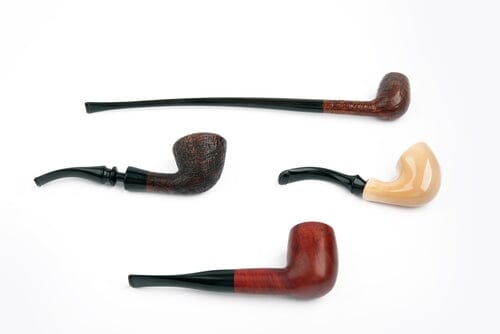
Holding a tobacco smoking pipe is an exercise in manual grounding, a physical weight that forces the frantic pace of a modern afternoon to finally drop away. You aren't merely clutching a utilitarian object; you are cradling a piece of geological and botanical history that has been transformed by fire and human ingenuity. The specific texture beneath your fingertips—whether it mimics the craggy bark of an ancient oak or the polished sheen of a river stone—serves as the primary bridge between your senses and the ritual of the ember. Every ridge, valley, and glassy plane on the bowl’s exterior dictates the temperature of the wood and the security of your grip as you settle into a favorite chair. This choice of finish is the final signature on your personal experience, defining the character of the tool that will likely accompany you through years of quiet contemplation. It is a decision that moves beyond simple aesthetics, reaching into the heart of how you prefer to engage with the natural world through a slow, deliberate cadence.
Smoking Pipes 101
The smoking pipe is a marvel of thermal engineering hidden within the deceptive simplicity of a wooden bowl and a slender stem, serving as a dedicated vessel for the slow combustion of botanical leaves. At its core, the object is traditionally crafted from the root burl of the Mediterranean briar tree, a material prized above all others for its incredible natural resistance to fire and its porous ability to absorb moisture during the smoking process. This dense, rugged wood spends decades growing beneath the rocky soil of sun-drenched hillsides, absorbing minerals and developing a complex grain structure that must be carefully harvested, boiled, and dried for years before it ever reaches a carver’s workbench.
Within the chamber of the bowl, a precision-engineered environment allows an ember to smolder at a steady temperature, releasing the nuanced flavors of a pipe tobacco blend without scorching the exterior wood or overwhelming the palate. The physics of this process require a delicate balance of airflow and insulation, as the wood must contain the heat of the fire while remaining comfortable enough for the smoker to hold in their bare hand for an hour or more.
Consequently, the pipe is far more than a mere delivery system; it is a sophisticated instrument designed to manage the interplay of fire, oxygen, and organic material for a refined sensory result. This internal architecture—consisting of the bowl, the shank, and the draft hole—must be drilled with mathematical accuracy to facilitate a smooth, effortless draw that prevents the smoke from running hot or becoming acrid.
The anatomy of a well-made pipe extends beyond the wooden components into the stem and mouthpiece, which are typically fashioned from resilient, comfortable materials like vulcanite, ebonite, or high-grade acrylic. This synthetic extension serves as the ergonomic interface between the smoker and the tool, requiring a seamless transition where the wooden tenon fits into the shank’s mortise to create an airtight seal.
A master artisan pays meticulous attention to this junction, ensuring that the lines of the briar flow into the dark silhouette of the stem without any awkward gaps or structural imbalances that could disrupt the visual harmony. The internal airway must continue through the stem with a consistent diameter, often tapering slightly toward the bit to compress and then broaden the smoke as it enters the mouth. This hidden geometry is vital for flavor delivery, as any turbulence in the airway can cause moisture to condense, leading to a bitter taste or an uncomfortable "gurgle" during the session. The bit itself features a small, raised ridge known as the button, which allows the smoker to comfortably clench the pipe between their teeth, freeing their hands for other tasks like reading or writing.
Every measurement in this assembly is calculated to achieve a perfect weight distribution, ensuring the pipe hangs naturally from the jaw without causing unnecessary strain or fatigue.
Engaging with a pipe is a deeply ritualistic practice that encourages a rejection of the "instant" culture dominating the contemporary landscape, favoring instead a patient, disciplined approach to leisure. Before the first flame ever touches the wood, the smoker must master the subtle art of packing the chamber, a process where the density of the leaf is carefully managed to allow for a steady, rhythmic burn. This preparation requires a level of attentiveness and manual dexterity that fosters a meditative state, forcing the mind to narrow its focus to the immediate textures and scents of the material.
Lighting the bowl isn’t a singular event but a two-part dialogue, starting with a "charring light" to expand the fibers and followed by a "true light" to establish a consistent, low-heat smolder. Throughout the duration of the smoke, the user must maintain a steady cadence of breath, gently coaxing the flavor forward without over-stoking the ember or causing the wood to overheat. This relationship between the smoker and the object is one of stewardship, as the pipe must be cleaned, rested, and cared for after every use to preserve its structural integrity and flavor profile. Over time, the wood absorbs the oils of the tobacco and the touch of the owner, developing a deep, unique patina that serves as a physical record of every quiet moment spent in its company.
Why Texture Matters for a Smoking Pipe?
The surface finish of a pipe is the primary way the wood communicates with your tactile senses, influencing the thermal performance of the bowl and the overall security of your hold during a session. While the visual appeal of the grain is undeniably important, the way the fingers interact with the peaks and valleys of the briar creates a deeper, more intimate connection to the ritual:
-
Advanced Thermal Dissipation: A heavily textured surface significantly increases the total surface area of the bowl, allowing it to act as a natural radiator that sheds heat into the surrounding air much faster than a flat, smooth plane.
-
Ergonomic Security and Purchase: Rugged finishes provide a much higher coefficient of friction, which is particularly beneficial for those who enjoy smoking while walking outdoors, gardening, or in humid environments where a polished surface might become slick.
-
Weight Reduction and Jaw Comfort: The processes of sandblasting and rustication involve the intentional removal of softer wood fibers, often resulting in a significantly lighter pipe that is easier to clench in the teeth for long durations.
-
Camouflage for Natural Anomalies: Briar is a natural product that often contains tiny "sand pits" or surface inclusions; deep texturing allows an artisan to utilize a block of wood that might have minor cosmetic flaws while turning them into a beautiful, rugged landscape.
-
Resilience to Physical Impact: Textured pipes are famously robust and forgiving, as they naturally hide the small nicks, scratches, and "desk rash" that might otherwise mar the mirror-like surface of a high-polish smooth pipe.
-
Sensory Feedback and Meditative Touch: Running a thumb over the craggy peaks of a rustic finish provides a grounding tactile experience that many enthusiasts find adds a profound layer of relaxation and physical focus to their quiet time.
The Finishing Pipe Choice: Rustic vs. Sandblast vs. Smooth
Deciding on a specific finish is the final step in matching a pipe to your personal lifestyle, sensory preferences, and the environment in which you intend to relax. This selection dictates the entire visual and tactile language of the object, determining whether it feels like a rugged, weathered tool plucked from a storm-swept shore or a refined, polished heirloom meant for a formal study. Each finishing method interacts with the natural briar in a unique way, highlighting different aspects of the wood's internal biology while fundamentally altering how the heat of the fire reaches your palm. By weighing the relative merits of the rustic, the sandblasted, and the smooth, you can curate a rotation that offers a diverse range of experiences tailored to your shifting moods and requirements.
Rustic Pipes
Rustication is a bold, manually intensive finishing style where the carver uses specialized hand tools to aggressively gouge, etch, or press a rugged pattern into the exterior surface of the briar bowl. Unlike other finishes that follow the wood's inherent growth rings, this method is a deliberate act of artistic intervention that prioritizes physical texture and a "handmade" feel above the natural grain. The artisan might utilize a variety of custom-made tools, such as clusters of sharpened nails or specialized rotary bits, to create a topography that can range from sharp, mountain-like peaks to soft, coral-like structures. This results in a pipe that feels incredibly substantial and secure in the hand, offering a grip that is unrivaled by any other stylistic choice in the world of fine briar. Because the entire process is dictated by the specific pressure and rhythm of the maker's hand, no two rustic pipes are ever truly identical, providing a level of individuality that many collectors find deeply appealing. It is a finish that celebrates the energetic, manual side of the craft, transforming a raw block of wood into a one-of-a-kind functional sculpture.
The primary physical benefit of a deeply rustic finish is its exceptional ability to stay cool during a long session, even if the smoker tends to have a more aggressive or "hot" cadence of breath. Because the surface area is so massively expanded by the countless ridges and valleys, the bowl functions like a built-in cooling system that dissipates thermal energy before it can become uncomfortable to the touch. This makes rustic pipes the true workhorses of any collection, perfect for the enthusiast who wants a reliable, low-maintenance tool that can handle a variety of blends without demanding constant vigilance. Additionally, the rugged nature of the finish means it is far less delicate than a polished surface, making it the ideal companion for vigorous outdoor adventures like fishing, camping, or hiking through the woods. A rustic pipe can be tucked into a jacket pocket or laid down on a rough stone surface without the constant fear of ruining a sensitive aesthetic or leaving a permanent scratch. It is a finish that actively embraces the inevitable wear of a life well-lived, seemingly gaining more character and history with every minor scuff it receives over the years.
Visually, a rustic finish offers a high-contrast, dramatic aesthetic that can be further enhanced by the strategic application of multi-toned wood stains to the bowl. The darker pigment often settles deep into the recesses of the carving while the higher ridges are buffed back to a lighter shade, creating a sense of three-dimensional depth and movement that is captivating to the eye. This style strongly appeals to those who favor a more "earthy" or "traditional" look, as it successfully evokes the textures of ancient tree bark, volcanic rock, or weathered canyon walls. Over time, the natural oils from the smoker's hands will interact with the finish, gradually deepening the color and smoothing out the sharpest edges in a way that reflects the pipe's specific history of use. This natural evolution creates a deeply personal patina that belongs exclusively to the owner, effectively turning the pipe into a visual and tactile diary of their time spent in quiet reflection. The rustic pipe is not just a tool for the leaf; it is a rugged, permanent testament to the enduring appeal of hand-wrought craftsmanship and the beauty of intentional, manual imperfection.
Sandblasted Pipes
Sandblasting is a fascinating technique that uses high-pressure abrasive media to strip away the softer wood fibers of the briar, leaving the harder, more resilient grain standing out in high relief. This process reveals the "skeleton" of the wood, exposing the natural growth rings and intricate vascular patterns in a stunning three-dimensional display that a smooth finish could never replicate. Unlike rustication, which imposes a pattern on the wood, sandblasting honors the tree's decades of growth, bringing the secret, underground history of its biological development into the light. A "ring grain" blast will show concentric circles around the bowl, while a "flame grain" blast will result in vertical ridges that look like frozen tongues of fire. It is a collaborative effort between the machine and the material, where the artisan must carefully guide the abrasive stream to highlight the wood’s best features without eroding the overall shape of the pipe.
From a physical standpoint, sandblasted pipes are often the lightest in a collection because a substantial amount of the softer, internal wood weight is removed during the abrasive process. This makes them a perennial favorite for smokers who prefer to clench their pipes in their teeth for long periods while they read, write, or work with their hands. The weight reduction is immediate and noticeable, turning a large, imposing bowl into a featherweight instrument that does not strain the jaw or the teeth. Additionally, the blasted surface provides excellent heat dissipation similar to a rustic finish, but with a more "ordered" and organic feel to the hand. The texture is stimulating without being overly sharp, providing a grounding tactile experience that feels like running your fingers over a piece of ancient, weathered driftwood found on a rocky shore. It represents a masterclass in how industrial techniques can be used with precision to accentuate and celebrate the inherent, natural beauty of an organic material.
Aesthetically, a sandblasted pipe is a celebration of the raw honesty of the briar, as the process highlights the structural reality of the burl rather than trying to mask it with polish. A deep, "shaggy" blast is often seen as a mark of high-quality wood, as only the densest and most consistent grain can survive such an aggressive process without looking muddy or crumbling. When stained, the open pores of the blasted wood absorb color deeply, allowing for rich, multi-toned finishes that emphasize the contrast between the ridges and the valleys of the grain. Many collectors find that a high-quality sandblast strikes the perfect middle ground between the aggressive ruggedness of a rustic pipe and the formal elegance of a smooth one. It is a finish that constantly rewards close tactile inspection, as the smoker's fingers can trace the physical lines of the wood's growth as if reading a story in braille. This deep, physical connection to the life of the plant adds a profound layer of context to the experience that is difficult to find in more synthetic or mass-produced leisure objects.
Smooth Pipes
The smooth finish is traditionally regarded as the absolute pinnacle of the pipe maker's art, as it demands the highest possible grade of raw briar and the most meticulous attention to detail. To achieve this pristine look, a carver must start with a block of wood that is virtually free of surface defects, "sand pits," or internal fissures that would be exposed by the sanding process. The bowl is sanded through dozens of progressively finer grits until the surface is as level and reflective as a sheet of glass, followed by a high-speed buffing with carnauba wax to create a mirror-like shine. This finish is designed to showcase the "straight grain" or "bird's eye" patterns of the wood in their most pristine and unadulterated form. Because perfect, flawless briar is so statistically rare, smooth pipes are often the most highly prized pieces in any enthusiast's rotation, representing a "gold standard" of natural beauty. There is nowhere for a carver to hide on a smooth bowl; every line must be perfect, and every natural feature of the wood is left completely naked to the observer’s eye.
Holding a smooth pipe is a sensory experience defined by sleekness and elegance, feeling more like a polished gemstone or a piece of heirloom jewelry than a simple piece of wood. The surface is cool and incredibly responsive to the touch, and because there are no ridges or valleys to dissipate heat, the smoker must maintain a very disciplined and attentive cadence. This encourages a slower, more mindful approach to the ritual, as the smoker can feel the subtle temperature shifts of the wood directly against their skin. For many purists, this direct connection to the heat is a desirable feature, as it serves as a tactile gauge that tells you exactly when to slow down your draw to preserve the flavor of the leaf. A smooth pipe doesn't just look sophisticated; it demands a sophisticated level of control and respect from the person holding it during the session. It remains the primary choice for the aesthetic purist who values the unadorned beauty of nature’s growth patterns above all other stylistic interventions.
Over the decades, a smooth pipe undergoes a spectacular and highly coveted visual transformation as the natural oils from the tobacco and the skin of the smoker seep into the wood. This "coloring" process causes the wood to darken and develop a rich, glowing patina that gives the object a sense of history and permanence. A light tan or "natural" pipe will gradually mature into a deep, regal mahogany or a rich, dark cherry color, with the grain lines becoming even more prominent as the background wood deepens in tone. This evolution turns the pipe into a living, breathing record of the years spent in its company, with the final color being a direct result of the specific blends smoked and the frequency of the sessions. There is a profound sense of satisfaction in watching a flawless smooth pipe slowly transition into a dark masterpiece over the course of a lifetime of use. It is ultimately an investment in the distant future, promising a unique beauty that only grows more profound, personal, and impressive with the steady passage of time.
A Smoking Pipe's Tactile Signature Holds a Personal Legacy
Your decision on a pipe finish creates a permanent signature on a tool that will likely outlast every other hobby on your shelf. A deep sandblast or a mirror-finish smooth isn't just a cosmetic layer, but a structural commitment to a specific sensory reality. As the years pass and the wood darkens, the texture becomes a physical map of every quiet afternoon you’ve spent in its company. This isn't just about selecting an aesthetic; it's about claiming the specific piece of briar that feels most right when the rest of the world gets too loud.
Share:
A Leaf Tobacco Debate: Grabba vs. Fronto
Which Humidor Exterior Material is Best For Protection and Appearance?