
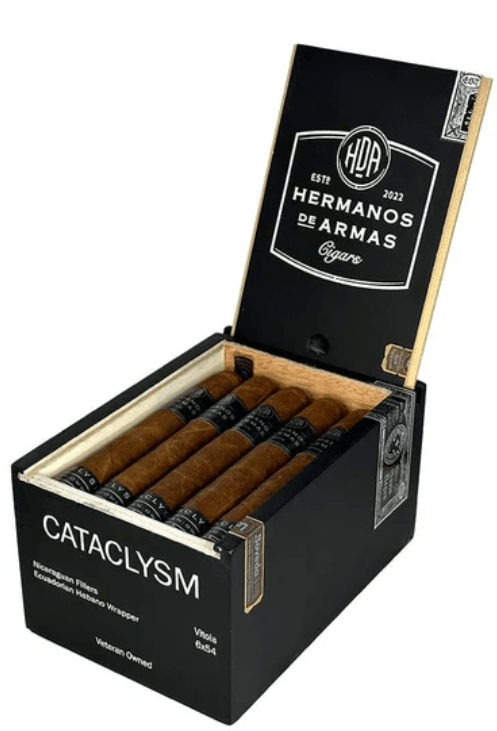
Opening a fresh package of premium cigars brings an immediate sense of anticipation before you ever strike a flame. Whether you swing open a hinged wooden chest, slide off a smooth cedar top, or snap open a compact metal lid, how your smokes are packaged sets the tone for your whole ritual. Beyond great looks on a shelf, factory packaging shields delicate tobacco leaves from physical damage while locking in essential natural oils. Choosing between a full-sized box and mid-sized or small-sized tin, simply shapes where, when, and how easily you can enjoy a quality blend.
What are Premium Cigars?
A true premium cigar stands far apart from ordinary mass-produced products because it relies completely on handcrafted skill and unblended, long-filler tobacco leaves. Master blenders carefully pick aging leaves harvested across world-renowned tobacco regions in Nicaragua, the Dominican Republic, and Honduras. These full, uncut long-filler leaves run the entire length of the smoke to create smooth airflow alongside a steady, controlled burn from the foot to the cap. Cheap machine-made alternatives resort to chopped scrap tobacco held together with paper binders that burn fast, run hot, and taste harsh on the palate. Skilled rollers bundle these premium filler leaves entirely by hand, applying precise manual tension so the draw feels smooth without feeling too loose or tight. A sturdy binder leaf wraps tightly around the filler core, securing the structure before setting up the outer wrapper for flawless placement. That authentic handcrafting yields a refined smoke that fast factory shortcuts can never replicate.
The outer wrapper leaf serves as the visual highlight of every fine stogie while contributing a massive portion of its flavor profile. Growers cultivate these delicate leaves under white shade cloth or out in full sunlight to craft specific leaf textures and natural oil densities. Darker wrappers like Maduro or Mexican San Andrés supply rich notes of dark chocolate, espresso, and spicy earth developed through extended fermentation. Lighter leaves like Connecticut Shade offer silky smooth profiles marked by toasted nuts, light cream, and natural cedar. Fermentation remains a vital phase where harvested leaves sit in giant piles called pilones to purge ammonia and harsh compounds naturally over time. Patient curing creates deep aromatic complexity that no shortcut or artificial heating process can reproduce. Skipping these crucial curing steps leaves behind an unpleasant sourness that spoils even the finest harvest.
Excellent physical construction determines how reliably a hand-rolled blend burns from the second you light the foot. Experienced factory workers inspect every single bundle for tight spots or loose pockets before securing the final leaf with natural vegetable gum. Solid technique prevents annoying burn defects like tunneling or canoeing, where one side burns down far faster than the rest. Proper internal density allows air to flow freely, creating abundant cool smoke without forcing you to puff too hard. Quality managers test completed bundles using specialized draw equipment to catch airflow problems before shipping out product to customers. This strict attention to physical detail guarantees that every stogie performs exactly as the blender intended. Such rigid construction standards elevate premium smokes above everyday convenience choices.
Extended aging converts raw, aggressive tobacco into a balanced, silky smoke full of subtle flavor nuances. Harvested leaves spend months resting inside Spanish cedar vaults so sharp tannins can fade away naturally. Oils from the filler, binder, and wrapper slowly blend together during this quiet storage period to round out the smoke. Young tobacco often tastes overly sharp or peppery, whereas properly aged leaves deliver smooth warmth with a hint of natural sweetness. Top brands hold back inventory until their blends reach peak maturity inside climate-controlled factory rooms. Giving the tobacco ample time to rest results in a clean burn that forms a tight, light-gray ash down to the nub. That patience translates directly into a high-grade smoking experience every single time you light up.
Proper climate management maintains this carefully crafted balance long after boxes leave factory floors. High-grade tobacco acts like a natural sponge, soaking up moisture or drying out quickly depending on its surrounding air. Maintaining humidity between sixty-five and seventy percent keeps delicate wrapper leaves soft and essential oils active. Overly dry conditions crack outer wrappers, cause hot burns, and create harsh, unpleasant smoke. Excess moisture leads to soggy draws, uneven burns, and the dreaded risk of mold growing across your collection. Packaging plays a huge part in how well these delicate smokes withstand climate shifts during shipping and home storage. That leads right into looking at how traditional boxes and portable tins protect your daily smokes.
Premium Cigars in a Box vs. Premium Cigars in a Tin
Deciding between factory boxes and small or mid-sized tins boils down to your personal routine and where you like to enjoy a smoke. Traditional boxes excel at long-term storage and look fantastic sitting on a desk or inside a home humidor setup. Compact tins cater to active stogie fans who want rugged protection and rapid convenience while out on the town. Weighing the distinct features of both packaging formats helps you pick the right setup for your favorite smokes.
Cigars in a Box
Factory boxes have long been the main standard for packaging handmade stogies, but they come in far more materials than basic cedar. Traditional dress boxes feature heavy paperboard wrapped in decorative paper branding, while cabinet boxes showcase raw Spanish cedar designed for breathing. Modern brands also package premium cigars in sleek acrylic display boxes, glossy lacquered hardwood chests, and even collectible metal presentation boxes. Spanish cedar inserts or linings remain common across these various box styles because cedar helps regulate moisture while imparting subtle woody notes. Box quantities typically range from 10 to 25 full-sized vitolas like Toros, Robustos, or Churchills. Opening a fresh factory box delivers a rich blast of aroma and an impressive visual layout that instantly elevates your collection.
The physical lids on cigar boxes vary widely depending on the brand design and intended storage style:
-
Classic hinged chests utilize sturdy rear hardware and front brass clasps to lock the top securely over the base.
-
Cabinet-style wooden boxes frequently feature removable slide lids that pull smoothly along those side grooves to give quick top access to stacked rows.
-
Press-fit lift-off lids rest flush against internal collar rims, forming a clean seal without needing heavy metal hinges.
-
Magnetic closures are also gaining popularity on modern lacquered chests to provide a smooth, snap-tight shut every time you close up your box.
Each lid mechanism offers a unique physical feel while maintaining internal humidity steady across your stored blends.
Now, larger box containers offer an exceptional environment for aging your smokes over extended periods. Whether crafted from breathable cedar, heavy paperboard, or rigid composite, a closed box traps natural tobacco oils so flavors meld together smoothly. Collectors often store sealed boxes inside humidors for years to soften strong peppery notes into mellow cocoa or leather tones. Unfinished wooden slide-lid boxes maximize cedar interaction, while sealed dress boxes maintain humidity steady during transit. Purchasing full box quantities also lowers your cost per smoke compared to grabbing individual singles off a retail shelf. That makes box purchases a smart choice for filling up your home humidor with your core favorite blends.
Obviously, storing boxed stogies maintains your main collection neatly organized while protecting fragile wrapper leaves from physical damage. Stacking sturdy rectangular boxes on humidor shelves makes managing your inventory simple and visual. Rigid box walls prevent delicate heads and foot ends from getting crushed under accidental pressure. While smaller paperboard or tin boxes offer decent portability, full-sized wooden or acrylic boxes are built strictly for stationary storage. They remain the top choice for enthusiasts who savor the ritual of selecting a smoke at home. Setting a handsome box on your desk creates a classic centerpiece that highlights the craft behind your tobacco choices.
Pros & Cons
There are some benefits and a couple of drawbacks to be mindful of when choosing pre-packaged boxed cigars.
Pros:
-
Multiple Material and Lid Styles: Gives you plenty of choices, from classic aromatic cedar cabinets and sturdy paperboard dress boxes to sleek acrylic chests with smooth sliding, magnetic, or hinged tops.
-
Optimal Environment for Long-Term Aging: Traps essential tobacco oils inside cedar-lined or unvarnished walls, letting strong peppery notes soften into mellow, complex flavors over several months or years.
-
Better Overall Value Per Smoke: Buying full box quantities drops your unit cost significantly compared to picking up singles one by one, making it smart for stocking your favorite daily drivers.
-
Solid Structural Defense: Heavy wooden, acrylic, or composite outer walls shield fragile wrapper leaves from physical pressure, scuffing, or accidental crushing during storage and handling.
-
Generous Storage Capacity: Houses ten to twenty-five full-sized vitolas like Toros or Churchills in a neat, visual layout that makes managing your home humidor inventory easy.
Cons:
-
Bulky Physical Size: Takes up a lot of shelf space inside your main setup and proves way too large or heavy to slide into a jacket pocket for a quick trip out.
-
Requires Consistent Humidor Control: Unsealed wood and paperboard dress boxes draw moisture away from your cigars if left out in ambient air, meaning you must store them inside a climate-controlled humidor to stop your stogies from drying out.
Cigars in a Tin
Metal tins supply a tough, lightweight packaging format created for active smokers who stay on the move. These versatile containers come in both small and medium sizes to match the exact dimensions of the smokes resting inside. Compact small tins comfortably house slender cigarillos or short panatelas, while medium-sized tins accommodate thicker coronas and Robusto-style vitolas. Hard metal walls protect fragile tobacco from getting crushed inside jacket pockets, backpacks, or glove boxes. Most tins use press-fit lids or rubber gaskets to block dirt and hold in factory moisture during quick trips. Opening a pocket tin offers instant gratification without the hassle of hauling heavy accessories around.
Matching tin dimensions directly to cigar scale gives you total control over how much time you dedicate to a smoke. Smaller ring gauge vitolas in mini tins yield rich, satisfying flavor during a quick twenty-minute break. Medium tins carry slightly larger smokes that deliver a fuller forty-minute session without forcing you to carry a full box. Master blenders craft these travel formats using high-grade long-filler or select medium-filler tobacco cuts. Tins usually hold 5-10 sticks, making them a fantastic way to try new blends without spending big money. Having a few different sized tins on hand gives you easy flavor variety whenever your schedule opens up.
Sealed metal walls keep outside air out, preserving factory fresh condition during short weekend getaways. Many cigar makers now slip mini humidity control packs right inside both small and medium tins to extend shelf life. Non-porous metal cannot absorb or release moisture like cedar, so tins are not meant for long-term aging. They excel as portable travel cases designed for quick enjoyment rather than decades of humidor storage. Pairing portable tins with traditional home boxes gives you total flexibility for any smoking occasion.
Pros & Cons
Take a look at these main advantages and limitations when deciding if tin packaging suits your cigar preferences.
Pros:
-
Versatile Sizing Options: Offers small and medium containers tailored to housing everything from slender, quick-burning cigarillos up to wider coronas and Robusto formats.
-
Maximum Pocket Portability: Fits smoothly into jacket pockets, glove compartments, or golf bags for effortless, lightweight transport wherever your day takes you.
-
Crushproof Structural Defense: Hard metal casing guards delicate wrapper leaves against bent stems, cracked caps, or heavy physical impact while you're on the move.
-
Accessible Trial Size: Lets you taste and explore top-shelf blends in five to ten-count batches without committing to the higher cost of a full twenty-count box.
-
Built-in Freshness Seal: Tight-fitting lids and included mini humidity control packs keep your smokes ready to light straight out of the case during weekend travel.
Cons:
-
No Long-Term Aging Potential: Non-porous metal walls block essential airflow and lack Spanish cedar lining, meaning they can't interact with tobacco leaves to mature or deepen flavors over time.
-
Limited Capacity and Format Sizes: Houses compact five to ten-count quantities rather than full collections, and won't fit long classic vitolas like Churchills or Lanceros.
Framing Your Personal Tobacco Philosophy Based on Packaging
Your choice of packaging says a lot about how you integrate handcrafted tobacco into the cadence of your daily life. Opting for a factory box honors the patient, stationary ritual of letting long-filler leaves mature in a quiet home humidor until special moments arrive. Reaching for a rugged tin reflects an active lifestyle that values immediate quality, quick satisfaction, and durable protection on the fly. Matching container design to your schedule turns every smoking session into an intentional, rewarding experience from the moment you open the case.
Share:
Which Premium Cigars Go Great with a Cup of Coffee?
Best Pipe Tobacco Blends to Smoke in the Daytime