
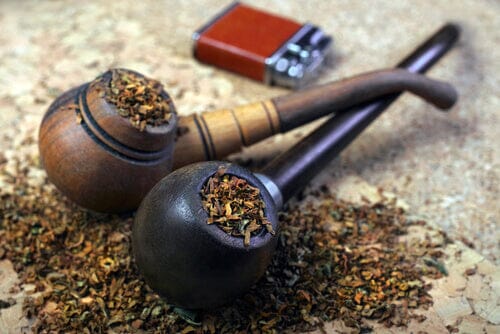
Opening a fresh tin, can, pouch, or bag of pipe tobacco brings a sensory rush that every enthusiast recognizes instantly, a moment where expectation meets the reality of the leaf. You expect the same notes of hay, leather, or smoke to greet you exactly as they did when you last cracked that specific seal. Yet, every smoker eventually encounters that strange moment where a familiar mixture hits the palate with a completely foreign personality. It isn't a manufacturing error or a trick of the mind; it’s a reflection of the living, breathing nature of the tobacco itself. The experience of a bowl is a fleeting intersection of environment, chemistry, and personal technique that rarely repeats itself with perfect precision.
The Specialized Architecture of Pipe Tobacco
To grasp why a smoke might taste distinct from one day to the next, we have to clarify what is actually sitting in the bowl. Pipe tobacco is fundamentally a different beast than the leaf used in cigarettes or even cigars. While other kinds of tobacco is processed for rapid, high-heat combustion and consistent nicotine delivery, pipe tobacco is grown and treated as a culinary component. Pipe tobacco is selected for its ability to withstand long periods of slow fermentation and for its capacity to hold complex "casings"—natural sugar-based washes—that balance the acidity of the raw leaf. The goal here isn't a quick fix; it’s a controlled, low-temperature smolder that releases volatile oils rather than just burning paper and scrap.
The physical structure of pipe leaf is also curated for a specific thermal rhythm. If you were to shred a cigar and stuff it into a briar bowl, it would burn with a chaotic, harsh intensity because it lacks the hygroscopic prep work found in a proper pipe blend. Pipe tobacco is designed to maintain a specific moisture level that permits the smoker to "sip" the smoke. This moisture acts as a coolant, ensuring that the delicate sugars in the leaf don't incinerate instantly. When talking about a blend "feeling" distinct, we are often reacting to how well that specific batch of leaf is managing its own internal water weight and oil density.
The American Soil: Virginia, Kentucky, and Carolina
The story of a pipe tobacco blend’s personality begins in the dirt of the American Southeast, but the "feel" of that tobacco is dictated by which state’s heritage is dominant. While many people focus on the big names, the regional variations between Virginia, Kentucky, and Carolina leaf create a massive range of tactile sensations on the tongue and in the throat.
The Bright Sweetness of the Old Belt (Virginia)
Virginia leaf is the backbone of the industry, prized for a sugar-to-nitrogen ratio that is unmatched in other varietals. When grown in the sandy loam of the Virginia tidewater or the Piedmont, the plant develops a thin, translucent leaf that is high in natural glucose. Because these leaves are flue-cured—meaning they are dried rapidly with heat to stop the natural decay—those sugars are locked into the fibers. In a pipe, this translates to a "tangy" or "citrusy" sensation. However, because sugar is a fuel, Virginia-heavy blends are notoriously "hot" burners. If a specific harvest had an extra week of intense sun, the resulting tobacco might have a higher sugar concentration, making that "identical" tin feel much more aggressive on the tongue than a batch from a cloudier year. It is a leaf that rewards patience but punishes a fast puffing rhythm with a sharp, stinging bite.
The Smoke and Muscle of the Bluegrass (Kentucky)
Kentucky tobacco brings a completely contrasting energy to the bowl. This is typically a Burley-based plant that has been "dark-fired." Farmers hang the leaves in barns and light smoldering fires of hickory and oak on the dirt floors, allowing the tobacco to soak up the phenols and tars from the smoke for weeks. The result is a leaf that is dark, oily, and carries a significant nicotine punch. A blend with a heavy Kentucky component feels "weighty" and "robust." It delivers a distinct "tingle" on the retrohale and a "filling" sensation in the mouth. Because the intensity of the firing process can vary based on the humidity in the barn or the type of wood used, a Kentucky leaf can shift from tasting like toasted walnuts to tasting like acrid campfire. This is a major reason why a robust blend can feel "smooth" one month and "harsh" the next—the smoky seasoning is a natural, non-standardized variable.
The Floral Elegance of the Carolinas
Carolina tobacco is often the unsung hero that provides the "mellow" transition in a complex mixture. Grown in the "Old Belt" of the Carolinas, these leaves are typically thinner and more delicate than their Virginia cousins. They tend to have a lower sugar content but a more pronounced floral and "toasty" aroma. In a pipe, Carolina leaf helps to temper the heat of the Virginias and the strength of the Kentucky Burleys. It furnishes a "creamy" texture to the smoke. However, Carolina leaf is also the most sensitive to the curing process. If the humidity in the curing barn wasn't perfect, the floral notes can disappear, leaving behind a tobacco that feels "thin" or "paper-like." When a blend you love suddenly feels "flat," it’s often because the delicate Carolina component didn't survive the processing with its oils intact.
Other Blends from Regions to Know About
Of course, you can find pipe tobacco in numerous other blends that also have their unique traits that draw pipe smokers in.
The Smoky Legend of Latakia
Latakia is not a specific plant, but rather a process. It is typically Oriental or Virginia leaf that has been fire-cured over aromatic woods like oak, pine, or cypress. The result is a leaf that smells like a campfire and tastes like leather, incense, and smoke. Latakia is a "cool" burner, meaning it rarely bites the tongue. However, its intensity can easily overwhelm a blend if the moisture levels are off. In a dry tin, the smoky notes can become sharp and medicinal. In a well-hydrated tin, those same notes feel creamy and rich. The way the Latakia was stored before it even reached the blender can dictate the entire vibe of the smoke.
The Louisiana Mystery of Perique
Perique is the truffle of pipe tobacco. It is grown only in a small patch of land in St. James Parish, Louisiana. The leaves are fermented under intense pressure in oak whiskey barrels for at least a year. This process creates a spicy, peppery, and dark fruity profile that is impossible to replicate. Because Perique is so potent, it is used sparingly. Even a 5% shift in the amount of Perique in a specific pinch of tobacco can radically change the "spice" level of a bowl. This leaf is also highly reactive to aging. A tin of tobacco with Perique that has sat for five years will taste much mellower and more "plummy" than a fresh tin, which might feel sharp and peppery on the Retrohale.
The Floral Spice of Orientals and Turkeys
Oriental tobaccos are small-leaf varieties grown in the Mediterranean and Middle East. They are sun-cured and covered in a natural resin that protects the plant from the harsh sun. These resins translate into a floral, buttery, and slightly sour flavor profile when smoked. These leaves are the "seasoning" of many English and Balkan blends. They are incredibly sensitive to humidity. If the air is too dry, the floral notes disappear, leaving behind a dusty, cardboard-like taste. When the humidity is just right, they produce a rich, "incense-like" aroma that fills the room and coats the palate.
The Seasonal Waltz: Harvest Timing and Priming
The transformation from a living plant to a smokable product is a race against the clock, and the timing of the harvest is the first major fork in the road for a blend’s consistency. Tobacco doesn't ripen all at once like a field of wheat; it matures from the ground up. This staggered ripening leads to what farmers call "priming." The leaves at the very bottom, known as sand-lures, are the first to be pulled. These leaves have spent their lives in the shade of the upper stalks, making them thin, low in nicotine, and very mild. Conversely, the leaves at the top—the "tips" or "ligero"—are the last to be harvested. They’ve soaked up every ounce of summer sun, resulting in a thick, oily, and potent leaf.
A master blender aims for a specific ratio of these primings to achieve the desired strength. However, nature rarely cooperates perfectly. If a sudden frost threatens the crop, a farmer might harvest the top leaves slightly early. These premature tips won't have the same oil density or nicotine kick as fully ripened ones. When you crack open a fresh container of your favorite English blend and find it feels "lighter" or "thinner" than the last one, you might be tasting a batch where the top-leaf maturity was cut short by the weather. The recipe on the paper stayed the same, but the maturity of the components shifted.
Keep in mind too, that some varieties, particularly the heavy Burleys found in Kentucky, are often "stalk-cut". This means the entire plant is chopped down and hung upside down in the barn. This method permits the leaf to continue drawing nutrients from the stalk even as it begins to dry. Stalk-cutting produces a more uniform, robust flavor compared to priming, but it is also highly sensitive to the humidity of the day it was cut. If the plants are harvested during a wet spell, the extra moisture trapped in the stalk can slow down the drying process, sometimes leading to a "mustier" or deeper fermented profile. This subtle shift in the harvest method creates a tactile difference in how the smoke sits on the palate, moving from a crisp nuttiness to a heavy, earthy richness.
The Alchemical Barn: Curing as a Chemical Forge
Once the tobacco is inside the barn, the real magic—and the real variance—begins. Curing isn't merely drying; it’s a controlled chemical reaction. The leaf is still technically "alive" for the first several days, using up its internal starch reserves and converting them into sugars. The environment of the barn acts as a forge. If a barn has a drafty corner or a spot where the sun hits the roof more intensely, the tobacco in those areas will cure differently than the rest of the batch.
In the flue-curing barns of Virginia and Carolina, heat is used to "fix" the color and sugar of the leaf. If the temperature is raised too quickly, the sugars scorch, leading to a darker, more caramel-like flavor. If it’s raised too slowly, the leaf continues to ferment, losing that bright, citrusy "zing" that many pipe smokers crave. Even with modern thermometers, the micro-climates inside a massive barn are impossible to eliminate. This rapid drying process, known as a flash cure, involves a precise dance between airflow and temperature to ensure the leaf remains vibrant. By manipulating these thermal levels, the farmer is essentially "locking" the leaf into a specific chemical state that dictates how it will eventually burn in your pipe:
-
Color Preservation: The rapid removal of moisture at specific temperatures locks in the bright yellows and oranges of the leaf, which correlates directly to that sharp, tangy sensation on the tongue.
-
Enzyme Deactivation: Stopping the biological breakdown at the right second prevents the leaf from becoming bitter or "funky," keeping the profile clean and sweet for the blender.
-
Structural Integrity: A proper cure creates a leaf that is supple enough to be sliced into flakes or ribbons without crumbling, which leads to a more consistent pack in the bowl.
The Moisture Equilibrium: Containers and the Micro-Atmosphere
We often think of tobacco moisture as a binary state—it’s either wet or it’s dry. In reality, tobacco is a hygroscopic reservoir that is constantly absorbing or releasing moisture based on its surroundings. This moisture is the primary conductor for flavor. Water vapor carries the volatile oils from the leaf to your taste buds. If the moisture level in your tobacco is off by even a fraction of a percent, the entire architecture of the smoke collapses.
This is where the packaging comes into play. While the iconic round tin is a staple of the hobby, it is far from the only way tobacco reaches your door. Whether your blend is housed in a tall can, a flexible pouch, a Mylar bag, or a vacuum-sealed block, the container dictates the internal "micro-atmosphere" of the leaf.
A vacuum-sealed Mylar bag, for instance, is an incredible barrier against the outside world, but it also creates a high-pressure environment that can speed up the marriage of oils between different leaves. A simple plastic pouch, often used for bulk aromatics, is much more "breathable," meaning the tobacco begins to lose its moisture the moment it leaves the shop’s large jar. Even a large metal can with a plastic lid has a different internal air volume than a small, vacuum-sealed tin. This volume of "headspace" air determines how much the tobacco can oxidize before you even strike a match.
When tobacco’s too damp, the combustion produces steam. This steam is much hotter than smoke and acts as a carrier for the natural acids in the leaf, resulting in the dreaded "tongue bite." Furthermore, excess water hides the subtle notes of the blend behind a wall of neutral vapor. On the flip side, tobacco that has lost its moisture in a poorly sealed bag has become chemically stagnant. The oils have evaporated or crystallized, and the burn becomes a flash-fire that destroys the flavor before it can be enjoyed. This constant dance between the container’s seal and the ambient humidity is a primary reason why an identical blend can feel like a total stranger from one week to the next.
The Geometry of the Burn: How Cut Shapes the Experience
Now, even if you managed to procure a pound of the most consistent Kentucky leaf ever fired, the physical way that leaf is sliced acts as a primary throttle for its flavor. In the world of pipe smoking, "cut" is not just a cosmetic choice; it is an engineering decision that dictates the surface area exposed to the ember. The way the tobacco is physically arranged in your bowl determines how much oxygen can reach the fuel and, more importantly, how fast the heat travels through the unburnt leaf below. This is why a ribbon-cut version of a blend can feel like a high-octane sprint, while the flake version of that same recipe feels like a slow, meditative stroll.
The ribbon cut is the standard for a reason. It’s easy to pack and stays lit with minimal effort. However, because it’s composed of thin, loose strands, it burns relatively fast and hot. This high-heat combustion can easily "char" the delicate floral notes of a Carolina bright leaf, leaving you with a smoke that feels sharper and more one-dimensional. If you find that an "identical" blend feels a bit more aggressive in its ribbon form, you are likely tasting the result of a higher burn temperature. The tobacco hasn't changed, but the physics of its combustion have shifted toward the intense side of the spectrum.
The Compressed Narrative of Flakes and Plugs
When a blender takes those same component leaves and subjects them to tons of hydraulic pressure, they are initiating a chemical marriage that ribbon cut simply cannot replicate. This compression forces the cell walls of the Kentucky and Virginia leaves to rupture, causing their oils and natural sugars to bleed into one another. In a plug or a cake, this happens over weeks, creating a dense block where the individual flavors of the American Southeast are fused into a singular, darker profile. The result is a smoke that feels significantly more "integrated" and "creamy" than a loose mixture.
The flake’s or plug’s "feel" is also heavily dictated by how you choose to break it down before it hits the pipe. If you rub a flake out until it looks like a shag, you are increasing the surface area, which spikes the burn temperature and brings back that sharper, ribbon-like edge. However, if you use the "fold and stuff" method—placing the intact flake directly into the bowl—you create a dense, slow-burning core. This density acts as a thermal regulator, preventing the fire from incinerating the delicate oils and instead vaporizing them slowly. This is why a smoker might find their "usual" blend feels uncharacteristically potent; the concentration of flavor and nicotine in a dense pack is much higher per puff than in a loose, airy one.
To better visualize how the "feel" changes based on these preparation styles, consider these three tiers of thermal stability:
-
High-Velocity Cuts (Ribbon and Shag): These are designed for ease of use but require a disciplined cadence. Because they ignite so easily, they tend to yield a brighter, "thinner" smoke that emphasizes the high, citrusy notes of the Carolina and Virginia components.
-
Medium-Stability Cuts (Flakes and Slices): By compressing the leaf into thin sheets, the manufacturer creates a product that resists the flame. This results in a much cooler, "rounder" mouthfeel where the earthy, nutty notes of the Kentucky leaf can truly shine.
-
Low-Velocity, High-Density (Plugs and Ropes): These are the most "raw" forms of tobacco. They offer a massive, concentrated nicotine delivery and a flavor that evolves significantly as the ember travels down the bowl, often shifting from a light sweetness to a heavy, savory finish.
The Ghost in the Machine: Material Memory and the Briar
You can have the most pristine tobacco in the world, but the moment it meets the bowl, it is no longer a solo act. Most pipes are crafted from briar, a dense and porous root that acts as a natural heat regulator, but it is also a material with a long and intrusive memory. Because briar is organic, it absorbs the tars and volatile oils from every session you’ve ever had with it. Over time, the wood develops a "ghost"—a residual aromatic signature that hangs around long after the ash is gone. This is particularly noticeable when you’re dealing with the heavy, smoky phenols of a dark-fired Kentucky leaf. If you smoke a pungent English blend in a briar pipe, and then try to smoke a delicate, citrusy Carolina Virginia in that same vessel, the "identical" Virginia is going to feel much heavier and "ashy" than it actually is. The pipe is effectively seasoning the new tobacco with the ghost of the old one, masking the bright notes with a lingering, smoky residue.
This absorbent quality is why many veterans eventually become "pipe purists", dedicating specific briars to specific families of leaf. However, even with a dedicated pipe, the carbon "cake" that builds up on the inside of the bowl acts as a flavor reservoir. This cake protects the wood, but it also traps moisture and oils that can sour over time if the pipe isn't cleaned with obsessive care. If your favorite blend feels uncharacteristically bitter or "musty," the culprit is often the pipe’s memory, not the blender’s recipe. The briar is a participant in the chemistry of the smoke, adding its own woody, seasoned character to every puff.
To truly see if a blend has changed at the source, you have to find a neutral ground. This is where materials like meerschaum or even a humble corncob come into play. Meerschaum is a soft mineral that doesn't absorb oils in the same way wood does; it is the ultimate "clean slate" that allows the tobacco’s true chemical profile to shine through without the interference of a previous session’s ghost. Similarly, a corncob offers a very dry, cool experience that can make an aggressive, hot-burning Virginia feel much more approachable. If you find that a packaging feels "off" in your expensive briar, testing it in a more neutral vessel is the only way to determine if the variable is the leaf or the wood. Every pipe is a filter, and that filter is never truly silent—it is either whispering the history of your last ten smokes or providing a transparent window into the tobacco’s soul.
The Atmospheric Interloper: Air and Altitude
Even with a perfectly cured leaf and a pristine meerschaum, you are still at the mercy of the invisible ocean of air surrounding you. Pipe smoking is a process of controlled combustion, and combustion is an chemical interaction with oxygen. This means that the atmospheric conditions of your smoking den, your backyard, or a mountain trail act as an uncredited co-author of the blend’s profile. If the air is dense and rich in oxygen, the ember will burn with a more aggressive intensity, potentially scorching those delicate Carolina brights before you can even taste the citrus. Conversely, in the thin, rarified air of high altitudes, that same tobacco will struggle to stay lit, often resulting in a cooler, sweeter experience as the lower temperature preserves the volatile oils.
Humidity is perhaps the most frequent environmental thief of consistency. Tobacco is highly sensitive to the water vapor in the breeze. On a humid, heavy afternoon, your tobacco will naturally absorb moisture while it sits in the bowl, leading to a "gurgly" and wet session that can feel much "milder" or more muted than intended. On a crisp, dry winter day, the air acts like a sponge, pulling moisture out of the leaf with every draw. This makes the combustion more frantic and the flavor more "ashy." This environmental interference is why a tin you loved at a sea-level beach house can feel like a total stranger when you open it in a dry, high-altitude desert. The tobacco hasn't changed its stripes; the air has simply altered the physics of the fire.
Environmental Culprits and Their Impact
To better manage these external forces, it helps to recognize how specific atmospheric shifts dictate the tactile sensation of a puff:
-
Barometric Pressure: On high-pressure, clear days, aromas tend to feel more "sharp" and focused, making the strength of a Kentucky dark-fired leaf feel more immediate. On low-pressure days, the smoke can feel "heavy" and lingering, emphasizing the bass-y, earthy notes.
-
Ambient Temperature: Cold air can actually cause the moisture in your smoke to condense inside the stem of the pipe more quickly, leading to a "wet" smoke even if your tobacco was perfectly dried. Warm air maintains the vapor, resulting in a "thinner" but more flavor-dense draw.
-
Wind and Drafts: Even a slight breeze increases the oxygen flow to the ember, effectively "turbocharging" the burn. This is why smoking outdoors often feels more "rugged" or "harsh" than smoking in a still room; the wind is forcing the tobacco to burn at a higher-than-optimal temperature.
The Biological Sieve: How Your Mouth Reads the Leaf
We often treat our taste buds as objective measuring tools, but they are actually highly volatile chemical environments. Your palate is the final gatekeeper for every flavor molecule, and its receptivity is influenced by everything you’ve done in the last several hours. Nicotine, for instance, is an alkaloid, and its absorption into your system is governed by the pH levels of your mouth. If you have been sipping on an acidic beverage—like a strong coffee, a soda, or even certain fruit juices—the way your body processes the nicotine and the "bite" of the tobacco is fundamentally modified. An acidic environment can make a Virginia blend feel "sharper" on the tongue, whereas a more neutral or slightly alkaline palate (often achieved by sipping plain water or tea) makes that same tobacco feel "creamy" and smooth.
Hydration also plays a massive role in the "mouthfeel" of a smoke. When you are dehydrated, your saliva is thicker and less abundant, which fails to act as a proper buffer between the hot smoke and your delicate tissues. This makes the tobacco feel "aggressive" and "peppery," regardless of its actual strength. Furthermore, the foods you’ve recently consumed can "blind" your palate to specific notes. If you’ve just eaten a spicy meal, your ability to detect the floral nuances of a Carolina leaf or the buttery sweetness of an Oriental component is significantly diminished. Your brain will focus on the "heat" of the smoke rather than the "sweetness," leading to the false conclusion that the blend has become more robust or "rough" than the last time you smoked it.
Finally, we must account for the phenomenon of palate fatigue. Our senses are designed to prioritize new stimuli and "ignore" constant ones. If you’re on your third or fourth bowl of a heavy, dark-fired Kentucky blend in a single day, your taste buds will begin to tune out those specific smoky signals. By the time you reach that final evening pipe, the tobacco will feel "flat" or "monotone," not because the manufacturer failed to deliver, but because your biological sensors have reached their limit. This sensory exhaustion is a silent variable that can make an "identical" tin feel like a masterpiece on Saturday morning and a disappointment by Sunday night. To find the "truth" of a blend, you have to approach it with a refreshed palate, free from the chemical baggage of the day's previous activities.
The Psychological Filter: Mood and the Subjective Palate
Beyond the physical rhythm of the puff, we must acknowledge the mental state of the smoker as a final filter. Our brains are not objective recording devices; they are heavily influenced by our expectations and our emotional state at the time of the smoke. If you approach a bowl with a distracted or hurried mind, you will naturally miss the subtle transitions of the tobacco as the fire moves from the top to the bottom of the chamber. A blend that feels "complex" during a quiet evening on the porch might feel "boring" or "thin" when you are focused on a demanding task. This isn't a flaw in the leaf; it is a lack of sensory bandwidth.
Your memory also plays a role in this subjective experience, as we tend to remember the "peak" version of a smoke—that one perfect bowl from three months ago where every variable happened to align. When the current bowl doesn't immediately match that idealized memory, we often assume the product has changed. In reality, the leaf is likely consistent, but the constellation of your own mood, the ambient noise, and even the lighting in the room is divergent. This psychological interference is the final "ghost" in the machine. To truly appreciate why an identical blend can feel so varied, one must accept that the smoker is a living, changing part of the blend's recipe.
The Living Architecture of a Single Session
The match fades and the bowl cools, yet the mystery of the leaf remains as elusive as the smoke itself. We chase consistency in a world that thrives on the erratic, forgetting that the charm of the pipe lies in its refusal to be a static, industrial experience. Every session is a unique chemical performance where the soils and the rhythm of your own breath collaborate for a single hour. To find the same flavor twice is a happy accident, but to find a new nuance in a familiar tin is the true reward of the craft.
Share:
How To Do Some Walk-in Humidor Spring Cleaning
What's the Difference Between Machine-Made Cigarillos and Machine-Made Small Cigars?