
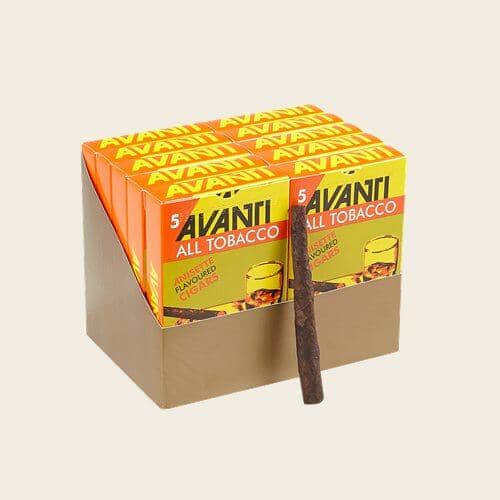
It happens to some cigar smokers – mistaking a slender cigarillo for a filtered small cigar in the word of machine-made cigars. This is a quick way to turn a relaxing break into a confusing game of tobacco roulette. While these two products might share a similar footprint on a shelf, their internal blueprints dictate a completely distinct interaction for the palate. One behaves like a concentrated, miniature vitola designed for a slow savor, while the other functions as a cigarette-style alternative tucked inside a brown leaf jacket. Recognizing these manufactured variations is the only way to coordinate your available time with the tobacco’s actual burn rate. Besides, settling for the wrong one often leads to a frustrating mismatch between your expectations and the reality of the smoke. That’s why identifying the specific traits that define each category clarifies why one belongs in a tin and the other in a soft pack.
What is a Machine-Made Cigar?
At its most basic level, a machine-made cigar is a product of high-speed industrialization designed to deliver a uniform experience at a fraction of the cost of artisanal alternatives. Unlike their premium cousins, which rely on the delicate touch of human hands to layer whole tobacco leaves, these sticks are born from massive, intricate machinery capable of churning out thousands of units per hour. The internal filler usually consists of "short-filler" tobacco, which is comprised of chopped leaves, scraps, and stems rather than intact long-filler leaves. This mechanized approach facilitates a level of predictability in both the draw and the flavor profile that is nearly impossible to replicate in the variable world of hand-rolling. Because the process is so streamlined, the final product’s often much more affordable, making it a staple for those who enjoy a casual smoke during a lunch break or a commute.
One of the most significant technical deviations in the mechanized world is the widespread adoption of what industry insiders call homogenized tobacco leaf, or HTL. This material is created by grinding tobacco scraps into a fine powder, mixing it with cellulose and water, and then pressing it into long, continuous sheets that can be easily fed into wrapping machines. These sheets are incredibly durable and consistent, which prevents the tearing and structural failures that often plague thin, natural wrapper leaves during high-speed production. While some high-end machine-mades still utilize a natural leaf wrapper, the vast majority utilize this reconstituted tobacco to verify a smooth, uniform appearance. This innovation was a turning point for the industry, as it enabled manufacturers to utilize every single ounce of the tobacco plant with zero waste. The resulting exterior is perfectly smooth and devoid of the veins or "tooth" that characterize natural tobacco plants.
The engineering of these cigars also includes the addition of various flavoring agents and humectants that help maintain a consistent moisture level without the need for a humidor. Because these products are often sold in gas stations or convenience stores rather than temperature-controlled humidors, the tobacco must be treated to withstand the fluctuations of a retail shelf. Producers often infuse the short-filler with sugars, syrups, or aromatic oils to create specific flavor profiles that appeal to a broad demographic of smokers. This creates a sensory experience that is often more focused on a singular, recognizable taste (i.e. vanilla, grape, or "sweet"), rather than the complex, shifting narrative of a premium hand-rolled blend. The goal here is reliability, ensuring that the stick you buy today tastes exactly like the one you purchased three years ago. This chemical and mechanical stability is the hallmark of the mechanized sector.
Beyond the materials themselves, the structure of a machine-made cigar is designed for a quick, even burn that requires zero maintenance from the user. Because the short-filler is evenly distributed by mechanical sensors, there are rarely any "tunnels" or "plugs" that would interfere with the airflow or the combustion rate. These sticks are frequently pre-cut at the factory, eliminating the need for a specialized cutter and making them the top choice for on-the-go convenience. The tightly packed, uniform density results in a smoke that is predictable from the first puff to the last, requiring no relights or touch-ups with a torch. This level of accessibility is what has allowed the machine-made market to flourish in an era where time is a luxury and convenience is king. It represents the democratization of the tobacco experience, bringing the ritual of the smoke to the everyday worker.
Why are Some Machine-Made Cigars Produced on the Smaller Side?
The trend toward smaller cigars in the mechanized world is a direct response to the shifting rhythms of the modern lifestyle and the economic realities of global trade. Manufacturers have spent decades refining these compact shapes to satisfy a consumer base that demands a high-impact flavor profile in a condensed timeframe. By shrinking the dimensions of the stick, producers can utilize their resources more efficiently while meeting specific regulatory and logistical requirements. This strategic downsizing has led to a diverse array of petite options that dominate the shelves of every neighborhood market:
-
The Time-Efficiency Factor: In a world where a two-hour lunch break is a relic of the past, the majority of smokers are looking for a satisfying experience that can be completed in fifteen minutes or less. Smaller cigars, particularly cigarillos, provide the perfect solution for a "short-smoke" window, such as a coffee break or a brief walk between appointments. By reducing the total volume of tobacco, manufacturers cater to the "snackable" nature of modern indulgence, ensuring the smoker doesn't have to waste a half-finished stick when their time runs out.
-
Taxation and Regulatory Constraints: Global tobacco laws often categorize products based on their weight and physical dimensions, with smaller sticks frequently falling into lower tax brackets or facing fewer marketing restrictions. Producing cigars on the smaller side allows manufacturers to maintain an affordable price point for the end consumer by navigating these complex financial landscapes. This economic maneuvering is a primary driver behind the proliferation of "small cigars" that mimic the size of a cigarette while retaining the identity of a tobacco-wrapped product.
-
Enhanced Flavor Concentration: In a smaller ring gauge, the ratio of the wrapper (or HTL sheet) to the filler is much higher than in a large, bulbous cigar. This means that any flavorings, sweeteners, or aromatic oils applied to the exterior or the binder have a much more pronounced impact on the overall palate. By producing smaller sticks, companies can deliver a punchy, intense burst of flavor that satisfies the user's cravings quickly and effectively, making the most of the short-filler's potential.
-
Logistical and Shelf-Space Optimization: From a retail perspective, smaller packaging is far more efficient to ship, stock, and display in the limited real estate of a checkout counter. Smaller cigars allow for compact, flat packs that fit easily into a pocket or a small display rack, increasing the "impulse buy" potential for the brand. This portability is a key selling point, as it facilitates a lifestyle where the user can carry their smokes with them without the need for a bulky case or a travel humidor.
-
Manufacturing Speed and Consistency: The machines used to produce smaller cigars can often operate at higher velocities than those designed for larger, more complex shapes. Smaller dimensions mean less physical material to move and compress, which reduces the mechanical wear and tear on the assembly line while increasing the total output per shift. This high-speed efficiency is what keeps the price of these products low, verifying that they remain accessible to the widest possible range of adult consumers across various economic backgrounds.
So, What's the Difference Then Between Machine-Made Cigarillos and Machine-Made Small Cigars?
Splitting the hairs between these two common retail options requires looking past the brown exterior to find the specific purpose for which each was built. While the dimensions often overlap, the internal logic of the assembly line creates two entirely separate experiences for the person behind the flame. One category prioritizes a traditional tobacco profile in a shorter window, whereas the other favors a specific type of utility that feels familiar to a wide range of smokers. Government tax brackets and production speeds often dictate these labels more than the average consumer might realize. Diving into the specific traits of each category helps you match the right stick to the specific rhythm of your next break.
Machine-Made Cigarillos
The cigarillo is fundamentally a bridge between the world of large-format smoking and the rapid pace of the modern day, offering a condensed version of the classic experience without the need for a filter. These sticks typically measure between three and four inches in length and possess a ring gauge that sits comfortably between twenty and thirty, giving them a slender yet substantial feel in the hand. They are designed to be enjoyed exactly like a full-sized cigar, meaning the smoke is typically savored in the mouth rather than inhaled deeply into the lungs. Because they lack a cellulose filter, the user interacts directly with the tobacco at the head, which facilitates a much more intense and immediate delivery of the blend's flavor profile. The absence of a filter also allows the smoke to remain thick and aromatic, preserving the "heavy" mouthfeel that aficionados often seek in their tobacco products.
The construction of these miniatures usually involves a homogenized tobacco leaf binder that holds the short-filler in place, frequently topped with a natural or reconstituted leaf wrapper that mimics the appearance of a larger stick. Manufacturers often utilize a slightly higher-quality grade of tobacco scrap for cigarillos to ensure that the flavor remains robust despite the smaller volume of the burn. Because they are intended for a fifteen-to-twenty-minute session, the draw is engineered to be slightly more open than a cigarette, allowing for a slower, cooler combustion that prevents the tobacco from becoming overly bitter. You will often find these sold in metal tins or cardboard packs of five to ten, emphasizing their status as a premium-adjacent convenience item for social settings or post-dinner relaxation.
Basically, this category represents a commitment to the ritual of the leaf, scaled down for the person who respects the craft but lacks the luxury of a wide-open schedule.
Pros & Cons
Before making a selection at the counter, it is helpful to weigh the specific benefits and drawbacks that define the cigarillo lifestyle. Each of these attributes contributes to the overall utility of the stick and how it fits into your daily routine.
Pros:
-
Intense Flavor Delivery: Because there is no filter to obstruct the flow of smoke, the aromatic oils and flavor infusions are delivered directly to the palate with maximum potency. This results in a punchy and memorable experience where the sweetness or the spicy undertones of the tobacco are the primary focus from the very first puff.
-
Traditional Aesthetic and Feel: Holding a cigarillo provides a tactile sensation that is much closer to a classic vitola, which many smokers find more satisfying than the feel of a paper-wrapped alternative. The weight and the texture of the outer leaf facilitate a sense of ritual that elevates the quick smoke into a legitimate "cigar moment" regardless of the setting.
-
Slow and Cool Burn Rate: The slightly thicker ring gauge of a cigarillo compared to a small cigar allows for a more controlled combustion process that helps prevent the tobacco from overheating. This slower burn means you can enjoy the complexity of the blend over a longer period, making it a better choice for those who want to linger over their tobacco for twenty minutes.
-
Versatile Packaging Options: These sticks are often housed in durable tins or rigid boxes that protect the delicate tobacco from being crushed in a pocket or a bag. This robust packaging verifies that your smokes remain in pristine condition even if you are traveling or spending a long day outdoors, adding a layer of durability to the convenience.
-
No Inhalation Required: For those who prefer to enjoy the flavor of tobacco without the harshness of a deep inhale, the cigarillo is the perfect vehicle for a purely oral sensory experience. It satisfies the craving for a rich, aromatic smoke while allowing the user to maintain the traditional "puff and taste" technique associated with premium hand-rolled cigars.
Cons:
-
Higher Cost per Unit: Due to the higher quality of the packaging and the more complex construction of the tobacco bunch, cigarillos generally command a higher price point than small cigars. While they are still affordable, the cost can add up quickly for a daily smoker who goes through multiple packs a week, making them more of a "treat" than a budget-friendly staple.
-
Fragility of the Wrapper: Even though they are machine-made, the wrappers on cigarillos can be quite thin and prone to cracking if the humidity levels fluctuate too wildly. If a stick is left in a dry pocket for too long, the outer leaf may begin to flake away, which can ruin the draw and lead to an unpleasantly messy smoking experience.
Machine-Made Small Cigars
A machine-made small cigar is a distinct animal that is often confused with the cigarillo, but it is primarily defined by its resemblance to a standard cigarette in both form and function. These products are almost always the same length and diameter as a king-size cigarette, and they are nearly universally equipped with a cellulose acetate filter at the head. The primary physical marker that separates them from a cigarette is the outer wrapper, which must be composed of tobacco or reconstituted tobacco leaf rather than white paper. This subtle change in the exterior material is what grants them their legal status as a cigar, which often exempts them from certain flavor bans or taxation tiers that apply to standard cigarettes. Because of the filter, these are frequently smoked with the same inhalation technique as a cigarette, making them a popular choice for those who want the "hit" of tobacco with a slightly more robust flavor profile.
The internal filler of a small cigar is often ground much finer than the short-filler found in a cigarillo, allowing it to be packed tightly into the slender tube by high-speed assembly lines. This dense packing results in a very fast burn that matches the five-minute window that many daily smokers are accustomed to during their routine breaks. Manufacturers often apply heavy flavorings to the filter or the tobacco itself, as the filter can sometimes mute the more delicate nuances of the leaf. Small cigars are typically sold in "soft packs" or "hard packs" of twenty, mirroring the distribution model of the cigarette industry and emphasizing their role as a high-frequency, high-convenience product.
For the person who wants a brown-leaf alternative to their standard smoke without changing their physical habits or their inhalation style, the small cigar is the logical and most accessible choice.
Pros & Cons
Small cigars occupy a specific niche in the market that prioritizes speed and extreme portability over the traditional ritual of the leaf. Understanding these tradeoffs is the best way to determine if this cigarette-style alternative is the right fit for your cravings.
Pros:
-
Exceptional Price Point: Of all the tobacco products available on the market, machine-made small cigars are often the most budget-friendly option for the volume of sticks received. Purchasing a pack of twenty provides a much lower cost-per-smoke than a tin of cigarillos, making them the superior choice for the value-conscious consumer who smokes frequently throughout the day.
-
Ultimate Portability and Familiarity: Because they share the exact dimensions of a cigarette, these sticks fit into standard cases and holders, making them incredibly easy to carry without any specialized equipment. The familiarity of the size and weight also means there is zero learning curve for the smoker, as the physical experience is identical to what they are already comfortable with.
-
Built-in Filtration System: The cellulose filter acts as a barrier that catches some of the heavier tars and particles before they reach the smoker's mouth, resulting in a cleaner-feeling draw. This filtration also helps to cool the smoke down as it leaves the stick, which can prevent the "tongue bite" that sometimes occurs with unfiltered, fast-burning tobacco.
-
Extensive Availability: You can find these products in almost every retail environment that sells tobacco, from the most remote gas station to the largest supermarket chain. You never have to worry about running out or searching for a specialized shop, as the wide distribution of small cigars makes them a reliable staple of the modern retail landscape.
-
Rapid Consumption Time: For the individual who only has five minutes to spare, the small cigar is the most efficient way to enjoy a tobacco break without wasting a larger product. They are designed for high-speed enjoyment, making them the perfect companion for a commute, a quick walk, or any situation where time is a severely limited commodity.
Cons:
-
Muted Flavor Profile: The presence of a filter and the finer grind of the tobacco can often lead to a less "authentic" cigar taste compared to the unfiltered cigarillo. While many small cigars are flavored, the underlying tobacco notes are frequently lost or simplified, which may leave those seeking a rich, earthy experience feeling somewhat unsatisfied.
-
Paper-Like Smoking Experience: Because the construction is so close to that of a cigarette, the experience can feel less like a "cigar" and more like a standard smoke with a brown jacket. Those who enjoy the tactile luxury and the slow-burning ritual of premium tobacco may find the small cigar to be too mechanical and utilitarian for their tastes.
A Final Quick Thought on Your Next Petite Selection
Deciding between a cigarillo and a small cigar is fundamentally a choice between a condensed version of a traditional ritual and a more modern, filtered convenience. While both options offer the speed and consistency that only mechanized production can facilitate, the distinct physical attributes of each category cater to vastly varying preferences. Whether you find yourself drawn to the rich, unfiltered intensity of the cigarillo or the filtered efficiency of the small cigar, both represent a remarkable achievement in tobacco engineering.
Share:
Can Identical Pipe Tobacco Blends and Strengths Actually Feel Different?
How to Deal with Pipe Tobacco Condensation in a Mylar Bag, Can, Tin, or Jar?