
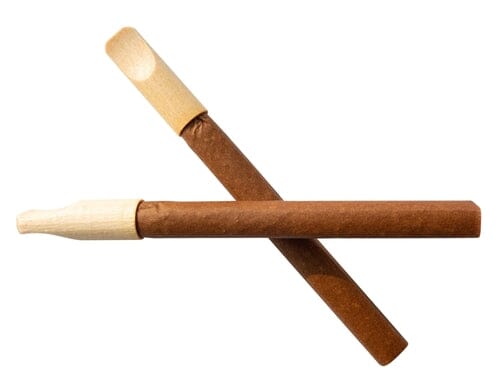
Stepping into the world of accessible smokes often leads to a confrontation with a little piece of plastic or wood that changes the entire dynamic of the experience. While the high-brow purists might focus solely on hand-rolled wonders, there’s a massive, thriving culture surrounding the convenience and consistency of the machine-made cigars. These items represent a bridge between the old-world ritual of tobacco and the modern pace of life, where efficiency meets flavor in a pocket-sized package. You might find yourself wondering why that small attachment exists at all or how it alters the way the tobacco behaves during a break. Peeling back the layers of this industrial craft reveals a fascinating intersection of engineering and sensory satisfaction that deserves its own spotlight.
The Smoked Leaf's Mechanical Evolution
To grasp why a mouthpiece is even necessary, one must first appreciate the distinct nature of a machine-made cigar. Unlike their premium, hand-crafted counterparts that rely on long-filler tobacco—entire leaves folded carefully by a master roller—the machine-made versions utilize what is known as "short-filler". This consists of chopped or shredded tobacco leaves, often leftovers from the premium cutting process, which are fed into high-speed industrial rollers. This method yields a product that is perfectly uniform in shape and density, but it also creates a structural challenge. Because the interior is made of small fragments rather than whole leaves, the cigar lacks the natural skeleton that keeps a hand-rolled smoke together. This is where the invention of the homogenized tobacco leaf (HTL) comes into play. HTL is a sheet made from pulverized tobacco and cellulose, which creates a smooth, consistent wrapper that can withstand the intense speed of a manufacturing line.
The transition from the slow, deliberate pace of a tobacco gallery to the rhythmic hum of a factory changed the accessibility of tobacco forever. In the early days of the industry, every single cigar was a luxury item, prone to human error and variances in draw. The introduction of the bunching machine and the subsequent automation of the wrapping process permitted a level of output that made cigars a daily staple for the working class. This industrial shift meant that a person could buy a pack of five and know exactly how every single one would burn. This predictability is a hallmark of the machine-made world, where the focus moves away from the "art" of the individual leaf and toward the engineering of a reliable, repeatable flavor profile. This mechanical precision is what eventually necessitated the addition of specialized tips to help manage the airflow and the physical experience of the smoker.
Beyond the internal construction, the external presentation of these products is designed for a life on the go. While a premium cigar requires a humidor, a cutter, and a specific lighting ritual, the machine-made variety is often "ready to wear". Many come pre-cut, and a significant portion features the eponymous tip that defines their category. This design choice caters to a demographic that wants to enjoy a smoke while fishing, driving, or working in the yard without worrying about the tobacco unraveling or getting "tobacco mouth"—that pesky situation where small bits of leaf end up on the tongue. By stabilizing the end of the cigar with a dedicated mouthpiece, manufacturers created a more sanitary and durable option that fits seamlessly into a busy schedule.
The Strategic Purpose Behind the Mouthpiece
Now, the addition of a tip isn’t merely a decorative choice; it serves several critical functional roles that enhance the smoke. One of the most prominent benefits is the regulation of the draw. In a traditional cigar, the smoker must cut the cap themselves, and a poor cut can lead to an uneven airflow or a total collapse of the wrapper. A machine-made cigar with a built-in tip removes this variable entirely. The tip acts as a fixed aperture, ensuring that the resistance remains consistent from the first light to the final puff. This stability is particularly important for short-filler tobacco, which can sometimes settle or shift; the tip acts as an anchor that maintains the intended diameter of the airway.
Another vital factor is moisture management and structural integrity. Tobacco is naturally hygroscopic, meaning it absorbs moisture from the environment and from the smoker’s mouth. Without a tip, the end of a short-filler cigar can quickly become soggy and compressed, which restricts the draw and ruins the flavor. The tip provides a rigid barrier between the smoker's lips and the tobacco leaf, preventing saliva from saturating the filler. This maintains a "dry" smoke that preserves the intended aromatic qualities of the blend. For those who enjoy a longer, slower smoke, this protection is the difference between a clean finish and a messy, unraveled mess of wet leaf.
Cleanliness and convenience round out the reasons for the tip's dominance in the mass-market sector. The mouthpiece prevents any loose particles of the chopped filler from entering the mouth, which’s a common complaint with untipped short-filler cigars. It also creates a more comfortable "bite" for those who like to hold the cigar between their teeth. A hard plastic or wooden end is far more resilient than a delicate tobacco leaf, allowing the smoker to be more active without damaging the product. This durability makes the tipped cigar the ultimate utilitarian choice, designed to be handled with a bit more ruggedness than a fragile, hand-rolled masterpiece.
The Sleek Utility of Plastic Tips
When most people think of a tipped cigar, the plastic mouthpiece is likely the first image that comes to mind. These are typically crafted from food-grade or medical-grade polymers that are tasteless, odorless, and incredibly durable. The primary appeal of the plastic tip is its absolute consistency and sanitation. Because these are molded in a factory, every single tip is identical, providing a smooth, cool surface for the lips that feels modern and clean.
-
Tactile Comfort: The smooth surface of the plastic prevents any friction against the lips, making it very comfortable for long sessions. Unlike natural leaf, which can sometimes have a "toothy" or rough texture, the plastic is perfectly uniform.
-
Thermal Protection: Plastic acts as an excellent insulator. As the cherry of the cigar gets closer to the end, the plastic tip helps dissipate the heat, ensuring that the smoke remains cool and the smoker’s fingers are protected from the rising temperature of the tobacco.
-
Structural Support: Because plastic is rigid, it prevents the cigar from being crushed if the smoker has a heavy bite. This is a significant advantage for those who smoke while performing manual tasks or driving, where the cigar might be held firmly in the mouth for extended periods.
Beyond the physical benefits, the plastic tip also serves as a canvas for the aesthetic of the product. These tips are often color-coded or styled to match the specific blend, whether it’s a classic black, a bright white, or even a translucent amber. This visual branding helps consumers identify their favorite varieties at a glance. The non-porous nature of the material also means that it doesn't absorb any of the tars or resins from the smoke in the same way that a natural leaf would, which some find contributes to a "cleaner" tasting experience from start to finish.
The Rustic Charm of Wooden Mouthpieces
For those who prefer a more traditional or "organic" feel, the wooden tip is a beloved alternative. These are frequently made from softwoods like birch or maple, which are turned on a lathe to create a tapered, comfortable shape. The experience of a wooden tip is fundamentally disparate from that of plastic, as the wood interacts with both the smoke and the smoker in a more active way. Many fans of this style appreciate the "grit" and the weight of the wood, which feels more substantial and premium than a synthetic mouthpiece.
The wood is often treated or "sweetened" during the manufacturing process, which adds a layer of complexity to the flavor. Because wood is porous, it can be soaked in various syrups or aromatic compounds that gradually release as the smoker draws through the tip. This creates a dual-layered taste where the natural woodiness of the tip complements the tobacco inside.
-
Natural Texture: The feel of wood against the teeth and tongue is preferred by many who find plastic too "clinical." There is a certain satisfaction in the slight resistance and organic warmth that wood affords.
-
Flavor Absorption: Over the course of the smoke, the wooden tip will absorb some of the tobacco's natural oils. This can lead to a deepening of the flavor as the session progresses, making the final third of the cigar particularly rich.
-
Traditional Aesthetic: There is no denying that a wooden tip looks classic. It harkens back to an era of craftsmanship and outdoor living, making it a popular choice for those who enjoy their tobacco in a more rustic setting.
The wooden tip also offers a different cooling dynamic. While plastic is an insulator, wood is slightly more breathable, which can alter the humidity of the smoke as it passes through the grain. Some smokers report that wooden tips provide a slightly more "dry" or "toasted" quality to the draw, which pairs exceptionally well with heavier, darker tobacco blends. It is a tactile experience that bridges the gap between the industrial world and the natural world.
Refined Airflow: The World of Filters
Not all tips are hollow tubes; many machine-made cigars incorporate a filtration system within the mouthpiece. These are usually made from cellulose acetate—the same material found in cigarette filters—or sometimes a combination of charcoal and fiber. The goal here is to create a smoother, more refined smoking experience by removing some of the heavier particulates and cooling the smoke even further. This is a popular choice for those who find the raw intensity of a cigar to be a bit too much for their throat or lungs.
The filter acts as a barrier that catches larger bits of ash or unburnt tobacco, but its main job is to manage the temperature. As the smoke traverses the dense fibers of the filter, it is forced to disperse and slow down, which naturally lowers its heat. This results in a "velvety" mouthfeel that is very different from the direct, punchy draw of an unfiltered cigar.
-
Tar Reduction: While no tobacco product is "healthy," a filter can trap a portion of the heavier tars and resins that are produced during combustion. This often leads to a lighter aftertaste and less of a "coated" feeling in the mouth after the smoke is finished.
-
Moisture Control: The cellulose material is excellent at absorbing excess saliva, which further guarantees that the tobacco stays dry. This prevents the "bitter" notes that often occur when tobacco becomes oversaturated near the end of the cigar.
-
Smoother Inhalation: For smokers who prefer a milder experience, the filter tames the "bite" of the tobacco. This makes the cigar more approachable for beginners or for those who enjoy multiple smokes throughout the day without experiencing tongue fatigue.
Filters are often tucked inside a plastic or wooden exterior, combining the structural benefits of a rigid tip with the sensory benefits of a filtered draw. This hybrid design is a peak example of how manufacturers have refined the machine-made cigar to cater to a wide diverse range of consumer preferences.
A Taste of Something Sweet: Treated Tips
One of the most popular innovations in the tipped cigar market is the application of sweeteners directly to the mouthpiece. This is a technique where the tip—whether plastic or wood—is dipped in a saccharine or sugar-based solution during production. The result is an immediate burst of sweetness the moment the cigar touches the lips, which provides a pleasant contrast to the earthy, robust flavors of the tobacco. This is a major selling point for those who enjoy a "dessert-like" experience or who want to mask some of the natural bitterness of the leaf.
The psychology of a sweetened tip is clever. By placing the flavor at the point of contact, the manufacturer ensures that the smoker’s palate is primed before the smoke even enters the mouth. This can make a middle-of-the-road tobacco blend taste much more premium and complex.
-
Flavor Balancing: The sweetness helps balance out the high nicotine content or the spicy notes of a darker wrapper. It creates a "round" flavor profile that hits both the sweet and savory receptors of the tongue simultaneously.
-
Sustained Release: In wooden tips, the sweetener is often deeply embedded in the grain, meaning the flavor lasts throughout the entire smoke. In plastic tips, it is usually a surface coating that provides a strong initial hit that gradually tapers off, allowing the tobacco to take center stage in the later stages.
-
Wide Appeal: Sweetened tips are a gateway for many people entering the world of cigars. The familiar taste of sugar makes the transition into the world of smoked leaf much less intimidating.
This treatment is not just about sugar, either. Some manufacturers use natural honey, maple syrup, or even molasses to create a more "gourmet" sweetened experience. These natural agents provide a richer, more nuanced sweetness that lingers on the lips and complements the aromatic smoke, making the entire session feel like a more indulgent treat.
Sensory Exploration Through Flavor-Infused Tips
Taking the concept of the sweetened tip a step further, we arrive at the world of flavor infusion. This is where the tip acts as the primary delivery system for aromatic profiles like vanilla, cherry, grape, chocolate, or even tropical fruit. While some cigars are "cased" (meaning the tobacco itself is flavored), many tipped cigars rely on the mouthpiece to carry the weight of the aroma. This allows the tobacco to remain relatively natural while the smoker enjoys a specific, curated scent and taste.
Infused tips are especially popular in the "cigarillo" size, where the smoke is shorter and the flavors can be more intense. The infusion process often involves volatile oils that are released by the heat of the smoke as it passes through the tip. This creates a sensory experience that is as much about the aroma in the air as it is about the taste on the tongue.
-
Aromatic Ambience: An infused tip can make the smoke more pleasant for those nearby. Instead of the heavy, pungent smell of burning tobacco, people will often notice a hint of vanilla or fruit, making these cigars more "socially acceptable" in certain settings.
-
Consistent Profile: Because the flavor's concentrated in the tip, it remains consistent regardless of how the tobacco is burning. This prevents the flavor from becoming "burnt" or "ashey" as the cigar reaches the end.
-
Diverse Options: The variety of flavors available is staggering. From "cool mint" to "spiced rum," the options permit smokers to match their tobacco to their mood, the season, or even a specific beverage.
The infusion process is a delicate science. If the flavor is too strong, it can overwhelm the tobacco and feel artificial; if it is too weak, it becomes an afterthought. The best tipped cigars find the "sweet spot" where the infusion enhances the natural character of the leaf, creating a harmonious blend that feels intentional and well-balanced. It is this attention to the sensory details that has allowed the machine-made sector to thrive and expand into new demographics.
The Pragmatic Approach to Tipped Cigar Care
While machine-made cigars are designed for convenience, a little bit of care goes a long way in ensuring that the tip functions as intended. Because these products are often sold in soft packs or foil pouches rather than sturdy boxes, the tips can sometimes become a point of failure if handled roughly. A cracked plastic tip can create an air leak that ruins the draw, while a crushed wooden tip can splinter and become uncomfortable. Storing these cigars in a cool, dry place—even if you don't use a traditional humidor—helps the tips retain their structural integrity and keeps any infusions from evaporating.
Another tip for the tipped smoker is to be mindful of the "bite." While the mouthpieces are durable, excessive chewing can collapse the airway or cause the tip to detach from the cigar body. A gentle hold is all that is needed to reap the benefits of the consistent draw. Additionally, if you are smoking a filtered or infused variety, try to avoid getting the tip overly wet with saliva, as this can muddle the flavors and lead to a "clogged" sensation in the filter. By treating these accessible smokes with just a hint of the respect one would give a premium cigar, you can unlock a much higher quality of experience.
The evolution of the machine-made cigar is a story of meeting the consumer where they are. It is a world that prioritizes the "now" over the "someday," delivering a reliable and flavorful break in a way that is both affordable and enjoyable. The tip is the crowning achievement of this philosophy—a small, unassuming piece of material that solves a dozen physical problems while adding a whole new dimension of flavor. Whether you prefer the cool utility of plastic, the rustic soul of wood, or the playful sweetness of an infusion, there is a tipped smoke out there that fits your lifestyle perfectly.
Share:
A Common Stogie Question: Can a Premium Cigar Get Too Soft or Too Hard?
What Are Some Reasons Why a Cigar Can Burn Too Hot?