
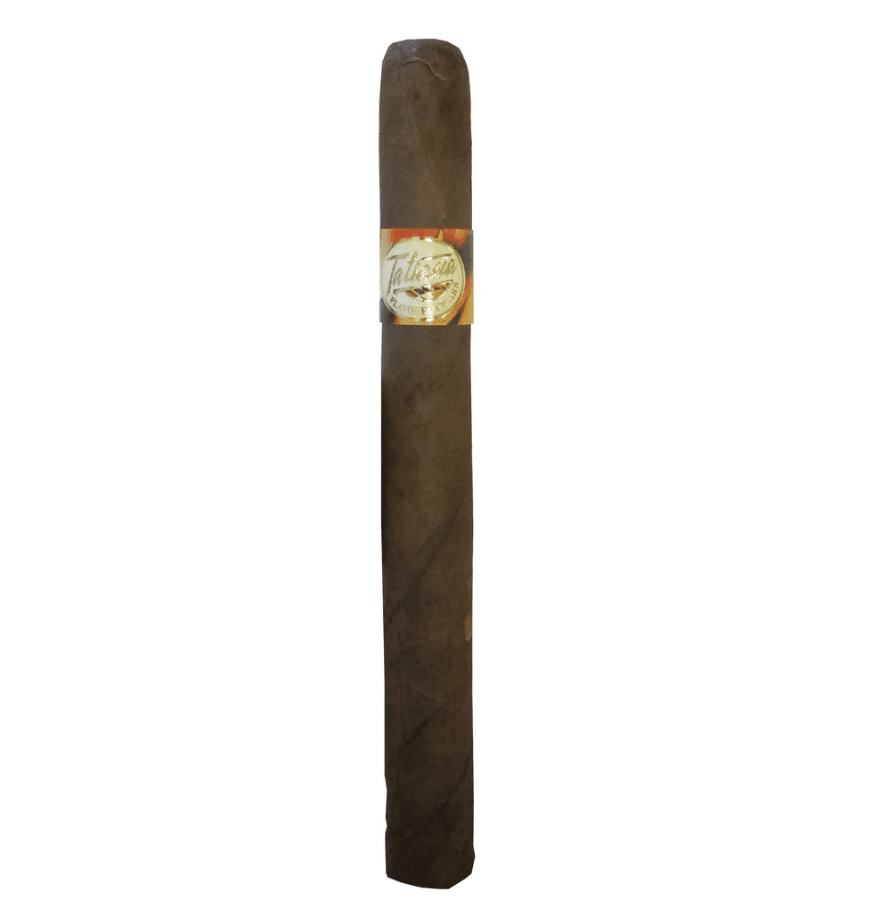
Sitting in a quiet corner with a freshly cut vitola, you might find yourself mesmerized by the rhythmic plumes of blue smoke dancing toward the ceiling. There is a specific weight and resistance to a well-crafted cigar that signals the beginning of a truly relaxing hour. Yet, that relaxation quickly evaporates if the texture of the leaf feels more like a soggy sponge or a brittle twig between your fingers. This tactile feedback is the primary language of the leaf, whispering secrets about its health and current state of preservation. Grasping the nuances of this physical condition is what separates a casual smoker from a dedicated aficionado who respects the craft.
What is a Premium Cigar?
Defining the "premium" designation requires looking past the price tag and focusing on the meticulous labor involved in every single hand-rolled creation. These aren’t mass-produced items coming off a sterile assembly line; instead, they’re the result of years of agricultural patience and artisanal skill. A true premium cigar consists entirely of long-filler tobacco leaves, which are whole leaves folded carefully to facilitate an even burn and a complex flavor progression. No chemical accelerants or homogenized binders find their way into these natural products, as the focus remains purely on the quality of the soil and the curing process. From the moment the seed is planted to the second the finished product is placed in a wooden box; hundreds of hands touch the leaf to verify its excellence. This category of smoking represents the pinnacle of the tobacco world, where tradition and quality control intersect to create a sensory experience that cannot be replicated by machinery.
The geography of tobacco is as complex as the world of fine wine, with each specific micro-climate contributing a unique "terroir" to the finished product. To comprehend the variety available today, one must look at the specific characteristics born from these distinct soil compositions and humidity levels:
-
Nicaragua: Known for producing some of the most robust and spicy tobaccos in the world, the volcanic soil found in regions like Estelí and Jalapa imparts a legendary strength. The leaves grown here often possess a rich, earthy profile with notes of dark chocolate and black pepper that appeal to those who enjoy a full-bodied experience. Because the country features several distinct growing zones, blenders can create complex profiles using only Nicaraguan leaf, making it a powerhouse in the modern industry.
-
Dominican Republic: This region’s often celebrated for its versatility and smooth, creamy tobacco profiles that serve as the backbone for many iconic sticks. Historically, the Cibao Valley has been the heart of production, yielding leaves that are prized for their subtle notes of cedar, nuts, and hay. While it was once synonymous with milder blends, modern Dominican farmers have developed stronger varieties that hold their own against the heavy hitters of Central America.
-
Cuba: As the historical birthplace of the modern cigar industry, the soil of the Vuelta Abajo region remains the gold standard for many enthusiasts. The flavor profile is often described as "twangy" or sourdough-like, with a specific floral and spicy complexity that is difficult to find elsewhere. While it remains a forbidden fruit in some markets, its influence on the techniques and traditions of every other region on this list is undeniable.
-
Honduras: Often characterized by a rugged and earthy flavor profile, Honduran tobacco frequently features a "heavy" feel on the palate with deep, woody undertones. The Jamastran Valley is particularly famous for producing Corojo seeds that thrive in the local climate, resulting in a spicy and punchy leaf. Many blenders turn to this region when they want to add a layer of rustic complexity or a substantial "kick" to a blend.
-
Ecuador: This nation is perhaps most famous for its incredible wrapper leaves, particularly those grown under the natural cloud cover that frequently blankets the Quevedo region. These "cloud-grown" leaves are thin, oily, and incredibly elastic, which makes them ideal for finishing a premium stick with a beautiful aesthetic. The lack of direct sunlight results in a leaf that is mild to medium in strength but incredibly rich in nuanced flavors like sweetness and light spice.
-
Mexico: The San Andrés Valley is the crown jewel of Mexican production, famous for its dark, rugged, and naturally sweet Maduro leaves. Unlike other regions, these plants are often harvested by cutting the entire stalk to retain as much nutrient density as possible during the curing stage. The result is a leaf that can withstand long fermentation periods, producing a chocolatey, earthy flavor that has become a favorite for many blenders globally.
-
United States: While most think of tropical climates, the Connecticut River Valley produces two of the most sought-after leaves in the world: Shade and Broadleaf. The Shade tobacco is grown under giant tents to mimic a cloud cover, producing a golden, mild leaf, while the Broadleaf is left out in the sun to become dark, thick, and sweet. These regions prove that with the right soil and care, premium tobacco can flourish in unexpected latitudes.
Selecting the right premium cigar isn’t merely an aesthetic choice, as the physical dimensions of a stick dictate the ratio of wrapper to filler and the total duration of the smoke. Each of these specific silhouettes brings a distinct personality to the blend, altering how the heat moves through the leaves and how the flavors concentrate on your palate:
-
Robusto: This is perhaps the most popular shape in the modern market, typically measuring around five inches with a ring gauge of fifty. It is favored because it provides a substantial smoking time of forty-five minutes to an hour without becoming an all-afternoon commitment. The short, stout nature of the Robusto allows for a cool draw that showcases the blend's complexity right from the first puff.
-
Corona: For many traditionalists, this is the classic "standard" dimensions by which all other blends are measured. It is thinner than a Robusto, which means the influence of the wrapper leaf is much more pronounced in the flavor profile. If you want to truly taste what a specific wrapper brings to a blend, the Corona is often the most revealing way to experience it.
-
Churchill: Named after the famous British statesman, this long and elegant vitola is designed for a slow, contemplative smoking session. Its length allows the smoke to cool as it travels through the cigar, often resulting in a flavor profile that evolves significantly as the burn progresses. It is a commitment of time, often lasting nearly two hours, making it perfect for a long evening conversation or a celebratory moment.
-
Toro (or Corona Gorda): Growing in popularity, the Toro is slightly longer and sometimes thicker than a Robusto, usually sitting around six inches. It represents a "middle ground" for smokers who want a bit more time with their cigar than a Robusto affords but find the Churchill too daunting. It offers a great balance of flavor and a comfortable feel in the hand, making it a reliable workhorse for many enthusiasts.
-
Torpedo/Pyramid: These tapered sticks are a testament to the skill of the roller, as the head narrows to a sharp point. This design permits the smoker to control the intensity of the draw by choosing where to make the cut—a smaller cut results in a more concentrated and intense flavor. The tapered shape also helps to focus the smoke onto a specific part of the tongue, which can highlight different nuances in the tobacco.
-
Perfecto: A true Perfecto is tapered at both the head and the foot, creating a bulbous middle that looks like a work of art. These are incredibly difficult to roll and require a master torcedor to ensure the draw remains consistent throughout the fluctuating thickness. Smoking a Perfecto is a unique experience, as the flavor starts very focused at the small foot, expands in the middle, and then intensifies again toward the end.
-
Culebra: This is the most eccentric shape you will likely encounter, consisting of three thin cigars twisted together like a braid and tied with ribbon. Traditionally, these were given to rollers as their daily ration to ensure they didn't sell them on the side, as the twisted shape is unmistakable. You are supposed to untangle them and smoke each twisted stick individually, which provides a surprisingly cool and flavorful experience despite the odd appearance.
The wrapper is the most expensive and influential component of any premium stick, acting as the "skin" that holds the entire experience together. Beyond its visual appeal, the color and origin of this leaf can contribute up to seventy percent of the total flavor profile, making it the most important factor to consider when choosing your next smoke:
-
Connecticut Shade: This golden-blonde leaf is prized for its silky texture and incredibly mild, approachable flavor profile. It is the go-to choice for morning smokes or for those who prefer notes of cedar, cream, and a light buttery finish. Because it is grown under cloth, the leaf remains thin and delicate, requiring careful handling to prevent any tears or cracks during the smoking process.
-
Ecuador Connecticut: While it shares a name with the valley in the United States, this leaf is grown in the volcanic soil of Ecuador under natural cloud cover. It tends to be slightly more robust and oily than its northern cousin, often adding a touch of white pepper and spice to the creamy base. It has become a staple for modern "mild-to-medium" blends because it adds a bit of character without becoming overwhelming.
-
Maduro: Contrary to popular belief, Maduro is not a specific type of seed but rather a fermentation process that results in a dark, chocolate-colored leaf. These leaves are typically thicker and harvested from the top of the plant where they receive the most sun, allowing them to withstand the high heat of a long fermentation. The result is a naturally sweet, rich flavor with deep notes of cocoa, espresso, and molasses that aficionados crave.
-
Habano: Grown from Cuban seeds in various countries, the Habano wrapper is the gold standard for those who enjoy a spicy, full-bodied experience. It is typically a medium-brown color and is loaded with oils that produce a rich, aromatic smoke. You can expect a heavy dose of black pepper, leather, and wood when smoking a stick adorned with a Habano leaf, making it a favorite for seasoned palates.
-
Cameroon: Originating from the Central African Republic, this leaf is famous for its "toothy" or bumpy texture and its incredible natural sweetness. It is a very thin and fragile leaf that does not handle high heat well, so it must be smoked slowly and with care. The flavor is unmistakable, offering a unique mix of baking spices, cinnamon, and a subtle toasted nuttiness that is hard to find in other varieties.
-
Corojo: Originally used primarily for binders and fillers, the Corojo leaf has made a massive comeback as a wrapper due to its punchy and robust nature. It is typically a reddish-brown color and delivers a distinct zesty flavor that many describe as "red pepper" or "chili" spice. It is a hardy leaf that provides a lot of structure to a cigar, making it a favorite for those who like a smoke with some "teeth."
-
Sumatra: While originally from Indonesia, Sumatra seeds are now grown all over the world, with the Ecuadorian version being particularly popular. This leaf is known for its versatility, offering a dry and spicy profile that often features notes of cinnamon and earth. It is a fantastic "blending" wrapper because it can bridge the gap between a mild filler and a strong binder, creating a harmonious and balanced experience.
Now, a cigar rating serves as a standardized metric to help enthusiasts communicate the quality and consistency of a specific blend within a crowded marketplace. These scores aren’t merely based on whether a reviewer "liked" the taste, but rather on a rigorous evaluation of the construction, burn rate, ash integrity, and flavor complexity. A high-quality stick should exhibit a perfect draw that isn't too tight or too loose, and it should burn evenly without requiring frequent relights. The evolution of the flavor throughout the smoking session is also a major factor, as a "Classic" cigar should reveal different layers of taste as it progresses. To help you decode the numbers you see in magazines or on shop shelves, here is a breakdown of what those specific ranges actually signify:
-
95–100 (Classic): This is the absolute pinnacle of the craft, representing a masterpiece that is nearly flawless in every measurable category. A stick in this range offers a transcendental smoking experience with incredible depth, perfect construction, and a flavor profile that is both unique and memorable. These are rare finds and are often the result of an exceptional harvest or a particularly inspired blending session.
-
90–94 (Outstanding): Any cigar that reaches this level is considered a superior product that every enthusiast should try at least once. It demonstrates a high level of complexity and consistency, with only minor subjective critiques preventing it from reaching the "Classic" status. You can expect a reliable and highly enjoyable smoke every time you light up a vitola with this rating.
-
85–89 (Very Good to Excellent): This range represents the "sweet spot" for many daily smokers, as it indicates a high-quality product that is well-made and flavorful. While it might lack the extreme complexity of a 90+ rated cigar, it is still a solid choice that provides a satisfying experience. These are often great "value" picks that deliver a consistent performance without the premium price tag of a top-tier legend.
-
80–84 (Good/Average): A stick in this category is a decent, functional cigar that gets the job done but may have some minor flaws. It might suffer from a slightly uneven burn, a lack of flavor transition, or a construction that feels a bit loose or tight. It is perfectly fine for a casual afternoon in the garden, but it likely won't be the highlight of your collection.
-
Below 80: Ratings in this range generally suggest significant issues with construction or a flavor profile that is considered unpleasant or overly bitter. These are cigars that most enthusiasts will avoid, as they do not meet the basic standards expected of a premium, hand-rolled product. Life is too short for bad tobacco, so most smokers move on quickly once they encounter a stick that falls into this basement tier.
Finally, the preference for premium, hand-rolled tobacco over mass-market alternatives stems from a deep appreciation for the artistry and the unadulterated purity of the product. When you choose a premium stick, you are engaging with a 100% natural item that is free from the paper binders and chemical additives found in lower-tier options. This purity results in a much smoother experience for the palate, as the natural oils of the leaf are allowed to shine without interference. Moreover, the complexity of a long-filler blend provides a shifting narrative of flavor that changes from the foot to the head, keeping the smoker engaged throughout the entire session. There is also a significant ritualistic element involved, as the act of cutting, lighting, and pacing oneself creates a meditative space in an otherwise hectic world. Enthusiasts value the consistency that comes from master blenders who spend decades learning how to balance the harvest to maintain a specific flavor profile year after year. Of course, the social aspect of sharing a high-quality vitola with friends fosters a sense of community that’s uniquely tied to the respect for this ancient and refined craft.
How are Cigars Typically Stored
Preserving the delicate balance of a premium cigar requires creating an environment that mimics the tropical climates where the tobacco was originally grown and fermented. The primary goal is to maintain a consistent internal moisture level, which’s achieved by housing the collection in a cedar-lined box known as a humidor. This storage vessel utilizes a humidification element—such as a sponge, gel, or specialized bead system—to keep the relative humidity around sixty-five to seventy percent.
Temperature is equally vital, as excessive heat can encourage the hatching of tobacco beetles, while extreme cold can cause the leaves to become brittle and lose their aromatic oils. Proper storage also involves a bit of patience, as the Spanish cedar within the humidor helps to age the tobacco further, smoothing out any remaining harsh edges over time.
Enthusiasts often rotate their sticks periodically to ensure even exposure to the humidified air and to prevent any "pockets" of dry or stagnant air. Checking the seal of the humidor is a critical routine, as a leaky lid can cause the humidity to fluctuate wildly, stressing the tobacco and ruining the smoking experience.
By respecting these environmental constraints, you verify that every stick remains in peak condition, ready to be enjoyed exactly as the blender intended.
Time to Answer That Common Stogie Question: Can a Premium Cigar Get Too Soft or Too Hard?
The simple and definitive answer to this persistent inquiry is a resounding yes, as the physical state of a tobacco leaf is constantly in flux based on its environment. A premium cigar is a living, breathing entity that reacts to every percentage point of humidity and every degree of temperature fluctuation in its vicinity. When the internal moisture levels drift away from the ideal equilibrium, the structural integrity of the entire roll begins to shift toward these two problematic extremes. Identifying these changes early is the hallmark of a diligent collector who values the investment sitting in their cedar-lined box.
Dealing with a Too Soft Premium Cigar
Encountering a stick that feels more like a soggy marshmallow than a firm, hand-rolled treasure is a disheartening experience for any smoker. This excessive pliability, often referred to as "sponginess", indicates that the tobacco has absorbed far more moisture than it can gracefully manage. When a cigar reaches this state, the combustion process becomes a chore, the flavors can turn bitter or muddled, and the physical act of smoking loses its refined charm. We must look at the specific environmental and mechanical factors that lead to this overly elastic condition.
Reasons For a Premium Cigar Being Too Soft Before/After Opening It
The journey of a cigar from the factory to your hand involves numerous transitions where the humidity can easily spiral out of control. Before you even strike a match, several storage-related mishaps can lead to a stick becoming dangerously soft and structurally compromised:
-
Over-Humidified Humidor: Maintaining a relative humidity (RH) level that exceeds seventy-two percent for extended periods is the most frequent culprit behind a spongy cigar. When the air inside the storage vessel is saturated with water vapor, the porous tobacco leaves act like a sponge, pulling in that moisture until the internal cells of the leaf expand significantly. This expansion creates a lack of resistance when you squeeze the stick, signaling that the leaves are bloated with excess water.
-
Too Close to Humidification Source: Proximity plays a massive role in moisture distribution, and sticks placed directly adjacent to a humidification device often absorb a disproportionate amount of liquid. Even if the overall RH of the box seems correct, the "micro-climate" near the water source is much higher, leading to localized softness. This is why many aficionados rotate their collection regularly to prevent any single group of cigars from becoming localized moisture magnets.
-
Untreated/Improperly Seasoned Humidor: If the interior cedar of a humidor has not been correctly seasoned, it can lead to erratic humidity spikes that confuse the tobacco. While many think a dry humidor only dries out cigars, an unseasoned box can cause the humidification device to work overtime, creating pockets of intense dampness as the wood and the air struggle for dominance. This tug-of-war often results in a surface-level softness where the wrapper feels damp while the core remains unstable.
-
Ineffective Hygrometer: Relying on a factory-grade analog hygrometer that hasn't been calibrated is a recipe for disaster in the world of premium tobacco. If the device is reading sixty-five percent when the actual environment is closer to seventy-five percent, you will unknowingly be drowning your collection in excess vapor. This lack of accurate data makes it impossible to verify the health of your sticks, leading to a surprise discovery of "squishy" cigars when you finally go to reach for one.
-
Rapidly Changing External Temperatures: When a storage box is kept in a room with fluctuating temperatures, the air's ability to hold moisture changes, often resulting in condensation on the cigars themselves. As the air cools, it "drops" moisture onto the leaves, which then soak it up and become limp. Consistent temperature is just as important as humidity because the two are inextricably linked in the physics of tobacco preservation.
-
Low-Quality/Poor Construction: Sometimes the fault lies not with the owner, but with the factory where the stick was born. If a roller does not use enough filler leaf—a mistake known as "under-filling"—the cigar will naturally feel soft and hollow. While this isn't necessarily a moisture issue, it creates a similar tactile sensation that results in a hot, fast burn and a very unsatisfying draw.
-
Inexperienced "Bunching" Techniques: The "bunching" phase of construction requires a specific amount of tension and leaf alignment to create a firm, consistent core. If the torcedor is inexperienced or rushed, they may leave air pockets or "soft spots" within the body of the cigar. These structural voids make the stick feel flimsy in specific areas, even if the moisture levels are technically within the acceptable range.
-
Excessive Use of Propylene Glycol/Water: Many traditional humidification systems utilize a mixture of distilled water and propylene glycol to regulate vapor. If the ratio is skewed too heavily toward water, or if too much solution is added at once, the resulting humidity spike can be overwhelming. The leaves will swell rapidly, often to the point where the wrapper begins to stretch or even split under the internal pressure.
-
Stuck in Shipping/Airtight Packaging: Cigars that are shipped in airtight plastic bags with high-output humidity packs can arrive in a "super-saturated" state. Without any airflow to facilitate a natural exchange of gasses, the tobacco sits in a stagnant, damp environment for days or weeks. This often leads to a "fresh off the boat" softness that requires several weeks of rest in a stable humidor to correct.
-
High Ambient Humidity Regions: For those living in tropical or coastal climates, the battle against softness is a constant struggle against the very air they breathe. Every time the humidor is opened, the high-moisture external air rushes in, gradually raising the internal RH. In these environments, maintaining a lower-than-average humidity setting is often necessary to counteract the natural dampness of the surroundings.
-
Poorly Sealed Humidor: A common misconception is that a bad seal only leads to dry cigars, but in humid climates, it actually permits moisture to seep into the box. If the external environment is more humid than the interior, the laws of physics will force that moisture through any gap in the lid. This results in a collection that feels perpetually damp and heavy, regardless of how much desiccant you use.
-
Absorption of Moisture from Other Cigars: Introducing a large batch of new, over-humidified sticks into a stable humidor can "infect" the existing collection with excess moisture. The drier sticks will naturally pull water vapor from the newcomers until a new, often too-high equilibrium is reached. This is why many collectors utilize a "quarantine" box to stabilize new arrivals before adding them to their primary inventory.
-
Improperly Aged Tobacco: If a manufacturer uses leaves that haven't been fully cured or aged, the tobacco may still contain a high level of "green" moisture within its cell structure. These sticks often feel heavy and somewhat limp because the internal water hasn't been properly fermented out. Smoking these leads to a sharp, vegetal taste that is far from the refined profile expected of a premium product.
-
High Oil Content: Some specific types of tobacco, particularly those from certain regions in Nicaragua, are naturally more oily and resinous. These oils can give the leaf a very supple, almost damp feel even when the humidity is perfect. While this is usually a sign of high quality, an inexperienced smoker might mistake this natural elasticity for over-humidification.
-
Frequent Opening of the Humidor: Constantly peering into your collection or moving sticks around introduces a constant stream of fresh, potentially humid air. This habitual "checking" prevents the internal environment from ever reaching a true state of stasis. The result is a fluctuating moisture level that often trends toward the softer side as the humidification device constantly reacts to the fresh air.
-
Over-Handling: The natural oils and moisture from your fingertips can transfer to the delicate wrapper leaf if a cigar is handled too frequently. Over time, this localized moisture can cause the wrapper to lose its tension and feel slightly tacky or soft. It is always best to handle your vitolas by the band or with very clean, dry hands to maintain their pristine condition.
-
Re-humidifying Dry Cigars Too Fast: If you discover a dry stick and try to "save" it by placing it in a very high-humidity environment, the result is often a surface-level sogginess. The outer leaves expand violently while the core remains brittle, leading to a structural nightmare. This "moisture shock" creates a cigar that feels soft on the outside but lacks any internal support, often leading to a total collapse during smoking.
Quick Fixes
When you detect that a stick has become overly supple before you’ve even had a chance to light it, you must act with patience to restore its balance:
-
Dry Boxing Technique: This is the most effective method, involving placing the soft cigar into an un-humidified wooden box (or an empty cigar box) for twenty-four to forty-eight hours. The dry wood will gently pull the excess moisture from the leaves without causing the structural shock that comes from leaving it out in the open air.
-
Leaving the Lid Ajar: If your entire humidor is reading too high, propping the lid open by just a fraction of an inch for a few hours can facilitate the escape of excess vapor.
-
Using Silica or Boveda Packs: Swapping out your active humidification for a lower-percentage, two-way moisture pack can help "suck" the extra humidity out of the air and the tobacco simultaneously.
-
Rotation and Airflow: Simply moving the softest sticks to the farthest corners of the box, away from the humidifier, can help them stabilize over a few weeks.
-
The "Pinch Test" Monitoring: Check the resistance of the cigar every few days to verify it is returning to a firm, yet slightly yielding, state.
Reasons For a Premium Cigar Being Too Soft During/After Smoking It
Even a perfectly stored cigar can suddenly turn soft once the cherry is glowing at the foot. This transition from a firm vitola to a soggy mess during the smoking session is usually a result of how the heat and the smoker’s habits interact with the tobacco:
-
Heating of Natural Oils: As the fire moves down the body of the cigar, it liquefies the dormant oils and resins trapped within the filler and binder leaves. This sudden shift from a solid or semi-solid state to a liquid state reduces the internal friction between the leaves, making the stick feel more pliable. If the blend’s particularly oily, this natural process can make the cigar feel quite soft toward the final third.
-
Internal Steam Production: Tobacco contains a specific percentage of water, and when that water meets the high heat of the burn, it turns into steam. This steam travels through the length of the cigar toward your mouth, hydrating the unburnt leaves along the way. If smoking too slowly or if the cigar started a bit damp, this internal "sauna" effect will quickly turn the tobacco into a soggy, limp tube.
-
Smoking Too Fast (Over-puffing): Taking frequent, heavy draws increases the internal temperature of the cigar far beyond its intended operating range. This excessive heat causes the leaves to wilt and lose their structural tension, much like a vegetable being blanched in boiling water. A cigar smoked too fast will almost always become soft, squishy, and unpleasantly bitter by the halfway point.
-
Moisture Migration from the Mouth: Your saliva is a constant threat to the integrity of the cigar’s head, as it can easily travel up the leaves through capillary action. If you are a "wet" smoker who keeps the cigar in your mouth for long periods, the head will eventually become a sodden mess. This moisture then travels down into the filler, causing the first inch or two of the cigar to feel unpleasantly soft and "chewed."
-
"Chewing" or Excessive Biting: Some smokers have a habit of clenching their teeth or "chewing" on the end of the stick as they enjoy it. This mechanical pressure breaks down the delicate fibers of the tobacco and creates a physical collapse of the internal structure. Once the bunching is compromised by biting, the cigar will feel soft and ragged, often leading to a restricted draw.
-
Thermal Expansion of Filler: While the wrapper is under tension, the filler leaves inside are designed to expand slightly as they heat up. If the filler expands too much or too quickly due to high heat, it can actually "stretch" the binder and wrapper from the inside out. This temporary loss of tension makes the entire body of the cigar feel softer until it has a chance to cool down.
-
Ambient Humidity Spikes When Smoking Outdoors: If you take a perfectly conditioned cigar into a humid, rainy, or foggy environment, it will begin absorbing moisture the moment it is removed from the humidor. As you smoke, the porous leaves pull in the damp air from the surroundings, accelerating the "soggy" transition. This is especially prevalent in summer months when the dew point is high.
-
Tars and Resins Accumulation: The smoke itself carries a heavy load of tars and oils that deposit themselves on the cool tobacco near the head of the cigar. As the smoke progresses, these deposits build up, effectively "painting" the internal leaves with a sticky, heavy residue. This accumulation adds weight and reduces the rigidity of the tobacco, leading to a soft feel in the final stages of the smoke.
-
Structural Breakdown from Extinguishment: If a cigar goes out and sits for a while, the trapped moisture and tars begin to "set" within the leaves. When you relight it, the secondary application of heat often causes these set materials to liquefy again, resulting in a much softer and more fragile structure than the first time it was lit. Frequent relights are a major contributor to a "mushy" cigar.
-
Absorption of Ambient "Cold" Moisture: In colder, damp climates, the contrast between the hot cherry and the cold, wet air can cause condensation to form inside the cigar’s filler. This liquid water is much more damaging than simple vapor, as it saturates the leaves and turns the tobacco into a limp, non-combustible mass. This is why smoking in a garage or on a porch during a rainstorm often leads to a poor tactile experience.
-
Condensation within the Filler: Even in a controlled environment, if the draw is too tight, the smoke lingers too long within the body of the cigar. As the smoke cools before it can exit the head, it can leave behind moisture that saturates the filler. This creates a "plug" of soft, wet tobacco that ruins the draw and makes the stick feel spongy in the middle.
-
Loss of Tension from Ash Removal: The ash actually provides a bit of structural "back-pressure" and insulation for the burning core. If you "flick" your ash too aggressively or too often, you expose the delicate burning leaves to a sudden rush of oxygen and a loss of physical support. This can cause the remaining tobacco near the burn line to splay out or lose its tension, making the area feel soft.
-
Enzymatic Breakdown: As the tobacco heats up, certain residual enzymes within the leaf can be briefly reactivated before the heat destroys them. This very minor biological activity, combined with the heat, can slightly soften the cell walls of the leaf. While subtle, this contributes to the overall "relaxation" of the cigar's structure as it is consumed.
-
"Cold Smoke" Saturation: If you're the type of smoker who lets the cigar sit for several minutes between puffs, the smoke that stays inside the barrel cools down completely. This "cold smoke" is heavy and contains more suspended moisture than hot, moving smoke. As it sits, it settles into the leaves, slowly softening the internal structure from the inside out.
-
Re-Humidification Shock: If smoking a cigar that was recently moved from a low-humidity to a high-humidity environment, the internal stresses are already high. The addition of heat acts as a catalyst, causing the leaves to expand and soften at an accelerated rate. This results in a cigar that may have felt firm when unlit but turns into a "sponge" within the first ten minutes of smoking.
Quick Fixes
If your cigar starts to turn into a soggy mess while you are in the middle of a session, there are a few "emergency" maneuvers you can perform:
-
Purging the Cigar: Gently blow air out through the cigar for a few seconds to clear out the stagnant tars, gasses, and excess heat. This can help "dry out" the internal leaves and firm up the structure by removing the cooling vapors that cause softness.
-
The "Rest" Technique: Set the cigar down in the ashtray for two to three minutes to allow the internal temperature to drop and the moisture to stabilize. Often, the softness is a result of temporary overheating, and a short break can help the tobacco regain some of its natural rigidity.
-
Wiping the Cap: If the head is becoming soft due to saliva, use a dry cloth or napkin to gently dab away the excess moisture. You can also try making a secondary, slightly deeper cut with your guillotine to remove the most saturated part of the tobacco.
-
Slowing Your Pace: Aim for one puff per minute to ensure the cherry stays lit without turning the internal barrel into a steam room.
-
Controlled Relighting: If you must relight, blow out through the cigar first to remove any "stale" moisture before applying the flame to the foot again.
Dealing with a Too Hard Premium Cigar
While a soft premium cigar feels like a saturated sponge, a too-hard vitola often possesses the tactile quality of a mummified relic or a piece of petrified wood. This rigidity is frequently a signal that the essential moisture and volatile oils that give tobacco its soul have vanished, leaving behind a brittle shell that’s prone to cracking. However, hardness isn't always a sign of dehydration; sometimes, it’s the result of a physical obstruction or an overzealous hand at the rolling table. A "stiff" stick can lead to a restricted draw that feels like trying to suck a milkshake through a pinhole, or it can cause the wrapper to shatter the moment you apply the slightest pressure. Grasping the distinction between a cigar simply well-constructed and one dangerously "bound", is a skill that saves both your palate and your wallet.
Reasons For a Premium Cigar Being Too Hard Before/After Opening It
The structural stiffness of a cigar before it is even lit can stem from environmental neglect or mechanical errors made during the assembly process at the factory. Identifying these causes requires a keen eye for the subtle cues the tobacco presents when it is under duress or improperly handled:
-
Low Humidity in Humidor: The most obvious culprit is a storage environment that has dipped below sixty percent relative humidity for a significant duration. When the surrounding air is thirsty, it will leach moisture from the hygroscopic tobacco leaves until they become parched and lose their natural elasticity. This results in a cigar that feels "tight" and brittle, with a wrapper that may begin to flake or peel away at the slightest touch. Without that internal moisture, the cellular structure of the leaf collapses, creating a dense, rock-hard mass that refuses to permit any airflow.
-
Dry Winter Air: During the colder months, the ambient humidity in most homes drops precipitously as heating systems strip the air of its vapor. Even if your humidor is well-maintained, the brief moments it stays open during your selection process can introduce a rush of bone-dry air that shocks the tobacco. This seasonal shift can cause the wood of the humidor to shrink, compromising the seal and leading to a slow, silent hardening of your entire collection. It is a period where vigilant monitoring of your hydration levels becomes a non-negotiable requirement for preservation.
-
Storage Near Heat Sources: Placing your collection on a shelf above a radiator, near a fireplace, or on top of a refrigerator can inadvertently "bake" the tobacco. The constant, localized warmth accelerates the evaporation of the essential oils that define the blend’s flavor and flexibility. Over time, this heat-induced dehydration turns the oils into a dry residue, causing the leaves to fuse together into a solid, unyielding cylinder. A cigar that has been "toasted" in its box will often lose its aroma along with its pliability, resulting in a flat and uninspired smoking experience.
-
Long-term Exposure to Sun: Ultraviolet light is a powerful catalyst for the degradation of organic materials, and tobacco is no exception. If a glass-topped humidor is positioned in direct sunlight, the internal temperature can spike, creating a miniature greenhouse effect that parches the leaves. The sun’s rays also bleach the color from the wrapper, leading to a pale, brittle exterior that is far more fragile than a shaded counterpart. This photo-degradation ruins the aesthetic appeal while simultaneously hardening the physical structure of the vitola.
-
Failure to Season Humidor: If you introduce your cigars into a brand-new humidor without first saturating the Spanish cedar walls, the wood will act like a giant desiccant. Cedar is naturally very thirsty, and it will prioritize its own hydration over that of your sticks, pulling moisture out of the tobacco with surprising speed. This creates a scenario where you might see a high humidity reading on your device, yet the cigars themselves feel like stones because the wood is still absorbing the liquid. Proper seasoning is a foundational step that cannot be bypassed if you wish to avoid a collection of "crunchy" cigars.
-
Broken Hygrometer: Much like the "soft" dilemma, a faulty gauge can lead to the opposite disaster if it reports a high humidity level while the air is actually dangerously dry. If you believe your cigars are sitting at a comfortable 70% when they’re truly at 55%, you won’t see the need to add water until it’s far too late. This mechanical betrayal is why most experts recommend using digital sensors and calibrating them frequently with a salt-test or a specialized kit. A "hard" cigar is often just a symptom of a collector who has been misled by their own monitoring equipment.
-
Leaky Humidor Seal: A storage box that does not create an airtight environment is essentially just a fancy wooden coffin for your tobacco. If the lid does not "whoosh" when it closes, it is likely permitting a constant exchange with the dry external air. This slow leak prevents the internal environment from ever reaching the equilibrium necessary to maintain the tobacco’s suppleness. You may find that the sticks near the edges of the box are noticeably harder than those in the center, indicating a failure of the container’s structural integrity.
-
Neglected Humidification Device: It's easy to forget that humidification elements are not "set and forget" tools; they require regular replenishment to function. Whether you use beads, gels, or sponges, these materials eventually run dry and cease to grant the necessary vapor to the air. Once the device is depleted, the humidity will drop rapidly, and the cigars will begin their transition into a rigid, dehydrated state. Establishing a routine for checking your moisture source is the only way to facilitate a consistent and healthy environment for your investment.
-
Leaving Cellophane Off: While the debate over cellophane is eternal, there is no denying that the plastic sleeve acts as a secondary barrier against moisture loss. Cigars stored "naked" are more susceptible to rapid environmental shifts and will dry out much faster than those left in their protective jackets. If your humidor isn't perfectly stable, the lack of cellophane can accelerate the hardening process, especially for thinner vitolas like Lanceros or Panatelas. The sleeve helps to maintain a tiny micro-climate around the individual stick, acting as a buffer against the thirsty air.
-
Over-Filled by Roller: Sometimes, the hardness has nothing to do with moisture and everything to do with the "bunch." If a torcedor uses too much filler tobacco or applies too much tension during the rolling process, the cigar becomes physically packed too tight. This is often referred to as a "plugged" cigar, where the density of the tobacco prevents any air from passing through. These sticks feel hard to the touch because they are literally solid tubes of leaf with zero internal "breathing room," making them a frustration for any smoker.
-
Over-Aged/Dried Out Tobacco: In some cases, the tobacco used in the blend may have been aged in conditions that were too dry before it even reached the rolling table. While aging is generally a positive thing, tobacco that has lost its vitality through years of improper storage will never regain its true suppleness. These cigars feel "hollow" yet rigid, lacking the weight and oiliness that characterizes a fresh, premium product. It is a sign of a manufacturer who has prioritized quantity over the long-term health of their leaf inventory.
-
Damaged Wrapper: A wrapper with a small tear or a "foot crack" can permit internal moisture to escape much faster than an intact leaf. As the moisture exits through the breach, the surrounding filler tobacco hardens in a localized area, creating a "knot" of rigidity. This damage often spreads, as the dry leaves lose their tension and cause the crack to expand further up the cigar’s body. A compromised exterior is frequently the first step in a total structural failure that ends in a rock-hard, unsmokable stick.
-
Improper Fermentation: If the leaves aren’t fermented at the correct temperature and pressure, the cellular walls do not break down in the way they should. This results in a "stiff" leaf that feels more like construction paper than fine silk. These cigars are difficult to roll and even more difficult to smoke, as the rigid fibers do not burn evenly or yield their flavor easily. It is a technical failure at the earliest stages of production that results in a physically unyielding finished product.
-
Over-Humidification Causing "Plug": Ironically, too much moisture can sometimes cause a cigar to feel hard. When the filler leaves absorb excessive water, they swell within the confines of the binder and wrapper. Because the wrapper is already under tension, it cannot expand much further, so the internal pressure builds until the cigar feels as hard as a baseball. This "expansion hardness" is a clear sign that the stick is dangerously over-saturated and likely to split or refuse to draw.
-
Compressing/Packing Too Tightly: Storing your cigars in a way where they are physically crushed or wedged too tightly together in a drawer can cause them to become compacted. Over time, the weight of the other sticks can flatten the round shape of a vitola and compress the filler leaves into a dense mass. This mechanical compression results in a hard, square-feeling cigar that has had its internal air channels squeezed shut by the weight of its neighbors.
Quick Fixes
If you discover a stick that has turned into a rigid, brittle shadow of its former self, there are gentle ways to attempt a restoration:
-
Gradual Re-humidification: The most vital rule is to never rush the process. Place the hard cigars in a separate container with a low-percentage humidity pack (around sixty-two percent) and slowly raise the humidity over several weeks to avoid shocking the leaves.
-
The "Damp Towel" Method (with Caution): For extremely dry humidors, placing a slightly damp (not soaking) towel near—but not touching—the cigars can help jumpstart the vapor levels, though this requires constant supervision to avoid mold.
-
Massaging the Stick: If the hardness is due to a physical plug or over-packing, you can gently roll the cigar between your thumb and forefinger to "loosen" the bunch. This mechanical manipulation can sometimes create just enough space between the leaves to facilitate a decent draw.
-
Using a Draw Tool: A thin, serrated metal probe can be inserted into the head of a hard, plugged cigar to physically clear a path for the smoke. This is a surgical approach that can save a stick that would otherwise be destined for the trash.
-
Re-sealing the Box: If the hardness is due to a leak, apply a small amount of food-safe silicone or additional cedar strips to the lip of the humidor to verify a tight, pressurized seal.
Reasons For a Premium Cigar Being Too Hard During/After Smoking It
A cigar that felt perfect when unlit can occasionally transform into a rigid, uncooperative object once the fire is introduced. This mid-smoke hardening is often a result of chemical changes and physical expansions that occur as the tobacco reacts to the heat of the cherry:
-
Expansion Pressure: As the internal filler leaves are heated, they naturally want to expand in volume. If the cigar is already rolled to a high density, this thermal expansion has nowhere to go, causing the stick to feel incredibly hard and tight to the hand. This is especially common in thicker ring-gauge cigars where the sheer volume of tobacco creates a significant amount of internal force. The cigar may become so rigid that it feels like it might burst if you squeeze it too firmly.
-
Tar Clogging: As the smoke cools while traveling toward the head of the cigar, the tars and nicotine within the vapor can condense into a thick, sticky liquid. If this accumulation happens too quickly, it acts like a biological glue, binding the filler leaves together into a solid mass. Once these tars "set" due to the heat, the head of the cigar becomes hard and completely obstructed, making it impossible to pull any smoke through the leaves.
-
Steam-Induced Swelling: If there's any latent moisture in the tobacco, the heat of the burn will convert it into steam. This steam travels ahead of the fire, hydrating and swelling the leaves before they are even burnt. In a tightly rolled stick, this swelling creates a localized "hard spot" just ahead of the burn line that can ruin the draw and cause the cigar to feel unpleasantly stiff in the middle of the session.
-
Carbonization at the Foot: If you use a high-powered torch lighter and "cook" the foot of the cigar too aggressively, you can create a layer of carbonized, burnt tobacco that is harder than the natural leaf. This "char" layer acts as a physical barrier that restricts the initial draw and makes the foot feel brittle and scorched. A gentle light is always preferable to avoid this "sear" that can compromise the tactile feel of the start of your smoke.
-
Stem Expansion: Tobacco leaves have a central rib or stem that is often removed, but smaller lateral veins remain in the filler. These veins are much more fibrous and dense than the leaf itself, and they react to heat by expanding and hardening. If a cigar contains a particularly large vein, it can create a "spine" of hardness that runs the length of the stick, interfering with both the burn and the feel of the draw.
-
Binding from Saliva Enzymes: While saliva usually makes things soft, the enzymes and proteins in your mouth can react with the tobacco to create a "crust" as they dry. If you set your cigar down for a few minutes, the saturated head can dry into a hard, flaky mess that feels like cardboard. This chemical "setting" of the tobacco fibers makes the head feel uncomfortably rigid when you return to finish the smoke.
-
Over-Puffing Dehydration: Taking too many puffs in a short window can actually "flash-dry" the tobacco near the cherry. The intense heat evaporates all the moisture and oils so fast that the remaining fibers become brittle and carbonized. This creates a hard, "ashy" feeling at the end of the cigar that tastes burnt and lacks the complexity of a slowly savored smoke.
-
Mechanical Compression: Holding a cigar too tightly between your teeth or fingers during a long smoking session can physically compress the leaves into a permanent, hard state. Once the heat "sets" the tobacco in that compressed position, it will not bounce back to its original shape. This results in a hard, flattened section of the cigar that restricts the airflow and makes the draw feel labored.
-
Tar Solidification: If a cigar is extinguished and left to sit for a few hours, the tars inside don't just stay liquid; they harden into a resinous solid. When you go relight the cigar, these "set" tars make the entire stick feel significantly harder and more obstructed than it was during the first half. This is why "second-day" cigars often have such a poor draw and a rigid, unappealing texture.
-
Resin Crystallization: In very high-quality, aged tobacco, the natural resins can sometimes crystallize when exposed to the high temperatures of a relight. These tiny crystals create a gritty, hard sensation within the filler that can make the cigar feel "crunchy" or stiff. While this is a sign of a rich blend, it can negatively impact the tactile experience if the crystallization is too widespread.
-
Evaporative Hardening: As you smoke, the moisture in the cigar is constantly being pulled toward the head and then exhaled or evaporated. If the environment is very dry, this moisture loss happens faster than the heat can liquefy the oils, leading to a "hardening" of the body of the cigar as you progress toward the final third. The stick becomes increasingly rigid and brittle as you reach the nub.
-
Contraction Around the Ash: The ash of a cigar is actually quite heavy and dense, and it can exert a slight "squeezing" force on the burning tobacco. If the ash is allowed to get too long, it can cause the leaves directly behind the burn line to contract and harden. This is why some smokers notice a "tightening" of the draw just before the ash falls off naturally.
-
Mineral Build-up: Depending on the soil where the tobacco was grown, there may be a high concentration of minerals like magnesium or calcium in the leaves. When these minerals are burnt, they can form a hard, "stony" ash that occasionally fuses with the unburnt tobacco. This mineral "fusion" makes the end of the cigar feel much harder than expected, often resulting in a very white, firm ash.
-
Oxygen Shock: When a cigar has been sitting in a stable, low-oxygen environment (like a sealed box) and is suddenly introduced to the high-oxygen flow of a smoking session, the rapid oxidation can cause the leaves to stiffen. This "stiffening" is a reaction of the tannins and polyphenols in the leaf, which can turn the tobacco slightly more rigid as the smoke progresses.
-
Condensation Lock: If the draw is restricted for any reason, the smoke can condense into water droplets inside the filler. These droplets then soak into the tobacco and, when combined with the heat, cause the leaves to swell and "lock" into a hard, unyielding mass. This "condensation lock" is the final stage of a plugged cigar, where the stick becomes a solid, non-functional object.
Quick Fixes
When your cigar decides to stiffen up mid-smoke, you can try these field-expedient solutions to keep the session alive:
-
The "Gentle Roll": If the draw is tightening, use your fingers to gently roll the area just behind the burn line to break up any emerging "hot spots" or plugs.
-
Secondary Cut: If the head is becoming hard and tar-filled, use your cutter to take a very thin slice (about a millimeter) off the end to expose fresh, unblocked tobacco.
-
Ashing more Frequently: If you suspect the weight of the ash is causing contraction, tap it off a bit sooner than you typically would to relieve the physical pressure on the cherry.
-
The "Cool Down" Pause: Set the cigar down for sixty seconds to allow the thermal expansion to subside, which can often loosen a "hard" draw caused by overheating.
-
Purging the Tars: Blow out through the cigar to clear any liquid tars before they have a chance to solidify and create a permanent blockage.
What Happens if It is Too Late to Fix That Too Soft or Too Hard Cigar?
The somber and deeply frustrating realization that a once-prized premium cigar has finally and irrevocably crossed the invisible and unforgiving threshold into the realm of the unfixable is a truly disappointing and heartbreaking moment for any dedicated enthusiast. Mainly, because it marks the definitive end of a long and storied timeline of agricultural patience, manual labor, and artisanal craftsmanship that can no longer be salvaged, repaired, or restored by any amount of cedar-lined resting, meticulous and gradual re-hydration, or professional, high-precision humidity-controlled intervention within even the most sophisticated humidor setup in the world.
Once the volatile and highly fragrant essential oils that constitute the very core and soul of the tobacco's aromatic profile have completely evaporated into the dry, thirsty air of a neglected humidor or have been irrevocably smothered by the foul, acrid, and thick oily resins resulting from prolonged and excessive over-saturation and a lack of proper airflow, the true essence of the blend is effectively extinguished forever, leaving behind nothing but a hollow, flavorless, and physically unstable vessel of vegetable matter that can no longer fulfill its intended sensory purpose or grant the smoker the relaxation they seek.
Attempting to revive a stick that has reached this terminal and irreversible stage of dehydration—where the leaves resemble brittle, ancient parchment that flakes away at the slightest touch—or rot—where the binder and filler have turned into a mushy, unrecognizable, and potentially hazardous paste—is akin to trying to reanimate a long-dead plant using only a spray bottle; while you might be able to restore some semblance of its former physical shape through months of agonizingly slow hydration, the vibrant, nuanced, and complex flavors that once defined its unique character will remain forever lost to the uncaring ether of time and chemical breakdown.
This is precisely why a dedicated smoker must cultivate a proactive and consistent habit of tactile inspection and sensory awareness within their storage routine, as detecting a slight, almost imperceptible shift in the resistance or the "springiness" of the cigar today can prevent the total and irreversible loss of a significant financial and emotional investment by the time the following month rolls around and the damage has become structural and permanent. Whether you’re dealing with a wrapper that shatters like fine, ancient porcelain upon the first touch of a guillotine cutter or a filler so damp and waterlogged it has begun to develop the tell-tale fuzzy, white or green spores of fungal growth that signal a deeper infection within the leaves, the reality remains that certain physical conditions are simply insurmountable for even the most skilled restoration expert or the most sophisticated, high-tech humidor setup available on the market today.
Intervening early in the process, perhaps by subtly adjusting your internal storage parameters or refreshing your hydration system the moment a calibrated and verified hygrometer displays even a minor, three-percent deviation from the ideal range, facilitates a much higher success rate in maintaining the delicate equilibrium of your collection before the tobacco fibers undergo a permanent and catastrophic cellular collapse that ruins the draw and the flavor profile forever.
By the time a stogie feels like a solid, unyielding stone that defies any attempt at a clean cut or a waterlogged, spongy twig that refuses to stay lit for more than a few frustrated seconds, the internal pathways designed for consistent airflow and the precise, layered delivery of flavor are likely fused, clogged, or collapsed entirely, making the act of smoking it a frustrated and pointless endeavor rather than the relaxing and meditative ritual it was originally designed by the master blender to be.
Taking the time to evaluate the state of your humidor's seal and the health of your hydration source at the very first sign of a "stiff" or "soft" stick is a fundamental requirement of the serious hobby, as it verifies that the rest of your inventory remains shielded from the environmental pressures that claimed the casualties of neglect, reminding us that the preservation of quality through constant vigilance is just as important as the initial selection of the blend itself.
Finding the Sweet Spot Between Spongy and Stone
Resolving the tug-of-war between a soggy foot and a brittle wrapper comes down to a consistent respect for the environmental physics of the leaf. When you prioritize this tactile equilibrium, you verify that the internal airflow and the intended flavor profile remain uncompromised for the long haul. This vigilance transforms a potentially frustrating session into a seamless celebration of the torcedor’s labor and the tobacco’s natural vitality. Grasping the physical cues of your collection facilitates a reality where every cigar performs with the exact resistance and cool burn the blender envisioned. This final layer of attention acts as the definitive safeguard for your investment, shielding the complex soul of the blend from the extremes of neglect.
Share:
How to Deal with Pipe Tobacco Condensation in a Mylar Bag, Can, Tin, or Jar?
Everything You Need to Know About Machine-Made Cigar Tips