
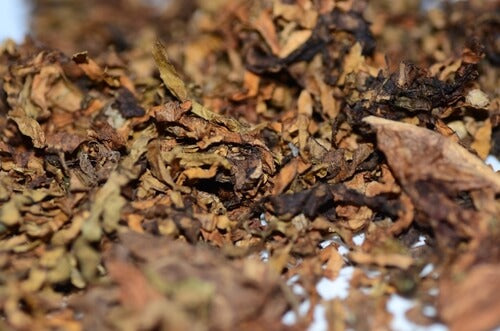
Walking into a walk-in humidor often feels like browsing a high-end art gallery where every single premium cigar is perfectly pressed, smooth, and flawless. But if you look past those pristine rows, you might spot something raw, a bit wild, and totally unrefined. These are rough cut cigars, boasting jagged edges, visible leaf veins, and an open foot that completely throws out the rulebook on uniform presentation. This rugged style strips away the modern factory gloss to focus purely on the robust, natural flavors of the tobacco leaf itself. Stepping outside your comfort zone to light one up might completely change the way you view premium smoke breaks.
The Frontier Heritage of the Untrimmed Smoke
To truly grasp what rough cut tobacco is, you have to look back to the 18th and 19th centuries, long before automated factory molds and climate-controlled shipping cargo containers existed. Tobacco cultivation was spreading rapidly through regions like Virginia, Kentucky, and Pennsylvania. The people smoking this tobacco—loggers, miners, sailors, and Conestoga wagon drivers—did not have access to pristine, imported cigars from luxury urban hubs. Instead, they smoked what was grown locally, rolled straight from the curing barn floor with zero aesthetic processing.
This environment gave rise to the classic American cheroot and the "stogie," a word born from the rugged twists smoked by those Pennsylvania wagon drivers. Pioneers and working men did not carry wooden shaping blocks or specialized tuck-cutters in their saddlebags. They simply took fermented leaves, stripped the main center stem by hand, bunched the tobacco together, and wrapped it tight. The result was a cigar that was rough to the touch, uneven in thickness, and completely frayed at the ends.
Leaving the ends untrimmed was actually a vital necessity for survival on the trail. A ragged, unfinished foot acted as a natural shield, keeping the internal filler leaves from spilling out during rough transit in a leather pouch or coat pocket. Furthermore, an untrimmed head meant a working man did not need a knife to open up the cigar; he could simply light the jagged foot and start smoking immediately.
The tobacco varieties used back then had to be incredibly hardy to survive the elements without rotting. Blenders relied heavily on dark, air-cured or fire-cured leaves that carried an intense concentration of natural oils. These robust leaves delivered a potent smoke that could easily cut through the heavy taste of trail dust and campfire smoke. When you look at a modern rough cut cigar, you are looking at a style that survived centuries purely because its rustic architecture was the most efficient, flavorful way to enjoy a raw harvest.
Defining the Rough Cut Leaf Structure
When a master blender decides to create a rustic line of cigars, it is a deliberate stylistic departure from standard production methods. In a typical premium factory setup, leaves undergo intensive sorting where any wrapper with a prominent vein or a textured surface is cast aside to maintain a perfectly uniform cosmetic line. Rough cut production flips that philosophy completely on its head by embracing those exact variations. The blender intentionally leaves the natural characteristics of the plant intact, allowing the raw texture of the agricultural product to take center stage.
This means the cigar skips the final aesthetic trimming and pressing stages that flatten out the leaves. By bypassing these steps, the tobacco maintains its natural elasticity and structural density. For the smoker, this translates to a stick that feels heavy, textured, and incredibly authentic in the hand. It is an unpolished presentation that requires an immense amount of blending balance, because without the strict uniformity of factory molds, the creator must rely entirely on the natural burning properties of the selected leaves to deliver a smooth, reliable draw.
Coarse Fillers That Define the Internal Blend
The internal blend of a rustic cigar is where the real magic happens. Instead of using perfectly aligned, long-barrel strips of filler leaf that run parallel from cap to foot, a rough cut blend utilizes a coarser bunching process. The leaves are broken down into larger, uneven sections before being rolled into the binder. This deliberate variation in filler size creates a unique internal environment for airflow and heat distribution.
As the burn line moves down the stick, the changing thickness of the coarse filler pieces means the smoke hits your palate in distinct waves. One moment you might experience a concentrated burst of dark espresso, and the next puff might shift into a sweet, woody note as a distinct section of the leaf catches fire. This creates a highly dynamic profile that prevents the smoke from becoming flat or predictable, making the entire experience feel active and engaging from the moment you light up.
Heavy Sun-Grown Leaves That Form the Wrapper
The outer wrapper of these cigars is selected for its flavor potential rather than its silky looks. These leaves are typically harvested from the highest primings of the tobacco plant, known as the ligero leaves, which receive the maximum amount of direct sunlight during the growing season. This intense sun exposure results in a much thicker, sturdier leaf that is absolutely packed with natural oils and concentrated sugars.
Because these wrappers are not subjected to heavy steaming or flattening processes to smooth out their appearance, the prominent veins and toothy texture remain fully visible. Those heavy veins act as natural reservoirs for flavor, caramelizing as the cherry of the cigar approaches and releasing a deep, natural sweetness that balances the heavy spice of the filler. It is a rugged outer layer that provides a robust tactile feel while delivering a level of flavor depth that thinner, milder wrappers simply cannot match.
The Robust Flavor Profile of Unrefined Tobacco
Lighting a rough cut cigar delivers a starkly immediate sensory experience that catches many conventional smokers completely off guard. Because the foot of these cigars is frequently shaggy, uneven, or completely unfinished, the wrapper and binder leaves extend slightly past the internal filler. When the flame first ignites the tip, you are not smoking the complete blend. Instead, those initial few puffs provide a rare, unadulterated taste of the outer leaves by themselves. This initial blast offers a clear preview of the wrapper's exact character, bursting with high-sugar oils before the internal bunch ever contributes to the draw.
Once the burn line advances and catches the internal coarse fillers, the flavor profile shifts into a heavy, full-bodied symphony dominating the palate. Unrefined tobacco does not hide behind faint floral notes, delicate grassy undertones, or mild wisps of cream. It drops you straight into a rich landscape dominated by heavy, dark notes. You will experience a massive wave of charred hickory wood, deeply roasted espresso beans, and a dense, damp loam quality resembling a walking path through a thick forest after a heavy rain. A sharp, spicy black pepper note sits prominently on the back of the throat, providing a crisp, clean bite that structures the heavier flavors and prevents them from muddying together.
The real magic of the rough cut flavor profile lies in its unpredictable, evolving nature during the session. Because the internal filler leaves are coarsely chopped rather than perfectly smoothed and layered, the ratio of tobacco burning at any given second changes constantly. A thick vein might catch fire, suddenly infusing the smoke with a rich, molasses-like sweetness. A moment later, a pocket of sun-grown ligero filler might dominate, ramping up the strength and filling the room with a pungent, leathery aroma. It is a constantly shifting experience that maintains your palate's attention, as the smoke changes from woody to peppery, then to dark cocoa, completely organically.
This bold character stems from the heavy retention of natural oils that refined cigars often lose during intensive processing. When tobacco is left in its raw state, the oils remain concentrated within the cell walls of the leaf rather than being pressed out or stripped away. As heat coaxes these oils into smoke, they coat the inside of your mouth, leaving a thick, lingering finish that stays with you long after you exhale. This heavy texture makes the profile incredibly satisfying, offering a substantial mouthfeel that pairs beautifully with equally robust beverages. It is a bold, uncompromising taste built for those who want an honest taste of the earth, proving that nature's unpolished flavors are frequently the most rewarding.
The Minimal Processing of a Raw Harvest
To understand what rough cut tobacco is at its core, you have to look at how little happens to the leaf after it leaves the agricultural fields. In a standard tobacco factory, leaves undergo endless cycles of grading, sorting, flattening, and stripping. Teams of workers scrutinize every single sheet, tossing aside any leaf that has a thick vein, a slight color variation, or a tiny natural tear. Only the most visually uniform pieces make it to the main production lines. Rough cut tobacco intentionally avoids these intensive aesthetic filtering stages, moving from the curing barn straight to the bunching table with its natural textures, variations, and physical imperfections completely intact.
Bypassing these extra handling steps preserves the internal oils and resins that give the crop its deep, authentic strength. When a factory heavily steams and irons out a tobacco leaf to give it a silky appearance, they often wash away the very compounds that drive flavor. Because the rough cut leaf skips that heavy-handed alteration, it retains its thick oil content right on the surface of the wrapper. You can actually feel that sticky texture when you handle the cigar. This high concentration of oil acts as a natural reservoir of flavor, allowing the leaf to maintain its raw agricultural identity rather than being stripped down into a uniform sheet of paper-thin wrapper.
This lack of processing heavily impacts how the tobacco behaves during the fermentation process inside the factory warehouse. When leaves are packed into massive piles, they sweat and release heat to remove bitter ammonia. Because rough cut leaves retain their heavy veins and full oil content, they ferment in their own rich sugars over many months. This slow, natural sweat creates an incredibly pungent raw aroma that you notice the second you open the box. The tobacco develops a deep, dark coloration and a robust character that feels far more alive than a leaf that has been washed and flattened into submission.
Additionally, skipping the stripping room means the natural skeleton of the plant stays in the final blend. The main veins are left inside the leaf structure, which directly affects how the cigar burns. These veins are dense and packed with nutrients from the soil, meaning they burn at a slightly slower rate than the rest of the leaf material. This variation creates a slow-burning core that prevents the smoke from getting too hot or turning bitter midway through. It leaves you with a substantial piece of tobacco that honors the raw harvest, delivering an unfiltered look at what the plant tastes like straight from the curing barn.
Why Raw Texture Matters in a Polished World
Look around at almost everything you buy today, and you will notice that it has been scrubbed, polished, and packaged to look identical to the next item on the shelf. This obsessive drive for factory perfection has made the modern marketplace feel incredibly corporate and sterile. Choosing a rough cut cigar is your chance to push back against that uniform aesthetic and grab something that still feels completely connected to the soil. Holding one of these rugged stogies between your fingers offers several clear rewards that you just cannot get from a hyper-processed product:
-
Every individual leaf grows uniquely under the sun, meaning no two rough cut cigars will ever share the exact same vein patterns or shaggy edges. This lack of cosmetic uniformity breaks up the predictable monotony of a neat collection and turns each session into a standalone visual experience.
-
The heavy, toothy surface provides a substantial physical grip that smooth cigars completely lack. It feels like a rugged, real-world agricultural product rather than a delicate luxury accessory, making it a great companion when you are working with your hands.
-
It cuts right through the corporate noise and flashy marketing spin that dominates so much of the modern tobacco industry. You are left with nothing but the raw crop, forcing your palate to focus entirely on the honesty of the raw harvest.
-
These rustic sticks naturally fit into casual settings where a hyper-polished cigar would feel way too precious. They perfectly match the laid-back grit of a late-night backyard fire pit, a day at the workbench, or a long weekend trek through the deep woods.
Basically, choosing to smoke a rough cut leaf is a vote for character over cosmetics, allowing you to tune out the noise of modern marketing and get right back to the basics of raw, honest flavor.
Honoring the Leaf’s True Character
Trading a hyper-polished wrapper for an honest, textured leaf connects you directly to the raw agricultural roots of traditional blending. These rugged cigars prove that an unrefined appearance can deliver a remarkably rich, full-bodied smoke that commands your attention from start to finish. They break up the predictable monotony of pristine collections, offering a bold alternative for slow nights spent around a backyard fire or a weekend in the woods. Reaching for a rustic option is a simple nod to heritage that puts flavor first and leaves corporate cosmetic standards behind.
Share:
Timing Your Pipe Smoking Sessions: When's the Right (and Wrong) Time to Light a Pipe?
Why Are Aromatic Tobaccos So Pipe-Dominant?