
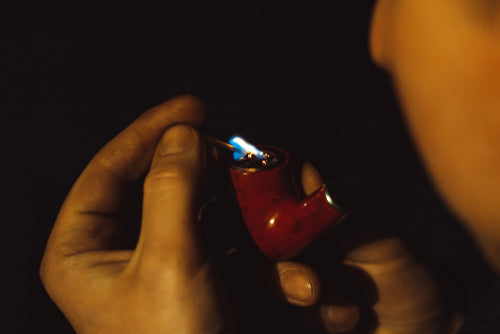
Walking into a room filled with the rich aroma of pipe tobacco instantly slows down the clock. Pulling a finely crafted bowl out of your rack feels like an invitation to step away from the daily grind for a bit. However, sparking up a pipe requires a completely separate mindset compared to other ways of enjoying a smoke. If you try to force this traditional pastime into a frantic window or a bad environment, the experience turns into a hot, tongue-scorching failure. Mastering the clock and reading your surroundings will protect your tongue and turn every bowl into a relaxing victory.
The Anatomy and Craft of a Tobacco Pipe
To get the absolute most out of a smoking session, you have to look closely at the tool in your hand. A tobacco pipe isn’t a passive object; it’s a finely tuned thermodynamic instrument designed to channel heat, manage moisture, and regulate airflow. Unlike a cigar that burns itself down to ash, a pipe remains a permanent fixture that interacts directly with the leaf packed inside its chamber. The material, size, and shape of the bowl alter how the fire behaves, how much heat transfers to your hand, and how cool the smoke tastes when it hits your palate.
Briar Wood and Its Natural Thermal Limits
The vast majority of premium tobacco pipes are carved from briar, which is the root burl of the Erica arborea plant that grows in the rocky soils of the Mediterranean coast. This wood grows in incredibly harsh conditions, forcing the root to develop a dense, tight grain pattern that is packed with natural silica. This high mineral concentration makes briar highly resistant to open flames, meaning it can handle the intense heat of burning tobacco without incinerating into charcoal. Collectors prize the wood because it is incredibly tough, yet porous enough to absorb the natural liquid byproducts that form during a smoke.
When a block of briar is harvested, it must be boiled in massive vats for hours to extract the sap and resin before being dried slowly over several months. This curing process clears out the internal pathways of the wood, leaving a clean, neutral medium that won't inject weird, sap-like flavors into your tobacco. Because briar is a dense natural insulator, it retains heat during a session, helping the ember inside the chamber stay lit even when you set the pipe down for a brief pause. However, if you draw too aggressively, that density works against you, causing the wood to trap the excessive heat and transfer a blistering burn straight to your fingers.
Meerschaum and Clay as Porous Alternatives
Meerschaum is a completely separate animal from briar, consisting of a rare, chalky mineral known as hydrated magnesium silicate that is mined primarily from deep underground deposits in Turkey. The word itself translates to sea foam, which makes perfect sense the moment you lift a meerschaum pipe because the material is surprisingly light and delicate. This mineral is incredibly porous, acting like a natural filter system that actively sips moisture and tar away from the smoke channel. Because it is completely flavorless, meerschaum delivers the purest possible taste of your tobacco blend, completely free from any woody undertones.
As you smoke a meerschaum pipe over months and years, the tobacco oils slowly saturate the porous white mineral block, migrating outward toward the surface. This physical migration causes the pipe to gradually shift colors, turning from a stark white into a deep, rich golden honey or a warm amber hue. Clay pipes operate on a similar structural level of purity and high heat tolerance, but they lack the structural strength of a mineral block. Clay runs incredibly hot to the touch because it offers zero thermal insulation, requiring you to hold the pipe purely by its long, slender stem rather than cupping the bowl in your palm.
Corncobs and the Value of Simple Utility
You should never mistake a classic corncob pipe for a cheap, throwaway gimmick because they are actually some of the coolest-smoking tools ever made. These pipes are crafted from a specific variety of dense, thick-kerneled corn that is grown exclusively for this industry. The cobs are dried for several years until they become as hard as softwood, then they are bored out, shaped on a lathe, and coated with a smooth plaster mixture on the outside. This construction leaves a highly absorbent, airy chamber that handles moisture better than almost any expensive wood on the market.
Corncobs require zero breaking-in period, meaning they deliver a sweet, slightly nutty flavor profile from the very first match strike. They are incredibly forgiving for beginners because the porous cob matrix naturally swallows up the excess liquid produced by messy packing habits or fast puffing speeds. If you accidentally scorch the rim or crack the shank, you can replace the entire setup for the price of a cheap lunch, making them the ultimate utility tools for outdoor work or casual fishing trips. They serve as an excellent test bench for trying out new, heavily cased aromatic blends without running the risk of ghosting your favorite briar bowls.
Shaping the Wood for Airflow and Balance
The physical geometry of a pipe completely dictates how it balances in your teeth and how the smoke behaves during its trip down the stem. Straight pipe shapes, like a classic billiard or a pot, feature a perfectly level drilling path that runs directly from the bottom of the bowl straight to the mouthpiece. This straight configuration makes it incredibly easy to pass a pipe cleaner down the line mid-smoke to clear out any sudden moisture blockages. However, straight designs put a high amount of leverage on your jaw muscles, requiring you to grip the stem firmly with your teeth if you want to smoke with your hands free.
Bent pipe shapes, like an apple, a system pipe, or a full bent oom paul, curve downward to shift the center of gravity closer to your chin. This curve lets the pipe hang effortlessly from your lips with minimal jaw strain, making it the ideal choice for long sessions where you are reading a book or working at a desk. The physical bend inside the shank acts as a natural gravity trap, catching heavy moisture and condensation before it can travel up the stem to your mouth. The trade-off is that bent shapes require a bit more care during cleaning, as the curved airway can sometimes block a standard wire pipe cleaner if you don't angle it just right.
Demystifying the Pipe Tobacco Blend
You cannot approach a tin of pipe tobacco the same way you look at a cigar wrapper because pipe leaf is an entirely separate world of blending, cutting, and processing. A single bowl often contains a mixture of multiple distinct tobacco varietals, each grown in different soils and cured through unique regional methods to achieve a balanced flavor. How these leaves are sliced and packaged alters how they hold water, how fast they burn, and how much attention you need to pay to your match.
The Leaf Varietals Inside the Pouch
Virginia tobacco forms the backbone of countless pipe blends, recognized by its bright golden color and its high natural sugar content. These leaves are flue-cured using heated pipes inside closed barns, locking in the natural sweetness and yielding a flavor profile packed with notes of fresh hay, citrus, and sweet grass. Because of those natural sugars, Virginia blends demand a highly disciplined, slow puffing rhythm from the smoker. If you rush your draws, those sugars will ignite like wild kindling, spiking the internal temperature of the bowl and releasing a sharp, chemical bite that will leave your tongue feeling raw for days.
Burley tobacco sits on the opposite end of the spectrum, featuring a deep brown color and almost zero natural sugar because it is air-cured slowly in open-air barns. Burley is naturally high in nicotine and possesses a dry, nutty, and slightly woody flavor profile that provides a solid, heavy body to a blend. Because the leaf structure is naturally porous and empty of sugars, it acts like a sponge for liquid toppings and flavor casings, making it the preferred base for sweet aromatic tobaccos. Burley burns slow, cool, and incredibly consistent, helping to balance out the temperamental, fast-burning nature of bright Virginias.
To add complexity to a blend, makers introduce condimental tobaccos like Latakia and Perique into the recipe. Latakia is a leaf that is smoke-cured over controlled wood fires in the Mediterranean, giving it a dark black color and a pungent aroma that smells like a rich campfire or cured leather. It burns incredibly cool and adds a savory, smoky depth to traditional English mixtures. Perique is a rare leaf grown exclusively in a tiny pocket of Louisiana, where it is packed into massive oak whiskey barrels under immense hydraulic pressure to undergo an anaerobic fermentation process. This pressure forces the juices back into the leaf, creating a peppery, dark fruit flavor profile that adds an unmistakable kick to a bowl.
How the Cut Dictates Your Packing Pacing
The tobacco’s physical cut of determines how air moves through the bowl and how much surface area is exposed to the fire.
Ribbon cut is the most common style on the market, consisting of long, thin, loose strands of leaf that look like shredded paper. This cut is incredibly easy to pack using the classic three-layer method because the loose strands naturally nestle together without completely choking off the draft. Ribbon cut ignites instantly and spreads the fire evenly across the surface, making it the ideal choice for beginners who want to focus on their pacing rather than worrying about keeping the bowl lit.
Flake tobacco takes a lot more work to prepare because the blended leaves are pressed under heavy machinery into dense, solid cakes before being sliced into thin, leather-like sheets. This compression squeezes out excess air, forcing the flavors to marry together tightly and leaving very little exposed surface area for the fire to grab. To smoke a flake, you either have to rub the sheet between your palms to break it back down into loose ribbons, or use the fold-and-stuff method to insert the intact sheet directly into the chamber. Flakes burn incredibly slow and cool, providing a long, rich smoking session that can easily last over an hour if you pack it with a patient hand.
Plugs and coins offer a similar high-density experience but require an extra tool to get the job done. A plug is a solid, compressed block of whole leaves that you must manually slice down with a sharp pocketknife before you can even think about filling your pipe. Coins are created by rolling the tobacco leaves into tight, long ropes and then slicing them into small, round discs that look like miniature medallions. These dense, compact cuts hold onto their internal moisture far better than loose ribbons, meaning they require a bit of drying time before you strike your match. They reward your extra prep work with a highly complex smoke that stays stable from the top of the bowl down to the bottom heel.
Pipe smoking is ultimately a practice rooted in patience, meaning both your mindset and your physical surroundings heavily influence the entire experience. Choosing the wrong moment can quickly turn what should be a reflective ritual into a rushed, bitter disappointment. Various external factors and settings will either elevate the subtle nuances of the tobacco or completely drown them out. Recognizing these invisible boundaries is what separates a truly great session from a waste of a good blend.
You Need to Know When the Right and Wrong Times Are to Light a Pipe
Pipe smoking is ultimately a practice rooted in patience, meaning both your mindset and your physical surroundings heavily influence the entire experience. Choosing the wrong moment can quickly turn what should be a reflective ritual into a rushed, bitter disappointment. Various external factors and settings will either elevate the subtle nuances of the tobacco or completely drown them out. Recognizing these invisible boundaries is what separates a truly great session from a waste of a good blend.
The Green Light: When to Spark Your Pipe
Finding the perfect moment to enjoy a pipe is all about aligning your personal schedule with a quiet environment that lets you focus on the craft. A pipe is not a portable, hands-free device that you can just set and forget while you run around doing chores. It’s an active hobby that demands your hands, your tools, and your concentration to keep the fire burning correctly.
When Your Hands are Completely Free
The biggest indicator that you have a perfect window for a pipe is when your hands are totally unoccupied by external tasks. Smoking a pipe is a continuous, physical loop of maintenance that requires you to hold the bowl, adjust the draft, and interact with your tools every few minutes. You need to be in a position where you can easily reach for a tamper to compress the rising ash bed or slide a wire cleaner down the stem without dropping anything. If you are trying to handle a pipe while working on a car or moving boxes, you will completely lose track of the combustion cycle.
A proper session requires a steady rhythm where you gently compress the top layer of ash while taking a tiny, feather-light sip of smoke. This tamping motion pushes the active ember back down into contact with the unburnt, fresh tobacco underneath, securing the fire line without suffocating the draft. If you neglect this step because your hands are full, the fire will separate from the fuel, causing the pipe to die out completely every few minutes. Trying to force a relight on a neglected, cold ash bed without tamping first just results in an uneven burn and a mouth full of sour soot.
During Quiet, Stationary Decompression
A slow, peaceful evening on a covered porch or inside a dedicated smoking den represents the golden standard for pipe smokers. When the wind dies down to a dead calm, the air entering the top of your bowl moves purely because of the physical suction you apply with your lips. This absolute control over the airflow lets you settle into a meditative rhythm, pulling just enough air to keep the cherry glowing like a tiny, dim red eye. The stationary environment lets the dense briar wood radiate a gentle warmth into your palm, acting as a natural physical anchor that helps you slow down your day.
This quiet window also allows you to appreciate the complex room note and the changing flavor transitions of a complex blend. As the fire slowly migrates down the chamber, it bakes the unburnt tobacco leaves sitting directly underneath it, naturally distilling the essential oils before they ever touch the flame. This process creates a shifting flavor profile where the sweetness of the Virginias or the smoky spice of the Latakia becomes richer and deeper during the final half of the bowl. Savoring these subtle shifts requires a mind that is completely free from digital distractions, frantic schedules, or noisy surroundings.
The Red Light: When to Leave the Pipe in the Rack
Just as there are perfect windows for lighting up, there are certain situations where packing a pipe is a complete waste of your premium leaf. Forcing a session into an incompatible moment will lead to a ruined tongue, a damaged pipe, and a ton of frustration. Let's explore the worst times to bring a flame to your bowl so you can avoid these common pitfalls.
Rushed Commutes and Hectic Lunch Breaks
Trying to cram a full pipe session into a brief thirty-minute drive or a hectic break between work tasks is a recipe for total disaster. A standard medium-sized bowl packed with ribbon tobacco takes a solid forty-five to sixty minutes to burn through naturally from top to bottom. If you try to force that timeline down by puffing aggressively, you turn your pipe into a miniature blast furnace that runs way past its physical thermal limits. The extreme heat will instantly scald your taste buds, completely erasing any ability to enjoy your food or drinks for the next few days.
This frantic pace causes the moisture inside the tobacco to vaporize into a superheated steam that travels straight down the airway to your mouth. This physical reaction is what old-timers call tongue bite, and it feels exactly like drinking a boiling cup of coffee too fast. The excess heat also forces the briar wood to expand rapidly, which can put immense stress on the mortise and tenon joint where the stem connects to the shank. If you try to pull the pipe apart while it is still smoking hot from a rushed session, you run a massive risk of cracking the wood or snapping the tenon clean off.
If you know you only have a sliver of free time, leaving your briar pipe in its rack is always the smartest move you can make. Trying to extinguish a half-smoked bowl of loose ribbon tobacco to save it for later never works out well because the wet dottle at the bottom of the chamber goes stale instantly. The trapped moisture and tar will saturate the raw wood walls, leaving a permanent, sour ghost flavor that will ruin the taste of the next ten blends you pack. Save yourself the headache and wait until you have a wide-open evening where you can sit flat and let the leaf burn at its own stubborn pace.
Driving a Vehicle or Handling Heavy Tools
Attempting to manage a burning tobacco pipe while navigating heavy highway traffic or operating equipment is an incredibly frustrating and unsafe balancing act. A pipe requires constant physical manipulation, meaning you will constantly need to take one hand off the steering wheel or your tools to adjust the ash bed. The moment you hit a bumpy road or make a sudden turn, the loose, hot ash sitting at the top of your bowl can easily spill out into your lap. This sudden distraction can cause you to drop the pipe completely, creating a major safety hazard while damaging the finish of your wood.
Furthermore, clenching a pipe between your teeth for long stretches while your hands are busy forces your mouth to produce a ton of extra saliva. This excess liquid naturally travels down the open bite zone of the mouthpiece and runs straight down the stem into the hot bottom of the bowl. When that pooled moisture hits the active fire at the heel, it creates a loud, wet gurgling sound that completely ruins the draw resistance. This wet dottle turns the bottom layer of tobacco into a soggy, unsmokeable muck, shooting a bitter, acidic liquid straight onto your tongue with every puff.
Driving with the windows cracked also introduces an unpredictable, high-speed draft that blows directly into the open face of the chamber. This constant rush of outside air acts like an unguided fireplace bellows, keeping the core of the tobacco burning at a dangerous white-hot level without you ever taking a single draw. This external environmental interference can unevenly char the rim of an expensive briar or even burn a permanent hole straight through the side of a delicate corncob. Keep your focus entirely on the road ahead and leave the pipe smoking for when your feet are planted safely on solid floorboards.
Simple Ways to Size Up Your Next Pipe Tobacco Smoking Session
You don't need to overcomplicate the preparation process, but running through a quick situational check before you light up will save you a ton of wasted leaf. It only takes a brief moment to gauge whether your immediate surroundings and schedule match up with the physical needs of your tobacco. Here is how you analyze your environment like an experienced pro before you ever strike a match:
-
Matching Your Free Time to the Cut: Take a long look at the clock before you pull a blend out of your cellar. If you only have a brief window, opt for a loose ribbon cut inside a small corncob rather than packing a dense, compressed flake into a deep briar bowl. Forcing a long-burning flake into a rushed schedule makes you draw too fast, turning your pipe into a scorching iron that cooks your palate.
-
Securing Full Protection from Heavy Winds: Step outside and check the local breeze before you settle into a chair with your pipe. A stiff outdoor wind will whip across the open top of your chamber, driving the internal heat way past safe structural limits and burning up your leaf before you can taste it. Pick a sheltered corner behind a solid wall or wait for a calm evening so you retain total control over the air intake.
-
Fueling Your System with a Hearty Meal: Make sure you have a solid base of food in your stomach before lighting up a heavy blend. High-nicotine leaves like dark fired Kentucky or pure Perique can hit your bloodstream incredibly fast if your tank is completely empty. Eating a good lunch or dinner keeps your blood sugar stable, preventing the sudden dizziness and nausea that ruins a great session.
-
Cleaning out the Airway Before You Start: Pass a fresh bristle cleaner down the length of the stem before you pack any fresh leaf into the bowl. Clearing out the leftover ash, tar, and moisture from your previous smoke ensures a completely unrestricted, smooth draw line from the very first match strike. A clean pathway stops the pipe from gurgling and keeps the smoke tasting crisp, dry, and clean.
-
Reading the Crowd Before Lighting It Up: Pay attention to the folks sitting around you before you unleash a thick cloud of smoke. While a sweet aromatic blend might smell like Grandma's baking to you, a heavy Latakia mixture can smell like a burning tire fire to someone who doesn't smoke. Wait for an open outdoor space or a dedicated lounge so your hobby doesn't turn into a nuisance for your company.
Basically, getting the absolute most out of your tobacco collection boils down to a healthy mix of patience and basic situational awareness.
Holding a Steady Flame
A fantastic pipe session isn't something you can cheat your way through with quick tricks or expensive gear. The entire pastime demands that you naturally match your personal schedule with the physical airflow requirements of the wood and leaf. Refusing to strike a match when your calendar is spinning out of control is what separates someone who just burns through tobacco from a smoker who actually values the craft. When you grant the bowl the quiet environment it naturally requires, the reward is a cool, bite-free smoke that makes the wait entirely worth it.
Share:
What is a Homogenized Tobacco Leaf Wrapper?
What is Rough Cut Tobacco?