
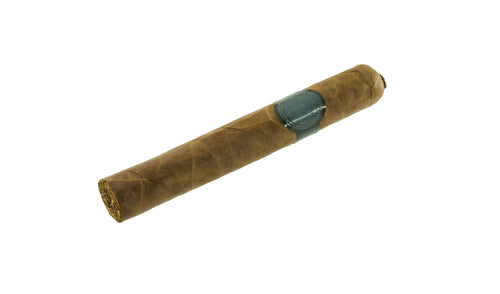
Walk into any old-school rolling room and you will notice a distinct, slightly sweet aroma hanging in the air alongside the heavy scent of premium tobacco leaves. That fragrance comes from the traditional vegetable adhesive rollers brush onto the head of a cigar to lock the wrapper leaf in place. While a lot of modern stogies rely on completely flavorless glues, the classic sweet gum method introduces a light, sugar-infused touch directly to the cap. This choice is not about creating a flavored novelty or masking a poor blend with artificial syrup. Instead, it serves as a functional, time-tested tool that changes how your palate interacts with the raw tobacco before you even light up.
The Mechanics of a Sweetened Cap
Let’s clear up a common misconception right off the bat. When people talk about sweet gum in cigar rolling, they are not talking about squeezing standard candy store syrup onto a premium leaf. The base is a natural, food-grade vegetable glue—frequently derived from gum Arabic or fruit pectin—that rollers mix with a tiny amount of natural cane sugar or citrus extract. It gets applied with a quick swipe of the finger or a small brush during the final stage of construction to secure the neat little cap at the head of the stick.
This technique traces its history straight back to early production styles, long before massive, automated operations dominated the market. Rollers discovered that adding a subtle hint of sweetness to the adhesive did two jobs at once. It gave the leaf a rock-solid hold so it wouldn’t unravel during transport, and it offered a smooth transition for the smoker’s lips. It is an old-school touch that relies entirely on simple, natural ingredients rather than chemical additives.
Why Rollers Use This Technique
Putting sugar in a cigar cap isn't a shortcut to make cheap tobacco taste better. It is a deliberate choice by the roller to fix two major hurdles every smoker faces: immediate palate shock and physical structural breakdown. When a roller sits at the bench, they look at the cap as the mechanical anchor of the entire stick. If that cap fails, the wrapper uncoils, ruining the draw and wasting premium leaf.
Fighting Chemical Bitterness on the Lips
Raw tobacco wrapper leaves carry a natural concentration of plant oils, lingering ammonia, and heavy plant alkaloids. When these raw juices hit the moisture on your lips during an unlit draw, they create a sharp, bitter prickle that throws off your taste buds. By blending cane sugar or fruit extracts into the vegetable pectin adhesive, rollers form a protective shield. This microscopic layer acts as an immediate buffer:
-
Neutralizing the first touch: The light sweetness cancels out the bitter, alkaline bite of the raw leaf before the tobacco even ignites.
-
Cleaning the cold draw: It strips away that heavy, grassy flavor common in unlit wrappers, replacing it with a crisp flavor outline.
-
Priming the taste buds: This brief burst of sugar stimulates saliva production, which helps your mouth process the actual notes of the filler blend once the foot catches fire.
Holding the Leaf Under Heavy Moisture
Rollers face a massive mechanical challenge at the head of the stick. Standard flavorless vegetable glues hold up fine in a dry humidor, but they can dissolve quickly when exposed to constant saliva during an hour-long smoke. Sweet gum fixes this structural flaw because the sugar crystals create a stickier, denser bond when cooked down into the pectin base. This specialized mixture creates a much tougher seal around the flag leaf, which is the final strip of tobacco wrapped around the head. It stays locked tight even if you tend to chew on the end or take your time between draws, stopping the wrapper from peeling back mid-smoke.
Managing the Handoff to the Filler Tobaccos
A master blender works hard to create a specific progression of flavor from the first puff to the final nub. The opening sequence is always the hardest to control because the internal filler leaves haven't reached their full burning temperature yet. Rollers use the sweet gum cap to bridge this rough opening phase. The surface sweetness dominates the first few draws while the foot heats up, then it dissolves completely right as the internal tobaccos reach their ideal combustion point. This leaves you with a clean palate right when the real, unmodified flavor profile hits its stride.
How to Handle a Sweet Gum Cap
Dealing with this kind of adhesive setup doesn't mean you need a garage full of special tools or a brand-new routine. You just have to tweak a few basic habits to make sure you get the full flavor experience without ruining the wrapper:
-
Take a quick look at the head of the stick before doing anything else. You can notice a faint, glossy sheen right on the tip, which tells you exactly where that sugared layer sits so you don't accidentally butcher it.
-
Grab a razor-sharp guillotine or a deep punch rather than a shallow v-cutter. You want to make a clean slice that opens up the airflow while leaving that outer glued perimeter completely intact. Clipping too deep or tearing the leaf with a dull blade drops the sweet gum right into your cutter instead of onto your palate.
-
Before you bring any flame to the foot, take a puff while the stick is still unlit. This lets you taste the pure sugar blend directly against the raw tobacco wrapper, priming your taste buds for what is coming.
-
Don't rush through the opening minutes trying to force the sweetness to stretch out. The flavor is concentrated strictly on the surface and naturally fades after the first ten or fifteen draws, cleanly handing the experience over to the rich filler tobaccos inside.
A Final Cut on the Sweetened Tip
The sweet gum cap stands as a perfect reminder that the smartest innovations in cigar making are often the simplest, blending basic physics with a smart grasp of human taste. By marrying a resilient vegetable adhesive with a touch of natural sugar, rollers solve the mechanical problem of wrapper unraveling while offering an incredibly smooth introduction to the blend. This traditional finish does not cheat the palate or hide the tobacco's true character; it simply primes your senses for the deeper notes waiting down the line. So, the next time you prep your cut, look for that subtle sheen on the cap and appreciate a time-tested technique that makes the very first contact just as memorable as the rest of the smoke.
Share:
Everything You Need to Know About Boutique Cigars in 2026
5 Signs it's Time to Replace Your Cigar Cutter