
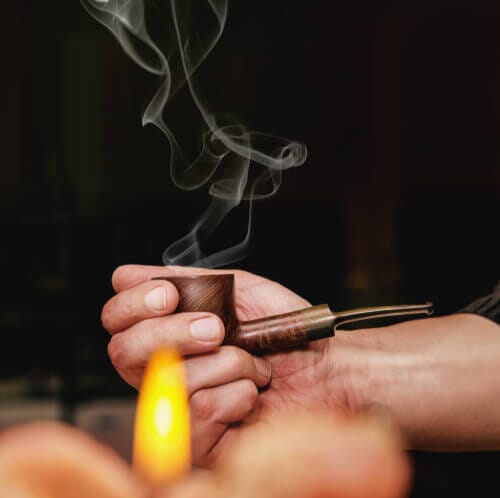
Picking up a smoking pipe for the first time usually comes with an expectation of quiet relaxation, but the reality of a scorched tongue or a bowl that refuses to stay lit can quickly dampen the mood. Many enthusiasts start out by treating the leaf like a miniature campfire, unaware that a successful smolder relies more on a steady rhythm and proper airflow than sheer heat. A frequent misstep is assuming that more effort equals more flavor, when in truth, the most rewarding sessions often come from doing much less than you think is required. Since there isn’t exactly a manual attached to the side of a new briar, it’s easy to pick up habits that turn a simple afternoon into a series of constant relights and bitter surprises. The learning curve is really about paying attention to the subtle cues of the wood and the tobacco rather than trying to force the fire to behave. Besides, getting past these early hurdles is the only way to finally reach that sweet spot where the smoke is cool and the flavors actually show up as promised.
Smoking Pipes 101
A tobacco pipe is a precision instrument designed to facilitate a slow, cool, and flavorful combustion process through the interaction of organic materials and controlled airflow. The primary vessel is almost universally carved from the root burl of the Mediterranean heath tree, a dense and fire-resistant wood known as briar that allows the smoker to maintain a smoldering ember without incinerating the bowl itself. Within this wooden chamber, the tobacco is packed in a specific manner to allow oxygen to circulate around the leaf, fueling a low-intensity fire that releases aromatic oils rather than thick, acrid smoke. This process is vastly distinct from other forms of tobacco usage, as the pipe smoker does not typically inhale the smoke into the lungs but instead allows the vapor to linger in the mouth to stimulate the taste buds. The internal architecture of the pipe, including the draft hole and the shank, must be meticulously maintained to verify that the path for the smoke remains unobstructed and dry throughout the session. Mastering the mechanics of this device is the first step in appreciating the centuries of tradition that have made it a symbol of quiet contemplation and leisure.
The tobacco used in these pipes is a diverse world of its own, consisting of various curing methods, cuts, and blends that offer a wide spectrum of sensory experiences. From the sweet, bright notes of Virginia leaves to the smoky, leathery depth of Latakia, the choice of blend dictates the temperature at which the pipe will burn and the complexity of the flavor profile on the palate. These leaves are often pressed, sliced, or rubbed out into different textures, such as ribbon, flake, or plug, each of which requires a slightly disparate approach to packing and lighting. Because pipe tobacco is typically more moist than the tobacco found in cigarettes or cigars, it demands a higher level of attentiveness to prevent the fire from being extinguished by its own humidity. The interaction between the moisture in the leaf and the heat of the flame is a delicate balance; too much water leads to steam and tongue bite, while too little leads to a hot, flavorless burn. Grasping the physical properties of these blends is vital for anyone looking to achieve a consistent and enjoyable session without constant relights.
The actual act of smoking involves a rhythmic cadence of "sipping" rather than "gulping", where the user gently draws air through the stem to keep the ember alive without overheating the briar. This steady breathing pattern is the heartbeat of the experience, ensuring that the internal temperature remains low enough to preserve the delicate sugars and oils in the tobacco. If a smoker pulls too hard, the ember will flare up, creating a harsh, bitter smoke that can damage both the pipe and the user’s tongue. Conversely, if the draw is too weak, the fire will simply die out, requiring the user to apply more heat and potentially scorch the rim of the bowl. It’s a sensory feedback loop where the smoker must feel the warmth of the bowl in their hand and taste the nuances of the smoke to judge whether their technique is effective. This level of engagement is what makes the hobby so rewarding, as it forces a state of mindfulness that is rarely found in the frantic pace of modern life.
Beyond the physical mechanics, the geometry and shape of the pipe itself play a significant role in how the tobacco performs and how the smoke is delivered to the mouth. A straight billiard might offer a more direct and robust flavor, while a deeply bent Oom Paul allows moisture to settle in the bottom of the shank, potentially offering a drier experience at the bit. The thickness of the bowl walls acts as a thermal insulator, protecting the hand from the heat while helping to maintain a steady internal temperature for the burning leaf. Some enthusiasts prefer a wide, shallow bowl for complex blends, while others gravitate toward tall, narrow chambers for a more concentrated and linear progression of flavors. Each shape offers a unique weight distribution and ergonomic feel, allowing the smoker to choose an instrument that matches their physical comfort and aesthetic sensibilities. Exploring these variations is a core part of the hobby, as every pipe in a collection will likely interact with a specific tobacco blend in a slightly unique manner.
The ritual of pipe smoking is rounded out by the social and historical context that has surrounded these objects for generations, fostering a community built on shared knowledge and appreciation for craft. It is a hobby that encourages its practitioners to slow down, offering a structured window of time where the only objective is to manage a small fire and enjoy a fragrant aroma. This deliberation extends to the maintenance of the collection, where cleaning, resting, and reaming the pipes are viewed not as chores but as part of the stewardship of a fine tool. As a pipe is smoked over the years, it develops a "cake"—a thin layer of carbonized tobacco on the inner walls—which helps protect the wood and adds a seasoned depth to future sessions. This slow maturation of both the pipe and the smoker's skill creates a sense of continuity and connection to the past.
Whether shared with friends in a quiet lounge or enjoyed alone on a porch at sunset, the pipe remains a timeless vessel for relaxation and the quiet pursuit of flavor.
Why Do Some Pipe Smokers Make Mistakes in the First Place (Either Before, During, or After Pipe Smoking)?
Human error is an inescapable part of learning any complex craft, especially one that involves as many variables as the management of an organic fire within a wooden chamber. Most of the time, these blunders stem from a lack of experience or a misunderstanding of how moisture and heat interact under pressure. It’s also common for people to bring habits from other forms of tobacco use into this hobby, which rarely translates well to the deliberate pace required for a briar pipe. And so, the main reasons for these errors can be due to:
-
Rushing the Process: Many beginners treat the session like a quick break rather than a dedicated ritual, leading to poor packing and aggressive lighting.
-
Misunderstanding Moisture: A common belief is that tobacco must be wet to be fresh, but excessive humidity is the primary cause of steam-related discomfort and frequent relights.
-
Mechanical Overcompensation: When the pipe starts to go out, the natural instinct is to puff harder, which creates a massive spike in temperature and ruins the flavor profile.
-
Lack of Proper Tools: Attempting to manage a pipe without a tamper or the correct cleaning supplies leads to inefficient burns and a build-up of sour residue.
-
Improper Storage Habits: Failing to preserve the tobacco's environment causes it to become brittle and harsh, making an enjoyable session nearly impossible from the start.
-
Ignoring Physical Feedback: Many smokers ignore the warning signs of a hot bowl or a bitter taste, pushing through a bad session instead of stopping to diagnose the issue.
So, What Exactly Then are Those Common Mistakes That Some Pipe Smokers Make?
Identifying the specific hurdles that stand between you and a perfect bowl of tobacco is the most effective way to improve your technique. These issues range from how you prepare the leaf to how you handle the pipe long after the fire has been extinguished. By looking closely at these twelve frequent errors, you can start to see the patterns that lead to a frustrating experience. Let's break down exactly what’s going wrong and how you can get your ritual back on track.
Mistake #1: Packing the Bowl Too Tightly
The most frequent error for newcomers is packing the tobacco into the chamber with so much force that it effectively turns the leaf into a solid, unbreathable plug of wood. For a pipe to stay lit, oxygen must be able to move freely between the strands of tobacco, fueling the ember from below while carrying the flavor upward through the stem. When the pack is too dense, the draw becomes restricted, much like trying to drink a thick milkshake through a pin-sized straw, which leads to immediate frustration. This lack of airflow causes the ember to suffocate, forcing the smoker to puff aggressively in a vain attempt to keep the fire alive. This over-exertion creates excessive heat and moisture, which leads to a bitter taste and the dreaded tongue bite. A properly packed pipe should feel like there is just a slight resistance, similar to the sensation of breathing through a regular straw without any liquid involved.
Fixing This Mistake: If finding the draw is too tight, do not try to "smoke through it"; instead, use the needle on your pipe tool to gently aerate the tobacco from the top. If that fails to open up the airflow, the best solution is to dump the bowl out and start over with a lighter touch, focusing on a gravity-fed approach for the bottom half of the bowl.
Mistake #2: Smoking at a "Freight Train" Pace
Many people enter the hobby with the habit of taking quick, deep puffs, which is a recipe for disaster when dealing with a briar pipe and high-sugar tobacco blends. When you draw air too rapidly through the bowl, you are effectively acting as a bellows on a blacksmith's forge, causing the internal temperature to skyrocket in a matter of seconds. This intense heat vaporizes the tobacco oils too quickly, resulting in a harsh, acrid smoke that tastes more like burnt paper than the intended aromatic profile. Moreover, this high heat creates steam from the natural moisture in the leaf, which can cause actual thermal burns to the delicate tissues of your tongue and mouth. A veteran smoker knows that the goal is to "sip" the pipe as if it were a hot cup of tea, taking slow, shallow draws that maintain a thin, translucent blue smoke. This measured cadence allows the pipe to stay cool to the touch and preserves the intricate flavor layers that make the hobby worthwhile.
Fixing This Mistake: When you notice the bowl getting uncomfortably warm in your hand, set the pipe down immediately and let it go out completely. Wait several minutes for the briar to cool down to room temperature before relighting, and make a conscious effort to slow your breathing to a rhythmic, relaxed pace.
Mistake #3: Using a Torch Lighter on Fine Briar
Using a high-powered torch lighter, the kind typically reserved for thick-wrapped cigars, is a dangerous move that can permanently disfigure a beautiful pipe. These lighters produce a concentrated, jet-like flame that reaches temperatures far beyond what is necessary to ignite pipe tobacco, and they are notoriously difficult to control. If that jet flame even grazes the rim of your bowl for a fraction of a second, it will char the wood, ruining the aesthetic finish and potentially compromising the structural integrity of the briar. Furthermore, the intensity of a torch can scorch the tobacco rather than gently igniting it, leading to a charred, bitter flavor that persists through the entire session. Pipe smoking requires a soft, traditional flame—like that from a wooden match or a specialized pipe lighter—which can be "drawn" into the tobacco by the smoker's breath. This gentler approach protects the delicate rim of the pipe and ensures that the top layer of leaf is evenly and safely toasted.
Fixing This Mistake: Retire the torch lighter for your cigar sessions and switch to high-quality wooden matches or a soft-flame butane lighter specifically designed with a side-discharge nozzle. If you’ve already charred the rim, you may be able to gently clean it with a bit of saliva on a Q-tip, but deep burns often require professional restoration.
Mistake #4: Neglecting the "Charring Light"
One of the most overlooked steps in a successful session is the initial "charring light," also known as the "false light", which prepares the surface of the tobacco for a consistent burn. Many smokers try to get the pipe fully lit on the very first strike of the match, but this often leads to an uneven ember that dies out within minutes. The purpose of the charring light is to scorch the top layer of leaf, causing it to expand and lift upward, which creates a dry, carbonized surface that is much easier to ignite permanently. After this first light, you should actually let the pipe go out, then use your tamper to gently level the expanded tobacco back down into a flat plane. Once this flat, charred surface is established, the second "true light" will catch much more easily and stay lit for a significantly longer duration. Skipping this crucial step usually results in a frustrating cycle of constant relighting and an inconsistent flavor profile.
Fixing This Mistake: Integrate the two-step lighting process into every single session: apply flame, puff gently to char the top, let it go out, tamp lightly, and then apply the final light. This creates a stable foundation for the ember and will drastically reduce the number of matches you go through in an hour.
Mistake #5: Aggressive or Excessive Tamping
Tamping is a vital skill, but many smokers use the tool with far too much pressure, effectively smothering the fire they are trying to maintain. The goal of the tamper is not to compress the tobacco into the bottom of the bowl, but rather to gently marry the glowing ember to the unburnt leaf directly beneath it. If you push too hard, you collapse the air pockets that the fire needs to survive, leading to a restricted draw and a pipe that refuses to stay lit. You should essentially let the weight of the tamper do the work, using a light "tapping" motion rather than a forceful "pushing" motion. Think of it as grooming the ash to ensure it stays in contact with the fuel, rather than compacting a trash can. When done correctly, tamping should feel effortless and should actually improve the flavor by keeping the smoke concentrated and the burn even.
Fixing This Mistake If you have accidentally over-tamped and the draw has become tight, use your pick tool to gently lift and loosen the tobacco from the sides of the bowl. In the future, try to tamp only when you notice the smoke volume decreasing, and use only enough pressure to settle the ash without moving the tobacco underneath.
Mistake #6: Smoking Tobacco That’s Too Wet
It is a common misconception that pipe tobacco should be noticeably moist to the touch, but in reality, most blends arrive from the manufacturer with far too much humidity for an ideal smoke. When tobacco is overly wet, the heat from the ember turns that moisture into steam, which is the primary culprit behind "tongue bite" and an unpleasantly hot experience. Additionally, water is heavy and difficult to burn, meaning you will find yourself constantly relighting the pipe and struggling to maintain a consistent temperature. This excess moisture also leads to "dottle"—a soggy, unsmokable mess of tobacco at the bottom of the bowl that smells sour and ruins the end of your session. Ideally, your tobacco should feel supple and not brittle, but it should not stick to itself when pinched together. Taking ten to fifteen minutes to let a bowl's worth of tobacco air-dry on a paper towel before packing can radically improve the quality of the flavor and the ease of the burn.
Fixing This Mistake: Before you pack your next pipe, spread the tobacco out on a flat surface and let it "breathe" for 15 to 30 minutes until it feels slightly springy but no longer damp. If you are already mid-smoke and struggling with moisture, use a pipe cleaner to swab the shank and remove any accumulated condensation from the airway.
Mistake #7: Inhaling the Smoke
Because many pipe smokers come from a background of cigarette or cigar use, there is a lingering instinct to pull the smoke deep into the lungs, which is a major error in technique. Pipe tobacco is typically much higher in nicotine and flavored with aromatic oils that are meant to be enjoyed by the mucus membranes in the mouth and the olfactory receptors in the nose. Inhaling this concentrated smoke can lead to a dizzying, unpleasant "nicotine hit" and a harsh irritation of the throat that ruins the relaxing nature of the hobby. The proper method involves "retro-haling" or simply holding the smoke in the mouth for a few seconds before gently puffing it out into the air. This allows you to taste the sweetness of the Virginias or the spice of the Perique without the physical discomfort associated with lung inhalation.
Fixing This Mistake: Practice the "sip and breath" method, where you take a small puff into your mouth, hold it while breathing normally through your nose, and then release it slowly. If you find yourself inhaling out of habit, try switching to a larger, heavier pipe that requires more effort to draw, which can help break the subconscious association with cigarettes.
Mistake #8: Not Cleaning the Pipe After Every Use
One of the quickest ways to ruin a high-quality briar pipe is to let the moisture and tar from a session sit inside the shank and stem for days or weeks at a time. Every time you smoke, the cooling vapor deposits a thin layer of "juice" consisting of water, tobacco oils, and ash inside the internal airway. If left to sit, this residue becomes sour and bitter, eventually seeping into the briar itself and giving every subsequent bowl a foul, "dirty" taste. A pipe that’s not cleaned regularly will eventually develop a blockage in the draft hole, making it impossible to draw air through and requiring a difficult deep-cleaning process to fix. The simple act of running a dry pipe cleaner through the stem and shank immediately after the pipe has cooled is enough to prevent 90% of these long-term issues. It is a five-second task that preserves the value of your investment and ensures that your next session starts with a fresh, clean slate.
Fixing This Mistake Make it a non-negotiable rule to run at least one pipe cleaner through the stem until it comes out white after every single bowl you smoke. If your pipe already has a sour smell, dip a cleaner in high-proof grain alcohol and scrub the internal airway thoroughly, being careful not to let the liquid touch the exterior finish of the wood.
Mistake #9: Removing the Stem While the Pipe is Still Hot
This is a structural error that can lead to a snapped tenon or a cracked shank, potentially destroying the pipe beyond repair in a single moment of impatience. When you smoke, the heat from the ember causes both the wooden shank and the synthetic stem to expand at disparate rates, making the fit between the two components much tighter than usual. If you attempt to twist the stem out while the materials are still expanded and softened by the heat, you run a high risk of putting too much lateral pressure on the mortise and tenon joint. This often results in the wooden shank cracking under the stress or the tenon snapping off entirely, leaving you with two useless pieces of briar and acrylic. It’s vital to wait until the pipe is completely cool to the touch—usually at least thirty to forty-five minutes after the session—before disassembly for cleaning. Patience in this regard is the only way to verify that the delicate friction-fit of your pipe remains secure and functional for decades.
Fixing This Mistake: If you feel resistance when trying to remove the stem, stop immediately and let the pipe sit for another hour to ensure it is at room temperature. For stems that are consistently "stuck," you can place the pipe in the freezer for ten minutes to cause the materials to contract, which should allow for a much safer and easier removal.
Mistake #10: Neglecting the "Cake" Build-up
The "cake" is the carbonized layer of tobacco and ash that forms on the inner walls of the pipe bowl, and while a thin layer is beneficial, letting it grow too thick is a recipe for disaster. This carbon layer acts as a protective barrier that prevents the wood from burning, but because carbon expands when heated, a cake that is too thick can actually exert enough pressure to crack the briar bowl from the inside out. Conversely, if you are too aggressive and scrape the bowl down to the bare wood every time, you never allow that protective layer to form, leaving your pipe vulnerable to "burnouts". The ideal thickness for a cake is roughly the width of a nickel, providing a balance of protection and flavor without endangering the structural integrity of the pipe. Many beginners either ignore this build-up entirely or try to keep the bowl perfectly "clean," both of which are detrimental to the long-term health of the briar. Proper maintenance requires a specialized reaming tool to gently shave away excess carbon once or twice a year, depending on how often you smoke.
Fixing This Mistake: Monitor the interior of your bowl once a month; if the chamber is becoming noticeably smaller or the walls look "crusty", it is time to use a pipe reamer. Work slowly and take off only a fraction of a millimeter at a time, aiming to leave a smooth, even layer of carbon that protects the wood without restricting the tobacco capacity.
Mistake #11: Storing Tobacco in Its Original Tin for Too Long
While the vacuum-sealed tins that high-end tobacco comes in are great for shipping, they are rarely designed for long-term storage once the seal has been broken. As soon as you "pop" the lid, oxygen enters the environment and the moisture in the leaf begins to evaporate, leading to brittle, flavorless tobacco within a matter of weeks. Many smokers make the mistake of leaving half-full tins on their shelf, only to find a dry, dusty mess the next time they reach for that specific blend. Dry tobacco burns much faster and hotter than intended, losing the delicate aromatic notes and becoming harsh on the throat. To preserve the integrity of your leaf, you should transfer any tobacco that you won't finish within a few days into a glass mason jar with a two-part sealing lid. This creates a true airtight environment that can maintain the perfect moisture level for years, and even allows the tobacco to "age" and improve in flavor over time.
Fixing This Mistake: Purchase a case of small, wide-mouth glass canning jars and transfer your tobacco into them the moment you open a new tin. Label the lid with the blend name and the date you opened it, and verify that the rim of the jar is clean before tightening the lid to guarantee a perfect seal.
Mistake #12: Ignoring "Sour" or "Ghosted" Flavors
If noticing that your favorite Virginia blend suddenly tastes like smoky Latakia or has a funky, bitter aftertaste, you are likely experiencing "ghosting" or a sour pipe. Ghosting happens when you smoke very strong, pungent blends in the same pipe used for delicate, lighter tobaccos, as the oils from the heavy blend seep into the carbon cake and the wood itself. A "sour" pipe, on the other hand, is usually the result of trapped moisture and tar that has fermented inside the briar due to poor cleaning habits. Many smokers simply ignore these off-flavors, but they are a sign that the pipe is in desperate need of a "salt and alcohol" treatment or a long rest. Continuing to smoke a sour pipe will only deepen the problem, eventually making the object unsmokable and potentially ruining expensive tobacco blends. Dedicated smokers often solve this by "dedicating" specific pipes to certain genres of tobacco, ensuring that flavors remain clean and distinct.
Fixing This Mistake: Perform a deep clean by filling the bowl with kosher salt and carefully dripping high-proof alcohol onto it until the salt is saturated but not swimming. Let it sit overnight as the salt draws the tars and "ghosts" out of the wood, then dump it out and let the pipe dry for at least 48 hours before smoking it again.
Can These Mistakes Be Prevented?
The vast majority of these errors can be avoided entirely by simply shifting your mindset from one of consumption to one of craftsmanship and patience. Most people struggle because they are trying to fit a deliberate, old-world hobby into a modern, fast-paced schedule that doesn't allow for the necessary learning curve. If you treat each session as a practice rather than a performance, you will find that the physical mechanics of the pipe become second nature much faster than you expect. Some prevention tips include:
-
The Ten-Minute Rule: Always set aside at least 10 minutes more than you think you need for a session, which removes the pressure to rush the packing or the light. Use this extra window to carefully inspect the airway for obstructions and to gently gravity-feed the tobacco into the bowl rather than shoving it in during a hurry. This small buffer prevents the frantic puffing that typically happens when you are trying to force a pipe to stay lit while your mind is already moving on to the next task.
-
The "Pinch Test" for Moisture: Before packing, pinch a small amount of tobacco together; if it stays in a ball, it is too wet, and if it crumbles to dust, it is too dry. Ideally, the strands should slowly unfurl and separate after a few seconds, indicating that the leaf is supple enough to pack without being so damp that it creates steam. If the tobacco fails this test, give it more time to air out on a flat surface until the texture feels springy and resilient.
-
Invest in a Quality Tamper: Do not use your finger or a random twig; a flat-bottomed tamper is the only way to manage the ash bed accurately and safely. A dedicated tool allows you to feel the resistance of the tobacco beneath the ash, helping you decide exactly how much pressure is needed to reconnect the ember with the fresh leaf. Using the wrong tool often leads to uneven compression, which results in a lopsided burn and a wasted bowl of expensive tobacco.
-
Rotate Your Collection: Never smoke the same pipe twice in one day; the briar needs time to "rest" and release the moisture absorbed during the session to prevent souring. Even a brief smoke deposits condensation into the pores of the wood, and if you don't allow that liquid to evaporate naturally, the briar will eventually develop a persistent, swampy odor. A twenty-four-hour rest period is the standard baseline for keeping a pipe smelling fresh and performing at its peak for decades.
-
Focus on the "Sip": Remind yourself throughout the session to draw air through the stem as if you are trying to taste a delicate wine, not trying to light a bonfire. This soft draw keeps the temperature of the ember at a low smolder, which is the only way to experience the subtle sweetness and aromatic nuances of the blend. If you find yourself pulling hard enough to make a whistling sound, you are moving far too much air and will likely end up with a scorched palate.
-
The "Clean Mouth" Standard: Always brush your teeth or rinse your mouth before a session to ensure your taste buds are fresh and not carrying flavors from your last meal. Residual spices, acids, or sugars from food can clash with the tobacco, making even a premium blend taste muddled or unpleasantly bitter. Starting with a neutral palate allows you to detect the faint notes of citrus, earth, or leather that a master blender worked so hard to achieve.
-
Drying on a Schedule: If you know you are going to smoke in the evening, set out a bowl's worth of tobacco in the morning to let it reach the perfect humidity level. This proactive approach is much more effective than trying to "flash dry" tobacco under a lamp or with a hair dryer, which can ruin the essential oils. By letting the leaf acclimate to the ambient air of the room, you guarantee a more stable and predictable burn once you finally put match to wood.
-
The "Hand Warmth" Gauge: If the bowl becomes too hot to hold comfortably against your cheek, you are smoking too fast—stop and let it cool. The briar should never feel like it is radiating intense heat; it should simply feel pleasantly warm, like a mug of lukewarm coffee. Using your skin as a thermometer is the most reliable way to gauge your cadence and protect the wood from internal damage or a catastrophic burnout.
-
Keep a Smoking Journal: Note which blends perform best in which pipes and what techniques worked well, helping you spot patterns and avoid repeat errors. You might find that a specific flake tobacco requires twenty minutes of drying time in a narrow bowl but smokes perfectly right out of the tin in a wider one. Documenting these small victories and failures turns the hobby into a manageable skill rather than a series of lucky guesses.
-
Use Pipe Cleaners Mid-Smoke: If you hear a "gurgling" sound, don't ignore it; run a cleaner down the stem immediately to dry out the airway and save the flavor. This sound is the result of moisture pooling in the shank, which can easily be sucked back into the mouth if it isn't dealt with quickly. A quick swab mid-session keeps the smoke dry and prevents that bitter, acrid "juice" from ruining the final third of your bowl.
-
Buy a "Workhorse" Pipe: Have one rugged, reliable pipe for outdoor activities where you know you might be distracted, saving your fine briars for quiet indoor time. A sturdy rustic or sandblasted pipe can handle the wind and the occasional drop much better than a high-polish smooth pipe that requires constant vigilance. This allows you to enjoy the leaf in any environment without the lingering anxiety of damaging a museum-quality piece of wood.
-
Listen to the Leaf: Pay attention to how different cuts—like flakes versus ribbons—burn, and adjust your packing pressure accordingly for each distinct type. A dense flake often needs to be rubbed out or packed much looser than a thin ribbon cut to ensure that oxygen can still reach the center of the fire. By tailoring your technique to the specific physical properties of the tobacco, you remove the guesswork and create a much more consistent and enjoyable session.
Remember, prevention isn't about being perfect; it's about being observant and willing to adjust your technique when the pipe gives you feedback.
A Pipe Smoking Mistake Doesn't Have to Be the End of Your Session
Landing on a soggy bowl or a hot shank is just a signal that the wood and the fire need a minute to settle down. You can often save a rough session by simply setting the pipe down and letting the briar return to room temperature before trying again with a lighter touch. These small hiccups in technique are really just the way the leaf teaches you to pay closer attention to the subtle cues of your own breath. Once you stop overthinking the mechanics and start reacting to the physical feedback of the ember, the flavor you want finally starts to show up on its own. Sticking with it through these minor stumbles is the only way to reach that steady, cool smolder that makes the hobby worth the effort.
Share:
Which Humidor Exterior Material is Best For Protection and Appearance?
Everything You Really Need to Know About Pipe Stems