
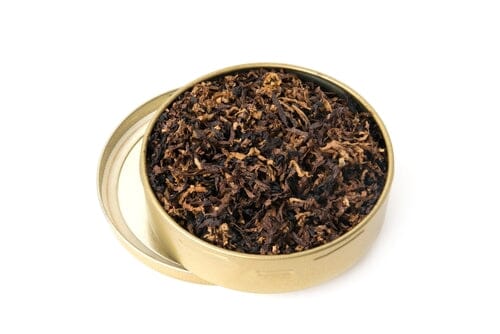
Lighting a bowl and settling into a quiet corner is more than a simple habit; it’s a tactile ritual that connects us to centuries of craftsmanship. For many people, the subtle dance of smoke & flavor represents a rare moment of stillness in an otherwise loud world. However, nothing sours that serenity faster than opening your favorite pipe tobacco stash only to find it behaving more like a wet sponge than a premium smoke. This damp nuisance often stems from a lack of awareness regarding how air and temperature interact within your storage containers. By looking at how moisture behaves behind closed lids, we can protect the integrity of our leaves and maintain every puff as satisfying as the first.
Everything You Need to Know About Pipe Tobacco First
Pipe tobacco is a highly specialized agricultural product that sits in a separate category from the leaves used in cigar production, primarily due to the curing and fermentation methods utilized. While cigars often rely on heavy, high-heat fermentation in massive piles to shed impurities and develop a bold, earthy profile, pipe leaf is treated with a lighter hand to preserve natural sugars and delicate volatile oils. The botanical variety, Nicotiana tabacum, is curated through flue-curing, fire-curing, or sun-drying to achieve specific chemical balances that favor a slow, cool smolder. Because the leaf is shredded or pressed rather than rolled whole, the surface area exposed to oxygen is much greater, making it far more sensitive to environmental shifts. This sensitivity is precisely why your choice of storage and your awareness of humidity become the deciding factors in whether your blend ages gracefully or turns into a soggy mess.
Selecting a specific variety of leaf is only an initial step, as the manner in which the components are grouped determines the overall aromatic and physical profile of the smoke. Translation: the way these leaves are combined creates various categories that react to moisture in distinct ways:
-
Aromatic Blends: These are treated with top-dressings or "casings", such as vanilla, cherry, or chocolate, which often increase the initial moisture content and make them more prone to "sweating" in a sealed container. Because they carry extra humectants like propylene glycol, they can feel moist to the touch even when the relative humidity is technically stable, leading many hobbyists to over-seal them and inadvertently trap excess water.
-
English Mixtures: Generally defined by the presence of Latakia, these rely on natural leaf flavors and are typically drier than their aromatic cousins, though they still require careful thermal management. They are prized for their smoky, campfire-like aroma and their ability to remain consistent throughout a long smoke, provided the oils within the leaf are not diluted by internal condensation.
-
Balkan Blends: Similar to English mixtures but with a heavier emphasis on Oriental leaves, these create a complex, spicy smoke that can become muddled if the moisture levels inside the jar fluctuate too wildly. The high concentration of sun-cured leaves makes them particularly sensitive to "stewing," where heat and trapped water vapor begin to cook the leaf, altering the intended spice profile.
-
Non-Aromatic (Natural) Blends: These focus purely on the inherent sugars and oils of the leaf without added flavorings, providing a clean experience that highlights the quality of the base crop. Without the protective barrier of heavy casings, these natural leaves are the most susceptible to drying out if the seal is poor, yet they’re also the most revealing when condensation begins to degrade the flavor.
The specific varietals used in these mixtures are the building blocks of flavor, each contributing a distinct chemical signature to the bowl. Understanding these components helps you predict how a blend will behave when the temperature shifts:
-
Virginia: Often called the "queen of pipe tobacco," this leaf is flue-curing to lock in high sugar content, which translates to a bright, citrusy, or hay-like sweetness. Because of those sugars, Virginia leaf is incredibly reactive to moisture; if it gets too damp, the steam during the smoke can cause "tongue bite," and if it’s stored in a way that encourages condensation, the sugars can ferment in ways that ruin the intended vintage.
-
Kentucky: This is a fire-curing leaf that carries a bold, smoky, and slightly nutty profile with a significant nicotine hit. It is a sturdy leaf that holds up well under pressure, but its dense structure means that once it absorbs excess condensation, it takes much longer to dry back out to a smokable state.
-
Carolinas: Similar to Virginias but often with a deeper, earthier tone, these leaves are prized for their body and their ability to anchor a mixture. They act as a sponge for flavor, which also means they act as a sponge for any water vapor that settles at the bottom of a jar or bag.
-
Burley: Naturally low in sugar and high in oil, Burley is often air-cured in large barns where it develops a cocoa or nutty flavor. Its porous nature makes it the ideal vehicle for casings in aromatic blends, but that same porosity means it will soak up condensation faster than almost any other leaf type.
-
Latakia: Produced by fire-curing Oriental leaves over specific hardwoods and aromatic shrubs, Latakia is the "salt and pepper" of the pipe world. It is a very dry leaf by nature, and if it becomes overly hydrated by condensation, it loses that crisp, smoky "edge" that defines the English genre.
-
Perique: A rare, spicy leaf from St. James Parish in Louisiana, Perique is fermented under intense pressure in oak barrels. It is already a "moist" tobacco due to the fermentation juices, so adding condensation to the mix can lead to a swampy consistency that is nearly impossible to ignite.
-
Orientals (Turkish): These small, sun-cured leaves are packed with aromatic oils that supply a "dusty" or sour-sweet spice to a mixture. Because they are grown in arid climates, they are quite hygroscopic and will aggressively pull moisture from the air inside if the temperature drops.
-
Cavendish: This isn't a type of leaf but a process of steaming and pressing tobacco (often Burley or Virginia) to mellow it out and increase sweetness. Because of the steaming involved in its creation, Cavendish starts with a higher internal moisture level, making it a primary candidate for causing condensation issues in sealed tins.
-
VaPer (Virginia/Perique): This classic pairing relies on the bright sweetness of Virginia to balance the dark, peppery funk of Perique. The balance of this blend is extremely delicate; even a small amount of condensation can cause the Perique to dominate the flavor profile or cause the Virginias to lose their crispness.
The physical preparation of these leaves also has a role in how they interact with the air trapped inside your storage. Each cut offers a different surface area-to-volume ratio, which affects how quickly it reacts to moisture:
-
Ribbon Cut: This is the most common preparation, consisting of long, thin strands that are easy to pack and light. However, the high surface area means that ribbon-cut tobacco can absorb or release moisture almost instantly, making it highly reactive to temperature changes in a Mylar bag or jar.
-
Flake/Pressed: Here, the tobacco is pressed into dense bricks and sliced into thin wafers. This density protects the inner parts of the leaf from immediate moisture shifts, but if condensation forms on the surface of a flake, it can sit there and cause localized mold growth more easily than in loose ribbons.
-
Plug: This is the un-sliced version of a flake, a solid block of tobacco that requires the smoker to cut off their own portions. Plugs are the most resilient to condensation because the majority of the leaf is protected within the dense center of the block, though the exterior can still become "slimy" if stored in a damp environment.
-
Ready Rubbed: This is a flake that has been partially broken down for the smoker, offering a middle ground between the density of a flake and the ease of a ribbon cut. It has enough surface area to be sensitive to condensation but enough bulk to retain its core flavor profile for longer.
-
Rope/Twist: The most traditional and dense form, where leaves are spun into a thick rope. These are nearly impervious to minor humidity fluctuations, but if they are stored in a jar that experiences a "flash cure" of condensation, the outer layers can become oversaturated while the core remains dry, leading to uneven aging.
Beyond the cut and the leaf type, the strength of the blend dictates how much of a "buffer" you have before the flavor is ruined by excess water. A stronger blend can often mask minor storage errors, while a light blend will show its flaws immediately:
-
Mild / Light: These blends usually rely on high-sugar Virginias or light Burleys and are extremely delicate. Even a tiny amount of condensation can make the smoke feel "thin" or "steamy," ruining the subtle notes of hay or citrus.
-
Mild: These have a bit more body but still lack the heavy oils of stronger mixtures. They are the "canaries in the coal mine" for storage issues, as they will lose their aromatic appeal long before the heavier blends do.
-
Medium: The workhorse of the pipe world, these blends have a balanced oil and sugar content that makes them somewhat resilient. They can handle a bit of moisture fluctuation, but consistent condensation will eventually lead to a "muddy" flavor profile.
-
Full / Strong / "Full-Bodied": These are packed with Vitamin N and heavy, oily leaves like Dark Fired Kentucky or Latakia. While they are physically robust, the high oil content can interact strangely with water droplets, sometimes creating a slick film on the leaf that prevents proper combustion.
-
Very Strong: These are the heavy hitters that demand respect. Because they are so dense and oil-rich, they often require a very specific moisture level to stay smokable; if condensation pushes them over the edge, they become almost impossible to keep lit and can leave a bitter, watery residue in the bottom of your pipe.
Finally, we must consider the vessels we use to house these precious leaves, as each material interacts with the environment in its own way. The physics of your packaging will determine how much air is trapped and how quickly that air responds to external heat:
-
Mylar Bags: These are modern, flexible, and provide an excellent oxygen barrier. However, because they are thin, they have very little thermal insulation, meaning the air inside the bag will change temperature rapidly if the room warms up or cools down, which is a recipe for condensation.
-
Pouches: These refer to blends specifically packaged in soft, flexible sleeves—usually made of plastic, foil-lined paper, or Mylar—designed for portability and immediate use. Because the packaging is not as airtight or rigid as a vacuum-sealed tin or Mylar bags, it’s more susceptible to ambient temperature shifts, which can trigger condensation inside the lining.
-
Cans: Usually referring to the larger "bulk" style cans with plastic lids, these are great for short-term access but are rarely airtight. The fluctuating air exchange can actually prevent condensation by allowing moisture to escape, but it also means your tobacco is constantly drying out.
-
Tins: The classic vacuum-sealed metal containers that tobacco is sold in. These are fantastic until they are opened; once the seal is broken, the metal conducts heat very efficiently, which can cause the moisture inside to evaporate and then condense on the cold metal lid when the temperature drops.
-
Jars: Glass canning jars are the gold standard for long-term aging because they are truly airtight and non-reactive. However, glass is also a great conductor of temperature and allows you to see the condensation forming, which can be both a blessing and a curse for the concerned hobbyist.
What is Condensation and How Does It Occur?
Condensation is a physical phenomenon that occurs when water vapor in the air transitions back into a liquid state upon coming into contact with a cooler surface or experiencing a drop in temperature. In the context of pipe tobacco, this vapor isn't just "humidity" from the room; it’s the moisture that’s naturally held within the tobacco leaf itself, which’s vital for maintaining flavor and preventing the leaf from becoming brittle. Air has a specific "carrying capacity" for water vapor that changes based on its temperature; warm air can hold significantly more moisture than cold air can. When you seal a jar or bag of tobacco at room temperature, the air trapped inside reaches an equilibrium with the moisture in the leaf. However, if the external temperature drops—perhaps because you moved the jar to a cold basement or a window sill at night—that trapped air can no longer hold the same amount of water, and the excess is "squeezed" out, forming visible droplets on the walls of the container or the surface of the tobacco.
This process is governed by what scientists call the "dew point" – the specific temperature at which the air becomes 100% saturated with water vapor. If the temperature of your storage packaging falls below this point, the phase change from gas to liquid is inevitable. This is particularly problematic in containers that are only partially full, as the larger volume of "headspace" contains more air and, consequently, more potential water vapor. When the sun hits a jar during the day, the air inside warms up and draws moisture out of the leaf through evaporation. As soon as the sun sets and the glass cools down, that evaporated moisture hits the cold glass and turns back into liquid water. This cycle of "breathing" out moisture and then having it settle back as liquid droplets is what we call internal condensation, and it can happen hundreds of times over the course of a few months if the storage environment isn't strictly controlled.
How Does Condensation Affect Pipe Tobacco Then?
When liquid water begins to accumulate inside a sealed environment, it fundamentally alters the chemistry and physics of the leaf in ways that can be difficult to reverse:
-
Promotes Mold Growth: This is the most significant danger, as dormant mold spores are present on almost all organic matter and only require a consistent source of liquid water and a lack of airflow to begin a colony. Once white or green fuzz appears on your leaf, the entire container is usually a loss, as the mycelium spreads deep into the fibers of the tobacco long before it is visible to the eye.
-
Causes "Steamy" Smokes: If you attempt to smoke leaf that has been subjected to condensation, the excess surface moisture will turn into steam the moment the flame touches it. This steam carries heat directly to your tongue, causing painful burns known as "tongue bite" and masking the actual flavor of the blend with a generic, hot, watery sensation.
-
Leaches Out Essential Oils: The flavors we love in pipe tobacco come from delicate oils and sugars that are soluble in water. When condensation droplets sit on the leaf, they can pull these flavor compounds out of the tobacco and then evaporate, leaving the flavor stuck to the side of the jar or bag rather than inside the leaf where it belongs.
-
Ruins the Aging Process: Proper aging, or "cellaring," requires a slow, anaerobic fermentation where the sugars in the leaf break down over years. Condensation disrupts this by introducing pockets of high moisture that can cause the tobacco to rot or sour rather than fermenting into the mellow, complex vintage you were hoping for.
-
Alters Combustion Physics: For a pipe to stay lit, the tobacco must be at a precise moisture level; if it’s too wet, the fire cannot sustain itself. Condensation creates "hot spots" and "cold spots" in your container, leading to a frustrating experience where some of the bowl burns perfectly while other parts refuse to ignite at all.
How to Deal with Pipe Tobacco Condensation in a Mylar Bag, Can, Tin, or Jar
Addressing the issue of moisture buildup requires a proactive approach that balances the need for a seal with the reality of temperature fluctuations. By managing the air volume and the thermal stability of your storage area, you can neutralize the threat of condensation before it starts to degrade your collection.
Dealing with Pipe Tobacco Condensation in a Mylar Bag
Mylar bags are a favorite for bulk storage because they are space-efficient and provide a total barrier against light and oxygen. However, their flexibility and lack of structural insulation make them uniquely vulnerable to the "breathing" effect where temperature shifts cause immediate moisture spikes:
-
Eliminate the Headspace: The best way to prevent condensation in a bag is to remove as much air as possible before sealing. Without air to hold water vapor, there is nothing to condense when the temperature drops, so use a vacuum sealer or the "straw method" to collapse the bag tightly around the leaf.
-
Use Thermal Buffering: Since Mylar is thin and conducts temperature quickly, you should never store these bags directly against an outside wall or on a floor. Placing your Mylar bags inside a secondary, insulated container like a plastic cooler or a wooden chest will slow down temperature shifts and keep the air inside the bag stable.
-
Monitor the Texture: Because you can't see through most high-quality Mylar, you should occasionally feel the bag to check for "clumping." If the tobacco feels like a solid, wet brick through the plastic, you likely have a moisture issue and need to open the bag, let it air out for an hour, and then re-seal it with less air.
-
Avoid Over-Hydration: Many people add moisture coins or humidification packs to their Mylar bags, which is a mistake. The bag is a perfect seal; adding extra water just increases the "dew point" inside, making condensation almost certain if the room cools down by even a few degrees.
Note: For pouches, to manage this, the tobacco is typically cut into a fine ribbon or shag that promotes better airflow and uses its chemical casing to prevent the moisture from pooling or causing the leaf to become soggy during transit.
Dealing with Pipe Tobacco Condensation in a Can
Bulk cans, particularly those with the "snap-on" plastic lids, are less of a concern for condensation but more of a concern for drying out. However, if you live in a high-humidity environment, they can still trap enough moisture to cause issues:
-
Transfer to Smaller Vessels: Take for instance if you have a large 8oz. or 16oz. can that’s half-empty. The massive amount of air inside will lead to condensation. Moving the tobacco to a smaller container that’s filled to the top will minimize the amount of water vapor that can be held in the air.
-
Check the Plastic Lid Seal: The plastic lids on these cans are notorious for not being 100% airtight, which can actually be a benefit as it allows "pressure relief." If you see moisture forming on the inside of the lid, it's a sign that the can is too warm; move it to a cooler, darker place immediately.
-
Use a Silica Buffer (Externally): If you store your cans in a cabinet, keeping a large desiccant pack in the cabinet (not in the tobacco!) will help keep the ambient humidity stable. This prevents the "flash" of moisture that occurs when a humid room suddenly cools down at night.
-
Avoid Temperature Extremes: Never store tobacco cans near a heater, oven, or computer tower. The localized heat will drive moisture out of the leaf, and it will inevitably condense on the lid the moment the heat source is turned off.
Dealing with Pipe Tobacco Condensation in a Tin
Tins are the most common way to buy premium blends, and their metal construction makes them very reactive to the touch. Once the vacuum seal is "popped", the tin becomes a micro-environment that requires active management:
-
Wipe the Lid Regularly: If you’re actively smoking through a tin, get into the habit of wiping the inside of the metal lid with a dry paper towel every time you open it. This removes the "first stage" of condensation before it has a chance to drip back down onto the tobacco.
-
Don't "Huff" the Tin: We all love the smell of a fresh tin, but breathing directly into the container introduces warm, moist air from your lungs. This is enough to trigger a condensation cycle, so enjoy the aroma from a distance and close the lid quickly.
-
Check for "Rust Rings": If you see orange or brown staining on the inside of the tin, that is a sign that condensation has been occurring for a long time and is reacting with the metal. If this happens, transfer the tobacco to a glass jar immediately, as the rust will ruin the flavor of the leaf.
-
The "Paper Liner" Trick: Most tins come with a paper doily or liner. If yours is missing, adding a small piece of unbleached parchment paper on top of the tobacco can act as a secondary barrier, catching any falling droplets before they hit the leaf.
Dealing with Pipe Tobacco Condensation in a Jar
Glass jars are the preferred method for long-term storage, but they are also the most prone to visible condensation because glass is such a poor insulator. You can use the transparency of the jar to your advantage to manage the environment:
-
Store in Total Darkness: Light hitting a glass jar creates a "greenhouse effect," heating the air inside much faster than the surrounding room. By keeping your jars in a dark closet or a cardboard box, you eliminate the primary driver of the evaporation-condensation cycle.
-
Pack the Jar Properly: A jar that is loosely packed with lots of air at the top is a condensation trap. Fill your jars to within a half-inch of the rim; this leaves just enough air for the tobacco to "breathe" during aging without providing enough volume to hold problematic amounts of water vapor.
-
The "Tee-Shirt" Method: For particularly valuable jars, some collectors wrap them in old cotton socks or cloth. This provides a layer of insulation that prevents the glass from cooling down too quickly, which keeps the air inside the jar above the "dew point" during the night.
-
Burp the Jar Wisely: If seeing "fogging" on the glass, you should "burp" the jar by opening it for 30 seconds to let the moist air escape. Only do this if the room's humidity is lower than the jar's, otherwise, you are just inviting more moisture in.
What Happens If It's Too Late to Save That Pipe Tobacco Due to the Condensation?
If you find that your tobacco has already become overly damp or started to develop a "musty" smell, you must act quickly to save what you can. Allowing the moisture to sit for even a few extra days can lead to irreversible mold growth or a permanent souring of the natural sugars in the leaf. The first step is to spread the tobacco out on a clean, dry tray in a room with good airflow but no direct sunlight, letting it "air dry" until it reaches the proper springy consistency. You gotta be aggressive in your monitoring during this phase; if you catch the issue early, the leaf can usually be revived without a total loss of flavor. However, once the structural integrity of the leaf begins to break down into a mushy or slimy state, the chemical changes have gone too far, and the tobacco will likely never smoke well again. It’s always better to be overly cautious with your storage temperatures than to have to attempt a rescue mission on a prized blend that has been ruined by simple neglect.
Outsmarting the Moisture in Every Packaging
Shielding your pipe tobacco from the sudden temperature drops that turn internal moisture into a soggy disaster is the real secret to a legendary cellar. It takes more than just a click or lid to stop Mylar bags, glass jars, or metal tins and cans from sweating through their contents during a cold snap. Putting in the work to stabilize these environments now means you won't have to toss out a moldy, ruined stash six months down the road. This proactive stance maintains the integrity of the natural oils inside the leaf rather than letting them bleed onto the walls of the container. You’re building a reliable inventory of flavor that rewards every ounce of your attention with a cool, dry, and effortless burn.
Share:
What's the Difference Between Machine-Made Cigarillos and Machine-Made Small Cigars?
A Common Stogie Question: Can a Premium Cigar Get Too Soft or Too Hard?