
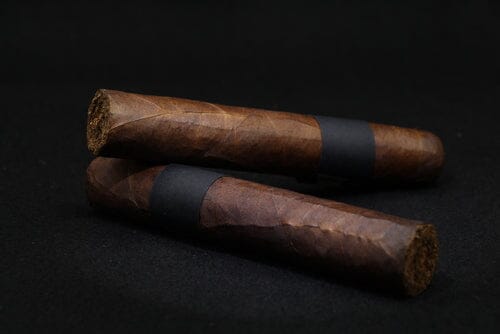
Did you know there's a specific kind of gravity that comes with holding a Double Robusto? It feels less like a simple leisure activity and more like a conscious decision to reclaim a significant portion of your afternoon. You see folks, as the world continues to move at a breakneck pace, this vitola has emerged as a standard-bearer for those who crave a physical presence that matches the depth of their relaxation. While smaller formats offer a quick burst of flavor, they often lack the thermal stability and gradual evolution that a thicker ring gauge provides over a longer duration. Choosing this size is a nod to the fact that sometimes, more really is more—more smoke volume, more complexity, and a much more relaxed combustion rate. It serves as a physical anchor, providing a steady, aromatic companion that refuses to be hurried or ignored. The tactile weight in your hand acts as a silent reminder to breathe, settle in, and appreciate the craftsmanship that went into every millimeter of the roll.
The Architectural Logic of the Large Format
The allure of this format isn't merely about the impressive size; it's about the specific physics of the experience that only a wider diameter can provide. In the hands of an enthusiast, the Double Robusto offers a balance that thinner cigars simply cannot replicate, primarily due to how air and heat interact within the cylinder. Because the diameter is wider, the air travels through the tobacco at a slower pace, which keeps the temperature of the smoke significantly lower as it moves toward the palate. This cooling effect is the secret to the vitola's success, as it allows the more delicate oils in the leaf to reach you without being scorched or altered by excessive heat. To appreciate why this matters, we have to look at how the physical dimensions impact the actual mechanics of the smoke.
Decoding the Proportions and Ratios
When talking about the dimensions of this vitola, we’re looking at a sweet spot that usually hovers between 5.5 and 5.8 inches in length, paired with a girth that demands attention. The ring gauge is where the magic truly happens, typically sitting between 52 and 54, though some modern iterations push slightly higher to 56. This added width isn’t for show; it is the necessary "real estate" required for a master blender to incorporate a diverse array of filler leaves. In a standard, thinner cigar, the space is limited, often forcing the blender to choose between strength and flavor. In this larger canvas, those compromises disappear.
To help visualize how these numbers translate into the actual smoking experience, consider how the following factors play into the physical build:
-
Expanded Filler Capacity: A 54 ring gauge can hold significantly more leaves than a 42 or 48 gauge, allowing blenders to use up to five or six disparate types of tobacco in the core.
-
Thermal Stability: The wider foot allows for more oxygen to feed the ember, which keeps the combustion temperature lower and more consistent.
-
Voluminous Smoke Delivery: Because of the internal space, every puff delivers a dense, "chewy" cloud of smoke that fully coats the taste buds without requiring a hard draw.
This ratio of length to width is perfectly calibrated for stability. It’s long enough to allow the smoke to cool as it travels but thick enough to prevent the cigar from ever becoming acrid due to excessive heat. It is the goldilocks of cigar dimensions—not too long, not too thin, but just right for a relaxed session.
The Physics of Airflow and Density
A common misconception among newer enthusiasts is that a thicker cigar is inherently harder to draw, but the reality is quite the opposite when the construction is sound. The internal architecture of a well-rolled large format allows for a massive "chimney effect," where the sheer volume of space between the leaves facilitates a smooth, effortless passage of smoke. In the current era of production, rollers have mastered the density of the bunch, verifying there are no air pockets or "soft spots" that could cause the cigar to burn unevenly or "tunnel."
This precision confirms that the draw remains consistent from the first toast of the foot all the way down to the final inch. Because there is more tobacco to burn, the "cherry" at the end stays at a more stable temperature, preventing the sour notes that can occur when a thinner cigar is puffed too aggressively. This stability makes the Double Robusto one of the most forgiving formats to smoke, as it can handle slight variations in puffing cadence without losing its character. It's an engineering feat that rewards the smoker with a reliable, high-output experience that feels effortless.
The Hidden Engineering of the Internal Bunch
What happens inside the cigar is just as important as the beautiful wrapper on the outside. Because the Double Robusto has so much internal volume, the rollers have more room to work, but they also have more opportunities to make a mistake. The way the leaves are folded and placed dictates whether the cigar will be a pleasure to smoke or a frustrating exercise in relighting. This internal structure is where the personality of the cigar is born, and it requires a master's touch to get it right.
The Entubar Method
One of the most respected techniques used in the production of these larger sticks is the "entubar" method. Instead of simply folding the filler leaves into a bunch, the roller carefully rolls each individual leaf into a tiny, straw-like tube. These tubes are then gathered together and wrapped in the binder leaf. This process is time-consuming and difficult, but it results in a superior burn that is almost impossible to achieve with standard bunching methods.
The benefits of this meticulous approach are immediately apparent when you light the cigar, as the following attributes demonstrate:
-
Precision Air Channels: These individual tubes create micro-channels for air to flow through the entire length of the cigar, preventing the "plugging" common in thicker vitolas.
-
Even Combustion: Because the air moves evenly through the tubes, the cigar burns at a much more consistent speed, preventing one side from racing ahead of the other.
-
Enhanced Flavor Clarity: By separating the leaves into tubes, the air touches more surface area of the tobacco, allowing the distinct notes of each leaf to reach the palate more clearly.
While this process takes significantly longer and requires a much higher level of skill, it is fundamentally the best way to assure a 54-ring-gauge cigar performs as it should. When you find a stick that has been rolled this way, you’re experiencing the pinnacle of tobacco engineering. It’s the difference between a mass-produced item and a piece of bespoke art.
The Delicate Balance of Ligero, Seco, and Volado
Inside that bundle of tubes, the blender is playing a high-stakes game of flavor and combustion. They have three main types of leaves to work with, each sourced from a separate part of the tobacco plant. The arrangement of these leaves is what determines the "body" and "strength" of the cigar. In a Double Robusto, the blender has a much wider stage to play on, allowing for a more complex interaction between these three distinct types of tobacco:
-
Ligero: These are the leaves from the very top of the plant. They are thick, oily, and packed with flavor because they get the most sun. However, they burn very poorly on their own.
-
Seco: Sourced from the middle of the plant, these leaves provide the aromatic "soul" of the cigar. They have a medium thickness and a much better burn rate than ligero.
-
Volado: Taken from the bottom of the plant, these leaves have very little flavor but are highly combustible. They act as the "engine" that keeps the cigar lit.
In a Double Robusto, the blender can use more ligero for strength, but they must carefully wrap it in seco and volado to verify that the cigar doesn't go out. If the ratio is off, the cigar will either be too mild or a constant struggle to keep burning. The skill lies in finding that "sweet spot" where the power of the top leaves is perfectly balanced by the aromatics of the middle and the combustion of the bottom. This complexity is why the Double Robusto is often cited as the format that best showcases a blender's true ability.
The Structural Integrity of the Binder
While the wrapper gets the visual glory and the filler provides the flavor, the binder is the unsung hero of the large format. It must be strong enough to contain a large volume of filler tobacco—often four or five disparate types of leaves—without being so thick that it interferes with the delicate flavor profile. In modern premium production, binders are often chosen for their elasticity and their ability to provide a clean, even burn line.
A good binder performs several critical tasks that might not be obvious to the casual observer:
-
Tension Maintenance: It keeps the filler leaves under enough pressure to maintain the shape of the cigar while still allowing for airflow.
-
Burn Regulation: It acts as a barrier that prevents the filler from burning too quickly and scorching the wrapper.
-
Moisture Barrier: It helps regulate how much moisture from the air reaches the dense filler core, which is vital for long-term storage.
Without a high-quality binder, a Double Robusto would be prone to "swelling" or cracking, especially in humid environments where the tobacco naturally wants to expand. It is the structural engineer of the cigar world, holding everything together so the flavor can take center stage.
A Three-Act Performance of Flavor Progression
Smoking a Double Robusto is a narrative experience. It shouldn't taste the same from start to finish. If it does, the blender hasn't done their job. Because of the volume of tobacco and the length of the smoke, the flavors have the physical space to evolve, shift, and deepen as you progress. This evolution is what keeps the smoker engaged for the full duration, as the profile you start with is rarely the one you finish with.
Act One: The Bright and Aromatic Opening
The initial third of a Double Robusto is often characterized by a startling clarity and brightness that can surprise those expecting immediate heaviness. As the flame ignites the foot, you are essentially tasting the purest expression of the wrapper and the outermost filler leaves. Because the body of the cigar is still cool at this stage, the smoke is often thin and wispy but incredibly aromatic, carrying notes of cedar, white pepper, or even a faint floral sweetness.
This is the period where the cigar "introduces" itself, setting the tone for the strength and body that will follow. It’s a clean start that paves the way for the complexity to come, allowing your palate to adjust to the smoke volume before the heavier, more oil-rich flavors begin to dominate. Enthusiasts often find this phase to be the most "crisp," as the tobacco is burning at its cleanest, free from the buildup of combustion byproducts that will arrive later in the session.
Act Two: The Convergence and the "Sweet Spot"
About two inches in, the cigar enters its second act, and this is where the Double Robusto truly shines. The heat from the ember has started to warm the oils in the tobacco ahead of it, creating a "pre-distillation" effect. The flavors begin to meld together, and the texture of the smoke becomes noticeably denser and more "chewy." This is the point where the different filler leaves start to harmonize, and the true character of the blend is revealed.
You might notice the emergence of several distinct characteristics during this middle phase:
-
Creamy Textures: Notes of toasted nuts, rich cocoa, or a buttery smoothness often begin to coat the mouth.
-
Deepened Earthiness: A subtle, leathery earthiness might start to provide a sturdy backbone for the lighter notes.
-
Harmonized Spice: Any initial pepper notes usually mellow out, becoming more integrated into the overall profile rather than standing out.
This is the "sweet spot" that cigar lovers crave. It’s the portion of the experience where you lose track of time and become fully immersed in the flavors. In a well-constructed stick, this phase should last for a good forty-five minutes, offering a stable and rewarding profile that keeps you engaged without becoming overwhelming.
Act Three: The Resonant and Powerful Conclusion
In the final third, the experience takes on a much more robust and intense character that provides a sense of finality to the session. The smoke has a shorter distance to travel from the cherry to your palate, so it arrives with more warmth and a much denser body. This isn't a sign to put the cigar down; rather, it’s a shift in the profile toward deeper, darker, and more resonant notes.
The flavors darken significantly, often manifesting in several ways:
-
Intense Woodiness: Think of charred oak or a deep, mahogany-like woodiness.
-
Concentrated Bitters: Notes of dark espresso or heavy cocoa often become prominent.
-
Persistent Spice: The pepper from the first third may return, but with a more savory, "dark" character.
A well-constructed Double Robusto will maintain its integrity here, staying pleasant and avoiding the bitterness that plagues smaller cigars at this stage. This crescendo is the "argument" of the cigar, leaving a lasting impression that serves as a reminder of the time well spent. The key here is to slow down even further, allowing the heat to dissipate between puffs so you can enjoy those final, oil-heavy inches until the very nub.
Mastering the Preparation Ritual
A Double Robusto is an investment in time, and proper preparation is the only way to confirm you get a full return on that investment. Because there is more surface area and more internal material, the way you cut and light the stick will dictate the success of the entire ninety-minute session. This is the moment where you transition from the chaos of the day into the focused ritual of the smoke.
Finding the Perfect Cut for a Large Diameter
The goal of the cut is to create enough airflow for a smooth draw without damaging the integrity of the cap. With a wide cigar, you have several options, each of which will subtly change how the smoke hits your palate. A 54 ring gauge provides a lot of "real estate," meaning you have more freedom in how you open the cigar.
When choosing your tool, consider how these disparately shaped openings affect the draw:
-
The Straight Guillotine: This provides the most open draw and allows the smoke to spread evenly across your tongue, though you must be careful not to cut too deep and cause the wrapper to unravel.
-
The V-Cut (Wedge Cut): Many modern smokers prefer this for larger ring gauges because it creates a deep, narrow groove that concentrates the smoke, often resulting in a more intense flavor profile.
-
The Punch Cut: This is a great option if you want to preserve as much of the cap as possible, but you may need a larger diameter punch to ensure the draw isn't too restrictive for a stick this size.
Whichever tool you choose, the blades must be razor-sharp. A dull cutter will crush the tobacco instead of slicing it, which can lead to a ragged end and a mouth full of loose leaves. It is better to take off too little than too much; you can always cut a bit more if the draw is too tight, but you can't put the cap back on once it's gone.
The Precision of the Toasted Light
Lighting a large-format cigar is not a task to be rushed with a quick flick of a flame. Because the foot is so wide, a direct flame applied to the center will only ignite the filler, leading to an uneven "tunnel" burn almost immediately. The correct method involves "toasting" the entire surface of the foot without letting the flame actually touch the tobacco.
To achieve a perfect light, you should follow a deliberate process of heat management:
-
The Initial Toast: Hold the cigar at a 45-degree angle and rotate it slowly over the flame, focusing on the edges first.
-
The Even Glow: Continue until the entire foot is glowing red like a charcoal ember.
-
The First Draw: Once the foot is uniform, take a few gentle puffs to draw the fire through the body, verifying that the wrapper, binder, and filler are all ignited.
This methodical, patient start is the best way to assure a straight burn line that requires zero maintenance for the duration of the smoke. It’s about building a foundation of heat that is uniform across the entire diameter. If you rush this step, you'll spend the rest of the hour fighting the cigar rather than enjoying it.
Managing the Cadence of the Draw
One of the most common mistakes people make with larger cigars is puffing too frequently or too aggressively. Because there is so much tobacco involved, the internal temperature can climb very quickly if you draw on it every few seconds. To preserve the sweetness of the flavor and confirm the smoke stays cool, you should aim for a "low and slow" approach.
Maintaining a steady rhythm provides several benefits for the overall experience:
-
Oil Preservation: A slower pace prevents the oils from scorching, which keeps the flavors smooth and avoids the "ashy" taste.
-
Burn Control: It allows the wrapper to keep pace with the filler, preventing the cigar from "canoeing" or burning lopsided.
-
Nicotine Management: Slowing down allows your body to process the tobacco more gradually, making the session more relaxing.
A good rule of thumb is one puff per minute. This allows the tobacco to "rest" and cool down between draws. If the cigar starts to taste bitter, simply set it down in the ashtray for two or three minutes. The density of a Double Robusto means it will stay lit much longer than a thinner cigar, so don't be afraid to let it breathe.
Technical Maintenance and Collection Care
If you plan to keep a stock of these substantial sticks, your storage game needs to be on point. Because they contain so much organic material and such a high volume of tobacco, they are more sensitive to environmental fluctuations than their smaller counterparts. Proper care in the humidor is the only way to guarantee that every stick performs at its peak when you finally decide to light it.
The Challenge of Thermal and Moisture Mass
A Double Robusto has a lot of "mass," which means it takes significantly longer to reach equilibrium in a humidor. If you buy a fresh box, it might take several weeks for the moisture to penetrate all the way to the center of those thick 54-ring-gauge sticks. Conversely, once they are stabilized, they are much more resistant to short-term spikes in temperature or humidity.
To manage this mass effectively, enthusiasts often keep a few specific maintenance habits in mind:
-
The Resting Period: Allow new arrivals to sit for at least a month before smoking to verify moisture levels are uniform throughout the core.
-
Consistent Monitoring: Use a calibrated hygrometer to track fluctuations, as even a 2% drop can affect the draw of a large cigar.
-
Controlled Temperature: Keep your humidor away from sunlight, as heat can cause the oils in these large leaves to dissipate prematurely.
A cigar that’s too dry on the outside but damp on the inside will burn poorly and likely crack the wrapper, so patience in the humidor is just as important as patience during the smoke. Aiming for a steady 67% humidity is often cited as the ideal level for maintaining the elasticity of the wrapper while keeping the filler at an optimal combustion point.
Air Circulation and Box Management
In a humidor filled with large cigars, air circulation becomes a critical factor. Because these sticks are so thick, they can act as "walls" that prevent the humidified air from reaching every corner of the box. If stacking them too tightly, you might end up with "dead zones" where the humidity doesn't reach the bottom layers.
To ensure every cigar stays in prime condition, you should consider the following organization strategies:
-
Periodic Rotation: Every few weeks, move the cigars from the bottom of the stack to the top to verify they receive equal exposure to the air.
-
Spaced Stacking: If possible, leave a small amount of space between rows to allow the humidity to flow freely around each stick.
-
Dedicated Shelving: Many collectors prefer to keep their Double Robustos on their own cedar trays to prevent them from "stealing" moisture from thinner, more delicate cigars.
Proper circulation confirms that the leaves stay supple and that the fermentation process continues slowly and evenly. This attention to detail is what separates a casual smoker from a true connoisseur. In a world where premium tobacco is a significant investment, these small steps preserve the value and quality of your collection.
The Cultural Significance of the Large Format
In recent years, the cigar world has seen a move away from "size for the sake of size" and toward a deep appreciation for the technical merits of specific formats. The Double Robusto is at the forefront of this shift, representing a perfect marriage of tradition and modern blending precision. It has become a symbol of "offline" time—a way to reclaim your focus in a world that is constantly vying for your attention.
The Social Component and Shared Time
There’s an undeniable social gravity to smoking a large cigar. It is a shared time-marker. When you and a companion both light up a Double Robusto, you are essentially committing to an hour and a half of uninterrupted conversation. It acts as a natural timer for social interaction, verifying that you aren't just engaging in small talk.
The format facilitates a deeper level of engagement through several social dynamics:
-
The Forced Pause: You cannot rush a 54 ring gauge cigar, which means you cannot rush the conversation either.
-
Shared Rhythm: Everyone in the group is on the same timeline, creating a sense of community and shared experience.
-
Distraction Removal: It is difficult to stare at a phone when you are managing a large cigar, making the interaction much more present.
This communal aspect has made the format a favorite for weddings, milestone celebrations, and long-overdue catch-ups. It is the ultimate social facilitator, providing a shared focus that allows for more meaningful engagement than a quick, ten-minute smoke ever could. It’s about building memories as much as it is about enjoying tobacco.
The Evolution of the Discerning Smoker
Modern enthusiasts are more educated than ever before, often seeking out specific seed varieties, farm origins, and fermentation styles. They aren't just looking for a "big smoke"; they are looking for a masterpiece of agricultural engineering. This has forced manufacturers to innovate, using the Double Robusto as a canvas for their most experimental and high-end tobacco.
The current landscape of the industry reflects this shift in several ways:
-
Small-Batch Focus: Many blenders now release limited runs of this vitola using rare or aged leaves that wouldn't be available in mass quantities.
-
Hybrid Seeds: There is a growing interest in new tobacco hybrids that offer the strength of traditional leaves with a smoother, more refined finish.
-
Transparent Sourcing: Smokers now want to know the exact farm and harvest year of the tobacco, a level of detail that was rare just a decade ago.
This demand for excellence has resulted in a golden age for the format, where the quality of the construction finally matches the impressive physical dimensions. The Double Robusto has moved from being a "heavy hitter" to being a refined, sophisticated choice for the smoker who wants it all.
Double Robusto Cigars are That Defining Choice for Any Modern Palate
The enduring legacy of the Double Robusto lies in its ability to offer a substantial and grounded experience that feels significant without ever becoming overwhelming. This format serves as a compelling final argument for why the art of hand-rolled tobacco continues to thrive in our fast-paced world, providing a necessary bridge between tradition and the modern desire for sensory depth. By prioritizing a cool, stable burn and providing a vast canvas for flavor development, it highlights the core attributes of quality construction and meticulous blending in a way that feels entirely intentional. It remains a definitive choice for anyone seeking to immerse themselves in a rich environment that honors the passage of time rather than trying to outrun it. Embracing this vitola is about more than just appreciating fine tobacco; it is about choosing a refined pace that reinforces a sense of presence and an appreciation for the finer, slower details of life.
Share:
What is Dark-Fired Grade Pipe Tobacco?
How Clipper Lighters Became the Top Choice for Most Cigar Smokers