
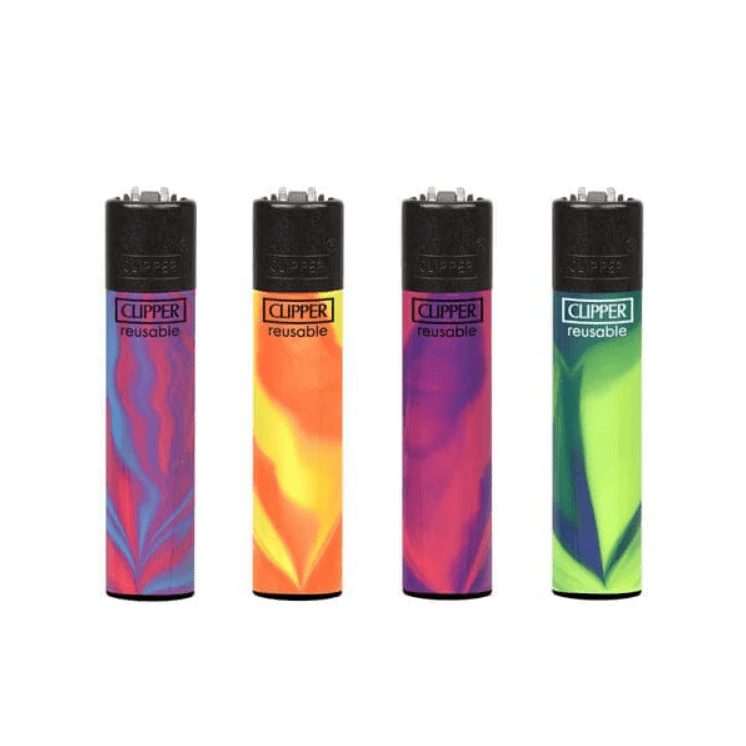
The quiet ritual of preparing a premium cigar often starts long before the match is struck or the butane flows. It begins with the tactile selection of a vitola from a humidor, the gentle clip of the cap, and the slow, rhythmic inhalation of unlit tobacco. Every enthusiast knows that the lighting phase is where a masterpiece can either be born or unfortunately charred into oblivion. While many reach for oversized torches or flimsy disposables, a specific cylindrical silhouette has quietly taken over the pockets of those who value precision. This tool offers a blend of classic aesthetics and surprising utility that feels tailored to the needs of the modern smoker. Its presence in the community isn't just a matter of convenience; it’s a nod to a heritage of durability and thoughtful engineering. To comprehend why this particular brand reigns supreme, one must look past the simple spark and into the heart of a design that prioritizes the smoker’s experience above all else.
The Cylindrical Charm You Can’t Put Down
When you first wrap your fingers around a Clipper, there is an immediate realization that this isn't your average ignition tool. Most mass-produced lighters opt for a flat, rectangular shape that feels somewhat aggressive in the palm, but the iconic round barrel of this Spanish-born legend offers something far more ergonomic. Designed by Enric Sardà in the early 1970s in Barcelona, the shape was intended to be as natural as a pen or a small cigar itself. This symmetry makes it incredibly easy to rotate in the hand, allowing the thumb to find the strike wheel with zero friction or awkward adjustment. For a cigar smoker, who often spends several minutes carefully toasting the foot of a large Churchill or a robusto, this level of comfort is not merely a luxury; it is a necessity for maintaining a steady hand.
The tactile feedback of the material also plays a significant role in its widespread popularity. Unlike the brittle, translucent plastics found in gas station bins, these lighters are constructed from a specialized grade of nylon. This nylon 6.6 resin is incredibly tough, providing a slight "give" that feels premium rather than cheap. It doesn't crack under the pressure of a tight pocket, nor does it shatter if dropped on a concrete patio during a late-night smoke session. This resilience means that the tool becomes a long-term companion, slowly accumulating the tiny scratches and marks of a life well-lived, much like the leather of a favorite cigar case.
Beyond the physical dimensions, the round shape serves a functional purpose that many novices overlook. It fits perfectly into the circular loops of travel humidors and accessory pouches that are designed for cigars. While a bulky torch might require its own dedicated pocket, the slim, uniform barrel of the Clipper slides right alongside the cigars themselves without creating unsightly bulges or damaging the delicate wrappers of nearby tobacco. It is a masterclass in space-saving design that respects the gear an enthusiast already carries. This marriage of form and function is exactly why it has moved from being a simple utility item to a staple of the lifestyle.
A Heritage Born in Barcelona
The story of how this brand rose to prominence is deeply rooted in the manufacturing culture of Spain. In 1972, the first of these lighters rolled off the assembly line, marking a shift in how people viewed portable fire. Before this, you either had high-end metal pieces that required constant maintenance or low-quality plastic units that were destined for the landfill after a week. The creators saw a gap in the market for something that was both affordable and infinitely refillable. They wanted to provide a tool that felt significant without the heavy price tag of a gold-plated heirloom.
This historical context is important because it established a foundation of trust. Over the decades, as other companies cut corners and moved to cheaper materials, the commitment to high-strength nylon and high-quality isobutane remained steady. Cigar smokers are notoriously traditional; they appreciate brands that don't change their recipe just to save a few pennies. When someone picks up a modern unit today, it feels remarkably similar to the ones their fathers or grandfathers might have used. That consistency creates a sense of reliability that is rare in a modern marketplace filled with planned obsolescence.
Mastering the Art of the Angled Burn
One of the most frustrating aspects of using a standard lighter for a cigar is the struggle to reach the foot of the cigar without burning your fingers. When you hold a typical flame source at an angle, the heat rises directly toward the thumb pressing the ignition button. This often leads to a rushed light, which in turn leads to an uneven burn and a ruined experience. However, the Clipper features a unique valve system that changes the game for anyone who needs to angle their flame. When the lighter is tilted, the internal gas flow actually increases, projecting the flame slightly further and maintaining its integrity even when inverted.
This "angled flame" phenomenon is a secret weapon for the cigar world. It allows the smoker to hold the lighter horizontally, reaching underneath the cigar to toast the tobacco evenly while the hand remains safely away from the rising heat. You can take your time, rotating the cigar slowly to ensure every leaf of the wrapper, binder, and filler is ignited at the same rate. This level of control is usually reserved for expensive cedar spills or specialized soft-flame butane units, yet it is built right into this accessible cylindrical tool. It turns a potentially clumsy process into a graceful, controlled ritual.
Why the Gravity-Fed Flame Changes the Game
To look deeper into this, we have to look at the physics of the butane delivery. Most lighters use a simple upward-pressure valve that is strictly binary—it is either on or off. The specialized valve in these units responds to the orientation of the canister. As you tip it toward the cigar, the gas pressure adjusts to provide a more robust, stable flame. This is particularly beneficial for those who prefer the "soft flame" method of lighting over the high-intensity "jet" or "torch" flame. While torches are great for windy conditions, a soft flame is much gentler on the tobacco, preventing the "scorched" taste that can occur when the leaves are subjected to extreme temperatures too quickly.
Furthermore, the stability of this flame means that even in a slight breeze, you can still manage a successful light. The flame doesn't dance and flicker as wildly as lower-grade alternatives because the isobutane inside is kept at a consistent pressure. For the smoker sitting on a porch or a balcony, this means fewer failed strikes and a more predictable experience. It is this predictability that transforms a simple tool into a trusted ally. You know exactly how that flame will behave every time you flick the wheel, which allows you to focus your attention where it belongs: on the flavor profile of your cigar.
The Hidden Genius of the Removable Flint
Perhaps the most ingenious feature that has endeared this brand to the smoking community is the removable flint system. If you pull upward on the strike wheel, a long, thin tube emerges from the center of the lighter. At first glance, this is simply a convenient way to replace a worn-down flint without needing a screwdriver or a specialized kit. However, for those who roll their own or prefer a multi-purpose tool, this "poker" is a stroke of brilliance. In the world of cigars, a small, thin rod is incredibly useful for clearing a tight draw or gently adjusting the tobacco at the head of the cigar.
While it wasn't originally marketed as a "cigar tool," the community quickly repurposed it for exactly that. If you find that your cigar is "plugged"—meaning the tobacco is packed too tightly for air to pass through—the removable flint housing can be used to carefully create a small air channel. It is just the right diameter to do the job without cracking the wrapper. This secondary utility means that carrying a Clipper is like having a mini-toolkit in your pocket. You are prepared for the light, and you are prepared for the potential mechanical failures of the cigar itself.
A Tool for More Than Just Fire
The ritual of maintaining the lighter also adds to its charm. There is a certain satisfaction in the process of pulling out the flint system, dropping in a fresh spark-maker, and sliding it back into place. It makes the user feel connected to the device. In a world where we are encouraged to throw things away the moment they stop working, the ability to easily service your own equipment is refreshing. This maintenance isn't a chore; it’s a brief moment of tactile engagement that rewards the owner with a "like-new" performance every single time.
Additionally, the base of the lighter features a refill valve that is compatible with almost any high-quality butane canister. For the cigar enthusiast, using a high-purity, filtered butane is essential. Lower-grade gases can contain impurities that leave a chemical aftertaste on the tobacco, which is an absolute sin in the eyes of a purist. Because this brand is designed to be refilled, it allows the smoker to choose exactly what fuel goes into their device. You can load it with quadruple-filtered butane, guaranteeing that the only thing you taste is the rich, complex notes of the Nicaraguan or Dominican leaf in your hand.
Built for the Long Haul in a World of Waste
In an era where environmental consciousness is becoming increasingly important, the refillable nature of these lighters is a massive selling point. Millions of disposable lighters end up in oceans and landfills every year, a statistic that is hard to ignore. A cigar smoker, who often appreciates the slow passage of time and the craftsmanship of a long-aged product, tends to be someone who values longevity over the "fast-fashion" equivalent of fire. By choosing a tool that can be refilled and reflinted indefinitely, the smoker is making a choice that aligns with a more sustainable lifestyle.
The math behind this longevity is also quite impressive. A single fill of a standard-sized unit can provide up to 3,000 lights. When you consider that a cigar smoker might only need to light up a few times a week, one lighter can theoretically last for several months—or even years—on a single canister of fuel. When the fuel does eventually run out, it takes only a few seconds to top it off. This eliminates the "dead lighter" syndrome that plagues many a golf outing or lounge visit. You never have to worry about the frustration of a discarded tool when you have a refillable one that is always ready for action.
The Resilience of High-Grade Nylon
We should also talk about the specific benefits of the nylon body when it comes to durability. Most cheap disposables are made from a plastic called styrene, which is brittle and sensitive to temperature changes. If you leave a styrene lighter in a hot car, the internal pressure can cause the casing to crack or even pop. Nylon 6.6, the material used in these Spanish lighters, is a "self-extinguishing" engineering plastic. It is incredibly resistant to heat, meaning it won't warp or soften even if you are performing a particularly long toast on a large cigar.
This material choice also allows for a thinner wall construction without sacrificing strength. Because the walls are thinner, the lighter can hold more gas than a similarly sized plastic unit. This results in a higher capacity-to-size ratio, giving you more "flame-time" in a compact package. For the traveler who doesn't want to carry a heavy metal lighter through airport security (where soft flames are generally more accepted than torches), this nylon construction is the perfect middle ground. It is light enough to be forgotten in a pocket but strong enough to survive being stepped on or crushed in a suitcase.
Safety First Without Sacrificing the Smoke
Safety is often the last thing on a smoker's mind when they are relaxing, but it is one of the primary reasons this brand has achieved such high status. These lighters are designed with a fixed flame height. Unlike some brands that feature a "plus/minus" lever that can accidentally be turned up into a flamethrower, these units are set at a consistent, safe level. This is vital for cigar smokers because an unpredictable flame can jump up and singe eyebrows, hair, or—worse—the middle of the cigar wrapper, causing the tobacco to unravel.
The internal pressure is also lower than that of many other brands because of the use of isobutane. Isobutane is a more stable gas that performs better across a range of temperatures. This means that whether you are lighting up in the crisp air of a mountain cabin or the humid heat of a tropical beach, the flame height remains virtually the same. You don't get those "sputtering" starts that occur with low-quality butane mixes. This consistency creates a safer environment and a much more relaxed experience, as you aren't constantly fighting with the tool to get it to behave.
A Child-Resistant Mechanism That Actually Works
Another layer of the safety design is the strike wheel. While regulations require lighters to be child-resistant, many companies satisfy this by adding a clunky metal band that makes the lighter difficult for adults to use as well. The Clipper approach is much more elegant. The shape and tension of the wheel are designed in a way that requires a specific type of downward pressure and friction to ignite. It stays safe without becoming a source of frustration for the owner. For the enthusiast who might have guests or children around, this peace of mind is invaluable.
The brand also prides itself on meeting the highest international safety standards, often exceeding the requirements set by various global organizations. Every unit undergoes rigorous testing before it leaves the factory to guarantee that the seals are airtight and the valves are functioning perfectly. When you are dealing with a pressurized container of flammable gas, you want to know that the engineering is sound. This brand has spent over fifty years perfecting that engineering, and that dedication to safety has built a level of brand loyalty that competitors struggle to replicate.
An Icon of Personal Expression and Consistency
One of the most enjoyable aspects of being a fan of these lighters is the sheer variety of designs available. While the functionality remains the same across the board, the "skin" of the lighter is a canvas for art, culture, and personality. There are thousands of distinct designs ranging from minimalist metallic finishes to intricate psychedelic art, pop culture references, and limited-edition collaborations. For the cigar smoker, this offers a way to personalize their kit. You can have a "classy" matte black unit for formal events and a bright, colorful one for the golf course.
This collectability has fostered a vibrant community of enthusiasts who trade and display their favorite finds. It adds a layer of fun to the hobby of cigar smoking. It’s not uncommon for smokers to recognize a fellow enthusiast simply by the specific design they are carrying. It’s a conversation starter, a small piece of "pocket art" that reflects who you are. Despite this endless variety in appearance, the core experience remains identical. Whether your lighter has a picture of a nebula or a simple solid blue finish, you are getting the same high-quality flame and the same reliable performance.
The Value of a Trustworthy Companion
At the end of the day, the reason this brand has become the top choice for so many cigar smokers comes down to a simple concept: trust. A cigar is an investment in time and money. When you sit down to enjoy a premium smoke, the last thing you want to deal with is a tool that fails to work. You want a device that strikes on the first try, every single time. You want a flame that is the right temperature and the right shape to treat the tobacco with respect. And you want a tool that won't give up on you after a few weeks of use.
The Clipper provides all of this at a price point that is accessible to everyone. It democratizes the "premium" experience, proving that you don't need to spend a fortune to have a high-quality, reliable ignition source. It has carved out a niche as the "everyman's luxury"—a piece of equipment that works just as well for the casual weekend smoker as it does for the seasoned aficionado with a thousand-bottle cellar. This universality is rare, and it is the secret sauce that has kept the brand at the top of the mountain for over half a century.
The Culture of the Refillable Companion
There is a distinct psychological shift that happens when you stop using disposable items and start using a tool that requires your care. By refilling the gas and replacing the flint, you are taking ownership of the object. It ceases to be a piece of plastic and becomes your lighter. This sense of ownership is something that resonates deeply with the cigar community, where we often take pride in our humidors, our cutters, and our lighters. We enjoy the process of maintenance because it is part of the broader ritual of the hobby.
This connection is also why these lighters are so frequently passed between friends. Giving someone a light with a Clipper feels more substantial than handing them a cheap disposable. It’s a small gesture of hospitality that is enhanced by the quality of the tool. If a friend loses their lighter, you can give them one of yours knowing that you aren't just giving them a temporary fix; you are giving them a tool that can last them for years if they choose to maintain it. It is a gift of consistency and reliability.
The Future of a Classic Design
As we look toward the future, it is unlikely that the core design of these lighters will change much. Why mess with perfection? The cylindrical shape, the nylon body, and the removable flint system have stood the test of time because they were "right" from the very beginning. While the brand may experiment with new materials like metal casings or larger "utility" sizes, the classic silhouette will always remain the gold standard. For the cigar smoker, this is a comforting thought. In a world of rapid change and digital complexity, there is something beautiful about a simple, analog tool that does one thing—create fire—exceptionally well.
The continued dominance of this brand in the cigar world is a testament to the power of thoughtful design. It proves that if you focus on the needs of the user, prioritize durability, and maintain a high level of quality control, you can create a product that becomes an essential part of a lifestyle. Whether you are lighting a petit corona on a quick lunch break or a giant double corona during a long evening with friends, this iconic tool is there to facilitate the experience. It is the bridge between the unlit leaf and the first perfect puff, and for most smokers, there is simply no better tool for the job.
A Legacy Written in Fire and Flint
Choosing a reliable ignition source is more than a simple matter of convenience; it is a commitment to the consistency of every draw and every shared moment. These iconic cylindrical tools have earned their place in the pockets of smokers not through loud marketing, but through a legacy of unwavering performance and thoughtful design. By prioritizing durability and refillable longevity, the brand provides a rare sense of permanence in an era dominated by the temporary and the disposable. The bond between a smoker and their favored tool is one built over years of successful lights and shared conversations. In the end, the trust placed in this specific design is a testament to the fact that true luxury is found in the things that work exactly as they should, time after time.
Share:
Everything You Want to Know Double Robusto Cigars in 2026
Pairing Tobacco Pipes with Music: The Perfect Playlist for Your Smoke