
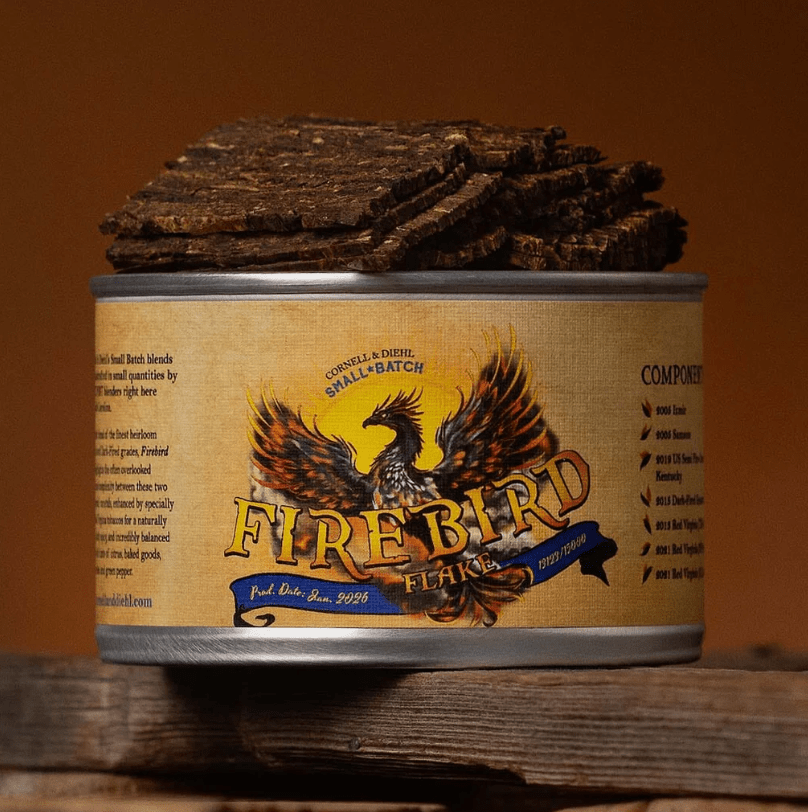
Imagine stepping into a rustic, weathered barn where the air is thick with the scent of ancient forests and a hint of a crackling campfire. This is the birthplace of a truly unique leaf that stands apart in the world of traditional botanical crafts. While many varieties of the plant are simply left to air-dry or are heated in enclosed flues, this specific grade undergoes a much more intense and atmospheric transformation. It is not merely a matter of patience but a deliberate dance with smoke and heat that infuses the foliage with a rugged, savory character. For those who appreciate the deeper, more robust side of the hobby, this category offers a complexity that is hard to find elsewhere. It isn't just about the strength of the profile, but the storied process that brings such a bold presence to the bowl. To grasp why this leaf is so revered, one must look beyond the surface and into the literal fires that forge its identity. It is a tradition rooted in history, yet it continues to captivate the modern enthusiast who craves something with a bit more soul and substance. Finding the right balance in a blend often starts with this smoky powerhouse, which serves as the backbone for many iconic mixtures.
The Elemental Alchemy of Fire and Foliage
The history of dark-fired tobacco is a mirror of the agricultural history of the American frontier. Long before modern flue-curing was invented, farmers used the resources they had—wood and fire—to preserve their crops for long voyages across the ocean. This "frontier grade" of tobacco was born out of necessity, as the intense smoke treatment was the best way to prevent the leaves from molding during the damp, months-long journey to Europe. It was a product of a rugged environment, and it quickly gained a reputation for its strength and resilience.
By the 19th century, dark-fired tobacco had become a massive global commodity. It was particularly popular in Northern Europe and the British Isles, where its bold character was appreciated as a reprieve from the cold, damp climate. This led to the development of specialized "fire-curing districts" in Kentucky and Tennessee, where the soil and the wood were perfect for meeting the high demand. These regions became the epicenter of the dark-fired world, a title they still hold today. The tradition was passed down from father to son, with each generation perfecting the nuances of barn ventilation and wood selection.
Early firing barns were simple log structures with dirt floors, where fires were lit directly under the tobacco. Over time, these evolved into the sophisticated, multi-tiered systems we see today. The introduction of controlled ventilation and more efficient "pit" designs allowed farmers to produce a more consistent grade, reducing the risk of scorched leaves or uneven curing. Despite these technological advancements, the core process remains the same: a human being must still tend the fires and monitor the smoke by hand.
In the modern era, dark-fired tobacco has moved from a utilitarian commodity to a premium artisanal product. While it is no longer needed for preservation during sea voyages, it is more popular than ever for its unique flavor and structural properties. The "primitive" nature of the fire-cure is now seen as a mark of authenticity and craftsmanship. It stands in contrast to the mass-produced, chemically-assisted drying methods used for the majority of the world's tobacco harvest, making it a rare and precious link to our agricultural past.
Now, the creation of dark-fired grade pipe tobacco is a fascinating spectacle of agricultural tradition that prioritizes atmosphere over simple dehydration. Unlike bright leaf varieties that seek to preserve sugars through rapid drying, the dark-fired process is a slow, methodical infusion of hardwood smoke. This occurs in specially designed barns where the tobacco is hung in high rafters, far above the smoldering embers of carefully selected woods like hickory or oak. The smoke doesn't just sit on the surface; it penetrates the very cellular structure of the leaf, changing its color to a deep, chocolatey brown or even a near-black hue. This physical metamorphosis is accompanied by a chemical shift that reduces the natural sweetness and replaces it with a savory, almost meaty richness. It is a labor-intensive endeavor that requires constant monitoring of temperature and smoke density to maintain a consistent quality.
When the leaves are placed in the firing barn, they are still relatively green and full of moisture, which allows them to absorb the phenolic compounds from the wood smoke more effectively. The choice of wood is paramount, as distinct hardwoods contribute specific aromatic profiles to the final product. Hickory is often favored for its pungent, classic "barbecue" aroma, while oak provides a more subtle, earthy foundation that rounds out the sharper edges of the smoke. Over the course of several days or even weeks, the fire is kept at a low, smoldering heat, never allowed to burst into a full flame that might scorch the delicate foliage. This low-temperature environment is crucial for allowing the natural oils within the leaf to meld with the external smoke particles. As the moisture slowly evaporates, the leaf becomes leathery and resilient, a texture that is highly prized by blenders for its ability to stand up to the rigors of pressing and cutting.
The result is a product that carries a high concentration of flavor oils, making it one of the most potent components available for any mixture. The interaction between the leaf's alkaloids and the wood’s lignins creates a flavor bridge that is entirely unique to this category. By controlling the oxygen flow to the smoldering logs, farmers can adjust the density of the smoke, which in turn dictates the "grade" and intensity of the final product. This isn't just a drying process; it is a profound alteration of the leaf's DNA, where the carbon and the phenols of the hardwood become an inseparable part of the botanical structure. The depth of this infusion is what allows the tobacco to maintain its character even when it is blended with much lighter, air-cured varieties.
The Physics and Architecture of the Smoldering Barn
The architecture of a fire-curing barn is a marvel of ventilation and thermal management designed to create a specific microclimate. These barns are typically taller than standard air-curing sheds, allowing for a vertical gradient of heat and smoke. The bottom section houses the "pits" or floor areas where the hardwood logs are arranged in long, smoldering rows. Above these fires, several tiers of horizontal poles, known as "tier poles," support the weight of the heavy stalks. The spacing between these poles is calculated to allow smoke to circulate freely around every individual leaf, preventing "sweat pockets" where moisture could trap heat and cause rot. Ventilation is managed through adjustable doors at the base and vents along the roofline, allowing the farmer to pull smoke upward through the tobacco.
This upward draft ensures that the smoke particles are filtered through the mass of leaves, depositing their flavor as they rise. In periods of high humidity, the fires are increased to drive off excess moisture, while in dry weather, they are dampened to prevent the leaves from becoming too brittle. This constant adjustment requires a deep level of expertise, as one mistake in temperature control can ruin an entire year’s harvest. The barn itself becomes an oven and a smoker simultaneously, baking the natural characteristics of the soil and the wood into a single, cohesive leaf. The wood used is often seasoned for exactly the right amount of time—too wet, and it produces a bitter, acrid creosote; too dry, and it burns too quickly, missing the slow-motion infusion required for a premium grade.
Botanical Foundations and Why Cultivar Matters
Not every variety of the plant is suited for the intense environment of a firing barn. The specific cultivars used for dark-fired grade pipe tobacco are characterized by their thick, heavy leaves and high mineral content. These plants are often "heavy feeders", meaning they require nutrient-rich soil to develop the thick cellular walls necessary to withstand weeks of heat and smoke. If a thin, delicate leaf were subjected to this process, it would simply disintegrate or become acrid and unsmokable. Therefore, the process begins months before the first fire is lit, starting with the selection of the right seeds and the preparation of the soil.
The mineral content of the soil, particularly potassium and nitrogen, plays a huge role in how the leaf reacts to the fire. Nitrogen-rich plants tend to produce a darker, more pungent leaf, while potassium helps to regulate the burn rate of the final product. Farmers often use specific crop rotation schedules to maintain these mineral levels, ensuring that each harvest has the same structural integrity as the last. This synergy between the Earth’s minerals and the plant’s biology is what gives the dark-fired grade its distinct, loamy base notes. It is a product of its environment in the most literal sense, carrying the "terroir" of the farm into the smoke.
The Biology of Heavy-Bodied Leaves
Agricultural experts often point to specific regions in the southeastern United States and parts of Africa where the soil is particularly dense with minerals. This soil profile contributes to the "body" of the tobacco, providing the plant with the raw materials needed to produce a high volume of natural oils. The most common cultivars for this grade are descendants of the old "One Sucker" or "Green Wood" varieties, which were prized for their resilience and their ability to hold a high degree of moisture without molding. These plants grow with large, broad leaves that are spaced widely on the stalk, allowing for better airflow once they are hung in the barn.
Because the leaves are so dense, they possess a higher concentration of secondary metabolites. These are the chemicals the plant produces to protect itself, and they are exactly what react with the wood smoke to create those deep, savory flavors. When the heat hits these thick cell walls, it triggers a "browning" reaction that is similar to the Maillard reaction in cooking. This doesn't just change the color; it creates new, complex molecules that are much larger and more stable than those found in air-cured tobacco. This stability is why dark-fired tobacco is famous for its "cool burn." The larger molecules require more energy to break down, which slows the rate of combustion and prevents the temperature in the bowl from spiking.
Stalk-Cutting and the Preservation of Vitality
The harvesting process for this grade is a labor-intensive ritual known as "stalk-cutting." While lighter tobaccos are often harvested leaf-by-leaf (priming) as they ripen from the bottom up, dark-fired tobacco is harvested by cutting the entire plant at the base. This method is preferred because it allows the leaves to remain attached to the central stalk, which acts as a reservoir of nutrients and moisture during the initial stages of curing. By keeping the stalk intact, the plant undergoes a slower, more natural death, allowing the chlorophyll to break down more completely and the starches to convert into complex compounds.
Once the stalks are cut, they are "speared" onto a wooden lath. This involves sliding a sharp metal spearhead over the end of the lath and forcing the stalk through the spear, effectively threading the plant onto the wood. Usually, five or six heavy plants are placed on a single lath, which must then be hoisted by hand into the upper tiers of the barn. This work is physically demanding and requires a high degree of coordination to avoid damaging the leaves. The weight of the fresh, moisture-laden plants is significant, and the height of the tier poles can reach over twenty feet. This traditional method remains the standard because it produces a superior texture and flavor profile that modern mechanical harvesting has yet to replicate.
The Grading Hierarchy and Sorting Rituals
Once the firing is complete and the smoke has cleared, the tobacco must be removed from the barn and prepared for the market. This stage involves a meticulous process of sorting and grading that dictates how the tobacco will be used by blenders. Because a single plant can produce leaves with varying levels of intensity, they must be separated based on their position on the stalk and their physical appearance. This ensures that a blender can select a specific "grade" to achieve a particular effect in a mixture.
Stripping the Harvest
The leaves are manually "stripped" from the stalk and sorted into groups based on where they grew on the plant. The bottom leaves, known as "lug," are typically thinner and have a lower oil content because they received less sunlight and matured earlier. These leaves are often milder and are used to provide a base for a blend without adding too much intensity. The middle leaves, or "cutters," are larger and possess a more balanced profile, offering a mix of smoke and natural tobacco sweetness.
The most prized leaves for the dark-fired grade are the "tips" or "top leaves." These leaves stayed on the plant the longest and received the most direct sunlight, resulting in the highest concentration of oils and nicotine. When these top leaves are fire-cured, they become the dark, oily powerhouses that define the category. They possess the most intense smoke character and the heaviest body, making them the primary choice for blenders looking to add significant strength to a mixture. By sorting the harvest this way, the industry provides a range of options within the dark-fired category, from subtle and smoky to bold and overwhelming.
Sensory Analysis and Quality Benchmarks
Grading isn't just about stalk position; it also involves a sensory analysis of the leaf's color, texture, and aroma. A professional grader looks for a uniform, deep brown color with no signs of "mottling" or green streaks. The leaf should have a supple, leathery feel, indicating that the natural oils have been preserved. Brittle or dry leaves are often downgraded, as they will not provide the same cool burn or rich flavor delivery as a high-quality, oily leaf.
Aroma is perhaps the most subjective but important part of the grading process. A high-quality dark-fired leaf should smell of clean woodsmoke and aged leather, without any acrid or "ashtray" notes. There should be an underlying richness that suggests depth and complexity. Graders often use their decades of experience to detect subtle nuances in the scent that might indicate a specific wood was used or that the firing temperature was slightly off. This human touch is vital for maintaining the reputation of the dark-fired grade, ensuring that only the best material makes it into the premium pipe tobacco market.
Taming the Smoke via Post-Fire Fermentation
After sorting, the tobacco enters a phase of fermentation and aging that is critical for refining its character. While the fire-curing process provides the smoke, fermentation provides the smoothness. Without this stage, the tobacco would be too harsh and aggressive for most enthusiasts. It is during this time that the "fire" of the tobacco is tamed, allowing the various flavor components to marry and develop into a cohesive whole. This step is what separates a crude agricultural product from a premium grade pipe tobacco.
Fermentation is achieved by placing the leaves into large piles called "bulks." The sheer weight of the tobacco, combined with a controlled amount of residual moisture, causes a natural biological reaction that generates heat. This heat triggers the breakdown of harsh proteins and the oxidation of phenolic compounds, which further darkens the leaf and rounds out the flavor profile. The temperature within the bulk is monitored closely; if it gets too hot, the bulk must be "turned," meaning the tobacco is moved from the center to the outside to cool it down.
This process can take several weeks or even months, depending on the desired level of fermentation. For the dark-fired grade, a longer, cooler fermentation is often preferred to preserve the smoky aromatics while smoothing out the rough edges of the leaf. This careful management of natural heat is an art form in itself, requiring a balance between chemical change and structural preservation. The result is a tobacco that feels "softer" on the palate and produces a more refined, lingering aroma. Once fermentation is complete, the tobacco is often aged in large wooden crates or "hogsheads" for an extended period, sometimes lasting several years.
During aging, the moisture levels stabilize, and the remaining harsh elements continue to dissipate. This long-term rest allows the smoke notes to become more integrated with the natural tobacco flavor, moving from a "surface smoke" to a "deep smoke." It is similar to the aging of a fine wine or a spirit, where time acts as the final blender. Aged dark-fired tobacco is highly sought after because it offers a level of complexity that fresh leaf simply cannot match. The aroma becomes more reminiscent of dried fruits and old libraries, providing a nostalgic and comforting experience. For the blender, using aged stock is essential for creating a consistent product, as it ensures that the tobacco won't change drastically after it has been tinned.
Regional Terroir and the Map of Flavor
While the basic process of dark-fired curing is similar across the board, different regions produce specific variations that are highly sought after. The soil composition, local hardwood availability, and traditional curing techniques all play a role in shaping the final character of the tobacco. Understanding these regional nuances is key for anyone looking to dive deep into the world of dark-fired blends, as it allows for a more tailored and rewarding exploration of the category.
The Kentucky and Tennessee Gold Standard
In parts of the United States, particularly in Kentucky and Tennessee, the tradition of dark-fired tobacco is deeply ingrained in the local culture. This region is famous for producing some of the most potent and flavorful dark-fired leaf in the world. The use of hickory and oak in the firing process gives Kentucky dark-fired tobacco its signature "barbecue" aroma, which is bold, spicy, and incredibly robust. It is often considered the gold standard for this grade, prized for its high oil content and consistent quality.
American dark-fired leaf is frequently used in "Burley-forward" blends, where its strength and savory nature complement the nutty, cocoa-like notes of the air-cured Burley. This combination creates a flavor profile that is honest, rugged, and deeply satisfying. Many enthusiasts find that this regional variety provides a sense of history and place, connecting them to the generations of farmers who have perfected this craft in the rolling hills of the Southeast. It is a testament to the enduring appeal of traditional agricultural methods.
Global Variations and Alternative Woods
Across the Atlantic, several countries have their own long-standing traditions of fire-curing. These varieties often use different hardwoods and slightly different curing schedules, resulting in a profile that is distinct from its American counterparts. For example, some African dark-fired leaves use a mix of local tropical hardwoods that provide a more "herbal" or "floral" smoke character. These nuances can add a layer of sophistication to a blend that is truly unique, offering a softer smoky profile that appeals to those who find the American varieties a bit too intense.
In Italy and parts of Eastern Europe, dark-fired tobacco is often produced with a focus on extreme structural density. These leaves are sometimes used to create "dry-cured" cigars, but they find their way into pipe blends to provide a very specific, earthy richness. The wood used in these regions might include fruitwoods like cherry or apple, which can impart a subtle sweetness to the smoky aroma. This global diversity proves that the dark-fired process is highly adaptable, capable of producing a wide range of flavor profiles depending on the local flora and climate.
The Master Blender’s Balancing Act
Due to its immense strength and distinct aroma, using dark-fired grade pipe tobacco in a blend is a delicate balancing act. A little goes a long way, and even a small percentage can completely transform a mixture from a light afternoon treat into a heavy, meditative experience. Blenders must consider not only the flavor but also the burn rate and the physical texture of the dark-fired leaf when integrating it with other varieties. It is often used to add "body" to a blend that might otherwise feel thin or airy, providing a structural integrity that carries the other flavors.
The most common pairing for dark-fired tobacco is with bright, sweet leaves like Virginia. The high sugar content of a golden Virginia provides a perfect contrast to the savory, smoky depth of the dark-fired grade. When these two are combined, the sweetness acts as a buffer, softening the intensity of the smoke while the smoke adds a necessary complexity to the sugar. This creates a "sweet and savory" dynamic that is incredibly popular, as it touches on almost every flavor category the human palate can perceive.
Integrating with Latakia and Orientals
While Latakia is often the go-to smoky component for many classic mixtures, dark-fired grade pipe tobacco offers a very distinct kind of smokiness that blenders utilize for specific effects. Latakia is often more "incense-like" and floral, whereas dark-fired is more "wood-fired" and agricultural. By using both in a single mixture, a blender can create a multi-dimensional smoky profile that hits both the high and low notes of the aromatic spectrum. This is frequently seen in heavy Scottish blends where complexity is the primary goal.
The structural role of dark-fired tobacco in these mixtures cannot be overstated. It provides a physical density to the smoke that helps the other components burn more consistently. Because the dark-fired leaf is often thicker and oilier, it burns slower than thinner, air-cured leaves. This helps to regulate the overall temperature of the bowl, ensuring that the more delicate oriental or Virginia leaves aren't scorched by a fast burn. In this way, the dark-fired grade acts as a thermal regulator, protecting the integrity of the entire blend's flavor profile from start to finish.
Physical Mechanics of the Smoking Experience
To the naked eye and the touch, dark-fired grade pipe tobacco is a marvel of botanical processing. It possesses a physical presence that is far removed from the thin, papery leaves of many other varieties. When you hold a piece of this tobacco, you can feel the history and the labor that went into its creation. It is a sturdy material, designed to endure and to provide a consistent experience through its unique structural properties. This physicality is what makes it such a reliable component in the blender’s arsenal.
Texture and Tactile Resilience
One of the first things you'll notice about a high-quality dark-fired leaf is its leathery texture. It is incredibly durable and flexible, owing to the slow curing process that preserves the leaf's natural cellular integrity. This durability makes it an ideal candidate for "plug" or "rope" tobaccos, where the leaves are tightly pressed or spun together. The dark-fired components act as the binding agent, holding the more fragile leaves in place and allowing the entire mass to age as a single, cohesive unit.
This physical strength also translates to how the tobacco handles when it is being prepared. It doesn't crumble easily into dust, but instead yields clean, uniform pieces when cut with a sharp knife. This allows for a great deal of control over the "cut" of the final blend, which in turn affects the burn rate and the flavor delivery. Whether it's a fine ribbon or a chunky flake, dark-fired tobacco maintains its shape and its character, providing a reliable foundation for any session.
Oil Concentration and Volumetric Smoke
The high concentration of natural oils in dark-fired grade pipe tobacco is responsible for many of its most desirable traits. These oils carry the flavor and aroma of the smoke, but they also play a vital role in the burn quality of the leaf. Because oil burns slower than dry plant matter, dark-fired tobacco naturally promotes a cooler, more controlled burn. This is a significant advantage for those who struggle with "tongue bite" or who find that their pipe gets too hot during a session.
Furthermore, these oils contribute to a dense, voluminous smoke that feels "chewy" and substantial on the palate. This is a quality that many veterans of the hobby look for, as it enhances the overall sensory experience. The smoke doesn't just dissipate into thin air; it lingers and develops, allowing you to fully appreciate the complex interplay of flavors. The presence of these oils is also what allows dark-fired tobacco to age so gracefully, as they act as a natural preservative that keeps the leaf from becoming stale or losing its potency over time.
Exploring the Sensory Depth of the Session
Engaging with a dark-fired blend is a unique sensory experience that demands your full attention. From the moment you open the tin and smell the heavy, woodsy aroma to the final moments of the slow-burning bowl, the tobacco provides a narrative that is both bold and contemplative. Because of its intensity, it is often seen as a "special occasion" tobacco, but it can also be a rewarding daily companion if you approach it with the right mindset. It’s about more than just the flavor; it’s about the atmosphere the smoke creates.
The "room note" of dark-fired tobacco is unmistakable, carrying the scent of the woodsmoke and the aged leaf into the surrounding air. While it is a bold scent, many find it to be deeply comforting and nostalgic, reminiscent of an old hearth or a campfire in the woods. This aroma lingers long after the session is over, a testament to the potency of the oils and the effectiveness of the fire-curing process. For the enthusiast, this lingering presence is part of the reward, a way to carry the experience with them as they go about their day.
One of the most engaging aspects of this tobacco grade is its ability to hit various parts of the palate simultaneously. While the smoke provides a sharp, piquancy on the tongue, the underlying body of the leaf offers a creamy, dense mouthfeel that coats the senses. This duality is rare, as most varieties lean heavily toward either sweetness or spice. Dark-fired tobacco manages to be savory without being salty, and bold without being overwhelming when handled with a deft hand.
As the experience progresses, the flavors often shift and evolve, revealing secondary notes that might have been hidden in the initial lighting. You might find a hint of black pepper or a touch of molasses-like depth that isn't quite sweet but provides a necessary counterpoint to the woodsy smoke. This evolution is what keeps enthusiasts coming back to dark-fired blends, as every session can feel like a new discovery. The complexity ensures that the palate never grows bored, making it an excellent choice for those who enjoy a contemplative and long-lasting session.
Challenges and the Future of the Grade
Despite its enduring popularity, the production of dark-fired grade pipe tobacco faces significant modern challenges. It is one of the most difficult and expensive tobaccos to produce, requiring a level of manual labor and specialized knowledge that is becoming increasingly rare. From the physical risks of the firing process to the long waiting periods for aging, every step of the way is a test of the farmer's and the processor's dedication. The labor-intensive nature of stalk-cutting and the danger of barn fires make it a daunting crop for newer generations.
The economic reality of dark-fired tobacco is also a hurdle. Because it takes so much longer to produce and age than other varieties, the capital investment required is substantial. A farmer must wait months for the harvest and cure, and a blender must wait years for the aging, all while managing the risks of crop failure or market fluctuations. This "slow money" approach is at odds with the fast-paced nature of modern agriculture and global trade. However, it is this very commitment to time that creates the value of the product.
Environmental regulations also play a role in the future of the category. Modern producers are constantly looking for ways to improve the efficiency of their barns and reduce emissions without sacrificing the quality of the tobacco. This involves a balance of traditional techniques and modern environmental standards. The survival of the dark-fired grade depends on the ability of the industry to adapt to these new realities while still maintaining the "soul" of the traditional process. There is no way to speed up the smoke infusion or the natural fermentation without losing the very characteristics that make the tobacco desirable.
The most critical factor though, in the future of dark-fired tobacco is the preservation of traditional knowledge. The "feel" for the fires and the "eye" for the grading are skills that cannot be learned from a textbook. They are passed down through mentorship and hands-on experience. As the number of family farms decreases, the industry is looking for ways to capture this expertise and ensure that the next generation of farmers has the tools they need to continue the tradition. This human element is the true secret behind the quality of the dark-fired grade.
Without this specialized knowledge, the category would quickly lose its nuance and its complexity. It is the human intervention—the choice of wood, the adjustment of the vents, the timing of the "turn"—that turns a plant into a masterpiece. The continued success of dark-fired pipe tobacco is a testament to the fact that there is still a place for craftsmanship and slow-motion agriculture in the 21st century. It is a niche that requires passion and patience, and those who produce it are as much artists as they are farmers.
The Enduring Soul of the Smoldering Leaf
The legacy of dark-fired grade pipe tobacco is a testament to the enduring power of elemental craftsmanship in a world that often favors convenience over character. By submitting the heavy, oil-rich leaves to the transformative power of hardwood smoke, producers create a product that possesses an unparalleled depth of flavor and structural integrity. This grade is not merely an ingredient; it is a foundational element that provides the savory backbone and cool-burning reliability necessary for the world’s most sophisticated mixtures. Every session with a dark-fired blend is an engagement with a century-old agricultural ritual, offering a sensory link to the soil, the wood, and the fire. The complexity of its phenolic profile and the substantial weight of its smoke provide a meditative satisfaction that lighter, more processed varieties simply cannot replicate. While its production remains a labor-intensive and risky endeavor, the unique rewards of its bold, leathery, and earthy character ensure its place as a permanent fixture in the botanical landscape. Ultimately, the dark-fired grade represents the perfect marriage of nature’s raw potential and human patience, forged in the smoldering heat of the curing barn to provide a timeless and deeply grounded experience.
Share:
Cigar Aficionados Moving to the Music: Setting Up an Awesome Playlist for Any Smoking Session
Everything You Want to Know Double Robusto Cigars in 2026