
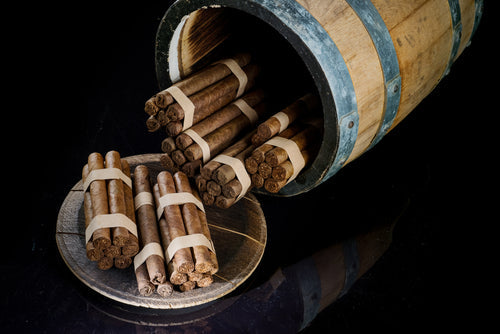
Catching a distinct whiff of charred oak and warm spirits from a premium cigar wrapper instantly changes what you expect from a weekend smoke. While standard blends rely entirely on traditional barn-curing to build character, a handful of bold blenders are raiding old distillery warehouses to borrow spent liquor casks. These wooden vessels play a major role in two completely separate post-harvest paths that either gently scent the leaf or aggressively cook it under crushing mechanical weight. Spotting the difference between these processes helps you cut through the confusing buzzwords on the packaging when hunting for a genuinely robust profile. Getting a direct rundown on passive barrel-aging versus intense barrel fermentation gives you the exact knowledge needed to lock in your next top-tier selection.
Premium Cigars 101
A high-end premium cigar represents a completely natural creation built from years of agricultural labor, deep field knowledge, and generational rolling skills. Machine-made cigars rely on mass-produced paper sheets and chopped scraps, whereas these artisanal products utilize pure, intact long-filler leaves carefully bunched together by human hands. Blenders spend their entire lives tracking soil nutrients and local weather patterns to grow top-tier wrapper, binder, and filler components. Every single leaf comes from specific primings on the tobacco stalk, giving each portion of the finished blend a distinct strength level and flavor punch. The natural oils inside the leaf must stay protected through every single step of handling or the smoke loses its character completely. If those delicate oils dry out due to poor climate control or rushed processing, you are left with a bitter, hot stick that burns way too fast and ruins your relaxation time.
Now, a premium cigar’s anatomy splits into three distinct parts that must function as one cohesive unit when you strike your torch lighter. First, the long-filler leaves form the thick internal core of the stick, providing the main flavor notes and determining how easily the air passes through the body. Next, a tough binder leaf wraps tightly around that filler bunch, maintaining the uniform cylindrical shape and stopping structural collapses during production. Finally, the gorgeous outer wrapper leaf provides the primary visual appeal and a massive dose of top-tier flavor complexity upon ignition. This wrapper leaf requires pristine growing conditions because any thick veins or tiny tears will ruin the aesthetic and disrupt the straightness of the burn line. When a master roller matches these three layers correctly, the smoke flows smoothly from the burning foot straight to your palate with perfect resistance.
Preserving these natural creations requires constant attention from the moment they are rolled because tobacco acts like a highly sensitive sponge to surrounding atmospheric conditions. The leaves naturally pull moisture out of the air or release it back when environmental humidity drops below ideal levels. If a stick gets too wet in storage, the internal fibers swell up tightly and make drawing a puff nearly impossible without a tool. When a stick gets too dry, the wrapper turns brittle, leading to ugly cracks open right in the middle of your afternoon session. True enthusiasts track these atmospheric changes closely using stable collection boxes to maintain their sticks in a plump, smoky condition. This organic sensitivity explains why high-end tobacco requires specialized care throughout its entire lifespan from the farm to the storage shelf.
The aging process represents another massive pillar of what makes handmade premium items stand out from basic convenience store products. Raw tobacco leaves carry a harsh, bitter bite filled with natural ammonia and heavy green proteins right after they get clipped from the field. Giant fermentation piles slowly cook those unwanted chemicals out of the leaf over several months of closely monitored internal heating. Once that initial sweat ends, the leaves rest in dark warehouses for years to let the flavors soften, blend, and mature beautifully. This extended rest turns a harsh, fiery leaf into a smooth, balanced component ready for a premium blend. Collectors gladly pay a premium for this time because it guarantees a refined experience that artificial shortcuts cannot replicate.
What Does “Post-Harvest” Mean and How Essential is It?
The phrase post-harvest covers every single step that happens to a tobacco leaf from the second a worker snaps it off the stalk until it gets rolled into a finished smoke. Many newcomers believe that once a crop leaves the dirt, the hard work wraps up, and the rolling simply begins on the factory floor. In reality, the true magic of flavor development starts inside the curing barns where yellowing leaves hang from high wooden rafters to shed water vapor. During this critical time, moisture drops away slowly while chlorophyll breaks down and shifts the leaf color to a rich, uniform brown hue. After curing, the leaves move into giant bulk piles called pilones where natural heat and weight trigger deep fermentation cycles to purify the tobacco. This heavy processing refines the raw material, stripping out bitterness while unlocking sweet, earthy, or spicy notes hidden deep inside the fibers. Skipping or rushing any part of this timeline results in an unsmokable product that smells like fresh grass and burns your throat.
This extended phase matters immensely because it sets the baseline character for the entire blend before a roller ever touches a single leaf with their knife. Proper handling during this secondary stage stabilizes the leaves, making sure they will burn at a steady, predictable rate when you light up. Without this careful conditioning, the tobacco would retain erratic moisture levels that cause uneven burn lines and constant relighting issues down the track. Craftsmen use this window to sort leaves by size, thickness, texture, and color profile to build consistent batches for production. It also serves as the perfect playground for master blenders looking to inject unique flavor profiles into their creations before rolling. By utilizing innovative storage methods during this downtime, creators can alter the chemical makeup of the leaf to achieve unique results. This makes the post-harvest timeline the absolute backbone of top-tier cigar production across the globe.
Premium Cigars Post-Harvest Techniques: Barrel-Aged Tobacco vs. Barrel Fermentation
While traditional bulk sorting works wonders for standard releases, certain premium cigar lines rely on old oak liquor casks to push tobacco flavors into wild territories. Blenders use these specialized wooden vessels to execute two completely separate methods known as barrel-aging and active barrel fermentation. New smokers frequently mix these terms up, thinking they mean the exact same thing when they actually yield vastly diverse smoking experiences. Breaking down the core distinctions between these two styling methods helps you see how oak wood modifies your smoke.
Barrel-Aged Tobacco
Barrel-aging stands as a popular conditioning method where fully cured and already fermented tobacco leaves get tucked away inside old spirits casks for a gentle rest. This method treats the oak vessel as a flavor-infusing storage box rather than an active chemical workspace. The leaves sit loosely inside the wood, absorbing the residual spirit notes that soaked into the grain over many years of alcohol production. Blenders pick this route when they want to add a polished top coat of flavor to an already completed tobacco component. It adds a beautiful layer of complexity without altering the fundamental physical structure of the underlying leaf material.
The actual execution of this method begins by sourcing spent oak casks that previously held bourbon, scotch, rum, or dark wine. Workers take the conditioned tobacco leaves, pack them carefully into the empty barrels, and seal the top lid down loosely to prevent suffocating the crop. The air inside the cask remains relatively cool and stable, meaning the leaves do not undergo massive temperature spikes or heavy sweating. Instead, the tobacco simply breathes the spirit-soaked air rising from the wooden staves over a period of a few months to a year. This slow, passive breathing cycle lets the leaf pull in oak aromas at a completely relaxed pace.
The main objective here centers on capturing the distinct aromatic notes of the previous liquor without overpowering the natural tobacco taste. Blenders look to extract sweet vanilla, caramel, smoky peat, or rich fruit tones directly from the charred interior wood panels. They want these secondary notes to dance around the edges of the smoke, providing an interesting twist when you draw a puff. This method avoids restarting the fermentation cycle because the leaf has already completed its heavy chemical transformation during the bulk pile phase. The goal remains pure refinement, adding a gourmet accent to an already stellar tobacco blend.
When you fire up a stick containing barrel-aged leaf, the flavor hits your palate with a noticeably smooth, aromatic sweetness on the retrohale. The natural tobacco flavors stay front and center, but they carry a distinct echo of oak and charred bourbon or sweet rum. The smoke feels remarkably mellow because the extra time resting inside the wood helps round off any remaining rough edges on the leaf. It creates a highly approachable profile that pairs beautifully with a glass of the corresponding spirit during a quiet evening. Fans love these stogies because they offer an enjoyably recognizable flavor twist without changing how the cigar burns or performs.
Pros & Cons:
Weighing the positive attributes against the operational drawbacks reveals why this passive oak rest remains a favored choice for specific premium lines.
Pros:
-
Subtle Flavor Enhancement: The passive wood rest introduces pleasant notes of vanilla, oak, and spirits that complement the tobacco without wiping out its natural, distinct character.
-
Low Structural Risk: Because the temperature inside the cask remains cool and stable, the delicate wrapper and binder leaves face almost zero risk of rot or overheating during storage.
-
Smoother Smoke Delivery: The extended stay inside the old wood staves acts as an extra mellowing period that takes away any lingering bite from the leaves.
-
Excellent Spirit Pairings: Cigars utilizing these leaves naturally pair beautifully with premium liquors because they share identical flavor notes born from the same charred wood.
-
Consistent Batch Control: Passive aging permits blenders to predict the exact aromatic outcome without worrying about erratic microbial spikes ruining the crop.
Cons:
-
Limited Flavor Depth: The spirit notes sit strictly on the surface of the leaf, meaning the complexity can sometimes fade away before you reach the final third of the smoke.
-
Extended Production Delays: Waiting around for months while leaves rest silently in old casks slows down the factory output and makes these releases harder to find online.
Barrel Fermentation
Barrel fermentation represents a far more intense, chemically active post-harvest method that uses high pressure and heat to completely rebuild the tobacco leaf from the inside out. Instead of letting pre-fermented leaves rest quietly, this aggressive route forces raw or semi-cured tobacco into a violent secondary sweat inside sealed containers. The oak casks are packed so tightly that oxygen disappears, forcing the microbes to work under extreme compression. This method does not just coat the tobacco in a spirit aroma; it fundamentally alters the cellular structure and chemical composition of the plant material. The result is a dark, potent, and incredibly robust component that completely dominates any blend it enters.
The physical process demands incredible labor and constant supervision because workers pack the tobacco into oak barrels using heavy mechanical presses to squeeze out all air pockets. These barrels are then bolted shut completely, trapping the natural moisture and oils inside a hyper-compressed environment. Without oxygen, the interior temperature skyrockets rapidly as anaerobic bacteria begin feeding on the natural sugars within the leaves. Workers must monitor these casks daily, unbolting them periodically to rotate the dense tobacco blocks before the intense heat scorches the crop. This high-pressure cooking cycle continues for several months until the leaves turn a deep, oily jet-black color.
The core purpose behind this punishing method is to unlock an unparalleled level of strength, darkness, and savory depth that traditional open-air piles can never create. Blenders want to force the natural sugars and heavy oils to caramelize deep inside the cell walls of the tobacco leaf under intense pressure. This process drives out every single trace of bitter ammonia while concentrating the absolute richest flavor elements of the plant. They aren’t looking for a simple alcohol scent; they want a profound, smoky, leathery bass note that anchors a heavy blend. It’s an intentional push to create a hyper-intense component for seasoned smokers who crave maximum power.
Lighting a premium stick that features barrel-fermented tobacco delivers a massive, thick wave of smoke packed with notes of dark peat, espresso, charred wood, and heavy molasses. The flavor profile is exceptionally dense, coating your mouth in a rich texture that lingers long after you exhale. Because the leaf was cooked under extreme compression, it burns incredibly slow and straight, providing a heavy oil sheen on the ash line. This component adds a distinct punch that cuts right through any milder filler leaves in the bunch to command your full attention. It provides a wild, adventurous smoking experience that stands completely apart from traditional mild or medium profiles.
Pros & Cons:
Inspecting the incredible benefits and severe operational hazards of this high-pressure cooking method shows why only a few master blenders attempt it.
Pros:
-
Unmatched Flavor Intensity: The intense compression cooks deep notes of espresso, dark chocolate, and heavy peat straight into the core fibers of the leaf.
-
Complete Ammonia Removal: The high-temperature anaerobic sweat completely destroys bitter chemical compounds, leaving a deeply strong yet remarkably smooth finish.
-
Exceptional Oil Production: The crushing weight forces internal oils to rise directly to the surface of the leaf, giving the tobacco a beautiful, glossy sheen.
-
Slow Burning Dynamics: Barrel-fermented leaves become highly dense during processing, which helps the finished cigar burn incredibly slow and cool down the track.
-
Unique Blending Power: A tiny amount of this jet-black leaf can transform a boring blend into a bold, complex masterpiece that stands out on the market.
Cons:
-
High Crop Destruction Risk: If the workers fail to rotate the compressed blocks in time, the internal heat will spike violently and turn the entire barrel into ruined, charred charcoal.
-
Extreme Leaf Physical Strain: The brutal pressure routinely rips and tears fragile wrappers, restricting this intense method strictly to heavy, thick filler and binder leaves.
Letting the Wood Have the Last Word
Incorporating spirit casks into tobacco production completely redefines how we evaluate flavor density in a premium cigar. Whether a blender chooses the light, aromatic whisper of passive wood aging or the bruising chemical transformation of anaerobic fermentation, the barrel changes the soul of the stogie. These daring post-harvest methods push an ancient agricultural craft past its traditional boundaries to satisfy fans who demand a more complex, unforgettable burn. So, the next time you fire up one of these wood-driven creations, you’re enjoying a bold departure from ordinary curing that respects the wilder side of tobacco manipulation.
Share:
5 Signs it's Time to Replace Your Cigar Cutter
What You Need to Know About Rotating Your Premium Cigars in a Humidor