
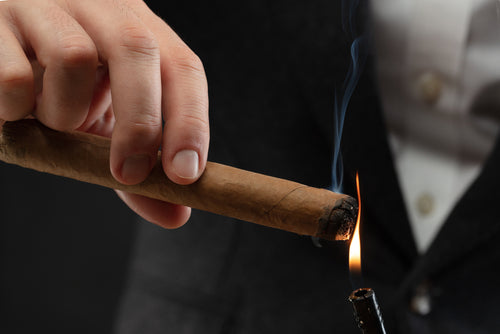
Sitting down with a cigar is supposed to be the highlight of your day, but lighting up at the wrong moment can turn relaxation into pure frustration. Many smokers pick a stick based solely on flavor without considering how much free time they actually have on their hands. A great stogie is a serious commitment of attention and environment, not a quick fix you can rush through during a frantic lunch break. When the external world is moving too fast, the internal physics of the burning tobacco will clash with your hurried pacing. Figuring out when to strike your match and when to leave the cutter in your pocket is the real secret to getting the absolute most out of your tobacco stash.
The Structural Reality of What You Are Lighting
To know why timing plays such a massive role in your smoking satisfaction, you have to look at a cigar as a living, breathing mechanical object. A premium hand-rolled stick is constructed from distinct layers of natural agricultural leaves that have been cured, fermented, and aged over several years. The master roller leaves thousands of tiny, microscopic air channels inside the filler core, creating a delicate balance of airflow that depends entirely on a steady, unhurried burn. When you light the foot of the cylinder, you are initiating a slow thermal distillation process that coaxes volatile oils out of the leaf matrix before the fire actually incinerates the structure. If you disrupt this process by changing your environment or rushing your draw, the physical structure of the stick fails, and the flavor collapses into bitter carbon.
The moisture content locked inside those rolled leaves behaves like a built-in brake system for the fire. In a properly maintained environment, the tobacco holds a specific level of humidity that prevents the cellulose from burning like dry kindling. When you take a puff, that internal moisture vaporizes, cooling the smoke down before it travels down the barrel to your palate. This thermal cooling zone requires a specific window of time to reset itself after every single draw you take. If you do not provide that physical reset window because your schedule is packed or you are distracted by external tasks, the heat builds up exponentially, baking the unlit tobacco ahead of the burn line and destroying the blend.
The size & shape of the stogie you select add another layer of mechanical reality to the equation. A slender Lancero possesses a very thin ring gauge, meaning it contains very little filler tobacco to absorb the heat generated at the glowing foot. These thin profiles sit close to the wrapper leaf and run naturally warm, demanding an environment where you can pay close attention to your puffing speed. On the alternative side, a thick gordo or a hefty toro offers a massive volume of leaf mass that acts as a natural heat sink, soaking up the thermal energy and delivering a cooler smoke. However, that massive volume requires a major commitment of continuous attention to keep the entire wide surface area burning at a perfectly even rate.
Machine-made cigars operate under a completely distinct set of mechanical rules that alter your timing decisions. These budget-friendly options utilize short-filler tobacco scraps that are chopped up and compressed tightly by heavy automated factory hoppers. Because the interior is filled with thousands of tiny fragments pointing in random directions, the air moves through the cylinder with almost zero structural resistance. This open layout makes the stick incredibly easy to light, but it also means the fire reacts aggressively to any shift in wind or draw pressure. Matching your environment to the physical style of your stick guarantees that the loose scraps do not incinerate into a harsh, tongue-scorching mess before you get a chance to taste the tobacco.
Finally, you have to recognize that the wrapper leaf on the outside of your cigar is incredibly sensitive to the ambient atmosphere around you. The wrapper provides a huge percentage of the initial aroma and flavor notes, but it is thin, delicate, and prone to expanding or contracting based on weather shifts. If you step out of a climate-controlled room directly into a harsh, dry wind or a heavy downpour, the sudden thermal shock can cause the outer leaf to split wide open. The timing of your smoke must account for these immediate atmospheric conditions just as much as the ticking clock on your wall. Protecting that outer shell ensures the internal air channels stay perfectly intact from the first match strike to the final rest in the tray.
You Need to Know When the Right and Wrong Times Are to Light a Cigar
No doubt, timing plays a significant role in determining how certain experiences unfold over the course of an activity. Choosing the correct moment to begin can influence the overall progression and ultimate outcome of the entire process. On the other hand, rushing into it or misjudging the circumstances might lead to subtle complications that alter the intended path. Ultimately, awareness of these situational factors ensures that the standard sequence of events aligns more closely with general expectations.
The Ideal Environments and Perfect Windows to Light a Cigar
Finding the perfect moment to enjoy your tobacco requires aligning your schedule, your physical state, and your immediate surroundings into a single harmonious window. When these factors match up correctly, the tobacco performs exactly how the blender intended, revealing deep layers of complexity without any harshness. Let’s break down the optimal scenarios where striking a match results in absolute smoking bliss.
When the Clock is on Your Side
The primary factor behind a truly successful smoke is having an unhurried, completely open block of time stretching out ahead of you. Premium long-filler cigars are purposefully designed to be enjoyed across a lengthy, continuous timeline that matches their physical dimensions. Squeezing a classic Robusto into a tiny thirty-minute gap is a recipe for a bitter palate because you will naturally end up puffing twice as fast as the leaves can handle. You need to look at your daily calendar and select a window where no sudden phone calls, driving duties, or family chores will force you to abandon your stick halfway through the session.
When you select a large shape like a double corona or a hefty Churchill, you are making a binding agreement to sit still for a solid hour and a half to two hours. This lengthy duration lets the burning cherry drop down to a quiet, dormant simmer between your individual draws, maintaining a low internal temperature that shields the delicate essential oils. The long barrel provides a massive runway for the smoke to cool down, yielding a velvety texture on your tongue that changes subtly as the fire moves through the distinct leaf sections. Having a clear schedule eliminates the mental anxiety of watching the clock, which naturally translates into a slower, cooler, and more rewarding physical draw cadence.
If your available time frame is limited to a brief twenty-minute window, adapting your selection to a compact machine-made cigarillo or a short panatela is the smart play. These smaller factory options are specifically engineered to deliver a complete tobacco experience within a condensed period without forcing you to waste a premium hand-rolled blend. Because they utilize short-filler scraps, they ignite quickly and run through their cycle efficiently, making them ideal for a brisk morning break or a quick pause between tasks. Matching the physical length of your tobacco directly to the actual free space on your calendar ensures you never have to commit the ultimate sin of putting out a half-smoked premium stick.
After a Hearty, Substantial Meal
Lighting up after enjoying a rich, heavy dinner is a traditional practice for a very specific physiological reason that impacts your entire physical well-being. Tobacco leaves naturally contain a high concentration of nicotine, a powerful compound that is absorbed directly through the membranes in your mouth as you enjoy the smoke. When your system is busy digesting a full meal packed with proteins and complex carbohydrates, your blood sugar levels are stable, and your metabolism handles the sudden influx of nicotine smoothly. This physical buffer prevents the sudden dizziness, cold sweats, and stomach fluttering that can happen when the compound hits a completely empty system.
A heavy meal also primes your sensory palate to handle the robust, complex flavors packed into dark wrappers like a sun-grown maduro or an oily habano leaf. The residual fats and savory oils left behind from a steak dinner or a seasoned pasta dish create a protective coating over your taste buds, shielding them from the raw bite of smoke. This coating lets you perceive heavy tasting notes like dark espresso, black pepper, and charred oak wood without blowing out your sensory receptors. The interaction between a full stomach and heavy tobacco smoke establishes a rich, luxurious weight on the palate that makes the entire experience feel completely satisfying.
Furthermore, this post-meal window represents the natural decompression phase of the human day, where your body naturally transitions into a restful state. With your hunger entirely satisfied, your heart rate drops, and your mind naturally slows down, creating the perfect mental landscape for a long, meditative smoke. You can pair the stogie with a warm cup of black coffee or a dark, non-alcoholic liquid to help cleanse your palate between puffs. This intentional combination turns the conclusion of a meal into a deliberate ritual, allowing the distinct tobacco layers to unfurl slowly while your body remains comfortable and grounded.
Celebrating Milestones and Unwinding Solo
There is an undeniable social magic that occurs when a group of close peers gathers to light up matching sticks in honor of a major life event. Whether you are marking a promotion, welcoming a newborn into the family, or simply gathering for an annual reunion, a cigar acts as a shared anchor that slows down the room. Because everyone is bound to the same deliberate pace of the burning leaf, conversation naturally opens up and takes on a more relaxed, meaningful tone. The shared aroma and the rhythmic movement of smoke create a communal atmosphere where nobody feels the urge to rush away or check their digital devices.
On the flip side of that social coin sits the immense value of the solitary, late-night smoke after a grueling workweek. When the house is completely quiet, the email notifications have stopped, and the daily noise has faded, a single stogie becomes an incredible tool for personal decompression. Sitting alone on a dark porch with a fine premium blend forces you into a state of active mindfulness as you monitor the straightness of the burn line and the thickness of the ash column. This solo window turns the cigar into a private retreat, giving you the mental space to process your thoughts without any external pressure or distraction.
In both of these scenarios, the emotional environment matches the physical needs of the tobacco perfectly. Because the mindset is focused entirely on celebration or deep relaxation, you will naturally treat the stick with the respect and patience it requires to perform beautifully. You are not smoking to get a quick hit of energy; you are smoking to mark a specific space in time and savor the craftsmanship of the blend. This mental alignment guarantees that you will take slow, gentle sips, maintaining a cool ember at the foot and unlocking the absolute best flavors the leaves have to offer.
The Worst Possible Moments to Smoke a Cigar
Just as there are perfect alignments for a great smoke, there are certain situations where lighting up is an absolute waste of good leaf. Forcing a cigar into an incompatible moment will actively ruin the flavor, stress your physical system, and leave you with nothing but a bitter taste in your mouth. Let’s look at the absolute wrong times to bring a flame to your stogie so you can avoid these common pitfalls.
Rushing Against an Impending Deadline
Trying to cram a premium, long-filler cigar into a tight, unpredictable gap in your schedule is one of the fastest ways to destroy a great blend. When you are constantly glancing at your watch or worrying about an upcoming meeting, your internal stress levels cause your physical actions to accelerate without you even realizing it. You will find yourself drawing on the cap every fifteen seconds rather than letting a full minute pass between puffs. This frantic pacing pulls a continuous stream of oxygen through the core, transforming the gentle cherry into a miniature blowtorch that sears the tobacco.
This accelerated burning pace completely skips the crucial distillation phase where the natural essential oils turn into a flavorful mist. Instead, the extreme heat causes total combustion of the delicate wrapper and binder leaves, flash-frying the delicate flavor compounds into pure, bitter ash. You will immediately notice a sharp chemical stinging sensation on the back of your throat, completely wiping out any notes of cedar, cream, or leather. The heavy concentration of tar and soot condenses inside the cool end of the barrel, meaning that every single puff will taste foul even if you try to slow down later.
If you find yourself in a scenario where time is short but you still desperately want the taste of tobacco, forcing a full-sized premium stogie into that slot is a massive mistake. You will either end up burning your tongue from fast puffing, or you will be forced to leave a expensive hand-rolled stick dying in an ashtray after only a few inches. Relighting a cold, half-burned cigar later on never yields the same pristine flavor because the settled oils have already gone stale and stale carbon has coated the interior channels. Save the premium options for a wide-open evening and opt for a brief, machine-made option if you are running a race against the clock.
Smoking on an Entirely Empty Stomach
Lighting up a robust cigar first thing in the morning before you have eaten a single bite of solid food is a guaranteed path to a miserable physical crash. When your stomach is completely bare, the high concentration of nicotine packed into the aged leaves enters your bloodstream with terrifying speed, completely bypassing any metabolic filters. This sudden, unbuffered chemical spike causes an immediate constriction of your blood vessels and a rapid drop in your blood sugar levels. Within fifteen minutes, a wave of intense nausea, cold sweats, and severe dizziness can hit even the most experienced, long-time smoker in the room.
The physical discomfort of nicotine sickness completely destroys your ability to appreciate the actual craft of the tobacco blend. As your stomach begins to flutter, your salivary glands go into overdrive, filling your mouth with an acidic metallic taste that completely distorts your sensory palate. The subtle, sweet notes of a fine Connecticut wrapper or the rich cocoa undertones of a Nicaraguan filler turn incredibly harsh and chemical. Instead of a relaxing escape, your smoking session turns into a physical endurance test where you are just praying for the dizziness to fade away.
This physiological trap applies to both high-end premium sticks and mass-produced machine-made stogies alike. Because machine-made options feature an open short-filler core that burns fast and delivers smoke efficiently, they can deliver a heavy chemical hit to your system surprisingly fast if your stomach is empty. If you ever find yourself caught in this uncomfortable situation, your best move is to put the stick down immediately and consume a spoonful of pure sugar or a sweet beverage. The sugar absorbs quickly into your system, counteracting the nicotine crash and restoring your balance, but the memory of the scorched palate will linger for the rest of the day.
Battling Unfavorable Environmental Factors
Trying to enjoy a fine cigar while standing in the middle of a howling windstorm or sitting on a freezing cold, drafty patio is an exercise in pure frustration. Heavy outdoor breezes act exactly like an automatic, continuous bellows blowing directly against the exposed foot of your stogie. Even when you leave the stick resting quietly in your hand, the moving air forces oxygen into the ember, keeping the fire burning at a dangerous white-hot temperature. This environmental interference completely overrides your patient puffing cadence, causing the stick to burn down at a furious pace while superheating the smoke.
Extreme weather also wreaks total havoc on the physical construction and elasticity of the tobacco leaves themselves. When the ambient air is bitterly cold and dry, the delicate wrapper leaf loses its natural flexibility and becomes incredibly brittle. The moment the hot thermal wave from the approaching ember meets that frozen, dry outer shell, the sudden temperature contrast causes the wrapper to split, peel, and unravel in your fingers. This structural breakdown destroys the tight seal required to maintain a proper draw, creating air leaks along the barrel that force you to repeatedly apply a lighter torch just to keep it lit.
Furthermore, trying to smoke in a highly chaotic, distracting environment prevents you from maintaining the focus required to care for your stogie. If you are constantly getting up to move lawn chairs, dodging raindrops, or battling swarms of insects, you will completely lose track of your burn line and your pacing. You will miss the warning signs of a canoeing edge or an internal tunnel until the damage is completely irreversible. A great smoke requires an atmospheric sanctuary where you can sit comfortably and let the tobacco burn on its own natural, uninterrupted terms.
Simple Ways to Size Up Your Next Cigar Smoking Session
Getting the timing right isn't rocket science, but it does take a quick reality check before you ever reach for your cutter. You see fellow cigar aficionados, lighting up at the perfect moment is what separates a great experience from a total waste of good tobacco. You can pull a nice stogie out of your humidor, but the flavor won't save you if your timing is completely off. Savoring a cigar requires a solid mix of situational awareness and basic courtesy so the entire session goes off without a hitch. So, here’s how you can size up the situation like a pro before you even think about grabbing your cutter:
-
Matching Your Free Time to the Ring Gauge: Check the clock before you pick a stick out of your stash. If you only have fifteen minutes, spark up a quick machine-made cigarillo instead of a massive hand-rolled toro. Forcing a big, fat premium cigar into a tight schedule makes you puff way too fast, which instantly superheats the leaf and turns the smoke bitter.
-
Getting a Substantial Meal in Your System: Never light up when your stomach is completely bare. Strong tobacco on an empty tank will make your head spin and turn your stomach inside out within ten minutes. Eating a heavy lunch or dinner gives you a solid base, letting you handle the nicotine hit smoothly while keeping your taste buds sharp.
-
Finding Cover from a Stiff Breeze: Look at the trees to see how hard the wind is blowing before you sit down. A heavy gust treats the lit end of your cigar like a blowtorch, pushing oxygen straight into the core and running the heat way past its limit. Head for a sheltered porch or a spot behind a wall so you control the air intake yourself.
-
Checking Your Mood Before You Strike a Match: Skip the high-end stogies if you are stressed out or rushing to hit a tight work deadline. When your mind is racing, your hands move faster and you end up drawing on the cap every few seconds without realizing it. Wait until you can actually sit back and unwind, otherwise you are just going to scorch your tongue.
-
Avoiding Sudden and Violent Weather Shifts: Watch out for major temperature jumps when you take your tobacco outside. Stepping straight out of a cold air-conditioned house onto a scorching, humid patio can cause a delicate wrapper leaf to snap and crack wide open. Give your stogie a few minutes to adapt to the ambient air so the outer layer stays completely intact.
-
Reading the Room Before Striking a Light: Look around at who you are sitting with before pulling out your torch. Blasting thick smoke into a crowd of folks eating dinner or hanging out with kids is a surefire way to cause a scene. Wait for the group to migrate to an open outdoor space or a dedicated zone so your stogie doesn't ruin anyone else's evening.
-
Letting Your Ash Drop on the Right Schedule: Stop flicking your cigar every five seconds like it is a cheap paper cigarette. Aged long-filler leaves hold a solid, tight ash column that actually helps insulate the cherry and keep the burning temperature down. Wait until it gets to about an inch long, then gently press it against the side of the tray so it breaks off cleanly without making a mess on the table.
-
Sharing the Flame with Your Buddies First: Pass the lighter to your friends before you take care of your own stick if you are the one hosting the session. Tending to your guests first is a classic move that shows respect and sets a relaxed vibe for the whole group. Once everyone else has a solid, even glow going on the foot of their tobacco, you can step up and spark your own stogie.
-
Scheduling Your Blends by the Clock: Match the strength of your tobacco to the time of day so you don't numb your taste buds early. Lighting a heavy, full-bodied Maduro first thing in the morning leaves your palate exhausted for the rest of the day. Start with a mild, creamy shade wrapper alongside your morning coffee and save the heavy-hitting Nicaraguan spice for after a big dinner.
Overall, turning this pre-smoke assessment into a daily habit guarantees that every single cigar you pull from your collection performs at its absolute highest potential.
Enjoy That Cigar On Your Own Terms, The Right Way!
Getting the absolute most out of your stogies down to a mix of patience and basic situational awareness. Choosing a large premium cigar when your calendar is wide open or picking a quick machine-made cigar for a brief break guarantees the leaves burn at a steady, cool pace. Sitting down with a full stomach and respecting the folks around you transforms the entire session from a thoughtless habit into a rewarding ritual. You are dedicating time to a crafted product, and protecting that burning cherry from a frantic draw preserves every ounce of flavor. Waiting for the proper moment to strike your match means you always get a flawless smoke that stays smooth down to the very last puff.
Share:
What Are Some Reasons Why a Cigar Can Burn Too Hot?
What is a Homogenized Tobacco Leaf Wrapper?