
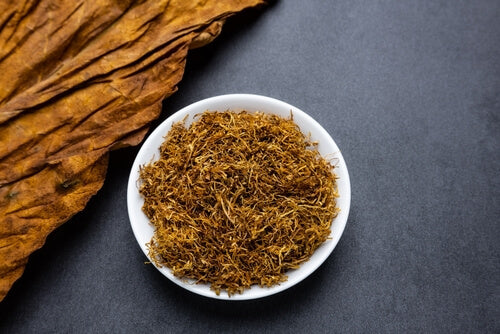
If you carefully peel back the outer layer of a mass-produced cigar, you’ll find an engineered sheet rather than a raw, intact tobacco leaf harvested straight from a field. This material is known as a homogenized tobacco leaf wrapper, a product created by grinding down real tobacco components and rebuilding them into a uniform structure. Industrial manufacturers rely heavily on this material to supply high-speed rolling machines with a wrapping medium that never tears, flakes, or varies in thickness. While premium hand-rolled sticks celebrate the natural irregularities of a cured plant, these processed sheets exist purely to maximize manufacturing efficiency and provide a perfectly predictable burn. Examining the exact science and composition behind this tobacco-paper hybrid reveals how modern production methods alter the physical reality of a cigar.
The Fine Breakdown of Raw Slurry Elements
To see exactly what constitutes this engineered sheet, you must analyze the precise recipe of botanical debris, structural additives, and moisture-retaining chemicals that factories measure out. The base material consists entirely of leftover plant mass that traditional production lines cannot use for whole-leaf wrapping. This primary component includes fine tobacco dust collected from ventilation systems, small leaf fragments broken during stem removal, and dense leaf ribs or stems that are normally too woody and rigid to burn well on their own. Instead of discarding these byproducts, production teams mill the stems and scraps into a uniform, microscopic powder. This raw botanical dust provides the actual tobacco taste and nicotine content, but it lacks any inherent structural stability once separated from an intact leaf tissue.
To convert this loose powder into a rugged casing that machine rollers can pull and stretch, manufacturers introduce an engineered structural skeleton. This comes in the form of refined cellulose binders, most commonly sodium carboxymethyl cellulose or water-soluble plant adhesives like guar and locust bean gums. These binding agents make up roughly 12% to 14% of the final dry weight of the sheet, forming an interwoven molecular web that locks the microscopic tobacco particles in place. In many specialized production lines, technicians also add a small volume of processed wood pulp or long flax fibers directly into the slurry. These additional plant fibers act exactly like rebar in wet concrete, giving the damp pulp the high tensile strength required to prevent tearing when industrial pulleys drag the finished sheet through high-speed processing stages.
The final crucial group of ingredients consists of non-volatile chemical humectants, specifically propylene glycol and liquid glycerin. Natural tobacco leaves rely on organic cell walls to remain pliable, but a pulverized sheet loses moisture rapidly when exposed to open air. By integrating these humectants into the wet mix, manufacturers create an artificial moisture trap within the fiber matrix. The chemical properties of glycerin hold onto water molecules tightly, keeping the dried sheet pliable and preventing it from shattering into dry flakes during industrial storage or mechanical rolling. This chemical balance creates a highly stable, uniform material that behaves less like a delicate agricultural crop and more like a resilient, specialized industrial textile.
The Mechanical Slurry and Pressing Process
The actual creation of a homogenized sheet mirrors the ancient art of paper manufacturing, scaled up to massive industrial proportions. Once the mixture of water, tobacco scraps, and plant binders achieves a smooth, paste-like consistency, it passes into a series of massive refining vats. Huge automated pumps spread the fluid pulp across a continuously moving fine-mesh conveyor belt in an incredibly thin, controlled layer. As the belt advances, powerful vacuum systems underneath draw out a large percentage of the water weight, forcing the damp fibers to lock together. The damp, delicate ribbon then travels through a sequence of heavy, polished steel rollers that compress the fibers, smoothing out any lumps and setting a precise thickness across the entire width of the material. After pressing, the continuous sheet passes directly through long, heated drying tunnels where hot air evaporates the remaining moisture down to a specific target percentage. The finished dry material emerges as a giant, continuous ribbon of reconstituted tobacco, which is immediately wound onto heavy industrial spools for storage.
Physical Traits and Structural Uniformity
Looking at a finished homogenized wrapper reveals a total absence of the natural traits found on a farm-grown leaf. If you rub your thumb across the surface, you will notice a completely flat, matte texture that feels more like heavy brown wrapping paper than a cured plant. There are absolutely no veins, raised ribs, or natural oil spots visible anywhere along the length of the material because the original cellular structure was entirely destroyed during grinding. The color is entirely uniform from end to end, showing a single monochromatic shade of tan or brown without the natural gradients or sun spots that naturally occur in a field. When the edges are sliced by automated cutting blades, the material leaves a completely straight, crisp line with zero fraying or split fibers. This structural consistency means every square inch of the sheet possesses the exact same density, weight, and tensile strength, which prevents the wrapper from warping or expanding unevenly when exposed to ambient air.
Impact on Cigar Combustion and Airflow
The physical configuration of an engineered wrapper directly dictates how a cigar burns from the moment a flame touches the tip. Because the sheet contains zero dense veins or thin, fragile pockets, the combustion front moves forward at an identical pace around the entire circumference of the stick. This uniformity completely eliminates common smoking issues like canoeing, where one side of a natural leaf burns faster than the other due to uneven moisture or oil distribution. The cellulose binders used to construct the sheet act as a mild combustion regulator, maintaining a steady smolder that prevents the cigar from going out too quickly during brief pauses between puffs. Air flows through the wrapped stick with a highly predictable resistance because the smooth outer barrier lacks any hidden microscopic tears or gaps that could disrupt the internal pressure. The resulting ash forms a tight, pale structure that mirrors the flat shape of the wrapper itself, though it lacks the flake resistance that deep, natural root minerals give to premium whole leaves.
The Chemistry of Flavor Retention and Absorption
The industrial process used to manufacture these sheets fundamentally alters the chemical and aromatic profile of the tobacco. Grinding the leaves and mixing them with water strips away a large volume of the volatile essential oils and natural sugars that give premium tobacco its distinct regional flavors. To compensate for this loss of natural character, the porous structure of the reconstituted sheet is highly receptive to liquid flavor casings and aromatic misting treatments during the drying phase. Industrial blenders can infuse the slurry with precise amounts of sweetness or specific botanical extracts, which bind directly to the dried cellulose fibers. This chemical bond locks the flavors into the wrapper, making sure they do not evaporate away before the product reaches the consumer. For unflavored variations, the sheet remains almost entirely neutral, serving as a functional casing that lets the internal filler blend provide the core tobacco notes without introducing any competing bitterness from thick leaf veins.
A Technical Standard for Modern Cigar Production
Demystifying this manufactured material reveals a highly functional product built strictly for structural performance and industrial predictability. By turning loose scraps into a continuous, veinless sheet, manufacturers solved the mechanical challenges of high-speed cigar assembly while mastering burn regulation. This engineered approach swaps the complex, oily character of a farmed leaf for a flat, reliable canvas capable of holding steady flavors and maintaining a perfect burn line. Recognizing these precise physical and chemical traits gives you a clear look at how industrial design shapes a consistent, budget-friendly smoke from the inside out.
Share:
Timing Your Cigar Sessions: When's the Right (and Wrong) Time to Light a Cigar?
Timing Your Pipe Smoking Sessions: When's the Right (and Wrong) Time to Light a Pipe?