
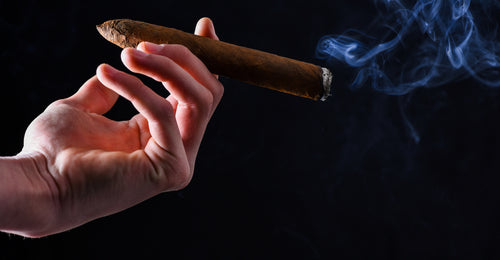
Every aficionado remembers the exact moment a great cigar turned into a bitter, tongue-scorching disappointment right in the middle of a relaxing afternoon. It’s a frustrating experience that quickly replaces rich tobacco flavors with nothing but harsh charcoal and acrid smoke. While many people blame the leaf quality right away, an overheated cigar burn often traces back to overlooked mechanics and everyday smoking habits. Finding the sweet spot between a cool draw and a raging hot cherry requires looking closely at how air moves through the tobacco. Adjusting a few simple actions with your cutter or lighter can rescue your palate and completely transform your next backyard smoking session.
The Anatomy and Reality of a True Cigar
To figure out why a cigar turns into a miniature blast furnace, you gotta look at what you’re actually holding. A genuine cigar isn’t just a bunch of shredded leaves stuffed into a paper tube; it is a complex piece of agricultural engineering. When a roller sits down at a wooden bench, they are blending distinct components that must work in harmony to control how oxygen moves through the tobacco. Every single layer has a specific job to perform regarding flavor, structural integrity, and burn rate.
At the very center of the cigar sits the filler tobacco. This core is responsible for the bulk of the flavor profile and the physical density of the smoke. Rollers choose leaves from distinct parts of the tobacco plant to achieve specific results. Leaves harvested from the bottom of the plant, known as volado, are prized for their excellent burning qualities even though they possess very mild flavors. The middle leaves, called seco, offer a nuanced aroma and medium body. The top leaves, known as ligero, bake under the direct sun, becoming thick, oil-rich, and incredibly potent. Because ligero leaves are so dense and full of oils, they burn very slowly. A master roller must carefully bunch these distinct leaves together, placing the slow-burning ligero right in the dead center and wrapping it in faster-burning leaves so the entire cylinder combusts at an even pace.
Surrounding that complex filler core is the binder leaf. The binder is the unsung hero of the structure, acting as a tight, elastic shield that holds the filler tobacco in its uniform cylindrical shape. It needs to be tough, flexible, and perfectly cured to handle the internal expansion that happens when the tobacco gets warm. If the binder leaf lacks the proper tensile strength or is rolled with uneven tension, the physical structure of the stick begins to fail before you even reach the halfway mark.
Finally, the entire package is wrapped in the wrapper leaf. This is the most visually flawless, oil-heavy, and expensive leaf on the stick. The wrapper provides a massive percentage of the initial aroma and tasting notes you perceive on your palate. It must burn smoothly and cleanly, acting as a regulator for the air being drawn into the core.
For all of these components to behave themselves, the moisture level within the leaves must be near perfect. In a typical aging environment, that means maintaining a relative humidity between sixty-five and seventy percent. Water molecules trapped inside the cellular structure of the tobacco act as a natural brake system for fire. When a stick dries out, those natural oils and moisture reserves evaporate completely. Without water to slow things down, the dry cellulose burns like dry autumn leaves in a bonfire. The fire races unchecked through the channels, superheating the air and ruining the profile of the blend.
How Hand-Rolling and Machine-Manufacturing Shape the Burn of a Cigar
Looking closely at the raw construction of any tobacco product explains exactly how it handles a flame. A cigar crafted by hand relies on intact whole leaves, whereas automated production utilizing smaller leaf pieces offers a faster-burning layout. Neither method is fundamentally superior, as both serve distinct preferences and schedules for tobacco enthusiasts. However, these contrasting manufacturing approaches completely alter the way oxygen flows through the body of the stick. Mastering temperature control requires adapting your smoking technique to match the specific internal mechanics of each construction style.
The Linear Leaf Channels of Premium Hand-Rolled Stogies
Premium cigars rely exclusively on long-filler tobacco leaves that run the entire length of the cylinder from the lit end straight to the cap. During construction, a skilled artisan selects these raw leaves and carefully folds them parallel to one another using specialized methods like book-mulling or entubar rolling. This precise folding technique creates natural, continuous microscopic pathways running straight through the core of the stick. Because the tobacco remains fully intact and aligned, the air drawn through the cap encounters a steady, predictable level of resistance. This physical drag acts like a natural regulator on the burn rate, strictly limiting how much oxygen can feed the glowing cherry at any single second.
The high density of whole leaves means the fire consumes the material at a slow, measured pace, giving the heavy natural oils ample time to vaporize cleanly rather than combusting instantly. When a master roller builds these premium options, they intentionally place the thickest, slowest-burning leaves right in the dead center of the bundle. This design creates a natural thermal cone, where the interior burns slightly behind the outer edges, keeping the overall temperature down. Because the long leaves retain moisture uniformly within their unbroken cell structures, they offer a reliable thermal buffer that helps maintain a cool smoke and preserves the full spectrum of complex, subtle tasting notes.
This internal layout also means that the physical structure remains solid throughout your smoking session. Whole leaves expand evenly when warmed by the approaching fire, maintaining a uniform pathway for the smoke to travel without creating sudden voids. This structural stability prevents the air channels from collapsing or shifting unexpectedly while you hold the stick. Grasping this architecture helps you realize why a slow, deliberate draw yields such a smooth finish, as the tightly bundled leaves naturally resist the temptation to flare up under normal conditions.
The High-Airflow Dynamics of Machine-Made Stogies
Automated production lines to create machine-made cigars offer an incredibly consistent shape and an accessible option for brief, time-sensitive smoking sessions. Instead of long, unbroken sheets, these factory options utilize short-filler tobacco composed of smaller leaf pieces, stems, and leftover leaf remnants distributed evenly by high-speed machinery. Because these smaller fragments create a multi-directional internal web rather than a single linear path, the stick naturally features a much looser, more open draw. Air moves through the interior with far less restriction, facilitating a rapid and highly efficient combustion process that requires very little physical effort from the smoker.
To maintain high output speed, automated production systems frequently utilize homogenized tobacco sheets as a binder layer. This material is made by processing tobacco remnants into a uniform, paper-like sheet that burns with a fast, highly predictable velocity. Because short-filler fragments expose thousands of tiny, raw edges to the flame simultaneously, the interior behaves like dry kindling if exposed to heavy suction. This open design means the ember responds aggressively to hard puffing, which can cause a rapid spike in temperature if the smoker is not paying attention.
To enjoy the blend without scorching the flavor, you simply need to adapt your habits to match this high-airflow design. Shifting to a lighter, more delicate sipping technique prevents excessive oxygen from rushing down the barrel. Because machine-made options do not contain the thick, oil-heavy leaves found in full-sized premium blends, they do not require high heat to deliver their flavors. A gentle touch locks in a cool, rewarding experience and prevents the heat from overwhelming your tongue.
The Heat Factor and Flavor Destruction
To truly appreciate a fine smoke, you have to treat the lit end like a delicate kitchen burner rather than a raging trash fire. A cigar doesn’t actually yield its best tasting notes through direct incineration. Instead, the magic happens in a tiny, warm zone located just a fraction of an inch behind the glowing red ember. This is the distillation zone, where the warm air vaporizes the volatile essential oils trapped within the tobacco leaves before the fire actually consumes them.
When the combustion process functions at its ideal temperature, these delicate oils turn into a smooth, aromatic aerosol. This is where you get those rich, traditional tasting notes like roasted coffee, dark cocoa, smooth cream, and toasted cedar wood. The smoke feels heavy and velvety on your tongue, leaving a pleasant finish that lingers without stinging.
However, when the internal temperature climbs past that sweet spot, the chemistry of the smoke shifts dramatically. Instead of a gentle distillation, the excessive heat causes total, violent destruction of the chemical compounds inside the leaf. The essential oils do not vaporize; they flash-fry and burn into pure carbon. The delicate balance of flavors vanishes instantly, replaced by a heavy concentration of tar, charcoal, and bitter alkaloids.
As the heat intensifies, it also triggers the rapid release of residual ammonia and heavy gases that would normally remain locked away or pass off harmlessly in a cooler smoke. You will immediately notice a sharp, chemical stinging sensation right on the back of your throat. Your tongue will feel dry and scorched, a phenomenon commonly known as bite.
Once a stick gets hot enough to accumulate this heavy buildup of tar and soot in the chamber, the damage is incredibly difficult to reverse. The dark, bitter residue condenses on the cold tobacco closer to your mouth, meaning every subsequent puff will taste like an old ashcan, even if you manage to let the ember cool down later. You have essentially cooked the raw materials from the inside out, ruining the blender’s hard work.
Four Physical Triggers That Superheat Your Cigar Smoke
An overheated burn is almost never a random stroke of bad luck. It is the direct consequence of physical forces acting inside the cylinder, triggered by the choices you make before and during your smoke. Whether your stick was rolled by hand over a wooden bench or assembled by heavy machinery in a factory, the basic laws of combustion remain the same. Oxygen must meet fuel at a controlled pace, or the structural balance breaks down completely. By tracking how your personal choices and physical designs collide, you can pinpoint exactly why your smoke is running hot.
How the Cut Adjusts Your Intake
Opening up the closed cap of a cigar creates the primary intake valve for the entire system. If you alter the size or shape of this opening incorrectly, you completely shift the internal physics of the combustion cycle. A cut that is too wide or too narrow alters the velocity of the smoke traveling down the body of the tobacco leaves. Think of this opening as a gatekeeper controlling the amount of draft you pull with every single breath. Balancing this opening prevents the burning ember at the foot from flaring out of control before you finish your stogie.
Premium Cigars: For a premium hand-rolled cigar, a straight guillotine cut that slices past the shoulder opens up the entire diameter of the long-filler bundle. This wide-open channel permits an unrestricted volume of air to sweep through the tightly packed leaves with every single draw. The sudden flood of oxygen acts exactly like a fireplace bellows, whipping the glowing cherry into a roaring furnace. Because premium stogies rely on a balanced resistance, removing too much of the cap eliminates the built-in governor that controls the burn rate. The excessive air movement causes the slow-burning interior leaves to incinerate far too quickly, generating a harsh, overheated smoke that ruins the delicate oil distillation.
Machine-Made Cigars: Machine-made cigars handle this intake dynamic in a completely distinct manner because they are engineered to meet specific factory standards. Many of these pre-formed stogies arrive at your table with a pre-cut hole or a pierced cap right out of the packaging. If you mistakenly take a heavy guillotine cutter to these factory openings, you risk tearing the delicate tobacco binder paper holding the core together. This physical damage destroys the built-in structural resistance, permitting the chopped tobacco scraps inside to shift around and form empty voids. The resulting loose draw permits an unregulated rush of air to ignite the internal short-filler fragments into an acrid, biting mess.
The Cadence of Your Draws
Pacing is the absolute lifeblood of a cool smoking experience, requiring a rhythmic approach that respects the physical state of your tobacco. Every puff you take pulls active oxygen directly into the burning core, causing a temporary spike in internal temperature. Giving the cigar a momentary rest between draws lets the fire drop back down to a stable simmer. If you rush through your smoking session without pausing, the heat compounds continuously until the entire stogie gets too hot to handle. Finding the proper rhythm keeps the fire under control and saves your palate from unnecessary bite.
Premium Cigars: The standard benchmark for a premium long-filler cigar is roughly one gentle draw every sixty seconds. This timeline gives the heavy, oil-rich leaves like sun-grown ligero ample time to cool down between puffs. If you draw on a premium stogie too rapidly, you constantly feed fresh air to an ember that is already highly active. The accumulated heat climbs exponentially, sending the thermal energy backward into the body of the intact leaves. This continuous baking process vaporizes the natural moisture reserves too early, causing the wrapper to crack and the flavor profile to collapse into pure carbon.
Machine-Made Cigars: When dealing with machine-made cigars, your puffing cadence must become even more delicate and patient due to the loose nature of the short-filler core. Because these budget-friendly stogies consist of small, chopped remnants rather than thick full sheets, they possess a massive amount of surface area that catches fire instantly. A fast puffing speed on a factory cigar behaves exactly like throwing dry wood chips onto an active campfire. The fire flashes across the tiny bits immediately, superheating the smoke before the surrounding air can naturally cool it down. Extending your rest periods or taking tiny micro-sips prevents these quickly burning fragments from scorching your tongue and overpowering the blend.
Physical Assembly Flaws and Structural Defects
Sometimes your personal smoking habits are completely flawless, but the physical construction of the tobacco itself forces the temperature to spike out of control. When the internal layers are not distributed evenly, air travels along the path of least resistance rather than moving smoothly across the leaves. These structural imbalances create pockets of trapped oxygen that feed the fire in unpredictable ways. A faulty roll pattern disrupts the planned combustion rate, leaving you with a cigar that burns lopsided or runs hot. Recognizing these manufacturing defects helps you determine whether the fire is your fault or a flaw in the stogie.
Premium Cigars: In premium hand-rolled cigars, structural defects usually trace back to human error at the rolling bench. A craftsman might accidentally leave an empty, hollow pocket running right down the middle of the long-filler bundle, creating a severe defect known as a tunnel. Air rushes through this empty central void effortlessly, forcing the internal fire to sprint way ahead of the outer wrapper leaf. This internal tunneling effect turns the premium stogie into a miniature chimney, shooting a concentrated jet of superheated air straight onto your palate. The outer wrapper remains unlit and cold while the hidden fire cooks the premium blend from the inside out.
Machine-Made Cigars: Machine-made cigars suffer from mechanical alignment errors rather than human slips during the assembly process. Industrial hoppers can experience sudden shifts in pressure, leaving low-density voids or uneven thin spots in the short-filler distribution of the stogie. When the burning cherry encounters one of these loose, unmapped pockets, the sudden rush of trapped air causes the fire to accelerate violently. Furthermore, if the automated mechanical blades slice a micro-tear into the binder sheet during packaging, external air leaks directly into the side of the machine-made cigar. This leak completely disrupts the uniform draw line, forcing you to repeatedly hit the stick with a torch to keep it burning evenly.
The Impact of Thickness and Length
The specific physical dimensions of your tobacco product dictate how much raw material is available to manage the thermal energy generated at the foot. Every cigar features a unique length and ring gauge that determines its total mass and internal surface area. This physical volume acts as a natural heat sink, absorbing temperature before the smoke reaches your mouth. Slender dimensions handle the warmth in a contrasting manner compared to thick, heavy shapes due to basic thermodynamic laws. Matching your physical draw style to the exact size of your stogie is crucial for keeping the temperature low.
Premium Cigars: In the premium hand-rolled world, a thin cigar like a classic Lancero features a slender ring gauge containing very little filler leaf. Without a heavy bundle of leaves to absorb and dissipate the thermal energy, the hot cherry sits incredibly close to your mouth throughout your session. If you treat a slender premium stogie with a heavy-handed puffing cadence, it will turn into a scorching needle instantly. Conversely, thick premium cigars like a brawny sixty ring gauge Gordo offer a massive structural buffer that naturally soaks up heat. However, if that wide surface begins burning unevenly, smokers often make the mistake of drawing aggressively to fix the line, which superheats the massive core.
Machine-Made Cigars: Machine-made cigars are frequently manufactured in very slender, short dimensions like cigarillos or slim panatelas to accommodate quick schedules. Because these factory stogies combine a tight ring gauge with fast-burning short-filler scraps, they possess virtually no physical tobacco mass to act as a heat shield. The thermal energy from the fast-burning ember has nowhere to escape but straight down the short barrel into your mouth. If you pull on a slender machine-made cigar with the same physical force you use for a large hand-rolled stogie, the tiny cylinder overheats almost instantly. Enjoying these compact options requires a light touch that respects the complete lack of an internal thermal buffer.
Straightforward Ways to Cool Down a Hot Smoke
When your cigar starts acting like a blowtorch, you don’t have to toss it into the dirt and waste a good smoke. You can rescue the flavor and bring the temperature back down to a comfortable level with a few quick adjustments. It just takes a little patience and a bit of basic physics to get the blend running smoothly again. So, here’s what you could try to do:
-
Purging Stale Air Out of the Barrel: Blow a gentle stream of breath outward through the mouthpiece for a few seconds instead of pulling smoke in. This action forces out the bitter, trapped gases and heavy tar vapors that collect inside the tobacco layers when things get too warm. It clears the internal pathway and cools down the center of the cherry.
-
Giving the Ember a Mandatory Rest: Set your stogie down flat in the ashtray and leave it completely alone for a full minute or two. An overactive fire needs a temporary break to drop back down to a stable simmer. This quiet pause stops the heat from expanding backward and baking the unlit tobacco leaves ahead of time.
-
Shaving a Tight Cap to Open the Draw: Use your cutter to slice away a tiny fraction more of the cap if you notice the draw is feeling restricted or plugged. Opening up a slightly cleaner pathway reduces the high-pressure suction you have to use to get a decent cloud of smoke. A more relaxed draw means you do not have to strain, which stops the core from superheating.
-
Shielding the Foot from Heavy Wind: Move your seat away from direct outdoor breezes, strong patio fans, or open air drafts. Moving air acts exactly like an automatic bellows on the lit end of your cigar, forcing oxygen into the core and making it burn white-hot. Guarding the burning end keeps the airflow steady and lets the temperature stabilize naturally.
-
Tapping Off an Overly Dense Ash Column: Roll the tip gently against the side of the tray to drop the ash if it has grown past an inch long and feels suffocating. While a reasonable layer of ash insulates the ember, a massive clump can sometimes trap too much thermal energy inside a small space. Letting the foot breathe gives the heat a quick escape route.
Protecting Your Palate From the Burn
Managing the internal temperature of a cigar comes down to respecting the physical balance between human technique and raw tobacco construction. Your choice of cut and the rhythm of your puffing cadence act as the direct throttle for how oxygen feeds that glowing cherry at the foot. Slender machine-made stogies need a completely feather-light touch to protect their quick-burning scraps, while massive hand-rolled blends demand a steady pace to prevent their heavy oils from turning bitter. Treating combustion like a slow, predictable simmer rather than a frantic race preserves the exact flavor profile the makers intended for your palate. Maintaining a cool head and a patient hand transforms a frustrating, biting smoke into a flawlessly smooth experience from the first light to the final puff.
Share:
Everything You Need to Know About Machine-Made Cigar Tips
Timing Your Cigar Sessions: When's the Right (and Wrong) Time to Light a Cigar?