
Stepping into a room where a pipe is being enjoyed often feels like walking into a living history book, where the air is thick with stories and the scent of tradition. For many, the simple act of packing a bowl is a ritual that demands a specific type of excellence, leading them toward labels that promise something beyond the ordinary. You have likely seen that specific word etched onto tin lids or printed on specialty pouches—the "Reserve" designation that seems to carry an invisible weight of prestige. It is a term that suggests a secret door has been opened to a cellar where only the finest harvests are kept, away from the prying eyes of the general market. Choosing such a blend often feels like an investment in a moment of pure relaxation, where the world slows down just enough for the nuances of a premium leaf to truly shine. While some might see it as a mere label, those who seek out these experiences know there is a profound difference between a daily companion and a rare masterpiece. This distinction is what separates the casual smoker from the dedicated enthusiast who searches for depth, history, and a touch of the extraordinary in every puff. To understand the true nature of these specialty offerings, one must look past the gold foil and delve into the artistry of the leaf itself.
The Prestige of the Label: What "Reserve" Truly Signifies
In the world of fine tobacco, language is often used to create a sense of hierarchy, and "Reserve" stands at the very top of that ladder. Traditionally, this term was borrowed from the wine industry, where it indicated a vintage that had been set aside because of its exceptional quality or its potential for aging. In pipe tobacco, the sentiment remains largely the same, acting as a beacon for those who are looking for a superior experience that deviates from the standard production line. A "Reserve" blend is not merely a different recipe; it is often a statement of intent from the blender, signaling that they have utilized materials that are either too rare or too expensive for wide-scale, permanent distribution.
The primary driver behind a "Reserve" label is the quality of the raw material, which is often sourced from specific geographical regions or particular harvest years. Blenders often encounter a specific crop of Virginia leaf or a unique batch of Oriental tobacco that possesses characteristics that cannot be replicated easily. Instead of diluting this high-quality leaf into a massive standard production run, they choose to highlight its unique properties by creating a limited release. This philosophy ensures that the integrity of the leaf is preserved, allowing the natural sweetness, oils, and textures to take center stage without being masked by heavy additives or lower-grade fillers.
When a smoker picks up a "Reserve" tin, they are usually looking for a departure from their "all-day" smoke—those reliable, consistent blends that provide comfort but perhaps lack a certain "wow" factor. These premium offerings are designed to challenge the palate, offering a complexity that requires focus and appreciation to fully unlock. It is the difference between a quick snack and a multi-course gourmet meal; both have their place, but one is clearly designed for a more elevated, mindful experience. This distinction is crucial because it sets the expectation that the smoke will be nuanced, evolving from the first light to the final ash.
The Masterpiece of Time: The Role of Aged Tobaccos
The most significant factor that earns a blend its "Reserve" status is undoubtedly the age of the tobacco used in the mixture. Time is the silent partner in the blending process, working a kind of alchemy on the leaf that no modern manufacturing process can truly replicate. When we talk about "Reserve" tobacco, we’re often talking about leaves that have been resting in climate-controlled environments for years, or in some truly prestigious cases, several decades.
One of the hallmarks of a high-end "Reserve" offering is the inclusion of vintage Virginia leaf, sometimes reaching the incredible milestone of twenty-five years of age. During these decades of storage, the natural sugars within the Virginia leaf undergo a slow, steady fermentation process. This does not just change the flavor; it fundamentally alters the chemical structure of the leaf, reducing the potential for "tongue bite" and creating a smoothness that is almost buttery in texture. The vibrant, hay-like notes of a young Virginia mellow out, transforming into deep, resonant tones of dark fruit, aged wood, and a refined, natural sweetness that lingers on the palate.
Aging is not a passive process; it is a dynamic evolution where the oils within the tobacco leaf begin to marry and mature. In a "Reserve" blend, this maturation results in a much more cohesive smoking experience where the various components of the blend feel like they belong together. Rather than tasting separate notes of spice, earth, and sugar, the smoker experiences a unified "symphony" of flavor. This depth is only achievable through patience, which is why these blends are often released in small batches—there is simply a finite amount of leaf that has been aged to this specific level of perfection.
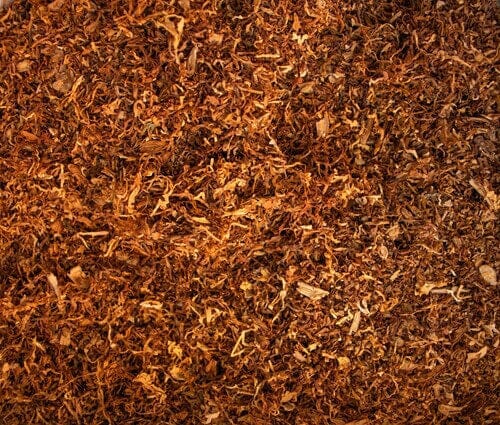
You can often tell a "Reserve" tobacco just by looking at it, as the aging process leaves physical markers on the leaf. Mature Virginias and Burleys tend to darken, moving from bright golds and tans to deep mahoganies and even obsidian blacks. The texture also changes, becoming more pliable and often developing a slight crystalline shimmer on the surface, which is a sign of the natural sugars rising to the top. When these leaves are pressed into cakes or flakes, they hold their shape with a density that speaks to the richness of the oils preserved within, promising a slow, cool burn that is the hallmark of a premium smoking experience.
Exotic Components: Elevating the Blend with Rare Ingredients
While age is a primary factor, the actual "ingredients" in a "Reserve" blend often include components that are difficult to source or require labor-intensive processing. These ingredients act as the "spice" in the recipe, providing the high notes and the depth that make the blend memorable and distinct from standard supermarket or high-volume offerings.
Perique is often called the "truffle" of pipe tobacco because of its rarity and the incredibly specific way it must be produced. Found only in a small patch of land in St. James Parish, Louisiana, this leaf is pressure-fermented in oak whiskey barrels for a minimum of a year. In a "Reserve" blend, the blender might use Perique that has been aged even longer, or perhaps a specific "vintage" batch that has developed an especially potent profile. This results in a flavor that is intensely fruity—reminiscent of figs, raisins, and plums—combined with a sharp, peppery spice that adds a necessary "kick" to the base tobaccos.
In many standard blends, Black Cavendish is used as a mild, sweet filler, often heavily flavored with synthetic toppings. However, in a "Reserve" preparation, the Cavendish is treated with a much higher level of respect and artistry. It might be steamed and pressed for longer periods to naturally darken the leaf and draw out its inherent sweetness without the need for excessive syrups. Some "Reserve" mixtures even incorporate Cavendish that has been treated with premium spirits, such as aged Caribbean rum or high-end bourbon, allowing the tobacco to absorb the complex notes of the alcohol rather than just the sugar. This creates a rich, aromatic smoke that smells wonderful to bystanders while maintaining a sophisticated flavor for the smoker.
Sometimes, a "Reserve" blend is defined by what comes from the East. Rare Oriental or Turkish leaves, such as those from the Basma or Xanthi regions, are often included to provide a "floral" or "incense-like" quality to the smoke. These leaves are small and sun-cured, possessing a high oil content that provides a creamy mouthfeel and a complex aroma. Because these crops can be temperamental and yields vary wildly from year to year, a "Reserve" blend might be the only place where a smoker can find these specific, high-grade leaves in a significant concentration.
The Art of the Profile: Understanding Complex Flavor Notes
The ultimate goal of any "Reserve" pipe tobacco is to provide a flavor profile that is layered and evolving. A common mistake among newcomers is to assume that "premium" always means "sweeter," but in reality, a "Reserve" blend is often less about raw sugar and more about nuanced, "savory-sweet" interactions. For instance, in a high-quality aged blend, the sweetness is never one-dimensional. Instead of a simple "candy" flavor, you will find notes that lean toward:
-
Molasses and Treacle: A deep, dark, slightly bitter sweetness that comes from heavily fermented leaves.
-
Cane Sugar and Honey: Lighter, more floral sweet notes that usually emanate from bright, aged Virginias.
-
Caramelized Citrus: A tangy, zesty sweetness that provides a refreshing counterpoint to the heavier flavors.
Not only that, but a "Reserve" blend is grounded by its "bass notes." These are the flavors that remind you of the earth, the forest, and the aging cellar. You might detect the scent of old leather, the musk of a damp forest floor, or the dry, spicy scent of cedar wood. These notes provide the structure for the blend, ensuring that the lighter, sweeter top notes have something to lean against. This balance is what blenders call "body," and it is what allows a "Reserve" tobacco to feel substantial and satisfying in the mouth.
Also, one of the most captivating aspects of these premium mixtures is how they change throughout the duration of the bowl. At the initial light, you might be greeted by bright citrus and a touch of spice. As you move toward the "mid-bowl", the flavors often deepen, with the sugars caramelizing and the bready, toasty notes of the aged leaf becoming more prominent. By the time you reach the bottom of the bowl, the smoke should be rich, dark, and intense, yet still remarkably cool and smooth. This "progression" is a sign of a masterfully crafted blend where the different leaves have been layered to reveal themselves at different temperatures and stages of the burn.
The Marketing of Exclusivity: Small Batches and Collectability
We must also address the reality of the industry: the "Reserve" label is a powerful marketing tool. While the quality of the tobacco is often genuinely superior, the way these products are positioned in the market is designed to create a sense of urgency and prestige. You see, by labeling a blend as a "Reserve," manufacturers are signaling that the supply is finite. This creates a "limited edition" mentality within the pipe smoking community. When an enthusiast knows that only a few thousand tins have been produced, the desire to own a piece of that run becomes a significant driver of sales. This scarcity justifies a higher price point, as the costs associated with sourcing rare leaf and the long-term storage of aged tobacco must be recovered. For the consumer, there is a certain thrill in owning something that not everyone else has access to.
Pipe smokers are notorious for "cellaring" their tobacco—buying tins and letting them sit for years to further improve the flavor. "Reserve" blends are the primary targets for this practice. Because they already contain aged components, they are seen as having a head start on the maturation process. Collectors will often buy several tins of a "Reserve" release: one to smoke immediately, and several more to tuck away for five, ten, or twenty years. This has created a secondary market where "vintage" Reserve tins can command incredible prices, further cementing the label's reputation as a premium investment.
Many "Reserve" releases are even tied to specific milestones, such as a company’s 50th anniversary or a yearly "Christmas Reserve." These seasonal offerings often feature unique packaging—elaborate tin art, wax seals, or wooden boxes—that enhances the "gift-like" quality of the product. While the packaging is beautiful, the true value remains in the "special occasion" nature of the blend inside. It is designed to be shared with friends during a holiday gathering or enjoyed quietly at the end of a significant year, making the tobacco more than just a product, but a part of a memory.
The Ritual of the Reserve: How to Approach a Premium Smoke
If you’ve invested in a "Reserve" pipe tobacco, the way you smoke it should reflect the care that went into creating it. This isn’t a tobacco to be rushed through while doing yard work or driving in traffic; it is a blend that demands your full attention. The vessel you choose for a "Reserve" smoke can significantly impact your perception of the flavor. Many enthusiasts prefer a clean, well-rested briar pipe with a medium-sized bowl to allow the complexities of the blend to breathe. Some argue that a meerschaum pipe is even better for these rare mixtures, as the neutral material of the pipe will not "ghost" or add any of its own flavor to the smoke, allowing the 25-year-old Virginias or the delicate Orientals to speak for themselves. Whichever you choose, ensure the pipe is clear of any previous, stronger flavors that might mask the nuance of the premium leaf.
Now, because "Reserve" tobaccos are often rich in oils and natural sugars, they can be sensitive to heat. To get the most out of the molasses, citrus, and dark fruit notes, one must master the "breath technique"—sipping the smoke slowly rather than drawing heavily. Keeping the tobacco at a low "smolder" prevents the sugars from burning too hot, which can turn the sweetness into a bitter char. By taking your time, you allow the
Let’s not forget though, the context of the smoke is just as important as the tobacco itself. A "Reserve" blend is the perfect accompaniment to a quiet evening by the fire, a deep conversation with an old friend, or a session of mindful reflection. When you remove the distractions of the modern world, your senses become more attuned to the subtle shifts in flavor and the way the room note develops. This environment of "chilled out" bliss is where the "Reserve" designation truly proves its worth, transforming a simple habit into a profound experience of comfort and luxury.
The Million Dollar Pipe Tobacco Question: Is "All-Day" Reserve Possible?
A common question among enthusiasts is whether a "Reserve" blend can be smoked consistently throughout the day, or if it should be strictly reserved for special moments. The answer usually depends on the specific composition of the blend and the individual’s tolerance for richness.
Some "Reserve" offerings are surprisingly approachable, using their aged components to create a smoke that is incredibly smooth and easy on the palate. These blends might focus more on the mellow, bready sweetness of Gold Virginias and mild Cavendish. For a smoker who wants to treat themselves every day, these "lighter" reserves provide a premium experience without being overwhelming or overly complex for a morning smoke.
On the other end of the spectrum are the "powerhouse" reserves—those loaded with old Perique, dark-fired leaf, or heavy Orientals. these are typically too intense for a first-of-the-day smoke. They are the "dessert" of the tobacco world, meant to be enjoyed after a large meal when the palate is ready for something bold and lingering. Attempting to smoke these all day might lead to sensory fatigue, where the nuances that make the blend special are no longer detectable. In this case, "Reserve" truly means "saved for later."
Behind the Scenes: The Role of the Master Blender
The creation of a "Reserve" blend is the ultimate test of a master blender's skill, representing the pinnacle of their craft where intuition meets a deep, scientific understanding of the leaf. It is one thing to create a consistent, mass-market product that relies on high-volume consistency; it is quite another to take a limited supply of rare, aged leaf and turn it into a balanced masterpiece that must perform perfectly from the first light. These artisans act as conductors of a sensory orchestra, knowing exactly when to let a specific 25-year-old Virginia take the lead and when to let the spicy, dark fruit notes of a vintage Perique provide the necessary backing.
The process often begins years before a tin ever reaches a shelf, as the blender must curate a library of raw materials, monitoring the progression of various harvests as they rest in the cellar. This role requires a palate that is sensitive to the most minute shifts in pH levels, sugar content, and oil density. When a blender decides that a specific batch of leaf has reached its "Reserve" potential, they must then begin the painstaking process of trial and error. They create dozens of small-scale prototypes, adjusting the ratios of the mixture by as little as one or two percent to see how the interactions change the overall body and room note of the smoke.
One of the most complex challenges in this category is the "Art of the Marriage." When a blender combines leaves that have been aged for different lengths of time or sourced from disparate climates, they must consider how those leaves will physically and chemically bond once they are pressed. Tobacco is a hygroscopic material, meaning it constantly absorbs moisture and ambient scents from its surroundings. In a "Reserve" tin, the leaves are often pressed into cakes or plugs for weeks or months before being cut, allowing their oils to slowly mingle and unify.
The blender must be able to predict the future: they must know how the sharp, peppery spice of a three-year-old Perique will interact with the mellow, bready sweetness of a twenty-year-old Virginia after they have sat together under thousands of pounds of pressure. This requires decades of experience and an almost instinctive "memory" of how certain components have behaved in the past. They are looking for a state of equilibrium where no single ingredient overwhelms the other, creating a unified flavor profile that feels substantial, smooth, and deeply satisfying.
Furthermore, the blender must navigate the delicate balance between "Consistency and Character." In the world of high-end "Reserve" tobacco, the goal is rarely to create a carbon copy of a previous release. Instead, the blender leans into the unique "personality" of that specific year’s aged stock. If a particular crop of Oriental leaf is more floral and citrusy one year, the blender might adjust the Cavendish preparation to provide a sturdier base to support those brighter notes. This ensures that every "Reserve" release is a unique snapshot in time, offering the smoker a chance to experience the specific nuances of that vintage. It is this dedication to the "living" nature of the tobacco that separates a master-blended reserve from a standard production run, making each puff a testament to the blender’s lifelong devotion to the art of the pipe.
The Sensory Journey: Visuals, Aroma, and Touch
The "Reserve" experience begins long before you strike a match, unfolding as a full-sensory journey that starts the very moment you hold the tin in your hand and feel the weight of expectation. For the true enthusiast, the ritual of preparation is just as vital as the act of smoking itself, and "Reserve" blends are specifically designed to reward this careful attention to detail. Every aspect—from the way the light catches the aged leaf to the way the texture responds to your fingertips—is a deliberate invitation to slow down and engage with a product that has been crafted with an artist's eye for aesthetics and a connoisseur's demand for quality.
The Tin Note: A Prelude to Flavor
When you first break the vacuum seal on a "Reserve" tin, you are often greeted by a "whoosh" of escaping air that carries with it a concentrated preview of the smoking experience. This initial aroma—often called the "tin note"—is the first real indicator of the blend's pedigree. In these premium mixtures, the scent should be natural, deep, and incredibly evocative, lacking the sharp, chemical, or overly "perfumed" notes that often accompany lower-grade aromatics. Instead, you might be greeted by the rich fragrance of fermented hay, dried figs, aged balsamic vinegar, or even a hint of "barbecue" spice if dark-fired leaf is present.
The complexity of this aroma is a result of years of maturation; it is a smell that invites you to lean in and take a moment just to appreciate the fragrance, allowing it to settle in the room. This olfactory introduction sets the stage for the smoke, providing a mental "roadmap" of the sweetness, earthiness, and spice you are about to encounter. It is a moment of anticipation where the fragrance alone can evoke feelings of "chilled out" bliss and nostalgia, grounding you in the present before you even reach for your pipe.
The Visual Cues of Vintage Quality
Visually, a "Reserve" tobacco is often a striking tapestry of colors and textures that tell the story of its aging process. As you spread the tobacco out on a tray, you will notice a depth of color that is rarely found in standard production runs. Mature Virginias and Burleys tend to darken significantly over time, moving from bright golds and tans to deep, resonant mahoganies and even obsidian blacks. This darkening is a physical manifestation of the natural sugars and oils within the leaf slowly caramelizing and marrying together.
In some of the most prestigious "Reserve" offerings, you may even notice a slight crystalline shimmer on the surface of the leaf—often mistaken for dust, these are actually tiny sugar crystals that have risen to the top of the leaf during decades of careful storage. The way the various cuts are presented also adds to the visual appeal; whether it is the uniform, marbled striations of a meticulously pressed flake or the tangled, vibrant ribbons of a specialty mixture, the presentation is designed to showcase the blender’s pride in the raw materials.
The Tactile Quality of the Cut and Feel
The way the tobacco feels between your fingers—its "hand"—is perhaps the most intimate part of the sensory journey. "Reserve" tobaccos often possess a distinct weight and pliability that speaks to their high oil content and density. When handling a piece of "Reserve" flake or plug, you will feel a certain "tackiness" that is a hallmark of well-preserved, aged tobacco. It shouldn't feel dry or brittle, nor should it feel soggy with synthetic humectants; instead, it has a resilient, leathery texture that is a pleasure to manipulate.
The act of preparing the tobacco—whether you are carefully rubbing out a flake to your preferred consistency or slicing a plug with a sharp knife—is a tactile pleasure that builds a deeper connection to the smoke. You can feel the density of the press and the grain of the leaf, which helps you understand how much airflow the tobacco will need to burn cool and slow. This physical interaction is a necessary preamble, a way of "getting to know" the blend before it is transformed by fire into a rich, aromatic experience that lingers on the palate and in the memory long after the bowl is finished.
The Economics of Luxury: Why We Pay More for the Reserve Label
Alright, it is no secret that "Reserve" pipe tobaccos come with a premium price tag, often significantly higher than standard tins, but for the discerning smoker, this cost is a reflection of a complex economic web that begins in the soil and ends decades later. When you purchase a premium blend, you are not simply paying for the weight of the leaf in the tin; you are paying for the time, expertise, and inherent risk that the manufacturer has absorbed on your behalf. The primary driver of this cost is what economists call "holding capital," which is especially relevant for blends that boast components like 25-year-old Virginia leaf. For a company to keep tobacco in a climate-controlled environment for a quarter of a century, they must commit significant financial resources that remain "tied up" and inaccessible for the entire duration of the aging process. This means paying for decades of specialized storage facilities, insurance against fire or pest damage, and consistent monitoring to ensure that the natural fermentation is progressing as intended rather than turning toward spoilage.
Furthermore, the "yield" of aged tobacco is vastly different from that of fresh leaf due to the inevitable "angel’s share" of the tobacco world. Just as fine whiskey loses volume to evaporation while resting in oak barrels, tobacco leaf loses moisture and weight as it undergoes the long-term chemical breakdown of starches into sugars. By the time a decade-old Virginia is ready for the blender’s table, the physical amount of usable tobacco has decreased, meaning every ounce of the final product represents a larger initial investment of raw material. There is also a higher "grading" cost associated with "Reserve" mixtures. Manufacturers often sort through thousands of pounds of tobacco to find the top one or two percent of the crop that meets the visual and chemical standards for a premium release. The discarded leaf, while perfectly fine for standard production, cannot be used in a "Reserve" tin, which drives up the per-unit cost of the selected material.
Specialized labor also plays a massive role in the final retail price of these small-batch treasures. Unlike mass-market brands that rely on automated high-speed machinery for packing and sealing, "Reserve" blends are frequently handled with a much more manual, artisanal approach. This includes the presence of a Master Blender whose yearly salary reflects decades of sensory training and expertise, as well as production staff who may manually hand-pack tins to ensure that delicate flakes or "plugs" are not broken or compromised during the process. When a run is limited to only a few thousand tins, the "overhead" costs of label design, unique tin shapes, and regulatory compliance are spread over a much smaller number of units, naturally increasing the price for the end consumer.
Finally, we must consider the market dynamics of "collectability" and the secondary market. Within the pipe smoking community, the knowledge that a "Reserve" release is a finite resource creates a unique supply-and-demand curve. Enthusiasts are often willing to pay a premium for the peace of mind that comes with a "Reserve" label, knowing they are bypassing the "lottery" of standard harvests and instead receiving a curated, guaranteed experience of luxury. In this sense, the higher price point acts as a barrier to entry that ensures the most rare and precious leaf is directed toward those who will truly appreciate its depth and nuance. When you strike a match to a bowl of "Reserve" tobacco, you are consuming a product that has survived a rigorous economic and temporal gauntlet, making the final smoke a true investment in a moment of unparalleled bliss.
The Community Perspective: Marketing Tool or True Innovation?
Within the pipe smoking community, there is a healthy debate about the "Reserve" label. Some skeptics view it as a clever way for companies to sell small batches of "misfit" tobacco at a premium. However, the majority of experienced smokers agree that while marketing is involved, the quality difference is usually undeniable.
The key to navigating the "Reserve" market is to look for transparency. High-quality premium releases will often provide details about the components—listing the ages of the tobaccos, the specific regions they came from, and the techniques used to prepare them. When a company is proud of the work that went into a blend, they want the consumer to know why it is special. Blends that use "Reserve" as a vague buzzword without any supporting details are often the ones to be wary of.
Ultimately, the "worth" of a "Reserve" tobacco is subjective. If a blend provides a level of relaxation, complexity, and bliss that a standard tobacco cannot match, then the premium price is easily justified for many. In a world that is increasingly focused on speed and efficiency, the "Reserve" label stands as a testament to the value of patience, craftsmanship, and the pursuit of a superior sensory experience.
Final Reflections on the Art of the Selection
The journey into the world of "Reserve" pipe tobacco is ultimately a quest for a more meaningful and refined ritual, where every element of the smoke is elevated by the hands of time and the wisdom of master blenders. While the "Reserve" label certainly acts as a sophisticated marketing tool designed to highlight exclusivity and collectability, its foundation is built upon the very real and tangible benefits of aged Virginias, rare Perique, and carefully prepared Cavendish. To hold a tin of such a mixture is to hold the result of decades of patience, where the natural evolution of the leaf has been allowed to reach its peak without being rushed by the demands of mass production. It is an invitation to slow down and appreciate the deep molasses tones, the bright citrus high notes, and the rich, woody spice that only a truly premium blend can offer. Whether you’re saving a special flake for a milestone celebration or simply seeking a moment of "chilled out" euphoria at the end of a long day, these blends provide a complexity that standard offerings simply cannot replicate.
Overall, the "Reserve" designation is more than just a word; it is a promise of quality that honors the long-standing tradition of the leaf while providing a modern escape into a world of nuanced flavor and quiet reflection. So, by choosing to explore these limited and seasonal masterpieces, you are not just purchasing tobacco but investing in a sensory experience that celebrates the art of living well and the timeless beauty of a perfectly crafted smoke.
Share:
5 Reasons to Choose Mini Tobacco Wraps
What is the Actual Difference Between Kentucky Pipe Tobacco and Kentucky Cigar Tobacco?