
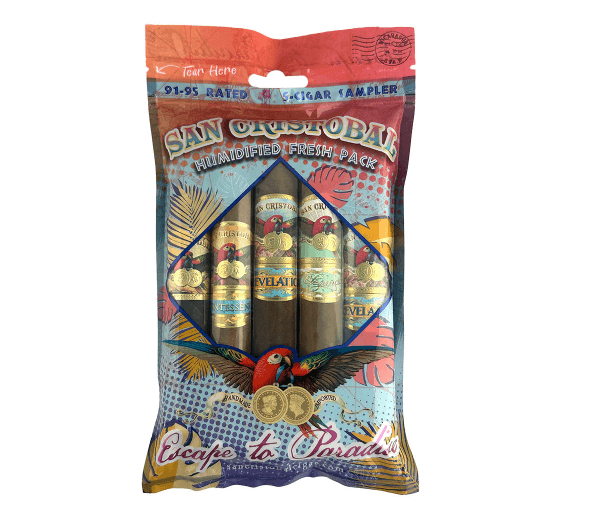
Walking into a local shop or opening a fresh shipment from a humidor can feel like a small escape from the noise of the world, where the primary focus is on the rich, earthy smells and the promise of a chilled out afternoon. You’ll notice right away that many of the most sought-after sticks aren’t just sitting there exposed; they are tucked away inside thin, clear sleeves that offer a distinct crinkle whenever they are handled. This transparent barrier often sparks a bit of a debate among those who love the hobby, with some preferring the raw look of the leaf and others swearing by the protection the sleeve provides. The truth is that this little layer of material does a lot of heavy lifting behind the scenes to make sure that by the time you're ready for a moment of bliss, the tobacco is in peak condition. It isn’t just about making the shelf look organized or keeping the dust off; it’s a calculated move by makers to ensure the journey from the rolling table to your hand doesn’t ruin the blend. Understanding the purpose of this clear wrapping helps you take better care of your collection and ensures that every light-up leads to a state of euphoria. These sleeves act as a silent partner in your storage routine, helping to manage moisture and keep the delicate wrapper from falling apart before you even get a chance to enjoy your cigar.
The Mystery of the Crinkly Material
Most people see the clear wrap and immediately think "plastic", but in the world of premium tobacco, that’s rarely the case. What you’re actually looking at is a material called cellophane, which is an organic product made from wood, cotton, or hemp fibers. This is a big deal because it means the wrapper is breathable in a way that standard plastic bags simply aren't. Because it’s made from natural cellulose, it allows a very tiny amount of air and moisture to pass through over a long period. This slow exchange is exactly what you want because it prevents the tobacco from "suffocating" while still keeping it protected from the elements. If you were to put a premium stick in a true airtight plastic bag, it would likely end up tasting stale or picking up a weird chemical scent, but cellophane lets the tobacco stay natural and vibrant.
There are a few ways you can tell you’re dealing with high-quality cellulose rather than a cheap synthetic:
-
The Sound: When you pinch or move the sleeve, it should make a sharp, crisp crinkle that sounds more like paper than a soft plastic grocery bag.
-
The Burn: While you should never smoke the sleeve, natural cellophane will char or turn to ash if it gets too hot, rather than melting into a gooey mess like plastic.
-
The Feel: It usually feels a bit more rigid and "snappy" compared to the stretchy, oily feel of most household plastics.
Using a plant-based material makes sense for an organic product like tobacco. It keeps the environmental footprint lower and ensures that no weird chemicals are seeping into the leaves while they sit in your humidor for months or years. When you realize that the sleeve is essentially made of the same stuff as the trees in the forest, it’s easier to see why it works so well with a hand-rolled product. This choice by the manufacturer shows a commitment to the craft, prioritizing the long-term integrity of the blend over the cheaper, easier route of using industrial plastics. It’s all part of the process of making sure that when you finally sit down to relax, the quality is exactly where it needs to be.
Why Consistency is King for Your Humidor
One of the biggest enemies of a good smoke is a sudden change in the environment. Tobacco leaves are like little sponges; they absorb moisture when it’s humid and dry out when the air gets parched. If these changes happen too fast, the leaves can expand and contract in a way that causes the wrapper to split or the foot to crumble. The clear sleeve acts as a "speed bump" for these changes. It doesn’t stop the humidity from reaching the tobacco, but it slows it down enough so that the transition is gradual. This is what enthusiasts call a "micro-climate," and it’s a lifesaver if you live in a place where the weather changes from a humid afternoon to a dry, air-conditioned evening.
By slowing down the exchange of moisture, the sleeve helps keep the internal oils of the leaf right where they belong. These oils are where all that rich flavor and that chilled out aroma come from. If a cigar sits in the open air for too long, those oils can start to dissipate, leaving you with a smoke that feels a bit flat or papery. Keeping the sleeve on helps lock those essential qualities inside the roll. It’s like keeping a lid on a slow cooker; you want all that goodness to stay inside until it’s time to serve. This leads to a much more consistent burn and a flavor profile that stays true to what the blender intended from start to finish.
This stability is also a huge help if you find yourself opening your humidor frequently. Every time you lift that lid, you’re letting out a big chunk of the humidity you’ve worked hard to maintain. For a naked cigar, that’s a direct hit of dry or fluctuating air. For one in a sleeve, the impact is muffled. It gives the humidor a chance to recover its levels before the tobacco even notices there was a change. This kind of protection is the reason why many collectors, even those who love the look of exposed leaves, decide to keep the majority of their stash under wraps. It just takes the guesswork out of the equation and lets you stay focused on the enjoyment of the hobby.
Protecting the Delicate Work of Art
It’s easy to forget just how fragile a hand-rolled stick actually is. The wrapper leaf—the outermost part that you see and feel—is often incredibly thin and can be damaged by something as simple as a fingernail or a rough surface. In a shop, dozens of people might pick up a stick to look at the construction or smell the foot before it finally gets bought. The clear sleeve is the first line of defense against all those hands. It prevents natural skin oils, dirt, or even small germs from getting onto the leaf. This keeps the tobacco pristine and ensures that when you finally take it home, it’s just as clean as it was when it left the factory.
Beyond just keeping things clean, the sleeve is like a suit of armor for the "foot" of the cigar. The foot is the open end where you light up, and it’s the most likely place for the tobacco to start fraying or shedding bits. If you’ve ever seen a cigar with a "cracked foot," you know how frustrating it can be to try and get a clean light and an even burn. The sleeve absorbs the bumps and knocks that happen when you’re moving things around in your humidor or carrying a few in your pocket. It’s a simple piece of insurance that saves you from the disappointment of a ruined wrapper before you’ve even had a chance to reach that state of euphoria.
There are several physical benefits to keeping that "armor" on during storage:
-
Friction Reduction: When you slide a stick out from a stack, the smooth surface of the sleeve prevents it from snagging on the neighbor's wrapper.
-
Structure Support: The sleeve adds a tiny bit of rigidity that helps the roll keep its shape, especially if it’s a particularly soft or oily blend.
-
Cap Protection: It helps keep the "head" or the cap of the cigar from getting rubbed raw against the walls of the box or your travel case.
This level of physical guardianship is especially important if you’re someone who likes to travel with your collection. Whether you’re heading to a friend's house or taking a few on a weekend trip, the "real world" is a lot rougher than a climate-controlled humidor. Those sleeves make it much easier to toss a couple of choices into a pocket or a small case without worrying about them coming out the other side looking like they’ve been through a blender. It’s all about removing the potential for accidental damage so that you can stay in that chilled out headspace when it’s finally time to light up.
The Long Game: Aging and "Celli-Yellowing"
If you’re the type of person who likes to buy a box and tuck it away for a few years, the clear sleeve becomes a fascinating part of the aging process. Over time, the natural oils and nicotine in the tobacco will slowly begin to seep out and interact with the inner lining of the sleeve. This is what causes that famous yellow or amber tint that you see on well-aged sticks. Many enthusiasts call this "celli-yellowing," and it’s one of the few visual ways you can prove a cigar has some serious age on it. It’s like the patina on a vintage watch; it doesn’t just show that time has passed, but that the item has been stored correctly and is likely ready to provide a moment of pure bliss.
Some people worry that keeping the sleeve on will "trap" the aging process and prevent it from getting better, but because the material is breathable, that’s not really a concern. It just slows things down. Slow aging is actually a good thing most of the time. It allows the flavors to mellow out and blend together in a more subtle way. Instead of the "sharp" taste of a young leaf, you get a smoother, more complex profile that leads to a much more relaxed experience. The sleeve acts like a regulator, making sure the maturation doesn't happen too quickly, which can sometimes lead to a "flat" or "cardboard" taste if you aren't careful.
Another cool thing about aging with the sleeves on is that it helps keep the flavors isolated. If you have a bunch of different blends in one humidor, they can sometimes start to "marry" or trade scents. If you want your spicy Nicaraguan blend to stay spicy and your mellow Connecticut to stay mellow, those sleeves are like individual rooms for each stick. They let the tobacco age in its own specific environment without picking up the characteristics of whatever happens to be sitting next to it. For the collector who values the specific intentions of the blender, this isolation is a major win. It keeps the profile pure and ensures that the eventual euphoria is exactly what you were expecting.
Watching the Transformation
It can be really rewarding to check on your collection every few months and see those sleeves slowly changing color. It turns a storage task into a bit of a journey. You start to recognize which batches are reaching their peak and which ones need another year or two of rest. This visual feedback is a big part of the fun for many long-term collectors. It gives you a sense of accomplishment to see those golden-brown sleeves, knowing that inside is a tobacco blend that has been carefully tended to and is now ready to deliver a truly chilled out experience. It’s all part of the "slow-down" culture that makes this hobby so rewarding in the first place.
Traveling Without the Headache
We’ve all been there: you pick out a couple of your favorites for a night out, only to find that by the time you reach your destination, the wrappers have started to flake or crack. This usually happens because of the dry air in a car or a plane, combined with the constant movement. This is where the clear sleeve really proves its worth. Since it holds onto the humidity from your humidor for a lot longer than an exposed leaf, it acts like a little portable life-support system for your smoke. It buys you time. You can have a stick in your pocket for a few hours and, as long as it’s in its sleeve, it’s probably going to stay in great shape until you're ready to light it.
When you’re at a social event, the sleeve also makes things a lot more convenient. If you’re offering a choice to a friend, they can handle a few different sticks, look at the labels, and feel the weight without you worrying about them damaging a naked leaf. It also means if they decide they aren’t ready to smoke right that second, they can put it back or take it home with them in its protective shell. It’s a much more hygienic and thoughtful way to share the hobby. Everyone stays relaxed, and the focus remains on the good conversation and the chilled out vibes rather than on how carefully someone is holding the tobacco.
There’s also the issue of hygiene in public spaces. If you’re at a lounge or a patio, there’s dust, wind, and all sorts of things flying around. Keeping the sleeve on until the very last second before you cut and light ensures that the part you’re putting in your mouth is as clean as possible. It might seem like a small thing, but it’s one of those details that adds to the overall feeling of quality and leisure. You don’t have to overthink it; you just peel back the wrap, get your light going, and settle into that state of bliss knowing everything is exactly as it should be.
The Ritual of the "Unboxing"
There is a certain psychological shift that happens the moment you hear that first crinkle of the cellophane. For a lot of people, that sound is the official start of their downtime. It’s like the pop of a cork on a bottle of something special. It signals to your brain that the work day is over, the chores are done, and it’s time to focus on a bit of euphoria. The act of sliding the cigar out of its sleeve is a ritual in itself. You get that first big hit of the aroma that’s been trapped inside, and you get to see the oily sheen of the leaf without any barrier for the first time.
This little moment of "unboxing" adds to the value of the experience. It makes the smoke feel like a treat rather than just a habit. Because the sleeve has kept the tobacco in such great condition, that first look at the naked leaf is always a high point. You can appreciate the veins, the color, and the roll, knowing that it’s been preserved just for this moment. It’s a transition from the world of storage and maintenance into the world of pure enjoyment and relaxation. This ritualistic aspect is a big reason why many people who could remove the sleeves early choose to wait until they are actually ready to light up. It’s all about building that anticipation. So, a sensory start to the evening can be:
-
The Sound: That crisp crinkle is a unique part of the hobby’s soundtrack.
-
The Scent: The concentrated aroma that escapes when you open the sleeve is often the most potent part of the experience.
-
The Sight: Seeing the pristine condition of the leaf after months in storage provides a real sense of satisfaction.
By keeping the sleeve on until the end, you’re basically saving the best for last. You’ve protected the stick from humidity swings, physical bumps, and flavor migration, and now you get the reward. It’s a very grounded, intentional way to approach the hobby. It turns a simple act into a series of small, rewarding steps that all lead toward a more chilled out state of mind. When you finally discard that little piece of cellophane, you know you’ve done everything right to ensure the best possible smoke.
Hygiene and Retail Confidence
If you’ve ever walked into a shop and seen a bin of naked cigars that everyone has been touching, you might have felt a little hesitant to pick one up. It’s just human nature to want something that feels "fresh" and untouched. The clear sleeve provides that confidence. In a retail setting, it’s the only way to ensure that a product hasn’t been contaminated by dozens of people smelling it, touching it, or accidentally dropping it. This level of hygiene is a major factor in why manufacturers continue to use them despite the extra cost and effort. It tells the customer that the brand cares about the product arriving in the best possible state.
From a shop owner's perspective, the sleeve is a total necessity for inventory. It’s where the price tags, the barcodes, and the warning labels go. If they had to put those things directly on the cigar or even on the band, it would be a mess. The sleeve allows the business side of things to happen without messing with the artistic side of the tobacco. This organization makes for a much smoother shopping experience for you, too. You can find what you’re looking for, check the price, and be on your way to a relaxed afternoon without any frustration. It’s a win-win for everyone involved in the process.
This also applies to how you manage your humidor at home. If you’re like most of us, you probably have a few sticks that you can’t quite remember when or where you bought. Many people use the clear sleeve as a place to write a small date or a note with a marker. This is a great way to keep track of your aging without ever having to worry about damaging the tobacco itself. It turns the packaging into an organizational tool that helps you curate your collection more effectively. Knowing exactly how long a stick has been resting helps you pick the perfect one when you’re in the mood for a specific level of mellowed euphoria.
The Cigar Great Debate: To Sleeve or Not to Sleeve?
Even with all these benefits, you’ll still find people who insist on stripping the sleeves the moment they get their haul home. Their argument is usually that they want the cigars to "breathe" better or that they want the Spanish cedar of the humidor to have a bigger impact on the flavor. And they aren't necessarily wrong—it really comes down to what you value most in your experience. If you have a very stable, high-end humidor that you rarely open, and you love that "marriage" of flavors where everything starts to smell a bit like everything else, then going naked might be for you. It certainly looks more traditional and "old-school" when you open the lid.
However, for the average enthusiast who has a mixed collection and travels with their smokes, the benefits of the sleeve usually outweigh the aesthetic of an exposed leaf. Most people find that the peace of mind they get from knowing their sticks are protected is more relaxing than the look of a naked humidor. It allows you to be a bit more "hands-off" with your maintenance. You don't have to worry quite as much about a small humidity spike or a bump in the night ruining your favorite blend. It’s a more "set it and forget it" style of collecting that fits perfectly into a busy lifestyle while still delivering that chilled out result we all want. Approaching a middle ground can be either:
-
The Rotation: Some people leave the sleeves on for the first year and then remove them once the tobacco has reached a certain level of stability.
-
The Half-Cut: A common trick is to snip the end of the sleeve off so that air moves a bit more freely while the body of the cigar stays protected.
-
The Showcase: You might keep most of your stash in sleeves but have one "ready to smoke" tray where everything is naked and easy to grab.
Finding your own balance is part of the fun. There’s no "tobacco police" coming to tell you you're doing it wrong. As long as you’re enjoying the process and finding that state of bliss at the end of the day, that’s all that matters. But for those who are just starting out or who want the most reliable results, keeping those sleeves on is almost always the safest bet. It protects your investment and ensures that the quality stays high, no matter what life throws at your humidor.
Common Sense for Storage and Handling
If you do decide to keep the sleeves on, there are a few simple things you can do to make sure you’re getting the best results. First, make sure you aren’t packing things so tightly that the air can’t circulate at all. Even though the sleeves are breathable, they still need a little bit of airflow around them to work properly. If you have a huge stack of cigars, try to rotate them every few months, moving the bottom ones to the top. This ensures that the humidity in your box is reaching everything evenly and that no single stick is getting "stuck" in a dry or damp corner.
You should also keep an eye on the condition of the sleeves themselves. If you see one that’s looking a bit torn or ragged, it’s probably a good idea to replace it or just smoke that one next. A damaged sleeve can have sharp edges that might actually scratch the wrapper of the cigar next to it, which defeats the whole purpose of having protection in the first place. Also, if you’re using a marker to label your sleeves, make sure the ink is completely dry before you put the cigar back into the humidor. You don't want any chemical smells from a fresh marker getting trapped in the box and affecting your other blends.
Finally, remember that the sleeve isn't a substitute for a good humidification system. It’s an assistant, not the boss. You still need to keep your water levels right and your temperature stable. The sleeve just gives you a wider safety net. It makes the whole hobby feel a bit more manageable and a lot less like a science project. When you have that foundation of good storage practices, you can really lean into the leisure side of the experience. You can trust that when you reach for a stick, it’s going to be in great shape, allowing you to settle into a state of euphoria without any unnecessary "anxious" checking of the leaves.
Strategic Rotation and Airflow Management
Even with the protection of a high-quality sleeve, the way you physically arrange your collection plays a major role in how well those sticks will age over the next several years. In a high-density humidor where cigars are stacked multiple layers deep, the sleeves can occasionally restrict the natural movement of air between the bottom and top rows. To maintain a truly chilled out environment, it is a great habit to rotate your inventory every few months, moving the bottom-dwellers to the top and vice versa. This practice ensures that no single item is left in a stagnant pocket where humidity might settle or dip, allowing the semi-permeable cellophane to do its job with maximum efficiency. By taking an active role in the physical layout of your humidor, you are ensuring that the entire collection matures at a uniform pace. This extra bit of care prevents any surprises when you finally reach for a prized blend, guaranteeing that the construction and the moisture levels are exactly where they need to be for a moment of pure bliss.
The Compelling Case for the Protective Layer
Choosing to respect the role of the transparent sleeve is a direct investment in the quality of your future leisure time, ensuring that every handcrafted roll maintains its intended spirit. While the bare leaf possesses a certain rustic allure, the practical advantages of a controlled micro-climate and physical guardianship are simply too significant to ignore for any serious collector. This protective shroud isn't a barrier to your experience, but rather a bridge that preserves the delicate oils and moisture levels required for a truly rewarding encounter with the tobacco. It allows the complex chemistry of aging to happen at a pace that favors depth and smoothness, rewarding your patience with a flavor profile that is both clean and incredibly nuanced. By keeping these shields in place, you are essentially guaranteeing that the craftsmanship of the blender remains undisturbed by the unpredictable nature of the outside world. This commitment to preservation is what transforms a simple hobby into a curated pursuit of bliss, where the integrity of the product is never left to chance. Ultimately, that thin, crinkly layer serves as a promise of excellence, standing watch over the leaves so that when you finally break the seal, the resulting euphoria is absolute. Embracing this small but vital piece of technology is the hallmark of an enthusiast who truly values the art of the slow-down and the purity of the smoke.
Final Thoughts on a Cultural Shift Toward Better Cigar Preservation
It’s interesting to look back at how packaging has changed over the years. Long ago, things were mostly shipped in large wooden chests with almost no individual protection. You’d end up with a lot of broken wrappers and wasted tobacco. The move to individual wrapping was a huge leap forward for the industry, and it’s one of the reasons we can now enjoy blends from all over the world in nearly perfect condition. It’s a sign of progress. It shows that manufacturers have listened to enthusiasts and developed ways to make sure the quality stays high from the moment the leaf is picked until the moment it's turned into ash.
This shift has also made the hobby more accessible. You don't need a thousand-dollar setup to keep a few cigars in good shape for a month or two. As long as they are in their sleeves and you have a basic way to keep them humidified, you're good to go. This has opened up the world of premium tobacco to a lot of people who might have been intimidated by the maintenance before. It’s all about making it easier for everyone to find that moment of bliss at the end of a long day. The clear sleeve is a small, simple piece of technology that has made a huge difference in the way we enjoy our leisure time.
As we move forward, we’ll probably see even more improvements in these materials—maybe even more "smart" packaging that helps us track aging more accurately. But for now, the classic cellophane sleeve remains the gold standard. It’s reliable, it’s organic, and it works. It’s a classic example of "if it isn't broken, don't fix it". By sticking with what works, the industry ensures that we can continue to enjoy our hand-rolled treasures with the same level of quality and consistency that we’ve come to expect.
Share:
What is the Actual Difference Between Kentucky Pipe Tobacco and Kentucky Cigar Tobacco?
What is Tennessee Pipe Tobacco?