
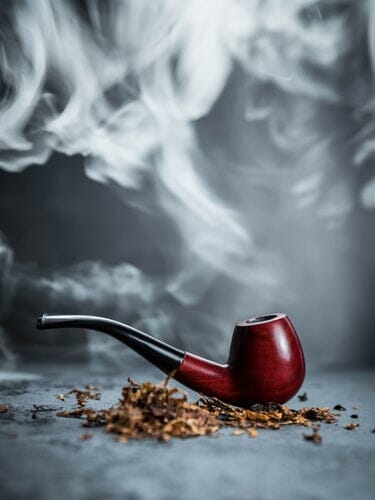
The strike of a match and the subsequent rising curl of blue-grey smoke from your tobacco pipe represents more than just a habit; it is a deliberate pause button pressed firmly against the frantic, rushing current of the modern world. This ritual is an act of reclamation, where the smoker steps out of the digital noise and into a quiet sphere of contemplation, governed not by ticking clocks but by the slow, rhythmic consumption of a natural leaf. However, the length of this respite is not arbitrary, nor is it entirely up to the whims of the tobacco blend itself, but rather it is a variable that rests firmly in the hands of the person holding the briar. Whether one seeks a brief, twenty-minute interlude during a brisk autumn walk or a profound, two-hour meditation by the fireside, the duration of the pipe smoke is a craftable element.
The Architecture of the Vessel: Anatomy and Appeal
Before one can hope to manipulate the duration of a smoke, one must possess a foundational understanding of the instrument that makes the experience possible. A tobacco pipe is deceptively simple in its aesthetic function yet complex in its engineering and historical evolution. At its most basic level, a pipe is a handheld furnace designed to facilitate controlled combustion while simultaneously cooling the resulting smoke before it reaches the palate. This device typically consists of two primary assemblies: the stummel and the stem. The stummel comprises the bowl, the chamber where the tobacco is burned, and the shank, which extends from the bowl and houses the draft hole and mortise. The stem, usually fashioned from vulcanite, acrylic, or amber, fits into the shank via a tenon, providing the channel through which the smoke is drawn.
The construction of these vessels is an art form that balances visual beauty with rigorous thermal dynamics. The vast majority of quality pipes are crafted from briar, the root burl of the Erica arborea (White Heath) tree found in the rocky soils of the Mediterranean. Briar is the gold standard for pipe making because of its extraordinary heat resistance, its ability to absorb moisture released during combustion, and its durability. It is a wood that effectively breathes, allowing the heat of the burning tobacco to dissipate through the walls of the bowl, which is a critical factor in how long and how cool a pipe will smoke. The harvesting of this burl is a labor-intensive process, often requiring the wood to be boiled to remove sap and aged for years to ensure stability, making the pipe not just a tool, but a piece of natural history held in the hand.
However, briar is not the only medium used to construct these time machines. Meerschaum, a soft white mineral mined primarily in the plains of Turkey, is prized for its neutral flavor profile and its refusal to burn, allowing for a pure tobacco taste and the ability to smoke multiple bowls in succession without resting the pipe. Corn cob pipes, an American staple rooted in agricultural history, offer a unique, open draw and a sweet, forgiving smoke, often recommended for their low cost and surprisingly effective engineering which absorbs moisture rapidly. Clay pipes, brittle and hot to the touch, offer perhaps the cleanest flavor transmission but require a delicate hand. Each material interacts with heat differently; meerschaum disperses it rapidly, while cobs insulate, and dense briar retains it, creating a thermal flywheel effect.
The variety of shapes and designs available is not merely cosmetic; it is functional geometry that directly impacts the smoking mechanics and the duration of the session. A "Billiard", with its straight shank and upright cylindrical bowl, offers a direct, predictable airflow and a standard burn time. A "Bent Bulldog," distinguished by its diamond shank and forward center of gravity, hangs easily in the jaw but can collect moisture at the bend, potentially altering the draw and the burn rate. "Churchwardens," with their exceptionally long, arcing stems, cool the smoke significantly by forcing it to travel a greater distance, often encouraging a slower, more relaxed sipping cadence. The choice of shape often dictates the "chamber geometry"—the width and depth of the bowl's interior—which is the primary physical constraint on how much fuel can be loaded and how that fuel will burn.
Why is the pipe the "go-to" for so many enthusiasts seeking relaxation? The appeal lies in the absolute sovereignty the smoker holds over the experience and the tactile nature of the ritual. It is a pursuit of infinite variety, where the combination of blend, bowl shape, and packing technique creates a unique signature for every session. The pipe is not merely a tool but a companion that improves with age, developing a seasoning and a patina that records the history of every bowl smoked. There is a profound satisfaction in the maintenance of the object—the cleaning, the polishing, the building of the cake—that fosters a sense of stewardship. It is this marriage of beautiful, functional craftsmanship and the ability to customize every aspect of the sensory experience that secures the pipe's place as the ultimate instrument for leisure and reflection.
The Physics of the Ember and Thermal Dynamics
To adjust your burn time with intention, you must visualize the pipe bowl as a controlled ecosystem where a microscopic battle is taking place. The fire inside is living on a diet of three specific inputs: fuel (the tobacco), oxygen (the airflow), and heat (retention). Adjusting the time of your smoke is simply a matter of manipulating these three variables to speed up or slow down the consumption of the leaf. If you increase the oxygen supply by drawing harder or packing loosely, the fire burns hotter and faster, consuming the fuel rapidly. If you restrict the oxygen, the fire cools and slows down.
However, there is a floor to this deceleration, a critical threshold that defines the art of the slow smoke. If the oxygen drops below a certain point, the fire dies, and the smoke ends prematurely, requiring a relight. The goal of extending the "burn time" is to hover just above this stalling point, keeping the ember in a state of smoldering rather than raging. This state of smoldering is where the flavor is most profound and complex. When tobacco burns too hot, the delicate volatile oils that provide the nuances of flavor—the sweetness of Virginia, the spice of Perique, the smokiness of Latakia—are incinerated before they can be tasted. By slowing the burn to extend the time, you are invariably unlocking the truest flavor profile of the blend, making the adjustment of time a pursuit of quality as much as duration.
Fuel Density: The Impact of Tobacco Cuts
The single most significant variable in determining the duration of a smoke is the physical form of the tobacco leaf itself. Blenders cut tobacco into specific shapes not just for visual texture or ease of handling, but to control the burn rate and the temperature of the smoke. Understanding these cuts allows you to select a blend that fits your available time, or to manually alter a blend to suit your specific needs for the day.
The Ribbon Cut
This is the most common preparation found in tins and bulk jars, consisting of long, thin shreds of leaf. It is easy to pack and easy to light, making it the standard by which other cuts are measured. Because the strands are relatively loose and irregular, they create a matrix of air pockets within the bowl. This promotes excellent airflow and a consistent, moderate burn. A standard bowl of ribbon cut will usually provide a "baseline" duration—perhaps 45 minutes to an hour for an average-sized pipe. It is the middle ground of burn times, offering reliability and ease of use.
The Shag Cut
Finer than ribbon, shag looks almost like hair or fine thread. It is used frequently in historical blends and certain potent mixtures. Because the strands are so fine, they have a massive surface area relative to their volume. This makes them ignite almost instantly and burn very quickly. A bowl of shag cut might only last 30 minutes where a ribbon would last 45. It is the perfect choice for a quick smoke break, but it requires a very gentle cadence to prevent it from burning hot and harsh. The speed of the burn here is dictated by the sheer availability of the fuel to the flame.
Flakes, Plugs, and Ropes
These are the marathon runners of the tobacco world. In these preparations, the tobacco leaves have been subjected to immense pressure, pressing them into dense cakes, solid bricks, or twisted ropes. This process pushes the air out of the cellular structure of the leaf and marries the natural oils together. Because the tobacco is so dense, it resists fire. It takes much more heat energy to combust a solid flake than a loose ribbon. A bowl packed with folded flake tobacco can easily last two hours or more. The fire must work to peel back the compressed layers, resulting in a microscopic, slow-moving ember that travels down the bowl at a glacial pace.
If you possess a flake tobacco but only have an hour to smoke, you can "rub it out"—breaking the flake apart in your palms until it resembles a ribbon cut. By doing this, you are manually increasing the surface area and introducing air, thereby converting a long-burning tobacco into a medium-burning one. Conversely, if you want to extend your smoke to its absolute maximum, leave the flake intact. Use the "fold and stuff" method, where you simply fold the flake and insert it into the bowl. This preserves the density and ensures a long, cool, slow burn that evolves gradually over the course of the session.
The Moisture Content Factor
Water is the natural adversary of fire, and in pipe smoking, moisture content acts as a primary regulator for the burn rate. Tobacco is hygroscopic, meaning it absorbs moisture from the surrounding environment. The moisture level of your tobacco when you pack it will dictate how much energy the fire needs to expend to sustain itself, and thus how long the fuel will last.
When tobacco is moist, the heat of the ember must first turn that moisture into steam before the leaf can actually combust. This phase change consumes thermal energy, slowing the progression of the fire significantly. Therefore, a tobacco that is slightly moister will burn significantly slower than dry tobacco. However, there is a trade-off to be managed. If the tobacco is too wet, it will be difficult to keep lit, requiring constant application of the lighter, which can scorch the flavor and damage the rim of the pipe. It can also lead to "gurgle," where condensation collects in the bottom of the bowl and stem, creating an unpleasant sound and a bitter taste.
On the other hand, tobacco that is "crispy" or bone-dry will burn like kindling. Without moisture to act as a brake, the fire will race through the bowl. If you are in a rush and need a short smoke, letting your tobacco dry on a paper towel for twenty minutes before packing can significantly shorten your smoking time. For a longer, more relaxing session, aim for a moisture level that feels like a raisin—pliable and soft, but not sticky. This "Goldilocks" zone provides enough moisture to slow the burn and keep the smoke cool, but not so much that it hinders combustion or requires constant maintenance.
The Mechanics of Packing: Constructing Resistance
The way you arrange the tobacco inside the chamber—the "pack"—constructs the airflow resistance, which is the throttle of the pipe. Think of this like the carburetor on an engine. If you pack the tobacco very loosely, air rushes through with little resistance. This abundance of oxygen acts like a bellows, stoking the fire and causing a rapid, hot burn. If you pack the tobacco tightly, the air must struggle to pass through, restricting oxygen and slowing the burn.
The Three-Layer Method
This traditional technique involves filling the bowl in three distinct stages, increasing the pressure with each layer. The first pinch is dropped in loosely and pressed with the strength of a child. The second is pressed with the strength of a woman. The third is pressed with the strength of a man. This creates a density gradient that increases toward the top. As the bowl burns down, the tobacco naturally loosens, so having a tighter pack at the top helps regulate the initial burn and establishes a steady rhythm early on.
The Air Pocket (Frank) Method
For those seeking a very long smoke, the Air Pocket method is often superior. In this technique, you drop tobacco loosely into the bowl without pressing it down at all, filling it to the top. Then, you take a large plug of tobacco and firmly wedge it into the top of the bowl, pushing it down to create a dense cap. This creates a very tight seal at the top while leaving the bottom loose. The dense cap burns very slowly, acting as a restrictor plate for the airflow. Once the cap is consumed, the loose tobacco underneath burns easily, but that initial phase can add twenty or thirty minutes to a session and creates a very cool, flavor-rich start.
Adjusting Density for Time
If you know you have a long evening ahead and want to maximize the time without reloading, pack your pipe slightly tighter than you normally would. However, you must test the draw before lighting. It should feel like sucking water through a straw. If it feels like an empty straw, it is too loose and will burn fast. If it feels like a thick milkshake, it is too tight and will be a chore to keep lit. Aiming for that specific "water resistance" suggests that the air will move slowly, and thus, the fire will move slowly.
The Ignition Ritual: Setting the Stage
The journey of the burn is determined by how it begins. A rushed light leads to an uneven burn, tunneling, and a waste of tobacco. To maximize your burn time, you must maximize the efficiency of your combustion, which means establishing a "surface burn" rather than a "tunnel burn."
This is achieved through the "Charring Light." When you first apply flame, the tobacco will expand and rise up out of the bowl due to the sudden heat. Do not try to keep smoking this. Stop, let the pipe go out, and use your tamper to gently flatten the expanded tobacco back down to a smooth, even surface. This creates a charred "lid" of carbonized tobacco.
Now, apply the "True Light." Because you have created a flat, carbonized surface, the fire will take easily and spread across the entire diameter of the bowl. This is crucial for a long smoke. You want the fire to consume the tobacco layer by horizontal layer, moving down the bowl like a piston. If you skip the charring light, the fire often drills a small hole straight down the center, leaving unburnt tobacco on the sides and finishing the smoke prematurely. A proper lighting ritual sets the stage for a slow, consistent ember that utilizes every scrap of fuel efficiently.
The Breath Method and Cadence
Once the pipe is lit, the smoker’s breath becomes the metronome of the experience. The most effective way to extend burn time is to master the "Breath Method," a technique that moves away from active puffing and relies on passive respiration.
The Breath Method relies on the natural vacuum of your respiration. With the pipe bit held gently in your teeth, you breathe comfortably through your nose. You do not actively suck on the pipe with your cheeks. Instead, as you inhale through your nose, a tiny vacuum is naturally created in the throat and mouth, which gently pulls a wisp of smoke from the bowl into the stem. As you exhale through your nose, a slight pressure pushes some of that smoke back down the stem. This oscillation—this gentle push and pull—feeds the ember the absolute minimum amount of oxygen required to stay alive.
Every third or fourth breath, you create a slightly stronger seal with your tongue and "sip" the smoke into your mouth to taste it. This technique keeps the combustion temperature incredibly low. The pipe will remain cool to the touch, the smoke will be flavorful and sweet, and the burn rate will be glacial. A bowl that would last 45 minutes with active puffing can last 90 minutes using the Breath Method. It aligns the smoking cadence with your natural breathing rhythm, making the act effortless and meditative.
The Tamper as a Throttle
The tamper is often misunderstood as a device to mash tobacco down to fit more in the bowl. In reality, it is a tool for managing airflow and proximity. As the tobacco burns, it turns to ash. This ash layer sits on top of the unburnt tobacco. If the ash becomes too loose or fluffy, it allows too much air to reach the ember, accelerating the burn.
By using the tamper to gently compress the ash, you are achieving two goals. First, you are bringing the lit ember back into contact with the unburnt fuel below, ensuring the fire continues. Second, you are creating a slightly denser "filter" of ash that the air must pass through. This restricts the airflow slightly, slowing the burn.
Think of tamping as stepping on the brake. If you feel the pipe getting hot or burning too fast, a very gentle tamp can restrict the oxygen and calm the fire. However, a heavy hand will crush the airflow entirely and extinguish the pipe. The weight of the tamper alone is usually sufficient pressure. Regular, light tamping helps maintain a consistent, slow burn throughout the bowl, preventing the "runaway train" effect where the fire gets hotter and faster as it progresses down the chamber.
Managing the Environment
Your physical surroundings play a drastic role in burn time, often more than you might expect. Wind is the accelerator of fire. If you are smoking outdoors, even a light breeze blowing over the top of the bowl acts like a chimney starter. The moving air creates a low-pressure zone that sucks air up through the draft hole, stoking the ember continuously and uncontrollably.
A pipe smoked on a windy beach might last half as long as the same pipe smoked in a quiet study. If you are outdoors and wish to extend your burn time, a "wind cap" is essential. This is a simple metal cover that clips over the rim of the bowl. It disrupts the airflow, preventing the wind from fanning the flames, and returns control of the draw to the smoker.
Altitude also changes the equation. At higher altitudes, the oxygen density is lower. This makes it harder to keep a pipe lit, often forcing the smoker to puff more frequently or pack more loosely to maintain combustion. This increased cadence can sometimes lead to a hotter smoke as the smoker fights for oxygen. Being aware of these environmental factors allows you to adjust your packing and your pace to compensate. If you are high in the mountains, pack looser. If it is windy, pack tighter.
The Psychology of the Slow Smoke
Adjusting burn time is a mental discipline as much as a physical one. We tend to smoke at the speed of our thoughts. If we are anxious, hurried, or multi-tasking, our breathing becomes shallow and rapid, and our smoking cadence follows suit. We puff aggressively without realizing it, burning through the bowl in record time.
To truly extend the life of a bowl, one must consciously shift gears. This is why pipe smoking is often paired with sedentary, passive activities like reading, listening to music, or simply sitting on a porch. These activities lower the heart rate and encourage a relaxed breathing pattern. If you want a two-hour smoke, you cannot be pacing around the room or typing furiously at a keyboard. You must settle the body.
If you find yourself smoking too fast, try the "Cheek Test." Hold the bowl of the pipe against your cheek. It should be warm, perhaps comforting on a cold day, but never hot. If you cannot hold it there comfortably for five seconds, you are burning too hot and too fast. Set the pipe down. Let it rest. There is no rule that says a pipe must be smoked continuously. Letting the pipe cool for ten minutes and then relighting it is a perfectly valid way to extend the session and save the flavor.
The "DGT" Method (Delayed Gratification Technique)
For those who want to stretch a single bowl over an entire day, the Delayed Gratification Technique (DGT) is a powerful tool to have in your arsenal. This involves lighting a pipe, smoking the first third of the bowl, and then deliberately letting it go out. You then set the pipe aside for several hours.
During this rest period, the moisture in the remaining tobacco redistributes, and the unburnt tobacco absorbs some of the smoky aromas from the initial burn. When you return to the pipe hours later and relight it, the flavor is often richer, deeper, and more complex, particularly with Virginia-based blends. This method effectively creates two distinct smoking sessions from a single bowl, doubling the "event" duration. It is a fantastic way to adjust burn time to fit a schedule that doesn't allow for a continuous hour-long block of time but still allows for a premium experience.
Pipe Maintenance and Its Role in Time
The condition of the pipe's interior significantly impacts how it burns. Over time, a carbon layer called "cake" builds up on the walls of the bowl. A thin layer of cake is desirable as it protects the wood and insulates the ember. However, if the cake becomes too thick, it reduces the diameter of the chamber. A bowl that used to hold 3 grams of tobacco might now only hold 2 grams. This obviously reduces the burn time simply because there is less fuel. Regular reaming—scraping back the excess carbon to a thickness of a dime—restores the bowl's capacity and your smoking time.
Furthermore, a clean draft hole is essential for a slow smoke. If the shank is clogged with tar, oils, and particulate matter, the airflow is restricted in a turbulent, uneven way. The smoker is forced to suck harder to get smoke, which creates a vacuum spike that can cause the ember to flair up hotly. A clean pipe draws smoothly, allowing for the gentle sipping action that promotes longevity. Maintenance is not just about hygiene; it is about performance tuning.
Troubleshooting the "Wet Heel"
One of the biggest disruptors of a long, relaxing smoke is the accumulation of moisture at the bottom of the bowl, often called the "heel." As tobacco burns, it releases water vapor. This vapor cools as it passes through the unburnt tobacco below, condensing into liquid. By the time the ember reaches the bottom, the remaining tobacco can be a soggy mess that refuses to burn.
Trying to smoke this wet dottle is often futile and frustrating. It requires immense heat to burn, which ruins the flavor and can damage the pipe. If your goal is a quality experience, knowing when to quit is part of the time adjustment. Do not force the last five minutes if the flavor has turned sour. However, to prevent this and maximize the burnable tobacco, some smokers place a "pipe stone" (made of ceramic or clay) or a few grains of dry rice at the very bottom of the bowl before packing. These act as moisture absorbers, keeping the bottom layer of tobacco drier and allowing you to smoke further down the bowl, effectively adding time to the end of the session.
The Role of Bowl Diameter vs. Depth
When selecting a pipe for a specific timeframe, the relationship between bowl diameter and depth is a nuanced physics lesson. A wide bowl (like a Pot or Prince shape) has a large surface area at the top. This means the ember can spread wide, consuming more tobacco at once. Generally, wide bowls burn faster and offer a more robust "hit" of flavor and intensity.
A narrow, deep bowl (like a Chimney, a Stack, or a tall Billiard) presents a small surface area to the air. The ember stays small and travels a long vertical distance. These pipes are the kings of the slow smoke. The layers of tobacco insulate each other, and the narrow column restricts the fire's ability to spread laterally. If you are looking to buy a pipe specifically for long, slow evening smokes, look for a chamber that is deeper than it is wide. The geometry alone will do half the work of slowing the burn for you.
Casings and Top Dressings
The chemical treatment of the tobacco also influences the clock. Aromatic tobaccos are often treated with casings (sugars, flavorings like vanilla or cherry) and top dressings (propylene glycol) to maintain moisture and add scent. These additives can make the tobacco harder to burn, technically extending the smoke time, but often at the cost of requiring more relights and potential tongue bite.
Conversely, "natural" blends like English mixtures or pure Virginias lack these fire-retardant humectants. They tend to burn cleaner and more readily. A heavily cased aromatic might last longer simply because it refuses to burn, but a pure Virginia flake lasts longer because of its leaf density. Understanding the difference helps you choose the right "slow." Do you want the slow burn of a dense leaf, or the slow burn of a moist, treated leaf? The former usually offers a superior flavor evolution and a drier smoke, while the latter offers a consistent (if sometimes hot) room note.
The Art of the Relight
There is a strange stigma among new smokers that relighting the pipe is a sign of failure or poor technique. This is patently false. In the pursuit of the "slow smoke," relights are often necessary and even beneficial. If you are smoking so slowly that the pipe goes out, you are essentially doing it right. You are hovering at the very edge of combustion, which is where the flavor is sweetest.
When the pipe goes out, do not immediately torch it. Tamp the ash gently until it is flat. Then, give it a quick "false light" to wake it up, followed by a true light. The flavor immediately following a relight is often a burst of the blend’s core profile. Embracing the relight allows you to stop worrying about the fire dying, which in turn allows you to relax your cadence even further. The freedom to let the pipe go out is the ultimate key to extending the session without anxiety.
Different Smokes for Different Times
Ultimately, adjusting your burn time is about curation. It is about having a "wardrobe" of pipes and tobaccos that fit the different temporal spaces of your life. It is useful to categorize your collection based on time:
-
The 15-Minute Break: A small Corn Cob or a "nose warmer" briar (short shank). A shag cut or a dry ribbon cut Burley blend. Pack it loosely. This setup is designed for efficiency.
-
The 45-Minute Commute: A medium-sized Billiard or Apple shape. A standard ribbon cut English or Aromatic blend. Pack with the three-layer method. This is the daily driver setup.
-
The 2-Hour Evening: A large, deep-bowled Oom Paul or Giant. A dense Virginia Flake or Navy Roll. Use the Fold and Stuff method or the Air Pocket pack. This is the contemplative setup.
By matching the hardware and the software (tobacco) to the time slot, you ensure that you are never rushing a big bowl or finishing a small bowl too soon. It turns the smoke into a tailored experience rather than a generic one.
The Final Variable of Course is…. You
No matter the pipe, the tobacco, or the weather, the final variable is the smoker. Two people can smoke the exact same pipe with the exact same tobacco, and one will finish in 30 minutes while the other takes 90. This difference is "breath control." It is a learned muscle memory that takes time to develop.
New smokers tend to be "wet smokers," producing a lot of saliva and puffing quickly out of excitement or nervousness. Experienced smokers are "dry smokers," sipping slowly and keeping the pipe dry. As you progress in the hobby, your natural burn time will extend. You will find yourself needing fewer relights, using fewer pipe cleaners, and getting more flavor out of less tobacco. This evolution is natural. Do not force a two-hour smoke on your first day. Listen to the pipe. If it gets hot, slow down. If it goes out, relight. The pipe will teach you the rhythm if you pay attention to the feedback it gives you through heat and taste.
Share:
An Interesting Cigar Question: What Defines "Limited Edition" Cigars?
An Interesting Pipe Smoking Question: What Defines "Limited Edition" Pipe Tobacco?