
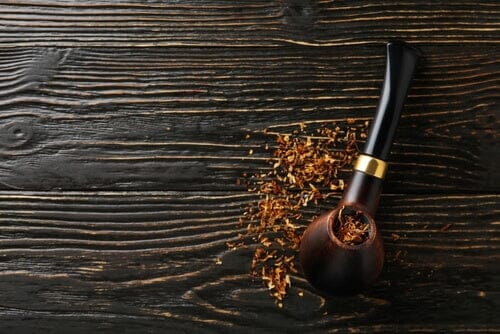
Examining a handful of pipe tobacco often reveals a complex spectrum of shades that refuse to stay static as the months or even the hours pass by. Whether you’re staring at a long-forgotten cellar find or watching the leaves transition inside a burning bowl, the pigment is a constant indicator of the blend’s current health. This visual evolution serves as a silent language, signaling everything from the successful development of natural sugars to a technical failure in your hardware. Assuming that a leaf will retain its original hue forever ignores the natural processes that define the life of any high-quality mixture. Identifying why these colors drift from golden tans to oily bronzes is the only way to truly manage the integrity of your collection. Paying close attention to these pigments turns a simple glance into a vital diagnostic tool for every session you light up.
Everything You Need to Know About Pipe Tobacco First
The world of pipe tobacco begins with the careful cultivation of various Nicotiana tabacum strains, each possessing a unique chemical signature based on the soil and climate in which it grew. Once the leaves are harvested, they undergo complex curing processes—such as air-curing, flue-curing, or fire-curing—that set the initial foundation for their color and sugar content. A bright Virginia leaf, for instance, is often flue-cured to lock in its pale gold hue and high natural sweetness, while a dark Burley is air-cured to produce a chocolate-brown appearance with a more alkaline profile. These raw components are then processed into diverse cuts, ranging from thin ribbons and chunky plugs to pressed flakes and twisted ropes. The variety of these preparations influences how the leaf interacts with oxygen and moisture over time, which are the primary drivers of visual evolution. Master blenders often combine these disparate components to create a harmonious sensory experience that balances strength, aroma, and burn rate. This initial state of the leaf is the starting point for every visual change that occurs during storage or consumption.
Within these diverse blends, the categorization often falls into families such as Aromatics, English mixtures, or straight Virginias, each having its own baseline for acceptable coloration. Aromatics are frequently treated with "casings" or "toppings" made of sugars, alcohols, and flavor extracts that can give the leaf a glossy, dark appearance from the very start. English blends, on the other hand, rely on the presence of Latakia—a leaf that has been smoked over hardwoods—to provide a jet-black contrast against lighter Oriental and Virginia leaves. The strength and body of these mixtures can vary wildly, with some offering a gentle, room-friendly aroma and others providing a potent nicotine punch. A smoker must recognize that a blend containing dark-fired Kentucky will naturally look more ominous than a light-bodied Cavendish mixture. The diversity of these ingredients means that "normal" coloration is a moving target depending on the specific recipe inside the tin. Because these leaves are packed with natural oils and nitrogenous compounds, they are constantly undergoing internal shifts even before the seal is broken.
The packaging and preservation methods used for these blends are just as critical as the leaves themselves when it comes to maintaining visual integrity. Tobacco can be found in vacuum-sealed tins, cardboard canisters, or bulk bags, each providing a disparate level of protection against the elements. A vacuum-sealed tin is designed to halt most aerobic activity, allowing the tobacco to age slowly through anaerobic fermentation, which often results in a gradual darkening of the leaf. Conversely, bulk tobacco stored in plastic bags is exposed to significantly more oxygen, which can cause the moisture to evaporate and the colors to fade or dull over time. The way a blender chooses to package their product is a deliberate decision that affects the shelf life and the eventual maturation of the contents. Secure storage is the only way to facilitate a controlled environment where the leaf can develop without being ruined by external fluctuations. Without a proper seal, the delicate balance of the blend is lost to the surrounding air.
Strength & body in pipe tobacco are often perceived through the lens of color, though this can sometimes be a misleading metric for the uninitiated. While it’s true that darker leaves like Latakia or Perique often signal a more intense flavor profile, some light-colored Virginias can be surprisingly potent in their nicotine delivery. The body of a smoke refers to the weight or "thickness" of the sensation on the palate, which is frequently influenced by how the sugars in the leaf have fermented. As a blend ages and changes color, the body often becomes fuller, and the edges of the flavor profile tend to mellow out. This maturation is highly sought after by collectors who believe that the visual darkening of the leaf correlates with a superior, smoother smoking experience. However, a darker color does not always mean more strength; it often simply means the leaf has undergone more oxidation or thermal processing. Grasping this distinction helps a smoker navigate the vast marketplace of blends with more confidence and precision.
Finally, the concept of "bloom" or "plume" is a specialized visual phenomenon that many enthusiasts hope to find when they open an aged container. This appears as tiny, crystalline structures on the surface of the leaf, often looking like a light dusting of frost or white powder. These crystals are actually the result of sugars and oils migrating to the surface of the tobacco and crystallizing as the moisture levels fluctuate over years of storage. It’s a sign of a perfectly aged product and is often accompanied by a significant darkening of the underlying leaf material. Beginners frequently mistake this for mold, but bloom is odorless and sparkles under direct light, whereas mold is fuzzy, dull, and usually smells of decay. Recognizing bloom is a hallmark of a seasoned enthusiast who knows how to appreciate the long-term chemical evolution of their collection. This crystalline growth is the zenith of the tobacco’s visual transition, signaling that the blend has reached its peak maturity.
The Question on Many Pipe Smokers’ Minds: Can Pipe Tobacco Change Color?
The short answer is a definitive “yes”, though the reasons behind the shift are as varied as the blends themselves. Tobacco isn’t a static product; it’s a complex organic material that remains susceptible to environmental influences long after it has been processed. No matter where it really is essentially, the pigment of the leaf is constantly being influenced by chemistry.
Types of Colors Pipe Tobacco Could Change From
The color palette of tobacco is surprisingly broad, and knowing where a leaf starts is the only way to track how far it has traveled. These shifts are usually indicative of either a healthy maturation process or a failure in storage conditions:
-
Golden Yellow to Deep Amber: This is the most common transition for bright Virginias as the natural sugars begin to caramelize and ferment.
-
Medium Brown to Dark Chocolate: Often seen in Burley or Maryland-based blends as the nitrogenous compounds oxidize over time.
-
Reddish-Orange to Muted Bronze: A frequent shift for red Virginia leaves as they lose their vibrant "fire" and take on a more weathered appearance.
-
Jet Black to Ashy Grey: While black tobacco usually stays dark, a loss of moisture or the presence of surface crystals can make it look dusty or muted.
-
Bright Green to Dull Brown: In rare cases where "green" tobacco is present, the chlorophyll eventually breaks down entirely, leading to a drab tan.
-
Uniform Brown to Mottled Multi-Color: As disparate leaves in a mixture age at disparate rates, a once-uniform blend can take on a speckled, high-contrast look.
The Possibility of Pipe Tobacco Changing Color While Still Being in Its Packaging
The specific container chosen by a manufacturer serves as the primary line of defense for the pigment of the leaf inside, acting as a physical shield against the outside world. Factory-sealed metal tins and pre-packaged glass jars represent the gold standard for maintaining a rich, dark patina because they successfully lock out aerobic activity for decades at a time. Airtight pouches and vacuum-sealed bags offer a similar level of protection in the short term, though they often lack the rigid, structural integrity to prevent the physical crushing of the delicate tobacco flakes. Bulk bags and bulk pouches often permit a tiny amount of moisture exchange through the plastic over several years, which can lead to a more muted, tan appearance compared to the deep mahoganies found in cans. Cardboard or paper packaging is the most porous of all the available options, often resulting in a rapid fading of the leaf's vibrant colors if it is not moved into a secondary vessel immediately after purchase. Verifying the integrity of these factory seals is the only way to facilitate a controlled visual transition rather than a destructive one that ruins the blend.
The moment you break the factory seal on any of these vessels—whether it is a pop-top tin, a pre-packaged jar, or a bulk bag—the internal chemistry begins a rapid and irreversible shift. Introducing fresh oxygen causes the natural polyphenols in the leaf to react with the atmosphere, which can lead to a sudden darkening that mimics the way a sliced apple browns when left on a kitchen counter. In a glass jar or a metal can, this shift is easily observed as the bright gold Virginias take on a more copper-like hue over the following weeks of exposure. Pouches and cardboard containers suffer more dramatically when opened, as the lack of a perfect, airtight reseal allows the essential oils to evaporate into the air, leaving the tobacco looking dry and flat. Bulk bags that are opened and closed frequently will also show an uneven coloration, with the top layer of leaf often looking significantly lighter than the protected tobacco at the bottom of the sack. Securing the tobacco in a truly airtight secondary container is a vital step in preserving the appearance intended by the blender after that original seal is lost.
The actual age of the pipe tobacco acts as a chronological map that a smoker can read directly through the shifting shades and textures of the blend. A tin that has been resting for only a year might still show the vibrant, high-contrast differences between the bright lemon Virginias and the dark, smoky Latakia strands. Once that same mixture reaches the five-year mark, those sharp contrasts begin to blur as the natural sugars slowly caramelize and spread a warm, amber glow across the entire contents of the jar. By the ten-year milestone, many blends take on a uniform, dark chocolate appearance that signals a high level of chemical maturation and a significant mellowing of the original flavor profile. Extremely old leaf, ranging from twenty to fifty years in age, can even develop a slight greyish or "ashy" cast that signifies a nearly complete breakdown of the original botanical pigments over the decades. Perceiving this temporal progression is the only way to distinguish a fresh, biting blend from a smooth, matured vintage that has reached its peak.
Where you decide to house your pipe tobacco collection is just as critical as the age of the leaf when it comes to preserving the visual depth and vibrancy of the tobacco. Ultraviolet light acts as a destructive bleach that can penetrate clear glass jars or thin plastic bags to strip the vibrant reds and golds from your favorite mixture in a matter of months. Storing your jars in a cool, dark cellar or a dedicated cabinet provides the stable climate necessary for a graceful and consistent transition into those coveted darker hues. Extreme fluctuations in temperature can cause the moisture inside a sealed tin to migrate back and forth, leading to uneven splotches of dark and light colors across the surface of the leaf. A consistent, temperate environment prevents the growth of hazardous mold while allowing the natural, anaerobic fermentation to continue without any unwanted interruptions from the outside world. Maintaining a steady room temperature is the most reliable way to confirm that the color shifts you see are a result of time rather than a failure of the storage location.
Moisture levels have a hidden but powerful role in how we perceive the color of a blend, especially when an enthusiast attempts to rehydrate a dry tin of pipe tobacco. When you add distilled water or a small humidification disc to a jar of brittle leaf, the tobacco often takes on a much darker, saturated appearance almost as soon as the humidity rises. This happens as the plant fibers expand and absorb the liquid, bringing the hidden oils back to the surface and restoring the deep mahogany tones that may have faded. Conversely, tobacco that has been allowed to dry out completely will often look pale and "chalky", serving as a visual warning that the flavor has likely become harsh and uninteresting. If the moisture is not distributed evenly throughout the container, you may notice a mottled or speckled look where some strands appear dark and "wet" while others remain light and "crunchy". Balancing the humidity within the container is a vital part of preserving both the visual appeal and the tactile integrity of the collection.
The biological process of fermentation continues within the packaging long after the leaves are processed, which naturally drives the transition toward much darker and richer pigments. As the bacteria and yeasts consume the natural sugars in the leaf, they produce various byproducts that alter the chemical structure and the overall visual profile of the blend over several years. This slow, internal "cook" is what creates the "bloom" or "plume" that many collectors prize, appearing as tiny, sparkling crystals on the surface of the darkened tobacco strands. This crystalline growth is often confused with white mold by the uninitiated, but it’s actually a sign of a perfectly preserved and exceptionally well-aged product. Seeing these crystals against a background of deep, chocolate-brown leaf is often considered the zenith of the tobacco’s visual evolution and a mark of true quality. This internal biology is the silent engine that transforms a simple raw pipe tobacco product into a complex, matured masterpiece that is highly valued by enthusiasts.
The Chance of Pipe Tobacco Changing Color While Smoking It
When you pack a bowl, the internal state of your pipe acts as a secondary environment that can immediately alter the appearance of the tobacco. A pipe with a heavy, sour carbon cake or significant tar build-up in the shank will often impart a darker, soot-colored stain to the leaf. This happens as the heat of the fire draws moisture and oils out of previous residue, which then leeches into the fresh tobacco. While some view this as seasoning, a dirty pipe can make even a bright gold Virginia look like a muddled, dark brown mess. Maintaining a clean airway and a managed carbon layer is the only way to verify the color transition is caused by the fire and not by old filth.
The longer a pinch of tobacco sits in the bowl of a pipe, the more it is subjected to the forces of oxidation and ambient humidity. If you pack a pipe in the morning but do not get around to smoking it until the evening, you might notice the top layer has taken on a darker appearance. This is especially prevalent in humid climates where the leaf acts like a sponge, absorbing moisture from the air and beginning a mini-fermentation process. This pre-smoking color shift is usually minor, but it can affect how the tobacco takes the flame and how flavors are delivered. If left for several days, the tobacco can become stale in appearance, losing its vibrancy and taking on a greyish, flat tone.
A frequent mistake among those new to the hobby is the habit of adding fresh tobacco to a bowl that still contains dottle. This wet, unburnt leaf at the bottom is saturated with moisture, tars, and nicotine, acting like a dark dye that will immediately stain any fresh leaf. As the heat from the new fire travels downward, it vaporizes the liquids in the dottle, which then rise through the fresh tobacco and turn it an oily brown. This doesn’t just change the color; it ruins the flavor profile of the fresh tobacco by introducing concentrated residues from the past. Always emptying the bowl completely and giving it a quick swab is the only way to secure a clean, visually consistent experience.
The environment in which you choose to smoke can have a surprising effect on the visual transition of the tobacco as it burns. Smoking outdoors in direct sunlight can make the colors of the leaf appear more vivid, but the heat of the sun can also cause the tobacco to char more rapidly. In contrast, smoking in a humid, indoor lounge can lead to more moisture accumulation in the bowl, which keeps the tobacco looking dark and wet. Temperature also plays a role, as cold weather causes smoke to condense more quickly, leading to a darker look for the unburnt tobacco at the bottom. A controlled indoor environment typically provides the most consistent visual feedback for how the tobacco is actually performing under the flame.
Disparate pipe materials, such as meerschaum, corncob, or briar, interact with the heat and moisture of the smoke in ways that affect coloration. Meerschaum is a highly porous mineral that excels at absorbing moisture and tars, which often keeps the tobacco looking a bit drier as it burns. In a corncob pipe, the natural pith of the cob can impart its own moisture and slightly sweet residue, which might darken the leaf faster than other materials. Briar, the most common material, provides a stable platform that allows the tobacco’s natural oils to dominate the visual landscape. The thickness of the bowl walls also matters, as a thin-walled pipe will run hotter, leading to more rapid charring and a darker appearance. Choosing the right tool for a specific blend is a subtle art that can influence how long the tobacco retains its original hue.
A well-broken-in pipe with a healthy, even carbon cake will treat the tobacco quite distinctly compared to a brand-new, naked bowl. A mature pipe has a stabilized environment that manages heat and moisture efficiently, allowing the tobacco to transition from its raw state to white ash with minimum discoloration. If a pipe is in poor condition, such as having a ghost from a previous aromatic, the tobacco will likely darken into an unappealing, oily shade very quickly. This is a sign that the pipe is souring and needs a deep cleaning or a longer rest period to recover its neutrality. The condition of your hardware is a direct reflection of how the tobacco will appear and perform. Maintaining your pipes in top-tier condition is the only way to confirm that any color shifts you see are purely a result of chemistry.
So, Should You Then Still Use That Pipe Tobacco Despite It Changing Color?
The decision to smoke tobacco that has shifted in color depends entirely on the nature of the change and the presence of any other warning signs. In the vast majority of cases, a darkening of the leaf is a positive indicator that the sugars have matured, and the flavor has become more refined through the passage of time. This is the very reason why enthusiasts cellar their collections, hoping to transform a bright, biting Virginia into a smooth, dark mahogany masterpiece. If the tobacco smells pleasant—perhaps a bit like dried fruit, chocolate, or fermented hay—and the texture is still supple, the color change is likely a sign of superior aging. You should embrace these visual shifts as a reward for your patience, knowing that the resulting smoke will be far more complex and mellow than it was on the day it was first packed.
However, if the color change is accompanied by a fuzzy white or blue-green growth, or if the tobacco smells like a damp basement or rotting vegetation, you are likely looking at mold rather than maturation. Mold is a destructive force that ruins the flavor and can be hazardous to your health if inhaled through a pipe. Similarly, if the tobacco has turned a dull, ashy grey and crumbles to dust at the slightest touch, it has probably lost all of its essential oils and will provide a hot, flavorless, and frustrating session. Color is a vital diagnostic tool, but it must be used in conjunction with your senses of smell and touch to determine the true state of the leaf. As long as the tobacco remains clean, aromatic, and structurally sound, a change in pigment is usually nothing more than the leaf’s way of showing you it has finally reached its zenith.
The Color Shift is Just the Leaf Doing Its Job
Whether you’re peering into a decades-old tin or watching the top layer of leaf char inside a briar bowl, these shifting pigments are a direct reflection of how the pipe tobacco’s being handled. A darkening of the leaf isn't just about a change in storage chemistry; it's also a clear signal that the temperature of your pipe or the cleanliness of your shank is directly impacting the flavor. You shouldn't treat a mottled or bronzed appearance as a defect, but rather as the primary way the leaf communicates its readiness to be smoked. Once you learn to read these visual cues from the cellar to the dottle, the mystery of a frustrating session usually disappears. Seeing the gold turn to mahogany is just the tobacco’s way of showing you it has finally reached the point where the fire can actually do its best work.
Share:
The Evolution of Cigar Cutters
How To Do Some Walk-in Humidor Spring Cleaning