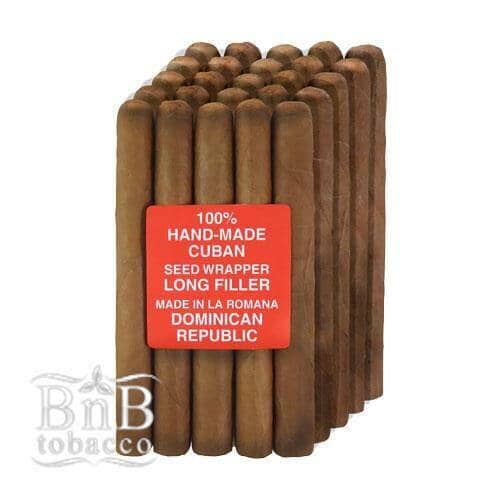
There is a unique, almost poetic resonance to an object that is born entirely of one place. In our modern, globalized world, we're accustomed to products assembled from a dozen different countries, a tapestry of global logistics. A 100% Dominican cigar, known in the aficionado's lexicon as a Puro Dominicano, is a quiet, profound act of defiance against this trend. It is a singular statement, a promise that every single component—from the fiery, robust leaf at its core to the delicate, oily wrapper that serves as its beautiful face—was cultivated in the same rich, island soil. This isn’t just a cigar; it’s an unadulterated expression of a nation's terroir, a tangible piece of the Cibao Valley's sun, earth, and water. To experience a true Dominican Puro is to savor a complete, unbroken circle of craftsmanship, tasting the history, the artistry, and the unique spirit of the Dominican Republic in every single, aromatic puff. It is an exploration of nuance and balance, a journey into the very heart of Caribbean tobacco.
The Soul of a "Puro": Unpacking the 100% Dominican Promise
In the intricate world of premium cigars, the term "Puro" is a designation of both immense pride and significant technical challenge. It signifies that the cigar is a product of a single country of origin, a "purebred" of its nation. While many immediately and justifiably associate this term with Cuban cigars, the 100% Dominican Puro is a masterpiece of blending artistry that was decades in the making. To create a multi-layered, complex, and balanced cigar, a master blender typically acts like a master chef, sourcing ingredients from a global pantry. They might select a spicy wrapper from Ecuador, a strong binder from Nicaragua, and a blend of aromatic fillers from the Dominican Republic and Peru to achieve their desired profile.
To create a 100% Dominican Puro, the blender is willingly restricting themselves to a single pantry. They must find all the complexity, all the nuance, all the strength, all the aroma, and all the functional components from the tobacco varietals grown only within the Dominican Republic. This challenge is what makes the resulting product so special. It is a true, unadulterated taste of the Cibao Valley. To fully grasp this, one must first dissect the three core components of any premium cigar, all of which, in this case, must be Dominican-born.
A Deep Dive into the Dominican Filler (Tripa)
The filler is the "engine" of the cigar. It is the voluminous bunch of tobacco leaves at the very center, and it is responsible for the cigar's primary flavor profile, its strength, and a significant portion of its burning characteristics. A premium cigar never uses chopped tobacco in the center; it uses long-filler, meaning whole leaves that run the entire length of the cigar. This is where the blender's art truly shines. The filler is not one type of leaf; it is a meticulous "recipe" of different tobacco primings, or leaf positions, from the tobacco plant.
A single tobacco plant is a vertical gradient of strength and flavor. The sun hits the top of the plant with far more intensity than the bottom, which is shaded by the leaves above it. This differentiation in sunlight and nutrient distribution creates three distinct types of filler leaf, and a 100% Dominican Puro is a masterful blend of all three.
-
The Power (Ligero): Pronounced lee-HAIR-oh) is the "power" leaf. These are the leaves taken from the very top of the tobacco plant. Basking in the direct, intense Caribbean sun all day, Ligero leaves are the thickest, oiliest, and darkest of the filler leaves. They are packed with nutrients and nicotine, which translates directly into strength and a full, robust flavor. These leaves are known for their peppery, spicy notes and a deep, earthy foundation. Because they are so thick and oily, they burn very slowly and with great difficulty. A cigar made of pure Ligero would be impossibly strong and would constantly go out. Therefore, the master blender uses Ligero sparingly, placing it in the very center of the filler bunch, where it is insulated by the other leaves. It is the "spice" or the "hot pepper" in the recipe, providing the blend's "guts" and that euphoric, full-bodied sensation. A blender's skill is measured in how they tame this leaf, using it for body without letting it create a harsh or overpowering smoke.
-
The Flavor (Seco): Pronounced SEH-koh) is the "flavor" leaf. These leaves are harvested from the middle section of the tobacco plant. Receiving less direct sun than the Ligero, these leaves are thinner, lighter in color (a medium brown), and far less potent in terms of strength. What Seco lacks in power, however, it more than makes up for in aroma and nuance. This is the primary component of most blends, as it is the main contributor of flavor. Seco leaves are where the signature "Dominican" character comes from: the notes of cedar, roasted nuts, coffee, and that subtle, foundational earthiness. It is also the most aromatic of the leaves, contributing heavily to the cigar's sweet-smelling aroma both before and during the smoke. Seco has good burning properties, far better than Ligero, and it constitutes the "body" of the blend. If Ligero is the spice, Seco is the main course.
-
The Foundation (Volado): Volado (pronounced voh-LAH-doh) is the "foundation" leaf. These are the leaves from the bottom of the plant, nearest the ground. They are almost entirely shaded from the sun. As a result, Volado leaves are very thin, pale, and have almost no strength or distinctive flavor. Their purpose is not to add power or aroma; their purpose is purely functional. Volado has one characteristic that makes it utterly indispensable: combustion. These leaves burn beautifully, with a "perfect cone," and when they are added to the filler blend, they act as a kind of kindling, ensuring that the entire bunch—including the oily Ligero—burns evenly and consistently. Volado is the component that allows you to enjoy a cigar without having to relight it every few minutes.
A 100% Dominican Puro is a masterful recipe balancing these three primings, all from Dominican soil. The blender's art is in creating a complete experience. A blend might be 60% Seco for flavor, 20% Ligero for body, and 20% Volado for the burn. Change those percentages even slightly, and you have a completely different cigar.
Furthermore, how these leaves are bunched is a critical art form. Many of the best Dominican factories employ a method called entubar. Instead of simply folding or "booking" the leaves, the roller meticulously rolls each individual filler leaf into its own tiny tube or "cigar" before bunching them together. This creates a matrix of tiny air channels running the length of the cigar, resulting in a perfect, effortless draw and an exceptionally even burn.
The Heart as That Unsung Hero of the Binder (Capote)
Once the filler bunch is assembled, it is held together by the binder, or capote. This is the hardworking, often-overlooked leaf that gives the cigar its shape and structural integrity. The binder must be a very specific type of leaf: it needs to be durable and elastic enough to be pulled taut around the filler without tearing, yet it must also have excellent combustion properties to help the filler burn evenly.
In a 100% Dominican Puro, this binder must also be Dominican-grown. Often, manufacturers will use a high-quality Olor Dominicano leaf (a native varietal we will explore later) as a binder. This leaf is not only functionally perfect, with a good "give" and a steady burn, but it also contributes its own subtle layer of flavor. It acts as a bridge, a harmonizing component that marries the robust, spicy-earthy notes of the filler to the more delicate, nuanced flavors of the wrapper. It is the quiet "middle-man" that ensures the entire construction is a cohesive whole.
The Face as That Revolutionary Dominican Wrapper (Capa)
Finally, we come to the wrapper, or capa. This is the beautiful, delicate, and oily leaf that is spiraled around the binder, serving as the cigar's final, flawless "face." The wrapper is the single most expensive component of any cigar. It must be visually perfect—silky to the touch, free of any blemishes or large veins, and possessing a uniform, rich color. Its influence on flavor is immense, with some experts claiming it can contribute anywhere from 40% to 60% of the cigar's overall taste profile.
For decades, this was the Dominican Republic's greatest challenge. The island was world-renowned for its superlative filler and binder tobaccos, but the consensus among all cigar makers was that the Dominican soil and climate could not produce a wrapper leaf with the elasticity, beauty, and flavor to rival those from Cuba, Cameroon, or the Connecticut River Valley. Dominican factories were, by and large, assembling cigars, not growing them from scratch. They would use their magnificent filler and binder and then import wrappers to complete the product.
The quest to grow a Dominican wrapper leaf was the industry's "Holy Grail." It was a long, expensive, and failure-ridden journey. But when it was finally achieved—most famously by the Fuente family—it was a revolutionary moment. It shattered all pre-conceived notions about the island's agricultural limits. It was this singular achievement that finally made the true 100% Dominican Puro possible.
When these three components, all born of the same soil, are brought together, they create that signature Dominican profile. While modern blenders have pushed the boundaries, the classic 100% Dominican cigar is celebrated for its elegance and complexity over raw power. The experience is typically defined by a mild-to-medium strength, a perfect balance that provides a relaxing, "chilled out" sensation without being overwhelming. The flavor profile is almost always built upon a foundational earthy undertone—a taste of the rich valley soil, cedarwood, and roasted nuts—which is perfectly complemented by hints of spice. This is rarely a fiery, peppery blast, but rather a gentle, aromatic tingle of cinnamon, nutmeg, or white pepper. This entire experience is enveloped in a characteristically sweet aroma, a defining feature that blends seamlessly with the cigar's flavor and contributes to its deeply satisfying character.
An Island Forged by Leaf and Legend: The Unstoppable History of Dominican Tobacco
The Dominican Republic's journey to becoming the undisputed king of the premium cigar world is an epic tale. It is a story of indigenous tradition, colonial ambition, revolutionary upheaval, and the remarkable migration of genius. The island of Hispaniola, which the Dominican Republic shares with Haiti, is not just a place where tobacco grows; it is one of the original birthplaces of cigar culture itself.
The First Breath - The Taíno and the Sacred Cohiba
Long before any European ship had ever crossed the Atlantic, the indigenous Taíno people, who inhabited the island for centuries, had a deep and sacred relationship with tobacco. They cultivated and revered a wild, potent form of the plant, which they called cohoba. This was not a recreational pursuit; it was the cornerstone of their spiritual and medicinal life. Taíno behiques (shamans or medicine men) would use the smoke in healing rituals and to commune with their gods, or zemis.
They consumed this tobacco in several ways, including snuffing the powdered leaves through a Y-shaped pipe called a tobago (a likely etymological origin for the word "tobacco"). Most importantly for our story, they also rolled the leaves into a rudimentary cigar, a thick bunch of leaves wrapped in a corn husk or a palm leaf. The Taíno name for this object was cohiba.
When Christopher Columbus's sailors, specifically Rodrigo de Jerez and Luis de Torres, first landed on the island in 1492, they were the first Europeans to witness this strange and wondrous ritual. They saw the Taíno "drinking the smoke" from these burning leaf rolls and were bewildered, but quickly intrigued. They partook in the ritual, acquired a taste for the leaf, and transported it back to Spain, igniting a global fascination that has now spanned more than five centuries.
The Colonial Crop - Centuries as a "Component" Nation
Under Spanish rule, Hispaniola quickly became a key agricultural colony. Tobacco was one of its first and most consistent cash crops, exported in vast quantities to the Spanish royal tobacco monopoly in Seville. For the next several centuries, the Dominican Republic was a major tobacco producer. However, this was largely "commodity" tobacco, a bulk ingredient destined for snuff, pipe tobacco, and the burgeoning cigarette market.
While the island's fertile lands, particularly in the Cibao Valley, were recognized for producing aromatic leaf, the art of crafting premium, hand-rolled cigars remained the undisputed domain of its neighbor just across the Windward Passage: Cuba. For generations, Cuba's Vuelta Abajo region was considered the "Mecca" of tobacco, its soil hallowed ground. Cuban cigars were, without argument, the finest in the world. The Dominican Republic, in this era, was seen as a supporting actor—a high-quality "component" nation, but not the star. Even the Dominican Republic's oldest, and still operational, cigar factory, La Aurora, founded in 1903 by Eduardo León Jimenes, was primarily focused on a local market, not the global stage.
The Great Cuban Exodus - A Revolution Replants Its Roots
Everything changed, suddenly and irrevocably, in 1959. Fidel Castro's revolution swept through Cuba, and in the following years (particularly 1960-1962), his government nationalized all private industries. This included the legendary, multi-generational cigar factories (like Partagás and H. Upmann) and the family-owned tobacco farms that supplied them.
The great cigar families—the Fuentes, the Toraños, the Menendezes, the Garcias, the Cifuentes—were stripped of their life's work. They were given a choice: stay in Cuba and work for the state-run Cubatabaco, or leave everything behind. Many of these masters of the leaf chose to flee, beginning what is now known as the "Great Cuban Exodus." They left with nothing but their deep, generational knowledge of tobacco cultivation, curing, fermentation, and blending. And, according to closely-guarded industry legend, they also left with their pockets full of their most precious, proprietary Cuban tobacco seeds.
This migration was arguably the single most important event in modern cigar history. It was a massive, sudden brain drain from Cuba and an unprecedented talent infusion for the rest of the Caribbean. These exiled masters began a desperate, nomadic search for a "new Vuelta Abajo," a new land where their prized Cuban seeds could flourish. They experimented in the Canary Islands, in Honduras, in Nicaragua, and in Mexico.
But many of the most prominent families found their new home in the Dominican Republic. They were drawn to the Cibao Valley, a lush, sprawling, and fertile river valley in the northern part of the country. Protected by two mountain ranges, its soil was rich, its climate was stable, and the city of Santiago de los Caballeros already had a budding tobacco infrastructure.
Here, they planted their Cuban seeds. This was the birth of "Piloto Cubano," the foundational tobacco varietal of the Dominican industry, named after the town of Pinar del Río in Cuba. But it was not an easy transition. The Dominican soil, while rich, was not Cuban soil. The climate was different. The first crops were difficult, and the families had to adapt. They had to cross-breed their Cuban seeds with native Dominican tobaccos, learning through years of trial and error how to create a new hybrid leaf that possessed the flavor of their Cuban heritage but was adapted to thrive in its new Dominican home.
This is when the modern Dominican cigar industry was truly born. Families like the Fuentes, who had been in Cuba, re-established their tiny operations and began to grow. Giants were formed. The exiled Menendez and Garcia families (who had owned Montecristo and H. Upmann in Cuba) partnered with General Cigar to create new, non-Cuban versions of those brands in the Dominican Republic. Zino Davidoff, whose famous Geneva shop was the world's preeminent retailer of Cuban cigars, had a falling out with the Cuban government and, in 1990, moved his entire production to the Dominican Republic, tasking the legendary blender Hendrik "Henke" Kelner with creating a new, ultra-premium Dominican Davidoff blend.
The "Impossible Dream" - The OpusX Revolution
Throughout the 1970s and 1980s, these factories in Santiago de los Caballeros built the Dominican Republic's reputation. They became the kings of the mild, creamy, and impeccably constructed cigar, perfectly suited to the American palate. When the "Cigar Boom" of the mid-1990s hit—a massive, sudden surge in demand fueled by a strong economy and the launch of Cigar Aficionado magazine—the Dominican Republic was perfectly positioned. Its factories scaled up production to meet the insatiable demand, and the Dominican Republic officially became the largest exporter of premium cigars in the world.
But one challenge remained. One "impossible" barrier. They still had to import their wrappers.
This is where the story of the 100% Dominican Puro truly begins, and it is the story of one man's obsession: Carlos "Carlito" Fuente Jr.
The Fuente family, led by Carlos Sr. and his son Carlito, had built a reputation for making some of the world's finest cigars, like the Hemingway series. But Carlito had a dream that everyone in the industry—including his own father—told him was madness. He wanted to grow a world-class wrapper leaf in the Dominican soil. He was told it was impossible. The soil was too rich. The sun was wrong. The leaves would be too thick, too veiny, and would never burn.
Carlito ignored them. In 1991, he secretly began experimenting on a small, scrappy plot of land in a little town called El Caribe. He named this farm "Chateau de la Fuente." He believed the microclimate there was special. He planted Cuban seeds, Corojo varietals, and failed. The plants were ravaged by pests and weather. He tried again. He failed again. He spent years and millions of dollars, cultivating, curing, and fermenting these "impossible" leaves.
Finally, after years of heartbreaking and costly experimentation, he succeeded. He produced a small crop of the most beautiful tobacco leaf anyone had ever seen come from Dominican soil. It was a stunning, reddish-brown, oily, and pungent leaf—a Rosado wrapper.
He and his father then blended a new, powerful, and complex cigar using only tobaccos from their farm. It was a 100% Dominican Puro, from filler to binder to this "impossible" wrapper. It was strong, it was spicy, it was complex, and it was unlike any Dominican cigar anyone had ever tasted.
In 1995, they released it as the Fuente Fuente OpusX.
It was not just a cigar; it was a bombshell. It was an immediate, runaway, and industry-shattering success. It became, and remains, one of the most sought-after "cult" cigars in the world. But its true legacy was that it proved everyone wrong. It proved that the Dominican Republic could do it all. The OpusX single-handedly shattered the ceiling, paving the way for an entire generation of 100% Dominican Puros from countless other brands (like the Cohiba Puro Dominicana and the La Flor Dominicana Litto Gomez Diez) who were now free to innovate, knowing the "impossible" was, in fact, possible.
The Cradle of Flavor: Inside the Cibao Valley's Sacred Terroir
To understand why 100% Dominican cigars taste the way they do, you cannot just look at the history; you must look at the land itself. The flavor of a Puro is the flavor of its soil, and in the Dominican Republic, that flavor is born in the Cibao Valley.
This is the "Vuelta Abajo" of the Dominican Republic, the nation's agricultural heartland, and one of the most fertile places on Earth. Geographically, it is a grower's paradise, a "perfect storm" of geological and climatic factors.
The "Dominican Vuelta Abajo"- Geology of the Valley
The Cibao Valley is not just a flat plain; it is a unique geological formation. It is a massive valley flanked by two major mountain ranges: the Cordillera Septentrional to the north and the Cordillera Central (the largest mountain range in the Caribbean) to the south.
This topography is critical. The Cordillera Septentrional to the north acts as a massive "wall," blocking the harshest, salt-laden winds and storms that blow in from the Atlantic Ocean. The Cordillera Central to the south creates a "rain shadow" effect, modulating the island's tropical climate and creating a stable, protected microclimate within the valley. This "bowl" is blessed with long, consistent days of brilliant sunshine and a stable humidity, perfect for growing sensitive tobacco plants.
The true magic, however, comes from the Yaque del Norte River, the longest river in the Dominican Republic, which carves its way through the entire valley. For millennia, this river has irrigated the land. But more importantly, during its seasonal floods, it has deposited layer upon layer of incredibly rich, nutrient-dense alluvial soil washed down from the mountains.
This soil is dark, loamy, and packed with the specific minerals that tobacco plants crave, particularly potassium (which is essential for good leaf combustion, or "burn") and iron (which gives the soil, and the tobacco, its signature reddish-brown hue and rich, hearty character). It is this unique combination of soil, sun, and water—the terroir—that gives Dominican tobacco its signature character: an inherent, subtle sweetness, a lack of any harshness, and that unmistakable, aromatic, earthy profile.
The "Appellations" of the Valley
While the entire valley is fertile, it is not monolithic. A master blender creating a 100% Dominican Puro sources leaves from different sub-regions of the valley, much like a French winemaker sources grapes from different appellations in Bordeaux. Each "appellation" below has its own distinct "micro-terroir" and is known for producing leaves with specific characteristics:
-
Villa González: Often considered the "grand cru" of the valley, this area just northwest of Santiago is famous for its rich, heavy soil. It is known for producing the most powerful, full-bodied, and intensely flavorful tobacco in the country. The Ligero from Villa González is the backbone of many full-strength Dominican blends.
-
Jacagua: This region, also near Santiago, is known for its exceptionally fertile soil. The tobacco from here is less about raw power and more about elegance and sophistication. It produces leaves that are incredibly aromatic and balanced.
-
Navarrete: This sub-region, located in the drier, hotter part of the valley's northwest, produces a more "rustic," robust leaf. The tobacco from Navarrete is known for its potent, zesty character and is often used to add a spicy "kick" to a blend.
-
La Canela: Known for its dark, nutrient-rich soil, this area produces strong, dark, and earthy tobacco, often prized for its use in Maduro blends.
A master blender creating a Dominican Puro will use leaves from these different regions like a painter uses a palette, balancing the sheer power of Villa González with the elegant aroma of Jacagua to achieve a final blend that is complex, harmonious, and multi-layered.
The Native and the Naturalized
This rich terroir is the "canvas," but the "paints" are the tobacco varietals themselves. In the Dominican Republic, the blend of a Puro is almost always a conversation between three key tobacco types, each with its own history and purpose:
-
Piloto Cubano: This is the direct descendant of the Cuban seeds brought over during the exodus. It is the "heart and soul" of most Dominican blends, the "powerhouse" varietal. As its name (Piloto, from Pinar del Río) suggests, it is the Dominican expression of the classic Cuban-seed tobacco. It is prized for its full body, its rich, complex flavor, and its pronounced spicy and earthy notes. It is a bold, assertive tobacco that provides the blend's foundational strength and character. It is the "bass note" that you feel in a great Dominican blend, providing a rich, satisfying, and full-bodied experience.
-
Olor Dominicano: This is the native Dominican varietal, and its name, "Olor," literally means "aroma." This leaf is the perfect counterpart to Piloto. It is not known for its strength; in fact, it is quite mild. Its entire contribution is in its name: it is exceptionally aromatic, with a milder, slightly salty-sweet profile that adds incredible nuance and a beautiful "room note" (the smell of the smoke) to the cigar. Olor leaves are also famously thin and elastic, and they possess fantastic burning properties, making them a favorite choice for use as binders.
-
San Vicente: This is a unique and vital hybrid, a cross between Piloto and a native Dominican leaf, first cultivated on the San Vicente farm in the Cibao Valley. This varietal represents a perfect "middle ground" in the blend. It does not have the raw, bass-note power of Piloto, but it is far more zesty and flavorful than the mild Olor. It is known for its distinct, tangy, almost acidic spice and a lively, floral character. Blenders use San Vicente to add a "sparkle" or a high note to a blend, a complexity that cuts through the richness of the Piloto. It is the "alto" voice to Piloto's "bass" and Olor's "tenor."
So then, a 100% Dominican cigar is, therefore, a masterful balancing act of these three leaves, all grown in the specific "appellations" of the Cibao Valley. The blender's art lies in achieving a state of perfect harmony: the earthy power of Piloto, the sweet fragrance of Olor, and the lively zest of San Vicente, all working together to create a smoke that is simultaneously complex, smooth, and deeply relaxing.
The Alchemist's Touch: From Verdant Field to Fermented Gold
The journey of a 100% Dominican cigar from a tiny, dust-like seed to a finished, smokable product is a testament to the phrase "handled with care from start to finish." It is a long, slow, and incredibly labor-intensive process, a form of old-world alchemy that transforms a raw, harsh, green leaf into a smooth, flavorful, and aromatic work of art. This process is where the inherent qualities of the tobacco are not just preserved, but profoundly refined and elevated.
Priming and Curing (The Casa de Tabaco)
It all begins in the fields. As the tobacco plants mature, they are "primed"—a painstaking process of harvesting the leaves by hand, two or three at a time, from the bottom of the plant upwards. This is done in stages (Volado first, then Seco, then Ligero last) as the leaves mature at different rates.
Once harvested, the green leaves are immediately taken to a casa de tabaco, or curing barn. These massive, wooden, open-air structures are an iconic part of the Dominican landscape, their dark wood slats a stark contrast to the green fields. Inside, the air is thick with the sweet, hay-like smell of drying tobacco. The leaves are strung onto long wooden poles called cujes and hung from the high rafters in the semi-darkness. Over the next 45 to 60 days, the leaves slowly die.
This is not just a "drying" process; it is a vital chemical transformation. The leaf's cells slowly perish, causing its chlorophyll to break down. This is what changes the color from a vibrant green to a uniform, beautiful, golden-brown. At the same time, the leaf's starches begin a slow, natural conversion into simple sugars. It is this creation of sugar that is the first step in developing the tobacco's natural sweetness. All the while, farmers must act as masters of the environment, constantly opening and closing the barn's wooden slats by hand to maintain the perfect, delicate balance of temperature and humidity, ensuring the leaf cures at the perfect rate.
The Living Fire (The Art of the Pilón)
After curing, the leaves are still not ready to be smoked. They are dry, brittle, and, if you were to light one, would taste harsh, grassy, and full of raw ammonia. The next, and most critical, stage is fermentation.
The cured leaves are sorted, moistened with pure water, and meticulously stacked into enormous, neatly organized piles called pilónes. A single pilón can be six feet tall and contain thousands of pounds of tobacco. The sheer weight and pressure of this stack, combined with the moisture, initiates a natural fermentation. The pilón is a living, breathing thing; microbes on the leaves begin to break them down, and the pile's core generates its own intense heat, like a massive compost heap.
This fermentation is where the alchemy happens. It does two essential things:
-
It purges impurities. The fermentation process "sweats out" all the harsh, undesirable compounds, most notably ammonia. The pungent, eye-watering smell in a fermentation barn—a smell that stings the nostrils—is the sign of a healthy, active pilón purging itself of any acridity.
-
It develops flavor. This process develops the tobacco's oils, deepens its color, and transforms its raw, grassy flavors into the complex, refined notes of earth, spice, coffee, and cocoa that we associate with a premium cigar.
This is a volatile, active process. The pilón is a "living fire" that must be controlled. Workers constantly monitor the pile's internal temperature with long thermometers. If it gets too hot, the leaves will "cook," be "stewed," or even spontaneously combust. When the temperature reaches a specific, pre-determined point (perhaps 115°F for one leaf, 120°F for another), the entire pile is "turned." It is meticulously disassembled, leaf by leaf, by a team of workers. The leaves from the hot center are moved to the cooler outside, and the outer leaves are moved to the center. The pilón is then rebuilt and begins to heat up all over again.
A batch of premium tobacco will go through this "turning" process multiple times, with each cycle further refining the leaf. This patient, repeated fermentation is the absolute secret to the 100% Dominican cigar's characteristic smoothness and lack of any "bite."
The Long Rest (Aging in Pacas)
After fermentation is complete, the journey still isn't over. The tobacco is now "rested." It is sorted one final time and packed into large, tightly-packed bundles called pacas. These bales, often wrapped in burlap or palm leaves (tercios), are then moved to a warehouse to age.
This is the long, slow, passive aging process, identical in concept to aging a fine wine in a cellar or a whiskey in a barrel. This is not fermentation. This is a "resting" period where the tobacco is left alone for years. A minimum of two years is standard for premium filler, but many 100% Dominican Puros use tobaccos that have been aged for five, seven, or even ten years.
During this long rest, the tobacco's flavors continue to marry, mellow, and deepen. Any remaining trace of ammonia dissipates. The flavors of the Piloto, Olor, and San Vicente harmonize, their individual edges softening until they become a single, cohesive, and incredibly smooth profile. This patient, multi-year aging is the final step in creating that state of pure, relaxed bliss that defines the Dominican experience.
The Hand of the Master (Bunching and Rolling)
Only after this long, arduous journey is the aged tobacco finally given to a torcedor (a master cigar roller), whose art is often passed down through generations. The roller takes the blender's "recipe" of aged Ligero, Seco, and Volado and meticulously assembles the filler bunch—often using the entubar method. They wrap it in the Dominican binder, place it in a wooden mold to press it into shape, and then, as the final step, deftly apply the beautiful, delicate Dominican wrapper, spiraling it perfectly from the foot to the head. It is a process of pure hand-eye coordination and muscle memory, a final act of human artistry on a product that has been slowly crafted by nature and time.
The Wrapper's Embrace: Natural and Maduro Artistry
The wrapper is the "face" of the cigar, the first thing you see and the last part of the blend to be applied. It is also a primary driver of flavor. For 100% Dominican Puros, the wrapper must also be Dominican-grown, and it typically comes in two distinct, beautiful expressions: Natural and Maduro. These two styles are not (usually) different types of seeds, but rather the result of two very different approaches to cultivation and fermentation, each designed to blend perfectly with the sweet, aromatic core of the Dominican filler.
The Shade-Grown "Natural" (Claro / Colorado)
A "Natural" wrapper refers to a tobacco leaf that is light in color, ranging from a pale, creamy tan (Claro) to a more golden or reddish-brown (Colorado). To achieve this, the wrapper leaf must be thin, delicate, and silky, with almost no visible veins. In the Dominican Republic, this is often accomplished through the arduous and expensive process of "shade-growing."
Vast fields of wrapper tobacco are covered with a thin, cheesecloth-like fabric called tapado. This fabric acts as a massive screen, filtering the harsh, direct tropical sun and bathing the tobacco plants in a soft, diffused light. This "shade" tricks the plant. Thinking it is not getting enough light, it stretches for the sun, growing taller and producing leaves that are significantly larger, thinner, and more elastic. Because they are performing less photosynthesis, these leaves have a lower sugar content and a much more subtle, nuanced flavor profile.
After a very gentle and cool curing and fermentation process, a Dominican-grown shade wrapper (often from a Connecticut-seed varietal that has been adapted to the Dominican soil) is known for its exquisite, creamy texture and its elegant, subtle flavors. It imparts notes of cedar, almonds, toasted hay, and a gentle, natural sweetness. This wrapper is the perfect choice for a 100% Dominican cigar designed to be the ultimate expression of smoothness, creating a blissful, "chilled out" experience ideal for a morning or afternoon.
The "Ripe" Transformation - The Maduro Process
On the other end of the spectrum is the "Maduro," a Spanish word that translates to "ripe" or "mature." A Maduro wrapper is not a specific leaf type, but the result of a process. It is a dark, oily, and ruggedly beautiful leaf, ranging in color from a deep, rich brown to a nearly-black "Oscuro."
To achieve this dark color and the rich, sweet flavors that come with it, a very different leaf and process are required. Instead of a delicate shade-grown leaf, blenders will select a heartier, thicker, "sun-grown" leaf, often from the top primings of the plant (Ligero) where it has soaked up the most sun and produced the most oils and sugars.
This robust leaf is then subjected to a much more intensive, prolonged, and hotter fermentation process. It is "worked" in the pilón for a much longer time, often "turned" many more times than a Natural wrapper. This "sweats" the leaf more aggressively. This process, which is chemically similar to the Maillard reaction (the process that browns a steak or toasts bread), caramelizes the leaf's natural sugars and oils. This intense fermentation transforms the leaf, breaking it down, taming its strength, and unlocking a profound, rich sweetness that was not there before.
A 100% Dominican Puro dressed in a Maduro wrapper offers a dramatically different experience. The classic earthy, spicy core of the filler is still present, but it is now beautifully complemented by the wrapper's deep, decadent flavors of dark chocolate, espresso, molasses, and a hint of black pepper. The "sweet aroma" from the Olor filler leaves blends perfectly with this wrapper, creating a rich, euphoric, and full-flavored smoke that is a perfect after-dinner companion, all while retaining the characteristic Dominican smoothness.
The Geometry of Enjoyment: A Guide to Dominican Vitolas
The vitola—the industry term for a cigar's specific shape and size—is not a mere aesthetic choice. It is a critical, functional component of the blend that directly and dramatically influences the smoking experience. The geometry of a cigar dictates its burn time, its heat, its draw, and, most importantly, how the different tobaccos in the blend interact with your palate. A 100% Dominican blend rolled into a short, thick Robusto will taste noticeably different from the exact same blend rolled into a long, thin Lancero. Dominican manufacturers are masters of all Vitolas, but a few key shapes are perennial favorites for showcasing their tobacco.
Parejos (Straight-Sided Cigars)
These are the most traditional and common shapes, with straight, parallel sides and a rounded, "Parejo" head that must be cut:
-
Robusto / Robusto Grande: This is, for many, the quintessential modern cigar shape. A classic Robusto typically measures 5 inches in length with a ring gauge between 50 and 52. A Robusto Grande (or "Gordo") simply extends this, perhaps 5.5 to 6 inches long with a ring gauge from 54 up to a massive 60 or 70. The Robusto's popularity lies in its perfect balance of time and flavor. Its "short, fat" stature allows the blender to use a significant and complex bunch of different filler leaves, delivering the full, unadulterated flavor profile of the blend. Because it is shorter, it provides this concentrated, full-flavored experience in a manageable 30- to 45-minute smoke.
-
Churchill: Named for the legendary British statesman who was rarely seen without one, the Churchill is a truly stately and luxurious vitola. A classic Churchill measures 7 inches in length with a thinner ring gauge, often around 47 to 50. This is a long, elegant smoke designed for an extended, deeply relaxing session. The magic of the Churchill is in its length. Because the smoke has to travel a greater distance down the body of the cigar, it cools considerably before it ever reaches the palate. This results in an exceptionally smooth, cool, and "chilled-out" experience. The length also allows for a fantastic evolution of flavors; the cigar you light up will often taste noticeably different, and frequently richer and more complex, by its final third. This is a 60- to 90-minute commitment.
-
Toro: Often called the "sweet spot" vitola by manufacturers, the Toro is the perfect compromise between the Robusto and the Churchill. Typically measuring 6 inches by a 50 or 52 ring gauge, it offers the best of both worlds: the complex filler-to-wrapper ratio of a Robusto, but with a longer, more relaxed smoking time (45-60 minutes) that allows the blend to develop.
-
Lancero / Panatela: This is the elegant opposite of a Robusto. A Lancero is a very long and very thin cigar, often 7 to 7.5 inches long but with a tiny 38 ring gauge. In this vitola, the wrapper is the undisputed star. Because the cigar is so thin, the filler-to-wrapper ratio is inverted, and the wrapper's flavor (be it a creamy Natural or a sweet Maduro) is dominant. It's a connoisseur's shape that delivers a zesty, bright, and intensely flavorful smoke.
Figurados (Shaped Cigars)
These cigars break from the straight-sided Parejo format and require immense skill from the torcedor to create. Specifically, the Pyramid (Belicoso / Torpedo), as this is a striking cigar that is instantly recognizable. It features a tapered, pointed head that comes to a sharp "pyramid" point, while the body is straight and the foot (the part you light) is open. They are often in the 6-inch range, with a ring gauge at the foot of 52 or 54. The tapered head is the key to its unique performance. It acts as a funnel, concentrating the smoke and all of its complex flavors directly onto the palate. This can make the blend's spicy and earthy notes feel more intense, focused, and pronounced.
The Numbers Game of Length vs. Ring Gauge
When choosing a 100% Dominican cigar, you will be presented with these two key measurements. It is vital to understand what they control:
-
Length: Measured in inches (e.g., 5", 6", 6 ½", 7"), this number primarily controls time. So, for example, a 7-inch Churchill will, quite simply, last much longer than a 5-inch Robusto.
-
Ring Gauge: This is the measurement of the cigar's diameter, and it is expressed in 64ths of an inch. A cigar with a 50 ring gauge is 50/64ths of an inch thick. This number primarily controls the flavor profile and heat.
The ring gauge of a 100% Dominican cigar can vary wildly, from a pencil-thin 28 ring gauge to a massive, chunky 70 ring gauge or more. This measurement changes the crucial ratio of wrapper leaf to filler/binder leaves:
-
Skinny Ring Gauges (e.g., 28-42): In a thin cigar, the wrapper leaf has a much greater influence on the overall flavor. There is less filler, so the taste of the wrapper is front and center. A perfect example is the Davidoff Dominican Primeros, a small "panatela" shape which boasts a 34 ring gauge. This delivers a quick, flavor-forward smoke dominated by its fine wrapper.
-
Thick Ring Gauges (e.g., 58-70+): In these "Gordo" sizes, such as a 60 ring gauge, the opposite is true. The filler blend dominates. The wrapper is now a much smaller percentage of the total tobacco, so its influence is minimized. This allows you to taste the full, unadulterated power and complexity of the internal Ligero/Seco/Volado blend. These cigars also produce a massive volume of smoke and burn very slowly and coolly.
Savoring the Subtlety: How to Properly Experience a Dominican Puro
A 100% Dominican Puro, with its emphasis on nuance, aroma, and complexity, is a cigar that rewards patience and technique. Because it is often a mild-to-medium-bodied smoke, you cannot rush it. To simply "puff" on it is to miss the entire point. Experiencing it properly involves a few key steps that will unlock all the subtle flavors the blender worked for years to create.
The First Step is the Art of the Cut
Before you can light it, you must cut the "head" or "cap" of the cigar (the part you put in your mouth). There are three main ways to do this, and your choice can affect the draw:
-
Guillotine (Straight Cut): This is the most common method, using a single or double-bladed cutter to slice off the very top of the cigar's rounded cap. The goal is to slice off only the cap, leaving the "shoulder" (the curved part) intact. This provides a wide, open draw that delivers the maximum amount of smoke.
-
V-Cut (Cat's Eye): This cutter scoops a "V" shaped wedge out of the cap. This method also provides a generous draw but has the added benefit of funneling, and also concentrating the smoke, which many find enhances the flavor. It is a fantastic choice for a Pyramid, as it complements the tapered shape.
-
Punch Cut: This is a small, circular blade that cuts a small, perfectly round hole in the center of the cap, leaving the rest of the cap intact. This provides a tighter, more concentrated draw and is favored by those who prefer a slower-burning, cooler smoke.
The Second Step is a Patient Toast and Light
This is the most critical mistake newcomers make. You must never simply put the cigar in your mouth and blast it with a lighter. Doing so will incinerate the delicate wrapper and filler, starting the cigar off with a harsh, bitter, and charred taste. The proper method is a two-step "toast and light": To toast, just hold the "foot" (the open end) of the cigar near, but not in, the flame (a butane torch or a wooden match/cedar spill is preferred). Gently rotate the cigar, "toasting" the entire foot until it is evenly blackened and just beginning to glow. You are releasing the oils and gently starting the combustion, much like toasting a marshmallow. To light, once the foot is toasted, bring the flame just to the edge and take a few gentle, slow puffs while rotating the cigar. This will draw the flame across the toasted foot, creating a perfect, even, "cherry" glow. Look at the foot to ensure it is burning evenly.
The Connoisseur's Secret to Unlocking Flavor with the Retrohale
Now, you’re smoking. You are tasting the blend on your tongue—perhaps the earthy sweetness, a hint of cedar. But to truly taste the 100% Dominican Puro, you must use your nose.
The "retrohale" is the connoisseur's secret. It is the act of taking a gentle puff of smoke into your mouth, holding it, and then pushing it out through your nasal passages instead of just exhaling.
Your tongue can only detect five basic tastes (sweet, salty, sour, bitter, umami). Your olfactory (nasal) system, however, can detect thousands of complex aromas. Because the Dominican Puro is so aromatic, with notes of spice, cedar, nuts, and coffee, the retrohale is not optional—it is essential. When you retrohale, you will suddenly be able to pinpoint those "hints of spice" or that "sweet aroma" that were too subtle for your tongue alone. It is the key that unlocks the cigar's full, complex, and euphoric profile.
The Unbroken Circle of the Dominican Leaf
In the end, the story of the 100% Dominican cigar is one of profound, unbroken continuity. It is a living, smokable link to the past, a direct connection to the Taíno peoples who first rolled the cohiba on the same island centuries ago. It is a testament to the resilience of the Cuban masters who, carrying the seeds of their heritage, found a new home and a brilliant new canvas in the fertile soil of the Cibao Valley. More than anything, it is a monument to the Dominican farmers and torcedores themselves, whose patient, alchemical hands and deep, generational knowledge transform that soil into a consistent, nuanced, and flavorful work of art. To choose a Dominican Puro is to choose more than just a cigar; it is to savor a complete, harmonious, and elegant expression of a single place, a true taste of the island's soul.
Share:
What to Do About Pipe Tobacco Tin Rusting?
An Interesting Cigar Question: What Defines "Limited Edition" Cigars?