
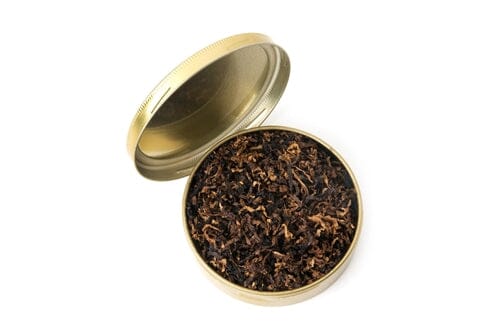
There is a unique and quiet satisfaction in the ritual of pipe smoking. It often begins not with the flame, but with the selection. You might run your fingers over a small collection of tins, each a little capsule of potential, a promise of a relaxing session. You select one, perhaps a favorite Virginia flake you’ve been saving, and you admire the art on the lid before breaking the seal. That subtle ‘hiss’ or satisfying ‘pop’ is the opening note of the experience. But what happens when that experience is soured before it even begins? You crack the tin, and there, on the rim or staining the paper insert, is the unmistakable, unwelcome sight of reddish-brown: rust. It’s a moment that can cause an enthusiast's heart to sink, sparking questions of safety, salvage, and storage. This isn't just an aesthetic problem; it's a direct threat to the very blend you’ve been looking forward to. Understanding this vexing issue is the key to protecting your collection and ensuring every future ‘pop’ leads to a moment of pure, unadulterated bliss.
More Than Just Leaves: The Art and Soul of Pipe Tobacco
Before we can properly diagnose the problem of a rusty tin, we must first appreciate exactly what it is we’re trying to protect. Pipe tobacco is not a simple, inert product. It is a complex, carefully crafted, and often "living" agricultural product that undergoes a long journey from the farm to your pipe. This journey is a blend of agriculture, science, and culinary art, resulting in the wide tapestry of flavors, aromas, and experiences available to the modern smoker. It is this complexity that makes it worth preserving and also, in some cases, susceptible to the elements.
The Curing and Crafting Process
The tobacco leaf as it’s picked from the plant is green, pliable, and full of water and chlorophyll. It’s a shadow of its future self. The magic begins with curing, a process designed to dry the leaf, break down harsh compounds, and develop the sugars and oils that define its flavor:
-
Air-Curing: This is a slow, patient process. Leaves are hung in well-ventilated barns for weeks, protected from the sun. This method, primarily used for Burley tobacco, results in a leaf that is low in sugar, light in color, and possesses a wonderful, nutty, and sometimes chocolate-like character. Its porous nature also makes it exceptionally good at absorbing casings and flavorings, making it a cornerstone of Aromatic blends.
-
Flue-Curing: This is a much faster, heat-driven process. The leaves are hung in a barn where heat is introduced through flues or pipes (originally from a wood fire, now often gas). This "fixes" the leaf's color and, most importantly, its high sugar content. This is the method that gives us Virginia tobacco, the bright, sweet, and zesty leaf that forms the base of countless blends.
-
Fire-Curing: This is the most dramatic method. Leaves are hung in a barn and smoked over smoldering hardwoods (like oak or hickory) for days or even weeks. This process imbues the leaf with an intense, smoky, leathery, and robust character. This is the signature process for Dark-Fired Kentucky and the world-famous Latakia, which uses aromatic woods and herbs to create its unique, incense-like aroma.
-
Sun-Curing: As the name implies, leaves are laid out in the sun to dry. This method is common for Oriental or Turkish tobaccos, producing leaves that are typically light, aromatic, and have a unique, slightly tangy or "spicy" floral character.
After curing, the leaves are fermented, processed, and blended. Some tobaccos, like Perique from Louisiana, are "pressure-fermented" in oak barrels, a process that transforms them into a powerful, peppery, and fruity "condiment" tobacco. Others are steamed and pressed to create Cavendish, a mild, sweet, and easy-burning component. The blender then takes these "primary colors" and, like a master chef, combines them to create a finished work of art.
A Palette of Flavors That Will Help You Understand the Core Tobacco Types
The cured leaves form the building blocks of every blend. The main players you’ll encounter are:
-
Virginia: The foundation. It can be bright (grassy, citrusy), red (tangy, bready, fruity), or stoved (dark, sweet, rich). Its high sugar content is key—it’s what allows Virginia-based blends to age and improve over time, much like a fine wine.
-
Burley: The workhorse. Nutty, mellow, and low in sugar, it provides "body" and is a perfect canvas for added flavors. It burns cool and steady, making it a favorite for all-day, "set it and forget it" smokes.
-
Latakia: The smoky giant. Originally from Syria but now primarily from Cyprus, this fire-cured tobacco is a component, not a base. It adds a deep, smoky, leathery, and incense-like aroma that is the hallmark of English blends. It is divisive; you either love it or you don't.
-
Orientals/Turkish: The spice rack. This is a broad category of sun-cured tobaccos (like Izmir, Samsun, and Basma). They provide a fragrant, floral, and sometimes wonderfully "sour" or tangy counterpoint to the sweetness of Virginias and the smokiness of Latakia.
-
Perique: The truffle of tobacco. Used sparingly, it adds a remarkable depth, with notes of dark fruit (plums, figs) and a distinct peppery spice. It is the signature component of the classic "VaPer" (Virginia/Perique) blend.
-
Dark-Fired Kentucky: A cousin of Burley, this leaf is fire-cured, giving it a smoky, earthy, and powerful profile that is more akin to a rustic cigar than its milder relatives.
The Blender's Masterpiece for Common Pipe Tobacco Cuts and Blends
Finally, this blend of leaves is cut. The cut dramatically affects how you pack the pipe, how the tobacco burns, and how the flavors are released. You’ll find Ribbon or Shag cuts (thin strands, easy to pack and light), Flake cuts (leaves pressed into a dense "brick" and then sliced, offering a slow, cool, and flavorful smoke), Plugs and Ropes (even denser, requiring you to slice your own flakes), and Coin or Curly Cut (discs sliced from a spun rope).
These cuts are then presented in familiar blend families:
-
Aromatics: These are blends, often of Burley and Cavendish, that have been "cased" or "topped" with flavorings like vanilla, cherry, rum, or chocolate. They are known for their pleasant room note.
-
English Blends: The classic "campfire" smoke. This is a non-aromatic blend defined by the prominent use of Latakia, balanced by Virginias and often Orientals.
-
Balkan Blends: A sub-genre of English blends, where the "spice" of the Oriental tobaccos is brought to the forefront, often eclipsing the Latakia in complexity.
-
Virginia/Perique (VaPer): A beloved category that marries the sweetness of Virginia tobacco with the spicy, fruity kick of Perique.
-
Burley Blends: Straightforward, nutty, and often lightly cased with cocoa or molasses, these are the classic "drugstore" blends that have been enjoyed for generations.
Understanding this diversity is crucial. When you find rust in a tin, you're not just looking at dried leaves; you're looking at a threat to a product of immense craft and patience.
That Satisfying 'Pop': The Unsung Hero of Tobacco Preservation
Now we turn to the guardian of this craft: the tobacco tin. It's so much more than just packaging. It is a purpose-built vessel designed to do two things perfectly: protect the tobacco from the outside world and, in many cases, provide the perfect environment for it to evolve.
Not Just Any Can - The Anatomy of a Tobacco Tin
The tins we're discussing are typically made of steel, which is then plated with a thin layer of tin. This "tin-plating" is what gives it its name and its primary defense against corrosion. Aluminum is also used, particularly for screw-top tins, as it is lighter and does not rust (though it can corrode in other ways).
The most common and important type for collectors is the vacuum-sealed "pop-top" tin. These are usually round tins (like those from Cornell & Diehl or Mac Baren) or square/rectangular tins (like those from Samuel Gawith or Peterson). When the tobacco, which has a specific moisture content, is packed inside and the lid is sealed, a machine sucks the air out, creating a vacuum. This pulls the lid down tight. The "pop" you hear when opening it is the sound of air rushing back in to equalize the pressure.
This vacuum seal is the key. It achieves several critical goals:
-
It locks in the intended moisture content. This keeps the tobacco perfectly ready to smoke, whether it's opened tomorrow or in ten years.
-
It locks out oxygen. Oxygen is the enemy of fresh flavors. It causes the tobacco's volatile oils and delicate aromas to dissipate, leaving the blend tasting flat and dull.
-
It prevents contamination. No dust, no mold spores, and no outside humidity can get in.
You will also find rectangular "pocket" tins. These are often friction-fit or hinged and are not vacuum-sealed. These tins are designed for convenience and short-term transport, not for long-term aging or preservation. They offer minimal protection against moisture loss or air exchange.
Why a Tin? The Function Beyond the Form
The true genius of the vacuum-sealed tin is what it allows to happen inside. By removing oxygen, the tin creates an anaerobic (oxygen-free) environment. This doesn't just "freeze" the tobacco in time; it allows it to age.
The high sugar content in Virginia tobaccos, combined with the blend's natural moisture, begins a very slow, subtle process of fermentation and aging. Over years, the flavors meld, deepen, and change. Sharp, grassy notes can soften into the aroma of fresh-baked bread. Tangy, citrusy flavors can ripen into deep, rich notes of fig and raisin. The blend becomes smoother, more integrated, and more complex.
This is the "cellaring" that enthusiasts talk about. The tin isn't just a container; it's a miniature aging barrel. This is why a tin of a popular Virginia blend from five or ten years ago can command high prices. The enthusiast isn't just buying tobacco; they're buying time.
And this is why rust is such a devastating discovery. Rust is the visual evidence that this perfect, sealed environment has failed. It signifies a breach in the fortress, allowing the outside world—with its oxygen, its fluctuating humidity, and its mold spores—to come crashing in.
The Reddish-Brown Menace: Unmasking the Culprits Behind Rust
Rust, scientifically, is iron oxide. It’s the result of a simple chemical reaction: iron plus water plus oxygen equals rust. Since your tin is made of steel (which is mostly iron), all it needs is exposure to water and air to begin corroding. The tin-plating is a protective layer, but it's not infallible. A microscopic scratch, a dent, or a flaw in the manufacturing can expose the raw steel underneath.
But where does this water and oxygen come from, especially on a "sealed" tin? The culprits are often insidious and can be working against you silently.
The Obvious Foe is Direct Moisture and Water Exposure
This is the most straightforward cause. You spill a drink on your shelf. A pipe leaks in your cellar. You live in a flood-prone area, and the bottom of your storage tote gets wet. If water sits on the outside of the tin, it will attack any weak point in the plating. It's particularly dangerous around the seams and the rim, where the metal is bent and stressed.
Even a paper label can be an enemy. If the label gets damp, it acts like a sponge, holding that moisture directly against the metal for days or weeks, creating a perfect, localized environment for rust to bloom unseen. A small ding or scratch from shipping, hidden under the label, becomes the epicenter of the corrosion.
The Silent Attacker Being Humidity and Condensation
This is, by far, the most common and most dangerous culprit for a well-maintained collection. You don't need a "spill"; you just need a bad storage environment.
The key concept here is relative humidity (RH) and temperature fluctuation.
Imagine your storage area—perhaps a garage, an attic, or a non-climate-controlled basement. During a warm, humid summer day, the temperature is 85°F (29°C) and the RH is 80%. The air itself is "holding" a large amount of water vapor. Now, night falls. A cool front moves in, and the temperature in your garage plummets to 60°F (15°C).
This is where the physics of condensation comes into play. Cold air cannot hold as much water vapor as warm air. As the air in your garage cools, its RH spikes. When it hits 100%, it has reached the "dew point." That excess moisture must go somewhere. It will condense as liquid water on the coolest surfaces it can find. And what’s the coolest surface? Your metal tobacco tins, which have a high thermal mass and are slow to change temperature.
You now have a fine, microscopic layer of liquid water covering all of your tins. This moisture combines with the oxygen in the air, and the rusting process begins. This cycle can happen every single day, and you may never even see the "wetness." You just see the result weeks or months later.
This is why a stable temperature is even more important than a cool one. A storage room that is a stable 72°F (22°C) year-round is infinitely safer for your tins than a garage that swings from 50°F-90°F (10°C-32°C), even if the average temperature is lower.
The Inside Job for When the Tobacco Itself is the Problem
This is less common, but it's the source of the rust that panics smokers the most: rust found on the inside of a seemingly perfect tin.
This almost always points to the paper insert or cardboard disc found inside the lid of most tins. This paper is not just for branding; it's there to help regulate moisture and keep the tobacco from sticking to the lid. However, the tobacco itself is moist (typically 10-14% moisture content). This moisture can create a very humid micro-climate inside the tin.
Furthermore, if the tin experiences that same temperature swing we just discussed, condensation can form on the inside of the metal lid. The paper insert then wicks up this moisture and holds it directly against the metal. Any tiny flaw in the tin-plating on the lid's interior is now under constant attack.
This is why it is incredibly common to open a perfectly-sealed, 10-year-old tin of Virginia flake and find a few small, powdery, brown specks on the paper, right where it touched the lid. The seal was never broken. The tobacco is perfect. It was simply the tin's own internal moisture, cycled by temperature, causing a tiny bit of surface oxidation on the lid, which then stained the paper.
In other, rarer cases, the tobacco blend itself might be a factor. Highly acidic casings (from certain fruit flavorings) or humectants (like propylene glycol, which is hygroscopic, meaning it attracts water) could theoretically create a more corrosive internal environment. This is why some blends are known to be more problematic in tins than others.
Discovery and Diagnosis: Is That Speck a Problem or a Panic?
You've found it. The dreaded rust. The first instinct is to panic, but a calm, methodical diagnosis is in order. Not all rust is a death sentence for your blend. How you proceed depends entirely on the "what, where, and how bad."
The Initial Inspection to Identifying the "Enemy"
First, take a deep breath and play detective. You need to identify the type and location of the rust. Let’s explore this further here:
-
Location, Location, Location:
-
External Rust: Is the rust only on the outside of the tin? This is the least severe problem. It's often cosmetic, caused by a humid storage environment or a small spill. However, it's a serious warning sign. Your storage conditions are bad. Check the tin's seams and rim. If the rust is heavy on the rim, it may have compromised the seal. If the tin still has its vacuum (e.g., the bottom is "sucked in" or the lid is firm), the tobacco inside is likely fine. You'll just want to transfer it to a jar after opening, and fix your storage immediately.
-
Rim Rust: This is rust on the "lip" of the tin or under the seal. This is more concerning. This is the tin's primary line of defense. If rust has formed here, it's highly likely the seal has failed or is in the process of failing. Air and moisture have a direct path to the tobacco. The tobacco is probably not "bad" yet, but it's almost certainly dry, and its aging process has been replaced by simple, dulling oxidation.
-
Internal Rust: This is the one that causes the most fear. You open the tin, and the rust is on the inside of the lid, the inside walls, or staining the paper liner. This is where you need to look closer.
-
Surface Rust vs. Pitting:
-
Surface Rust: Does the rust look like a light, powdery, brownish-orange dusting? Can you wipe it away with a damp paper towel (from the metal, not the tobacco) to reveal mostly clean metal underneath? This is surface oxidation. As discussed, this is extremely common on the inside of lids, especially on aged tins. It's caused by the internal moisture and paper liner.
-
Pitting and Flaking: Does the rust look dark, scaly, and blackish-brown? Is it flaking off in chunks? When you wipe it, is there a "pit" or crater in the metal underneath? This is deep rust. This is a sign of a severe, long-term moisture problem and a catastrophic failure of the tin.
To Smoke or Not to Smoke, That Become the Question
Here is the critical question, and it must be answered with caution. We are not medical professionals, and this is not medical advice. The discussion here is purely about product quality, flavor, and hobbyist consensus.
The general consensus among longtime pipe smokers is this: a few, tiny specks of powdery surface rust on the paper liner or the inside of the lid are not a cause for alarm.
This is a near-universal finding in well-aged tins. The tobacco itself is sealed away from outside contaminants. This internal-only surface rust is a known byproduct of aging. Most enthusiasts will simply wipe the inside of the lid clean, discard the top paper liner if it's stained, and inspect the tobacco.
When to Worry (The "Do Not Smoke" Scenarios):
-
MOLD! MOLD! MOLD!: This is the real enemy. Rust (iron oxide) is inert. But the conditions that cause rust (moisture and air) are the exact same conditions that allow mold to grow. Before you even think about the rust, you must inspect the tobacco for mold. Spread it out under a bright light. Look for any white, blue, green, or black fuzzy spots. It looks just like mold on old bread. It may also smell off—musty, ammoniacal, or anything other than rich tobacco. If you find even one speck of mold, the entire tin is a loss. Do not try to save it. Do not smoke it. Throw it away. It is not worth the risk.
-
Rust is in the Tobacco: If the rust is not just on the lid, but is flaking off and has mixed into the tobacco, the blend is a loss. You will never get all the particles out, and it will lend a harsh, unpleasant metallic tang to the smoke. The quality is compromised.
-
The Tobacco is Tainted: If the rust is extensive, it will affect the flavor, even if it's not physically in the blend. The tobacco will taste metallic, flat, and "wrong." The experience you were saving has been spoiled.
-
Deep, Pitted Rust: If the tin is deeply pitted, it means the failure was severe and prolonged. The chance of mold being present (even if you can't see it) is much higher, and the tobacco has been exposed to massive oxidation. It's not the product you paid for.
In short: The implication of the rust is often worse than the rust itself. It's the "check engine" light, warning you that the seal has failed and mold may have entered.
Rescuing Your Blend Could Be Possible with Some Practical Salvage Operations
Let's say you've hit the sweet spot: you opened a tin, found some surface rust on the lid's paper, but the seal was 100% intact (it "popped"), the tobacco smells amazing, and it is completely, 100% free of any visible mold.
You can and should save this tobacco. But it must leave that tin immediately. So, here’s what you gotta do:
-
Step 1: Immediate Evacuation - Prepare a clean, dry, airtight container. The gold standard for this is a glass Mason jar (or Ball jar, Kilner jar, etc.) with a two-part canning lid. Glass is inert, impermeable, and creates a perfect seal.
-
Step 2: The "Autopsy" - Lay out a clean, white paper towel. Gently spread the tobacco from the tin onto the towel. This allows you to perform a final, thorough inspection under bright light.
-
Step 3: The Search Party - Carefully sift through the tobacco with clean, dry hands. Look again for any "fuzzies" (mold). Look for any clumps of tobacco that are stuck together in a way that feels "slimy" or "wrong." Look for any rust flakes that may have fallen from the lid. If the tobacco on the very top layer (that was touching the paper) seems discolored, just discard that tiny bit.
-
Step 4: The Transfer - Once you are 100% confident the tobacco is clean, mold-free, and rust-free, transfer it loosely into your glass jar. Don't pack it down hard. Leave about an inch of "headspace" at the top.
-
Step 5: Label and Seal - Screw the lid on firmly. Use a label to write the name of the blend and the date you jarred it. You should also note the original tin's date, if you know it.
-
Step 6 (Optional): Rehydration - If the seal was broken and the tobacco is crunchy and dry, you may need to rehydrate it. After jarring it, you can add a small "humidity button" or a piece of terra cotta that has been briefly soaked in distilled water and then patted dry. Leave it in the jar for a few hours or a day, then remove it. Do not let the wet item touch the tobacco directly.
By transferring the blend to an inert glass jar, you have completely eliminated any future risk of rust and given your tobacco a safe, stable home for decades to come.
A Cellar's Creed: Proactive Strategies for a Rust-Free Future
An ounce of prevention is worth a pound of cure—or in this case, a tin of unsmokable tobacco. You can't control manufacturing defects, but you can control 99% of the environmental factors that lead to rust. Building a proper "cellar" (which can be as simple as a box) is the key.
The "Cool, Dark, and Stable" Mantra
This is the collector's creed, and it exists for a reason:
-
Cool: Heat is an enemy. It accelerates all chemical reactions, including rust and the degradation of your tobacco. It can soften the adhesive on the tin's seal, causing it to fail. You don't need a refrigerator (that's too cold and humid), but you must avoid attics, car trunks, or sunny windowsills. A basement or a closet on an interior wall is ideal. Aim for cellar temperatures (55-65°F or 13-18°C) if you can, but any stable room temperature is perfectly fine.
-
Dark: UV light is a tobacco killer. It breaks down the complex organic compounds, bleaching the tobacco and destroying its flavor. This isn't a rust cause, but it's a critical part of preservation. Keep your tins in an opaque container, a cabinet, or a closet.
-
Stable: This is the most important rule for rust prevention. As we learned, it's the swing in temperature that causes condensation. A spot that is a stable 70°F (21°C) year-round is far superior to a garage that fluctuates between 50°F and 90°F (10°C to 32°C). Avoid garages, non-conditioned basements, attics, and sheds at all costs.
Mastering the Micro-Climate: Humidity Control is Key
Your primary goal is to protect your tins from external moisture. The ideal relative humidity (RH) for long-term tin storage is generally between 55% and 70%:
-
How to Measure: You can't manage what you don't measure. Buy a cheap digital hygrometer and place it in your storage area.
-
How to Control: This is based on high or low RH:
-
If your RH is too high (e.g., a humid basement): A room dehumidifier is the best solution. For a smaller space, you can use renewable desiccant packs (like silica gel beads) inside your storage containers.
-
If your RH is too low (e.g., a dry winter climate): This is less of a rust problem, but it can dry out your tobacco if any seals are imperfect.
The single best and most affordable solution for 99% of collectors is to create a "Tupperdor" or "Coolerdor".
This is simply a large, airtight plastic tote (like a Rubbermaid or Sterilite container) or a picnic cooler. By placing your tins inside one of these, you are creating a stable micro-environment. It buffers them from rapid temperature changes and, most importantly, creates a 100% barrier against external humidity, spills, or floods. You can put a hygrometer and a desiccant pack inside the tote for a perfect, maintenance-free cellar.
The "Jarring" Solution: Taking Tins Out of the Equation
Many enthusiasts don't even bother with tins. They practice "jarring," which is the immediate transfer of all newly-purchased tobacco into glass Mason jars.
-
The Pros: This 100% eliminates the risk of tin rust. Glass is inert and the seals are (arguably) even more reliable long-term. You can easily see your tobacco, and it's a beautiful way to display a collection.
-
The Cons: It takes up significantly more space. You lose the beautiful, collectible original tin art. You also lose that "pop" of opening an aged tin, which is part of the fun for many.
So then, a balanced approach is often best. Jar any blends that come in bags, pouches, or non-vacuum-sealed tins. Jar any blends you plan to “dip into” frequently. And for your special, sealed tins meant for long-term aging, keep them in their tins, but store them properly inside an airtight tote or cooler.
Simple Habits, Big Results
These last habits can also make all the difference:
-
Wipe Down New Tins: When you get a new shipment, wipe each tin with a dry cloth. They can sometimes have residual moisture or oils from the factory or shop.
-
Inspect Your Cellar: Don't just "set it and forget it" for five years. Once every few months, open your storage totes and do a quick visual inspection. Look for any early signs of rust.
-
Handle Dents: If you drop a tin and it gets a major dent, consider jarring it or at least moving it to the "smoke soon" pile. A dent can easily crack the plating and invite rust.
-
Watch for Bulging: This is extremely rare, but a tin lid that is bulging outward is a sign of bacterial contamination (like botulism). If you ever see a bulging tin, do not open it. Dispose of it immediately.
A Final Thought on Tin Stewardship
Your tobacco collection is more than just a stash of product; it's an investment in future moments of calm, reflection, and relaxation. Each tin is a time capsule, holding a carefully crafted blend that is either waiting to be enjoyed or quietly evolving into something even more special. The discovery of rust can feel like a betrayal, a small corruption in your sanctuary. But it is not a sign of failure—it is simply a call to action. By understanding the forces at play and taking a few, simple, proactive steps, you are doing more than just preventing rust. You’re engaging in an act of stewardship. You are ensuring that when the time comes to select a tin, crack that seal, and settle in for a quiet hour, the experience you get is the one the blender intended: pure, untainted, and wonderfully satisfying.
Share:
Adjusting Your 'Burn Time' When Smoking a Cigar: What You Need to Know
Everything You Need to Know About 100% Dominican Cigars