
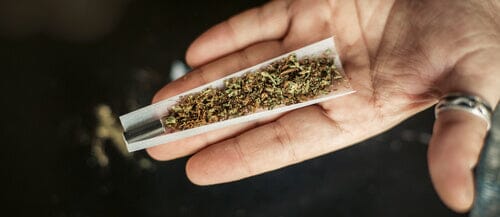
The simple act of rolling is, at its core, a deeply personal ritual, a quiet moment of creation before the final experience. For generations, the focus has been almost entirely on the quality of the contents, with the vessel—the rolling paper—seen as a purely functional, and ideally unnoticeable, component. Yet, a vibrant and flavorful revolution has been steadily transforming this landscape, inviting a new dimension of sensory exploration into the fold. This is the world of flavored rolling papers, a realm where the container becomes an active participant in the symphony of taste. It’s a shift from a monologue of a single flavor to a dynamic dialogue between the contents and the wrapper. Understanding this evolution is to appreciate a new art form, where customization and creativity aren't just possible, but celebrated, turning every session into a unique and curated journey for the palate.
Before the Flavor: The Genesis of the Rolling Paper
To fully grasp the impact of flavored rolling papers, it is essential to first travel back in time to appreciate the humble origins of the rolling paper itself. Its invention wasn’t a sudden stroke of genius, but a gradual evolution driven by necessity, resourcefulness, and the universal human desire for a better, more refined experience. The journey from rough-and-tumble improvisation to the specialized, high-quality papers we know today is a fascinating story that lays the groundwork for the flavor revolution that would follow. It is a history that underscores the constant quest for perfection in this simple yet profound ritual.
The story of the modern rolling paper begins not in a factory, but in the bustling port cities of 17th-Century Spain, particularly Alcoy. At this time, tobacco had been introduced from the Americas and was becoming increasingly popular. Cigars were the preferred method of consumption among the affluent, but the expensive, pre-rolled products were out of reach for the average worker. However, discarded cigar butts and loose scraps of tobacco were plentiful. Resourceful individuals began gathering these remnants, but they lacked an efficient way to smoke them.
The solution, it turned out, was right in front of them. The region of Alcoy was also a major hub for paper production. Workers began to notice that the large sheets of paper used for packaging and printing had thin, unused edges. They would take these scraps of paper—initially thick, crude, and often containing ink—to roll their salvaged tobacco. While far from perfect, this method was revolutionary. It democratized the act of smoking, making it accessible to all social classes. Word of this ingenious practice spread, and soon, the demand for dedicated, clean sheets of paper for rolling began to grow. Companies in Alcoy recognized the burgeoning market and began producing small booklets of unprinted paper specifically for this purpose, marking the official birth of the rolling paper industry.
The 19th Century and the dawn of the Industrial Revolution brought significant advancements to the world of rolling papers. Production became mechanized, allowing for greater consistency, thinner paper, and larger quantities. This was the era when iconic brands that are still recognized today began to emerge. In France, the Lacroix family, whose name would eventually be immortalized as the RizLa+ brand (a combination of "Riz" for rice, a key component of their paper, and "La+" for Lacroix), began to innovate. They pioneered the production of papers made from rice and later developed the practice of adding a gum Arabic strip for easier sealing, a feature that is now standard on nearly every rolling paper in the world.
This period saw a shift in the perception of rolling papers. They were no longer just a functional commodity, but a branded product associated with a certain level of quality and consistency. Smokers developed loyalties to specific brands based on factors like the paper's thickness, its burn rate, and its taste—or, more accurately, its lack of taste. The goal of these early manufacturers was to create a paper that was as neutral as possible, one that would burn cleanly and evenly without interfering with the flavor of the tobacco inside. This pursuit of neutrality was the reigning philosophy for over a century, establishing a baseline of quality that focused entirely on the paper's physical performance.
Now, the 20th Century and 21st Century have both witnessed an explosion of innovation in the materials used to create rolling papers. While traditional wood pulp remains a common base, a growing consciousness around sustainability and a desire for an even cleaner, more natural experience has led to a diversification of materials. This shift is critically important to the story of flavored papers, as the base material—the canvas—profoundly affects how flavor is perceived and delivered:
-
Hemp: The rise of unbleached, organic hemp papers has been a major development. Hemp is a sustainable crop that grows quickly without the need for harsh pesticides. As a rolling paper, it is prized for its slight earthy, sweet taste that many find complementary to natural herbs. It's a robust paper, easy to roll, and burns slowly and evenly.
-
Rice: Following in the tradition of RizLa+, rice paper has become a favorite among connoisseurs. Made from pressed rice fibers, these papers are incredibly thin, almost transparent. This thinness means they have a minimal impact on the flavor of the contents, producing very little ash. They are so neutral that they provide the perfect blank slate for the application of subtle, nuanced flavors.
-
Flax: Flax-based papers offer a happy medium. They are silky smooth to the touch, lightweight, and incredibly strong. Like rice paper, they are celebrated for their clean taste and slow, even burn, making them another excellent choice for flavor infusion.
-
Cellulose: A more modern and visually striking option is transparent cellulose paper. Made from plant fibers, these papers are not technically "paper" but a clear film. They offer a completely neutral taste and a unique aesthetic, allowing the user to see the contents inside.
This diversification in materials did more than just offer choice; it fundamentally changed the conversation around rolling papers. It moved from a singular focus on neutrality to a more nuanced understanding of how the paper itself can subtly interact with the smoking experience. This new appreciation for the paper as an active component, not just a passive wrapper, opened the door for the next logical step in customization and sensory enhancement: the direct infusion of flavor.
5 Ways Flavored Rolling Papers Enhance the Tobacco's or Herb's Taste That's Being Rolled Inside of Them
Knowing how flavored rolling papers work allows you to deliberately select a flavor profile that complements or contrasts with your tobacco or herb. This understanding is key to customizing your smoking experience, moving beyond the standard taste of the rolled contents alone. By influencing the overall flavor, these papers can significantly enhance the enjoyment and uniqueness of each smoke. Therefore, familiarity with their effects empowers you to achieve a more refined and personalized taste experience.
Way #1: The Culinary Connection - Direct Flavor Infusion and Pairing
The most direct and impactful way flavored rolling papers enhance the experience is through the simple, yet profound, act of introducing a new, complementary taste. This is not a random or overpowering addition but a carefully calibrated infusion that works in concert with the natural flavors of the tobacco or herb inside. By approaching the selection of a flavored paper with the same mindset as a chef pairing wine with a meal or a barista creating a signature coffee blend, the user can unlock new layers of complexity and enjoyment. This culinary connection transforms the act of rolling from a simple preparation into a creative art form, where every choice contributes to the final masterpiece of flavor.
The Science of Taste: How are Flavors Applied?
Before delving into the art of pairing, it's worth understanding the technology behind the taste. The process of flavoring a rolling paper is a delicate science designed to deliver a consistent and pleasant taste without compromising the paper's structural integrity or burn quality. Manufacturers have developed several sophisticated methods to achieve this.
The most common technique involves using food-grade, soy-based inks. The desired flavor profile is deconstructed into its core components and then infused into these specialized inks. This flavored ink is then printed onto the paper, often in a subtle pattern or design that is visually appealing. The soy base is crucial as it burns cleanly and evenly with the paper, releasing the flavor in a controlled manner.
Another popular method is a "triple-dip" or immersion system. In this process, the finished sheets of paper are literally dipped into a proprietary, food-grade flavor solution. This allows the flavor to permeate the fibers of the paper more deeply. The papers are dipped, allowed to dry, and then dipped again, sometimes up to three times, to create a rich, lasting taste that is present from the first touch on the lips to the final moments of the smoke. The gum strip is typically left unflavored or given a complementary sweet taste to enhance the sealing experience. These methods ensure that the flavor is not just a superficial coating but an integral part of the paper itself.
The Art of the Complement: How a Strawberry Paper Lifts an Earthy Blend
The true magic of a flavored paper lies in its ability to complement and elevate the existing flavor profile of the material being rolled. It’s a principle of taste dynamics: certain flavors, when combined, create a sum that is greater than their individual parts. A classic example is the pairing of a sweet, fruity paper with a blend that has deep, earthy, or musky undertones.
Consider a strawberry-flavored paper. On its own, it offers a bright, sweet, and slightly tart sensation. When this is wrapped around an earthy herb, a beautiful synergy occurs. The sweetness of the strawberry cuts through the rich, heavy notes of the herb, preventing the palate from becoming fatigued. The bright fruitiness acts as a high note, lifting the entire flavor profile and adding a layer of freshness. It doesn't erase the herb's natural taste; it frames it, making the earthy characteristics seem richer and more profound by providing a point of contrast. The resulting experience is more balanced, vibrant, and engaging, much like how a squeeze of lemon can brighten up a savory dish.
Beyond the Obvious: Exploring Complex Pairings
While classic fruit pairings are a great starting point, the vast array of available flavors allows for incredibly sophisticated and complex combinations for the more adventurous palate. The key is to think about the underlying notes, like these ones for instance, of both the paper and the contents:
-
Tropical Harmony: A blend with citrusy or piney notes can be beautifully enhanced by a mango or pineapple-flavored paper. The tropical sweetness of the paper harmonizes with the bright, zesty character of the herb, creating a cohesive and immersive tropical experience. It's a pairing that feels sunny, vibrant, and full of bliss.
-
Decadent Dessert: For richer, spicier blends that might have notes of coffee or clove, a chocolate or vanilla-flavored paper can be a revelation. The creamy, sweet notes of the vanilla bean paper can soften any harsh edges and add a layer of dessert-like decadence. A dark chocolate paper can amplify the deep, roasted notes, creating a profoundly rich and satisfying mocha-like experience.
-
Spiced and Soothing: During colder months, a cinnamon or spiced apple paper can introduce a warming, comforting element. When paired with a mellow, woody herb, the result is a soothing and aromatic experience that evokes feelings of coziness and relaxation.
These pairings demonstrate that flavored papers are not a gimmick but a tool for flavor architecture. They allow the user to act as a mixologist for their own senses, building a customized flavor profile that is perfectly tailored to their mood, the specific qualities of their blend, and the occasion.
The Aromatic Contribution: Flavor on the Nose and Lips
The enhancement provided by a flavored paper begins long before the smoke is ever inhaled. The sensory journey starts the moment the paper is handled. The subtle aroma that wafts from the packaging provides an aromatic preview of the experience to come. This is particularly true during the act of sealing the paper. The lick-to-seal moment, when the flavor on the gum strip and the paper itself makes direct contact with the tongue, is a powerful and often overlooked part of the ritual.
A high-quality flavored paper will deliver a burst of its intended taste at this stage—a sweet grape, a zesty lemon, a creamy coconut. This initial taste primes the palate for what is to come, building anticipation and adding a layer of interactive enjoyment to the preparation process. Furthermore, the flavor often lingers pleasantly on the lips, meaning that each draw is preceded and followed by this gentle, sweet reminder of the chosen flavor. This multi-stage flavor delivery system ensures that the enhancement is not just a component of the smoke itself, but an integral part of the entire experience, from the first touch to the final, lingering taste.
Way #2: The Velvet Veil - Masking Harshness and Smoothing the Draw
Beyond the creative realm of flavor pairing, flavored rolling papers serve an eminently practical purpose: they can significantly smooth out and soften an otherwise harsh smoking experience. Every enthusiast has, at some point, encountered tobacco or herb that is overly dry, a bit astringent, or simply produces a hot, aggressive smoke that can be tough on the throat and lungs. In these situations, a flavored paper acts as a "velvet veil," a mellowing agent that can tame these rough edges, making the experience far more pleasant, accessible, and enjoyable without compromising the integrity of the material inside.
Taming the Fire: How Flavor Can Mitigate Astringency
Astringency in smoke is that sharp, sometimes acrid sensation that can cause an involuntary cough or a raw feeling in the back of the throat. It’s often a result of the specific chemical compounds in the plant material or the way it was cured. This is where the inherent sweetness of most flavored papers plays a crucial role based on fundamental principles of taste perception. Our palates are wired to find sweetness inherently soothing. When a sweet flavor—be it cherry, vanilla, or blueberry—is introduced, it provides a powerful counterbalance to the harsh, bitter, or astringent notes.
This isn't just about covering up an unpleasant taste; it's about creating a more balanced sensory input. The sweetness actively mellows the perception of harshness, making the smoke feel rounder and fuller in the mouth. It's similar to how a dash of sugar can temper the acidity in a tomato sauce or how honey can soothe a sore throat. The flavor-infused smoke coats the palate with a pleasant character, effectively running interference for the more aggressive elements of the blend. This allows the user to appreciate the desirable underlying flavors of their material without the distracting and uncomfortable harshness.
The Case of Drier Blends: A Second Life for Your Material
Proper humidity is key to a smooth smoke, but sometimes, material can become overly dry due to improper storage or simply age. Dry material tends to burn much hotter and faster than is ideal. This rapid combustion doesn't allow the material to smolder properly, resulting in a thin, hot, and often harsh smoke. Flavored rolling papers can be a remarkably effective tool for salvaging such a situation.
Firstly, the papers themselves are manufactured to burn at a slow, controlled rate. This forces the drier material inside to burn more slowly than it would in a standard, ultra-thin paper, leading to a cooler, denser, and more flavorful smoke. Secondly, the robust flavor of the paper adds moisture and body to the perceived experience. A juicy watermelon or peach flavor can create the sensation of a more hydrated, luscious smoke, compensating for the dryness of the contents. It’s a sensory illusion, perhaps, but a highly effective one. It can transform a blend that might have been considered past its prime into a perfectly enjoyable, smooth, and flavorful session, preventing waste and ensuring a pleasant experience.
The Psychological Soother: The Perception of Smoothness
The power of suggestion and sensory association plays a significant role in how we perceive things, and taste is no exception. The brain is conditioned to associate certain flavors and aromas with specific sensations. The aroma of menthol, for example, is almost universally associated with a feeling of coolness and relief, even if the actual temperature has not changed. Similarly, creamy and sweet flavors like vanilla, caramel, or marshmallow are psychologically linked with softness, richness, and comfort.
When you use a paper with one of these flavors, your brain is already primed to expect a smoother, gentler experience. As you taste the creamy vanilla or feel the perceived coolness of a mint-flavored paper on your lips and palate, this expectation is reinforced. This psychological effect works in tandem with the physical mellowing properties of the flavor. The mind interprets the pleasant, familiar taste as a sign of quality and smoothness, which in turn causes you to perceive the smoke itself as being less harsh. It's a powerful synergy between physical sensation and mental expectation that results in a genuinely more relaxed and chilled-out experience.
From Menthol to Marshmallow: A Spectrum of Softness
The variety of flavors available offers a full spectrum of smoothing properties, allowing users to choose the specific type of softness they desire. This goes beyond a simple sweet versus non-sweet dichotomy:
-
Cooling Flavors: Mint, menthol, and other variations like "ice" or "polar blast" provide a distinct cooling sensation. This is particularly effective at masking heat and providing a crisp, clean finish. It can make a heavy, dense smoke feel lighter and more refreshing, almost cleansing the palate with each draw.
-
Creamy Flavors: Vanilla, chocolate, cake batter, and marshmallow flavors provide a different kind of smoothness. They create a sense of richness and body. This "creamy" character coats the palate, creating a velvety mouthfeel that buffers against any sharp notes in the smoke. The experience is one of decadent comfort.
-
Juicy Flavors: Fruit flavors like grape, blueberry, and mango offer a "juicy" smoothness. The vibrant, sweet, and slightly tangy character of these papers creates a sensation of moisture and freshness. This is especially effective for combating the feeling of a dry or dusty smoke, making it feel more alive and palatable.
By understanding this spectrum, a user can select not just a flavor they enjoy, but a functional tool to specifically address the shortcomings of a particular blend, ensuring that every roll can be tailored for maximum smoothness and enjoyment. The flavored paper becomes a problem-solver, a reliable way to guarantee a quality experience every time.
Way #3: The Gateway to Adventure - Novelty and Experiential Enhancement
Humans are, by nature, seekers of novelty. We are drawn to new experiences, new tastes, and new ways to engage our senses. In the context of a personal ritual like rolling, which can sometimes become routine, flavored papers serve as a powerful catalyst for adventure and experiential enhancement. They offer an accessible and ever-changing way to break the monotony, curate specific moods, and transform a solitary act into a shared social event. This element of novelty is not merely a superficial thrill; it is a fundamental way of keeping the experience fresh, exciting, and continually engaging, turning each session into a unique journey of discovery.
Breaking the Monotony: Curating a New Experience Every Time
For the regular enthusiast, it's easy to fall into a comfortable routine: the same type of paper, the same blend, the same ritual. While there is comfort in familiarity, it can also lead to a kind of sensory fatigue, where the nuances of the experience begin to dull over time. Flavored rolling papers are the perfect antidote to this monotony. With hundreds of flavors available, from simple fruits to complex cocktail-inspired creations, the possibilities are virtually endless.
This variety empowers the user to become the curator of their own experience. One day might call for the bright, zesty kick of a lemon-lime paper to awaken the senses. The next might be better suited to the deep, contemplative sweetness of a honey-flavored paper. This simple choice can fundamentally alter the character of the session, making it feel new and exciting each time. It encourages mindfulness, prompting the user to pause and consider what kind of experience they want to have. This act of conscious selection breaks the cycle of automatic repetition and re-infuses the ritual with a sense of intention and discovery.
Themed Sessions and Mood Setting
Flavored papers are a brilliant tool for mood setting and creating themed experiences. The power of scent and taste to evoke specific feelings and environments is profound. By selecting a paper that aligns with a particular mood, season, or occasion, the user can create a more immersive and memorable session:
-
Summer Escape: On a warm summer day, choosing a pineapple, coconut, or mango-flavored paper can instantly transport the senses to a tropical beach. The sweet, exotic flavor profile complements the sunny weather and can evoke a feeling of vacation-like bliss and relaxation.
-
Cozy Winter Evening: During the colder months, a paper flavored like cinnamon, coffee, or even chocolate chip cookie can create a warm, cozy, and comforting atmosphere. These flavors are associated with warmth and indulgence, making them the perfect accompaniment to a quiet evening indoors.
-
Celebratory Moments: For a birthday or special occasion, a "birthday cake" or "cotton candy" flavored paper can add a fun, festive, and whimsical element to the celebration. It’s a small detail that shows thoughtfulness and adds to the joyful spirit of the event.
This ability to theme a session elevates the rolling paper from a mere accessory to an integral part of the ambiance. It allows the experience to be tailored not just to the palate, but to the entire emotional and environmental context, making it richer and more meaningful.
The Social Catalyst: A Conversational Centerpiece
In a social setting, flavored papers can be a fantastic icebreaker and a catalyst for connection. Pulling out a standard pack of papers is unlikely to elicit much of a reaction. However, presenting a pack of vibrant, interestingly named papers—like "Jamaican Rum," "Blueberry Blast," or "Absinthe"—immediately sparks curiosity and conversation. It becomes a shared point of interest.
Friends will want to know what it smells like, what it tastes like, and where it came from. This simple act can transform a routine social ritual into a more interactive and memorable shared experience. It encourages experimentation and a sense of communal discovery as the group debates which flavor to try and shares their opinions on the taste. The paper itself becomes a centerpiece of the social interaction, adding a layer of fun, novelty, and lighthearted debate to the gathering. This shared exploration of new flavors can strengthen bonds and create lasting, positive memories associated with the experience.
The Collector's Mindset: The Joy of Discovery and Variety Packs
The sheer variety of flavored papers has given rise to a "collector's mindset" among many enthusiasts. Much like craft beer aficionados who are always on the hunt for the latest seasonal brew or limited-edition release, users of flavored papers often take great joy in seeking out and trying new and exotic options. Brands frequently release new flavors, limited editions, and variety packs, encouraging this culture of discovery.
This pursuit of "what's new" is an enjoyable hobby in its own right. It keeps the user engaged with the culture and the market, always on the lookout for a new favorite. Variety packs are particularly popular, as they offer a curated selection of different flavors to try without having to commit to a full pack of each. This allows for a low-risk, high-reward exploration of the brand's offerings. This collector's impulse adds an extra layer of enjoyment to the entire lifestyle. The fun is not just in the final smoke, but in the hunt for the perfect paper, the anticipation of trying a new flavor, and the satisfaction of adding another unique experience to one's repertoire.
Way #5: The Scent of Memory - Aroma, Association, and the Proustian Effect
Perhaps the most subtle, yet profoundly powerful, way that flavored rolling papers enhance the experience is by tapping into the deep, neurological connection between scent, emotion, and memory. Known as the "Proustian effect," named after author Marcel Proust who famously wrote of a flood of childhood memories triggered by the taste of a madeleine cookie, this phenomenon is a cornerstone of our sensory lives. The flavors and aromas of the papers we choose become more than just fleeting sensations; they act as powerful anchors, capable of creating, reinforcing, and instantly recalling specific memories and emotional states. This transforms a simple smoke into a deeply personal and resonant experience.
The Neurological Link: How Scent Bypasses Logic and Hits Emotion
To understand why this effect is so potent, one must look at the brain's architecture. The olfactory bulb, which processes smells, has a uniquely direct and intimate connection to two critical areas of the brain: the amygdala, which is the primary center for emotional processing, and the hippocampus, which is essential for learning and memory formation. Unlike our other senses (sight, sound, touch), which are first routed through the thalamus (the brain's logical switchboard), information from our nose takes a direct superhighway to our emotional and memory centers.
This is why a particular scent—like freshly cut grass, a specific perfume, or baking bread—can instantly transport you back in time to a specific moment or feeling, often with startling clarity and emotional force. Flavored rolling papers, with their distinct and recognizable aromas, leverage this powerful neurological pathway. The scent of a grape-flavored paper doesn't just register as "grape"; it can connect to a web of associated feelings and memories, creating an experience that is far richer than the sum of its parts.
Crafting Personal Rituals: Watermelon in Summer, Cinnamon in Winter
This deep connection between scent and memory allows users to intentionally craft powerful personal rituals. By consistently using a specific flavor during a particular time or in a particular context, you are actively building a strong sensory association. For instance, you might choose to exclusively use a juicy watermelon-flavored paper during the warm months of summer. Over time, that specific sweet, fruity aroma will become inextricably linked with the feelings of long, sunny days, outdoor activities, and the relaxed bliss of the season.
Then, one cold, gray day in the middle of winter, choosing that same watermelon paper can act as a powerful sensory trigger. The moment that aroma hits your nose, it can evoke the stored emotional resonance of summertime, providing a momentary, blissful escape. Similarly, reserving a cinnamon or clove-flavored paper for the holiday season can permanently entwine that spicy, warm aroma with feelings of festive joy and cozy contentment. This practice of "scent-scaping" your life allows you to use flavored papers as a tool to intentionally summon desired emotional states, adding a profound layer of personal meaning to the ritual.
Nostalgia in a Roll: Evoking Childhood Memories
Many of the most popular flavors for rolling papers are directly inspired by the candies, drinks, and desserts of our youth. Flavors like bubblegum, cotton candy, root beer, and cherry cola are not just sweet; they are potent vessels of nostalgia. These are scents and tastes that, for many people, are deeply embedded in positive, carefree memories from childhood.
Choosing a bubblegum-flavored paper can do more than just add a sweet taste. For a fleeting moment, it can evoke the feeling of being a kid again, chewing a piece of gum without a care in the world. This nostalgic resonance adds a layer of comforting, cheerful innocence to an adult ritual. It creates a unique emotional juxtaposition—a blend of present-day relaxation and past-day simplicity. This ability to tap into the wellspring of positive childhood memories can make the experience feel more comforting, lighthearted, and uniquely joyful. It's a small dose of time travel, delivered through a simple, aromatic paper.
Building New Memories: The Flavor as an Anchor
Just as flavors can recall old memories, they can also serve as powerful anchors for creating new ones. When embarking on a special experience—a memorable vacation, a landmark concert, or a significant camping trip—you can choose a unique and distinctive flavored paper to use exclusively during that event. Let's say you choose a "Jamaican Rum" paper for a beach vacation. The unique combination of sweet, spicy, and tropical notes will become the sensory signature of that trip.
Months or even years later, when you use that same Jamaican Rum paper again, the aroma will act as a key, unlocking the memories and feelings of that vacation. You might recall the sound of the waves, the feeling of the sun, and the overall sense of peace and happiness you experienced. The flavor becomes a permanent souvenir, a reliable way to revisit the positive emotions of your most cherished moments. In this way, the flavored paper is not just an enhancement for the present session; it is an investment in future nostalgia, a tool for bottling the essence of your best experiences.
Way #5: Beyond the Burn - Shaping the Ambient Aroma and Aftertaste
The influence of a flavored rolling paper does not end when the session is over. In fact, some of its most significant and appreciated benefits are realized in the final stages of the experience: the lingering taste on the palate and, crucially, the aroma that remains in the air. The choice of paper can fundamentally transform this "olfactory footprint", shaping the after-effects of the smoke in a way that is more pleasant for both the user and those around them. This comprehensive, multi-sensory enhancement ensures that the positive experience extends well beyond the final draw.
Redefining the Room Note: Creating a More Pleasant Environment
The term "room note" is often used in the world of pipe tobacco to describe the scent that lingers in a room after a smoke. It's a critical aspect of the experience, as it's the aroma that others, and the user upon re-entering the space, will perceive. The smoke from standard papers, when combined with tobacco or herbs, can produce a pungent, acrid, and often heavy aroma that clings to fabrics and can be unpleasant for non-participants.
Flavored rolling papers dramatically alter this equation. The combustion of the flavor-infused paper releases a secondary layer of aroma into the air. Instead of a room smelling generically of smoke, it now carries distinct and often delightful undertones. The heavy, sharp smell is softened and reshaped by notes of vanilla, cherry, grape, or peach. This doesn't eliminate the primary smell, but it significantly mellows it and makes it far more agreeable. A room where a blueberry-flavored paper was used will have a faint, sweet, fruity note that is infinitely more pleasant than a stale, smoky odor. This is a massive benefit for those who smoke indoors or who are conscious of the comfort of their housemates, partners, or neighbors.
The Lingering Finish: The Flavor on Your Palate
A high-quality culinary experience is often judged by its "finish"—the aftertaste that remains once the food or drink has been swallowed. The same principle applies here. A well-crafted flavored paper provides a pleasant and lasting finish that extends the enjoyment of the session. Long after the smoke has been exhaled, a subtle hint of the paper's flavor can often be detected on the tongue and lips.
This lingering sweetness provides a gentle, enjoyable conclusion to the ritual. Instead of being left with a dry, ashy, or bitter aftertaste that might compel you to immediately reach for a drink or a piece of gum, you are left with the faint, pleasant echo of strawberry, honey, or whatever flavor you chose. It’s a small detail, but it contributes to a feeling of a more complete and polished experience. It’s the final, satisfying note in the sensory symphony, ensuring the journey ends on a high point and the positive sensations endure.
The Olfactory Footprint: Less Harshness on Clothes and Surroundings
One of the most common downsides of smoking is the way the harsh smell of smoke can permeate hair, clothing, and furniture. This "third-hand smoke" odor is something many people are sensitive to and actively dislike. The aromatic compounds released by flavored papers can help to mitigate this issue significantly. The sweet and fruity molecules that create the pleasant room note also settle on surfaces, including fabrics.
While it won't eliminate the smell of smoke entirely, it can act as a powerful deodorizing agent. The lingering scent on a jacket or in your hair is less likely to be purely acrid and more likely to carry a hint of the pleasant flavor you used. The sweetness can help to neutralize and mask the harsher odors, resulting in a much less intrusive and more socially acceptable olfactory footprint. This makes the transition from a personal session back into a shared or public space a much smoother and more considerate process.
A Multi-Sensory Finale: The Complete Experience
Ultimately, this final benefit ties all the others together. The enhancement provided by a flavored rolling paper is not a single, isolated effect but a holistic improvement of the entire sensory arc of the experience. It begins with the aromatic promise when you open the pack, continues with the initial taste on the lips during the roll, shapes the flavor and smoothness of every draw, and concludes with a pleasant finish on the palate and a more agreeable aroma in the environment.
This comprehensive, beginning-to-end enhancement is what truly sets the experience apart. It demonstrates a level of thoughtfulness and curation that goes beyond the basics. By paying attention to the after-effects—the lingering taste and the ambient scent—the user shows a commitment to a higher quality, more refined ritual. It completes the journey, ensuring that the feelings of enjoyment, relaxation, and sensory delight persist long after the embers have faded.
The Art of Personalized Taste Can Be Experienced in Numerous Ways
In the end, the choice to use a flavored rolling paper is an embrace of personal expression. It is a declaration that a ritual need not be static or monotonous but can instead be a vibrant canvas for sensory exploration. These flavorful sheets are more than just a delivery system; they are an instrument of curation, allowing each individual to compose a unique experience tailored precisely to their mood, their palate, and their moment. They transform the simple act of rolling into a deliberate art of pairing and personalization, adding a final, masterful flourish to the creation. The true enhancement, therefore, lies not just in the added taste, but in the power of choice and the endless possibilities for discovery that turn a familiar process into a perpetually new adventure.
Share:
What Defines a True Artisan Cigar?
How are Some Cigars Able to Add in a Bourbon or Rum Flavor?