
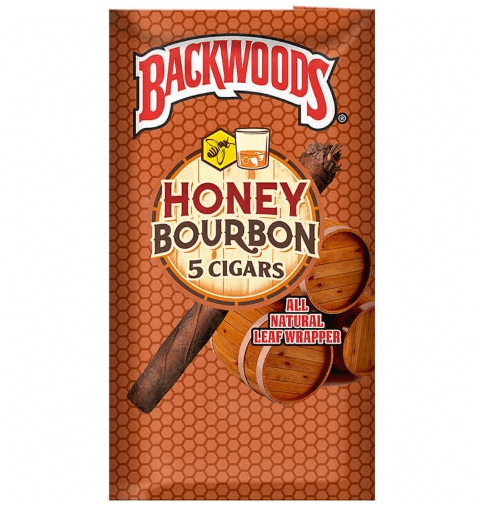
The ritual of pairing a fine cigar with a glass of aged spirit is a time-honored tradition, a sensory duet where two distinct worlds of craft and flavor converge. The deep, oaky sweetness of a quality bourbon or the rich, molasses-kissed warmth of a dark rum can beautifully complement the earthy, spicy, and complex notes of a premium hand-rolled cigar. This experience is a conversation between two separate, finished products. However, a growing and fascinating category of cigars takes this relationship a step further, internalizing the dialogue by infusing the very essence of the spirit into the tobacco leaf itself. This immediately sparks curiosity and a touch of skepticism: how is this remarkable fusion accomplished without creating a cloying or artificial novelty? The answer lies in a sophisticated and patient process, an alchemical marriage of agriculture and distillation that is far more complex and artful than one might ever imagine.
Understanding the Cigar's Canvas
Before any drop of spirit or whisper of its essence can grace a tobacco leaf, we must first pay reverence to the leaf itself. A premium cigar is not a blank slate or a simple delivery system for an added flavor; it is a complex, flavorful, and meticulously crafted product in its own right. Understanding the character of the base cigar is the absolute prerequisite to appreciating how the addition of a spirit’s profile can either elevate it to new heights or upset its delicate balance. The choice of tobacco, its inherent qualities, and the blender's intent form the foundational canvas upon which the spirit notes will be painted. Without a masterpiece of a canvas to begin with, no amount of flavorful paint can create a work of art.
A Primer on Premium Tobacco: The Journey from Soil to Soul
What separates a premium cigar from a mere bundle of tobacco is a long and arduous journey of cultivation, curing, fermentation, and aging that can span the better part of a decade. It all begins with specific, highly-prized varietals of the Nicotiana tabacum plant. These are not commodity crops but are treated with the same reverence as wine grapes, grown in select microclimates with unique soil compositions—a concept known as terroir. The fertile, often volcanic, soils of regions like Estelí in Nicaragua, the Cibao Valley in the Dominican Republic, or the Jamastran Valley in Honduras impart distinct characteristics to the tobacco grown there.
The cultivation itself is incredibly labor-intensive. The plants are tended by hand, and the leaves are harvested in a painstaking process called priming. Instead of chopping down the whole plant at once, skilled farmers move up the stalk over several weeks, picking only a few leaves at a time as they reach their individual peak of ripeness and oil production. These delicate leaves are then transported to specially constructed curing barns, where they are strung up to air-dry for 45 to 60 days. During this critical curing phase, the leaves slowly transition from a vibrant green to shades of yellow and eventually brown as they shed up to 80% of their water content. This is not just a drying process; it is a chemical transformation where starches convert to sugars, and the harsh chlorophyll breaks down, beginning the development of flavor.
Following curing, the now-brown leaves undergo the magical and essential process of fermentation. The leaves are carefully arranged into large, tightly packed piles known as pilones or bulks. The immense pressure and residual moisture within these piles generate heat, triggering a natural, slow-composting fermentation. This process, which can be repeated multiple times over several years, is what truly develops the deep, complex, and refined flavors that aficionados cherish. It works to mellow the tobacco, systematically releasing harsh and bitter compounds like ammonia while unlocking the nuanced and desirable notes of cedar, leather, dark chocolate, roasted coffee, nuts, and a wide spectrum of spices. Master growers meticulously monitor the temperature of these pilones with their bare hands, deconstructing and reconstructing them whenever they reach a specific heat to ensure a perfect, even fermentation. This entire investment of time and labor is what creates the rich, balanced, and soulful flavor profile that serves as the heart of the cigar.
The Blender's Palette: The Art of Matching Leaf to Spirit
With a vast library of perfectly aged tobaccos at their disposal, the master blender approaches the task of creating a spirit-enhanced cigar like a master chef designing a multi-course menu. Every element must be considered for its individual character and its potential for synergy with the other components, chief among them the chosen spirit. The goal is to create a harmonious chord, not a cacophony of competing flavors. The inherent profile of the tobacco blend—its strength, body, and specific tasting notes—must be meticulously matched with the unique character of the bourbon or rum. A delicate, nuanced spirit requires an equally elegant tobacco, while a bold, powerful spirit needs a robust tobacco blend that can stand its ground as an equal partner without being overshadowed or muted.
Let us consider the specific challenge of infusing the character of a famously smooth, wheated bourbon, one known for its gentle sweetness and prominent notes of vanilla, caramel, and soft oak. For such a spirit, the blender might select a silky, golden-hued Connecticut Shade wrapper, grown under cheesecloth tents to protect it from direct sun, which results in a thin, elastic leaf with a mild body and subtle notes of cedar, toasted almonds, and cream. For the binder and filler, a blend of aged Olor and Piloto Cubano tobaccos from the Dominican Republic would be an ideal choice. These tobaccos are prized for their exceptional smoothness, perfect combustion, and gentle, nutty flavor profile. In this carefully constructed pairing, the bourbon’s signature sweetness and vanilla notes would not have to fight for attention. Instead, they would beautifully complement the creamy texture and nutty undertones of the tobacco, creating an integrated, elegant, and deeply relaxing experience.
Now, imagine the opposite challenge: creating a cigar to house the essence of a dark, funky, pot-stilled Jamaican rum, a spirit bursting with the powerful, wild notes of molasses, brown sugar, overripe banana, and other tropical fruit esters. To pair this with the aforementioned mild blend would be a colossal failure; the rum’s aggressive profile would completely obliterate the delicate tobacco. A skilled blender would recognize the need for a far more robust and assertive combination. For the wrapper, they might reach for a dark, oily, and toothy Connecticut Broadleaf Maduro. This leaf is grown in the open sun and stalk-cut, resulting in a thick, rugged leaf that, after a long fermentation, develops a profound natural sweetness with notes of black cherry, dark chocolate, and rich earth. The filler would require tobaccos of equal power, perhaps a potent blend of ligero leaves from the volcanic soils of Estelí, Nicaragua, and viso from the Jalapa Valley. These tobaccos are known for their immense strength and bold flavors of black pepper, espresso, and dark soil. Here, the rum and tobacco can engage in a dynamic and exhilarating dance. The tobacco's spicy, rich profile provides a sturdy and complex counterpoint to the rum's assertive sweetness, resulting in a powerful, full-bodied, and multi-layered smoke designed for a more adventurous and experienced palate.
The Alchemist's Dream: The Philosophy of Spirit Enhancement
The practice of adding external flavors to tobacco is by no means a modern invention, but its application within the exclusive world of premium, long-filler cigars has undergone a dramatic and sophisticated evolution. The guiding philosophy behind today's high-end, spirit-enhanced cigars is a world away from the heavily sweetened, artificially flavored cigarillos of the past. It is a pursuit deeply rooted in the same core principles of balance, complexity, and uncompromising quality that govern the creation of the world's most revered traditional, non-flavored cigars. This is a deliberate and artistic quest to discover what new sensory dimensions can be unlocked when two distinct worlds of artisanal craft are allowed to merge and interact. It is a process that requires both a deep respect for the traditions of cigar making and a bold willingness to embrace thoughtful innovation.
A Brief History and Evolution of Flavored Cigars
The idea of adding flavor to tobacco has been around for centuries, almost as long as tobacco has been consumed. Pipe smokers, in particular, have long enjoyed tobaccos cased with a wide variety of aromatic agents, from cherry, vanilla, and licorice to whiskey and rum, a practice that helped make the smoke smoother and more pleasant. Early cigars and other rustic tobacco products were often treated with local sweeteners like honey or molasses, or spices, to make them more palatable or to create a unique regional product. However, for the vast majority of the 20th century, the burgeoning world of premium, hand-rolled cigars remained staunchly traditionalist. The purist ethos prevailed, and any flavor additions were widely viewed as a gimmick, a crude method used to mask the taste of inferior, low-grade tobacco. The focus was purely on the puro, a cigar made with tobaccos sourced from a single country of origin, or on complex international blends that showcased the unadulterated, natural beauty of the aged leaf.
The cultural shift began in the late 1990s and early 2000s, during the turbulent period that followed the massive American cigar boom. As the market settled, a new wave of innovative and iconoclastic cigar makers began to challenge the old dogmas. They started experimenting with high-quality infusions, moving far beyond simple sweetening agents and into the realm of complex botanicals, exotic spices, premium coffees, and, of course, high-end spirits. Crucially, they approached this process not as a way to cover up flaws, but as a way to create an entirely new and legitimate smoking experience. By using top-tier, well-aged, long-filler tobacco as their non-negotiable base and employing increasingly sophisticated infusion techniques, they successfully demonstrated that a "flavored" cigar could indeed be a premium, complex, and deeply satisfying smoke worthy of a connoisseur's humidor. This paradigm shift carved out a permanent and respected niche in the market, paving the way for the highly refined, meticulously crafted, spirit-enhanced cigars we see today.
The Pursuit of Harmony Over Dominance: A Culinary Analogy
The core philosophy that separates a truly premium spirit-enhanced cigar from a cheap, one-dimensional imitation is the relentless pursuit of harmony. The ultimate objective is not to create a smokeable shot of bourbon or a tobacco-wrapped rum cocktail. The objective is to create a fantastic cigar that has been elevated, complemented, and made more complex by the carefully integrated essence of a fantastic spirit. The natural, multi-layered flavor of the aged tobacco must always remain recognizable, its unique character shining through as the primary driver of the smoking experience. The added spirit notes are cast in a crucial supporting role, intended to complement, elevate, and weave new threads of complexity into the tobacco’s existing profile.
A useful analogy can be found in the world of high-end cuisine. Imagine a master chef preparing a dish of perfectly seared, prime-grade A5 Wagyu beef. The beef, with its incredible marbling and rich flavor, is the undisputed star. The chef might create a delicate red wine reduction sauce to accompany it. The sauce is not there to hide or overpower the taste of the exquisite beef; it is there to cut through its richness with a touch of acidity and add a layer of fruity, oaky complexity that makes the entire dish more balanced and memorable. The same principle applies here. The vanilla and toasted oak notes from a bourbon barrel should not be a thick blanket smothering the earthy spice of a Nicaraguan leaf. They should merge with it seamlessly, creating a new, integrated flavor that one might describe as "bourbon-kissed spicy earth." When you smoke one of these masterfully crafted cigars, it should be difficult to precisely pinpoint where the tobacco flavor ends and the spirit flavor begins. This seamless, elegant integration is the hallmark of a truly successful infusion and the ultimate, singular goal of the modern blender.
The Noble Method: Deep Inside the Spirit Barrel
When it comes to infusing cigars with the authentic, nuanced, and profound character of bourbon or rum, no method is as revered, patient, or alchemical as barrel-aging. This technique is the absolute pinnacle of the craft, borrowing a page directly from the distillers’ own sacred playbook. It leverages the very same wooden vessel that gives bourbon and rum their distinctive color, their rich aroma, and a significant portion of their complex character: the mighty oak barrel. This process is not a quick infusion or a superficial coating but a long, slow, and intimate courtship between the tobacco leaf and the spirit-soaked wood. In this method, the barrel is not merely a passive container; it is an active, breathing participant in the process, a crucible of transformation that gently and patiently imparts its long and flavorful history into the very cellular structure of the tobacco. The resulting flavors are not sharp or superficial but are deeply integrated, remarkably subtle, and profoundly complex, a true reflection of the immense time and patience invested in their creation.
The Living Cask: The Science of Oak, Char, and Time
To fully comprehend why barrel-aging is so uniquely effective, one must first appreciate the remarkable and dynamic properties of the oak barrel itself. By federal law, for a spirit to be legally designated as bourbon, it must be aged in new, charred American white oak casks. This seemingly simple specification is the secret to bourbon’s signature flavor profile. The properties of this specific type of wood are extraordinary. Oak is composed of several key chemical compounds: cellulose, which provides the wood's structural integrity; hemicellulose, which are effectively wood sugars; and lignin, a complex organic polymer that binds the cellulose fibers together and adds rigidity. When the inside of the barrel is toasted and then heavily charred with an open flame, these compounds undergo a process of thermal degradation that unlocks a veritable treasure trove of flavor. The intense heat caramelizes the hemicellulose, a process which creates the foundational notes of toffee, brown sugar, maple, and butterscotch. Simultaneously, it breaks down the complex lignin into a variety of simpler, aromatic compounds, most notably vanillin, which is the primary chemical component of natural vanilla. The char itself creates a porous layer of carbon that acts as a natural charcoal filter, adsorbing sulfur compounds and smoothing out the harshness of the newly distilled spirit, while also allowing the spirit to interact with the critical "red layer" of caramelized sugars that lies just beneath the char.
Over the many years that the bourbon rests in this barrel, the liquid and the wood engage in a continuous, breathing relationship. In the warmer summer months, the spirit expands, pushing deep into the staves of the wood and absorbing these myriad flavorful compounds. In the cooler winter months, it contracts, pulling those extracted compounds back out into the main body of the liquid. This cyclical process is what ages the spirit. When the bourbon is finally dumped from the barrel, the wood of the staves is deeply and permanently impregnated with these complex molecules and the very essence of the whiskey it has held for years. The barrel becomes a living, breathing record of its history, saturated with the potential for a glorious second life: aging premium tobacco.
A Tale of Two Barrels: Bourbon vs. Rum and Beyond
While bourbon barrels are highly prized for this process due to their first-use intensity, rum barrels offer a different but equally compelling flavor profile. Many rum producers, particularly in the Caribbean and Latin America, choose to age their spirit in used bourbon barrels. This means the barrel has already undergone the transformative process of aging American whiskey. When this ex-bourbon barrel is then filled with a sugarcane-based distillate, a new chapter of flavor development begins. The rum interacts with the bourbon-soaked wood, picking up some of its foundational vanilla, caramel, and oak character while simultaneously imparting its own unique signature deep into the staves. Rum, as a sugarcane product, develops a completely different set of esters and congeners during its fermentation and aging, often resulting in powerful notes of molasses, demerara sugar, tropical fruits like banana and pineapple, and a distinct, lingering sweetness.
By the time a rum barrel is finally emptied, it contains a beautifully layered and complex history—a foundational chord of American oak and bourbon, overlaid with years of tropical aging and sugarcane spirit. A cigar aged in such a barrel will therefore absorb a sweeter, fruitier, and often richer profile than one aged in a first-use bourbon cask. The choice of barrel is therefore a critical decision that will fundamentally shape the final character of the cigar, and the possibilities are endless. Ambitious blenders are now experimenting with an even wider array of casks, including those that previously held sherry, port, cognac, and even craft beers, each offering a unique and exciting palette of potential flavors to impart into the tobacco.
How Tobacco Breathes in the Ghost of the Spirit
The actual process of aging the tobacco is deceptively simple in its concept but requires immense patience and precision in its execution. Large quantities of meticulously fermented and aged tobacco leaves, typically the flavorful filler or sturdy binder leaves, are carefully placed inside the recently emptied spirit barrels. It is crucial that the barrels are received and filled quickly after being emptied to ensure the precious, volatile aromatic compounds trapped deep within the wood do not have a chance to dissipate into the atmosphere. Once filled with tobacco, the barrels are sealed and stored in a climate-controlled warehouse, often for a period ranging from six months to two years, and sometimes even longer.
What happens next is a slow, gentle, and entirely natural atmospheric exchange. It is critical to understand that no liquid is ever poured onto the tobacco. Instead, the naturally hygroscopic nature of the leaves does all of the work. Tobacco leaves are like organic sponges; they constantly seek to find moisture equilibrium with their surrounding environment. As the ambient temperature and humidity in the warehouse subtly change with the seasons, the barrel and the tobacco inside it continue to "breathe." The spirit-soaked wood expands and contracts, causing it to slowly "exhale" the volatile aromatic compounds it has held for years—the vanillin, the caramelized sugar molecules, the fruity esters, and the faint, sweet top notes of the original spirit. These molecules are released not as a liquid, but as a fine vapor that saturates the air inside the sealed barrel. The tobacco leaves, in their constant quest for equilibrium, slowly and gently absorb these airborne molecules through their porous surfaces. Because this process is so incredibly gradual, the spirit's essence doesn't just coat the surface of the leaf; it permeates the leaf structure deeply and evenly, becoming a truly integrated and inseparable component of the tobacco's own chemical makeup. This is precisely why the flavor of a barrel-aged cigar is so nuanced, refined, and authentic—it is a genuine, molecular-level fusion, not a superficial, temporary application.
The Artisan's Hand: Precision in Direct Infusion
While the undeniable romance and profound subtlety of barrel-aging place it in a class of its own, it is not the only legitimate path to creating a high-quality, spirit-enhanced cigar. The various methods of direct infusion offer the blender a completely different set of tools, allowing for a much greater degree of control, unparalleled consistency from batch to batch, and a more pronounced, vibrant, and flavor-forward profile in the final product. When approached with the same unwavering commitment to high-quality materials and artisanal skill, direct infusion should not be seen as a lesser technique or a shortcut, but rather as a distinct and valid stylistic choice. It is a method that relies on the steady, precise, and knowledgeable hand of the artisan to directly introduce the spirit to the leaf, creating a bold, clear, and intentional expression of the intended flavor profile.
The Science of Casing: More Than Just a Simple Spray
Casing is a time-honored process in tobacco production that involves the application of a liquid solution to the leaves in order to affect their final flavor, aroma, burn rate, and texture. While this technique is most commonly associated with pipe tobacco or the production of mass-market cigars with a wide variety of flavorings, premium cigar makers have successfully adapted and refined this method for the creation of high-end, spirit-infused products. In this sophisticated application, the casing liquid, often referred to as the "sauce," is a meticulously crafted and often proprietary recipe, but its primary and most important ingredient is the authentic spirit itself—a carefully selected, high-quality bourbon or rum. This spirit is often blended with a precise amount of distilled water to control its concentration and may be combined with other all-natural flavor extracts, like vanilla bean or citrus peel, to round out and enhance the overall profile.
The key to this method's success lies in the precision of the application. The ultimate goal is to impart a consistent level of flavor into the tobacco without oversaturating the leaves, a critical error that would compromise their delicate structure, make them difficult to roll, and ruin their combustibility. To achieve this fine balance, the casing liquid is typically atomized into an ultra-fine mist inside a large, sealed, rotating chamber. The pre-conditioned tobacco leaves are gently tumbled within this chamber, allowing each individual leaf to receive a light, even, and consistent coating of the mist. After this delicate application, the leaves are carefully laid out and allowed to rest in a climate-controlled environment for a specific period. This resting phase gives them the chance to fully absorb the liquid and for their overall moisture content to stabilize before they are sent to the rolling tables. This meticulous, multi-step process is what allows the blender to dial in a very specific flavor intensity and ensures that the smoking experience is remarkably consistent from one cigar to the next.
A Spectrum of Quality: Authentic Elixirs vs. Artificial Flavors
It is within the broad category of direct infusion that the stark and uncompromising line between a premium, artisanal product and a low-quality, mass-market commodity is most sharply and clearly drawn. The ultimate integrity of any directly infused cigar is wholly and entirely dependent on the quality of its two main components: the base tobacco itself and the infusion liquid that is applied to it. A reputable premium cigar manufacturer making a bourbon-infused cigar will start with a blend of high-quality, perfectly aged, long-filler tobaccos and will create their casing liquid from a genuine, well-regarded, and often well-aged bourbon. The complex constellation of congeners, esters, and phenols that are naturally present in the real spirit are what provide the nuanced, authentic, layered, and deeply satisfying flavor that connoisseurs expect.
At the complete opposite end of this quality spectrum, one will find the vast array of mass-market, machine-made flavored cigars and cigarillos that populate gas station counters. These products are typically made with short-filler tobacco (the chopped-up scraps and stems left over from premium cigar production) or, even worse, homogenized tobacco leaf (a paper-like product made from mixing tobacco dust and pulp with a cellulose-based glue). To create their so-called "bourbon" or "rum" flavor, they do not use the actual spirit, as it would be prohibitively expensive. Instead, they are heavily sprayed with inexpensive, artificial flavorings created in a chemical laboratory. These synthetic compounds are designed to crudely mimic the most obvious and simple notes of the spirit but lack any of the subtlety, depth, or complexity of the real thing. The resulting flavor is often overwhelmingly one-dimensional, aggressively sweet, and can carry a distinct and unpleasant chemical aftertaste. This stark difference serves as a powerful reminder that direct infusion is merely a technique; its potential for creating a product of quality and distinction is determined entirely by the integrity of the ingredients used and the skill of the artisan applying them.
Weighing the Methods: Barrel-Aging vs. Direct Infusion
The decision to purchase a barrel-aged versus a directly infused cigar ultimately comes down to a matter of personal preference and the specific type of experience a smoker is seeking at that moment. Neither method is inherently superior or inferior to the other when executed at a high level of quality; they simply produce different, albeit equally valid, results and cater to different palates and moods.
Barrel-Aging is the method of choice for those who value subtlety, nuance, and evolving complexity. The spirit's flavor is not a guest of honor but a member of the family, deeply integrated into the tobacco's own character. It often presents itself as a complementary background note or a harmonious chord that enhances the overall profile without ever shouting for attention. The experience is often evolutionary, with the spirit's notes perhaps being more prominent in the first third and then gracefully receding to allow the tobacco's own complexity to take center stage in the second and final thirds. These cigars are often preferred by traditionalists, connoisseurs, and anyone who appreciates the slow, patient, and almost mystical artistry of the aging process.
Direct Infusion, when executed with top-tier ingredients, is the method for those who desire a more bold, vibrant, consistent, and flavor-forward experience. Here, the spirit's character is a clear and central component of the profile, a co-star that shines brightly from the very first puff to the very last. This method allows for a very precise and perfectly repeatable flavor, making it ideal for smokers who know they want a distinct and easily recognizable bourbon or rum note to be a primary feature of their cigar. It is a testament to the blender's skill in creating a perfectly balanced yet assertive flavor profile that is both delicious and respectful of the high-quality tobacco at its core.
The Final Act: Finishing, Resting, and Refinement
The journey of a spirit-enhanced cigar is not over once the flavor has been introduced. The final stages of production are just as crucial, involving meticulous finishing touches and, most importantly, a period of rest. These last steps are what transform a collection of flavored leaves into a cohesive, balanced, and refined smoking instrument. This is where the various components are given the chance to settle, harmonize, and truly become one, ensuring the final product is a smooth, integrated experience rather than a disjointed collection of separate flavors.
The Gentle Whisper: Atmospheric Seasoning
For blenders who desire an even more subtle touch than barrel-aging, a method known as atmospheric seasoning can be employed. This technique is typically performed after the cigars have already been rolled. The finished cigars are placed in a sealed aging room or a large Spanish cedar cabinet. Inside this chamber, open containers of the target spirit are placed, allowing the liquid to evaporate slowly over a period of many weeks or months. The cigars never make physical contact with the spirit. Instead, the air within the chamber becomes saturated with the spirit’s aromatic vapors. The porous wrappers of the cigars slowly absorb these airborne molecules, taking on a delicate aromatic quality. This method primarily affects the cigar's pre-light aroma and the initial taste on the palate, adding a "gentle whisper" of the spirit's character without deeply penetrating the core filler blend. It is the most delicate form of enhancement, perfect for adding a final layer of complexity.
The Marriage in Cedar: The Critical Post-Roll Rest
Perhaps the most critical final step for any premium cigar, especially one that has been infused, is the post-roll resting period. After the cigars are rolled, they are bundled up and placed in aging rooms lined with Spanish cedar for a period ranging from several months to over a year. This process is known as "marrying." During this time, the moisture levels throughout the different tobaccos in the filler, binder, and wrapper equalize, ensuring a smooth, even burn. More importantly, the flavors from all the different components, including the infused spirit notes, are allowed to meld and integrate. The sharp edges soften, and the distinct flavors begin to harmonize into a single, cohesive profile. The Spanish cedar itself imparts its own subtle, pleasant aroma, which complements both the tobacco and the spirit notes. This patient rest is essential for transforming a freshly made product into a polished, refined, and truly exceptional cigar.
A Word on DIY: The Home Infusion Experiment
The fascinating processes used by professionals often inspire enthusiasts to experiment with infusing their own cigars at home. The typical DIY method involves placing a few cigars in a sealed container or humidor with a shot glass of a favorite bourbon or rum. While this can certainly impart some of the spirit's aroma onto the cigars, the results are fundamentally different from professional methods. This home setup is a form of atmospheric seasoning, but it can easily go wrong. Without precise control over humidity and temperature, there is a high risk of oversaturating the cigars, making them mushy, plugged, and unsmokable. The flavor absorbed is almost entirely on the wrapper and is not deeply integrated. While a fun experiment, it serves to highlight the immense skill, patience, and specialized equipment required to create the balanced and deeply fused profile of a professionally crafted, spirit-enhanced cigar.
Unlocking the Experience: A Guide to Tasting
To fully appreciate the artistry behind a spirit-enhanced cigar, it helps to approach the smoking experience with a certain level of mindfulness and intention. The complex interplay between the aged tobacco and the infused spirit creates a multi-layered sensory journey that can be incredibly rewarding to dissect. By engaging all your senses and paying close attention to how the flavors evolve, you can unlock a deeper understanding of the blender's craft and gain a greater appreciation for the cigar's unique character.
The Ritual Before the Flame: Aroma and the Cold Draw
Your assessment should begin well before you introduce fire. First, examine the cigar visually, but then focus on its aroma. Smell the foot of the cigar (the end you will light), which will give you the most direct scent of the filler tobacco. Here, you should be able to detect the core notes of the tobacco blend alongside the infused spirit. Is the bourbon note a subtle, oaky background scent, or a powerful, sweet aroma? Then, smell the wrapper, which might have a different, more delicate aromatic profile. After you clip the cap, take a "cold draw" by drawing air through the unlit cigar. This will coat your palate with the raw taste of the leaves. Pay attention to the flavors. A rum-infused cigar might deliver a distinct molasses sweetness, while a bourbon-aged cigar might offer a taste of vanilla and spice. This pre-light ritual primes your senses and builds anticipation for the smoke to come.
Engaging the Senses: How to Properly Taste a Complex Cigar
Once you light the cigar, take your time. Puff slowly and gently, allowing the smoke to fill your mouth without inhaling into your lungs. Let the smoke rest on your tongue for a few moments, trying to identify the different flavors. Think about the basic tastes: is it sweet, salty, sour, bitter, or does it have an umami/savory quality? Then, try a retrohale. This technique involves gently pushing a small amount of smoke out through your nose while the rest is in your mouth. Your nasal passages are capable of detecting thousands more aromatic compounds than your tongue, and the retrohale will unlock a huge new dimension of flavor and complexity. It is often during the retrohale that the subtle nuances of both the tobacco and the infused spirit truly come to life, revealing notes of oak, fruit, spice, and cream that might otherwise be missed.
The Art of the Pairing: Smoke Meets Spirit
One of the greatest joys of a spirit-enhanced cigar is pairing it with a drink. The obvious choice is to pair it with the same type of spirit it was infused with—a bourbon-aged cigar with a glass of bourbon, for instance. This can create a wonderfully synergistic experience, amplifying the shared flavor notes. However, consider experimenting with contrasting pairings as well. Try pairing a rum-seasoned cigar with a glass of bourbon. The sweetness of the rum in the cigar might beautifully balance the spicy, oaky character of the whiskey. Or, pair a bourbon-barrel-aged cigar with a rich, dark coffee. The coffee’s roasted bitterness can provide a fantastic counterpoint to the cigar’s inherent sweetness and vanilla notes. The goal of pairing is to create an experience where each component makes the other more enjoyable, opening up a world of delightful flavor combinations.
A Toast in Smoke: The Final Fusion
In the end, the journey of a spirit's essence into the heart of a cigar is a profound testament to craft, patience, and the relentless pursuit of new sensory frontiers. It is a process that honors two distinct traditions, bringing the slow, patient work of the distiller and the cooper into the equally patient hands of the tobacco blender. The result is more than just a cigar with an added flavor; it is a meticulously constructed hybrid, a third creation born from the successful marriage of the other two. This careful fusion of leaf and spirit, whether achieved through the gentle breath of a barrel or the precise hand of an artisan, elevates the act of smoking into a celebratory toast. It stands as a powerful reminder that within the world of traditional crafts, there is always room for innovation, artistry, and the creation of something beautifully and deliciously new.
Share:
5 Ways Flavored Rolling Papers Enhance the Tobacco's or Herb's Taste That's Being Rolled Inside of Them
Why is Fronto Leaf Considered to Be the Gold Standard for Rolling Blunts with Whole Leaf Tobacco?