
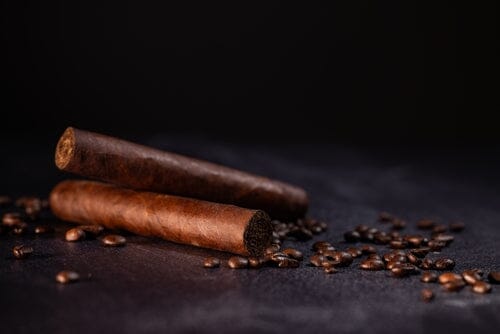
In a world increasingly dominated by speed and automation, there exists a quiet, fragrant rebellion—a craft that stubbornly clings to the virtues of patience, tradition, and the irreplaceable touch of the human hand. It unfolds not on a screen or an assembly line, but in the rich, loamy soil of a sun-drenched field and at the weathered rolling tables of master craftsmen. This is the world of the cigar, an object often enjoyed but seldom truly understood in its most elevated form. We speak of flavors and aromas, of wrappers and binders, yet beneath these familiar terms lies a profound distinction between the merely manufactured and the genuinely crafted. An artisan cigar isn’t simply a product; it is the culmination of a multi-year journey, a story told in whispers of smoke, and a tangible link to a heritage of meticulous artistry that values time as its most crucial ingredient.
Cigars 101
To truly appreciate the pinnacle of cigar craftsmanship, one must first understand the fundamental architecture of every premium cigar, a trinity of components working in perfect harmony. At the very core lies the filler, which constitutes the bulk of the cigar and is the primary driver of its flavor profile and strength. This is not a homogenous bundle but a carefully selected blend of different tobacco leaves, often from various regions or even different primings (leaf positions) on the same plant. The master blender strategically combines ligero leaves from the top of the plant for power and spice, seco from the middle for aroma, and volado from the bottom for its superior burning qualities. Encasing this intricate blend is the binder, a robust and elastic leaf whose main purpose is structural integrity, holding the filler tobaccos together in a tightly packed bunch and ensuring a smooth, even burn. Finally, the entire cigar is draped in the wrapper, the most delicate, flavorful, and visually scrutinized leaf, which can contribute significantly to the overall taste experience and is responsible for the cigar's aesthetic beauty.
The journey of these leaves begins with a single species of plant, Nicotiana tabacum, yet its expressions are nearly infinite, shaped profoundly by the concept of terroir—the unique combination of soil, climate, and topography of the land where it is grown. The life cycle of cigar tobacco is a testament to agricultural dedication, starting from tiny seeds often cultivated in greenhouses before being transplanted to vast fields. Here, the plants are painstakingly nurtured, with farmers making crucial decisions like whether to grow the tobacco under direct sunlight, which produces thicker, stronger leaves typically used for filler, or under the filtered light of a cheesecloth tent (tapado), which yields the silky, delicate, and pristine leaves coveted for wrappers. This distinction in cultivation creates a foundational palette of textures and characteristics long before the leaves ever reach a curing barn, demonstrating that the artistry begins in the soil itself.
From these carefully tended fields, the world's most renowned cigar tobaccos emerge from a handful of celebrated growing regions, each imparting a signature personality to the leaves. For generations, the Vuelta Abajo region of Cuba has been hallowed ground, producing tobaccos with a famously complex and potent profile of spice, earth, and leather. In the Dominican Republic, the fertile Cibao Valley is known for yielding smooth, elegant, and often milder tobaccos, forming the backbone of many classic cigars. Nicaragua has risen to prominence with its volcanic soil, particularly in the regions of Estelí, Jalapa, and Condega, producing leaves that are characteristically rich, sweet, and robustly flavorful. Meanwhile, Honduras offers earthy and powerful tobaccos, while the lush, cloud-covered fields of Ecuador are celebrated for their magnificent wrapper leaves, grown from Connecticut and Sumatra seeds to create some of the world's most beautiful and aromatic outer layers.
Once harvested, the tobacco leaf embarks on a transformative journey of curing and fermentation, a process that is as much an art as it is a science, and which is absolutely critical in developing the complex flavors we associate with a premium cigar. Initially, the leaves are hung in large curing barns (casas de tabaco) for several weeks or months, where they slowly transition from a vibrant green to shades of yellow and eventually a rich brown, shedding moisture while their natural sugars begin to break down. Following this, the leaves are gathered into large piles, or pilones, to undergo fermentation. The immense weight and moisture within these piles generate heat, which triggers a natural chemical process that sweats out impurities like ammonia and tar, while simultaneously smoothing the flavors and deepening the leaf's color and aroma. This process is meticulously monitored, with workers expertly rotating the piles to ensure even fermentation, a delicate dance that can last for months or even years.
Finally, with the aged and perfected tobaccos ready, the ritual of enjoyment itself is guided by a rich tradition of forms and practices. Cigars come in a dazzling array of shapes and sizes, known as vitolas, from the classic, straight-sided Parejos like the Robusto, Toro, and Churchill, to the more artistically challenging Figurados, such as the torpedo-shaped Pirámide or the bulging Perfecto. The choice of how to cut the cigar's head—be it a straight cut for maximum draw, a V-cut for concentrated flavor, or a punch for a clean opening—is the smoker's first interaction with the craft. The lighting, preferably with a butane torch or a cedar spill to avoid imparting foreign flavors, is a patient process of toasting the foot before gently puffing to establish an even cherry. From there, the experience is one of contemplation, smoking slowly to prevent overheating the tobacco and allowing the intricate, evolving flavors to be savored with each deliberate draw.
What Does the Term “Artisan” Mean?
The term “artisan” transcends a simple definition; it represents a philosophy, a commitment to a method of creation that stands in stark contrast to the ethos of mass production. At its core, artisanship is defined by the intimate involvement of the human hand and the application of skill honed through immense dedication, practice, and often, generational knowledge passed from mentor to apprentice. It is the antithesis of the automated assembly line, where efficiency and volume are the paramount virtues. An artisan does not seek to produce the most, but to produce the best, imbuing each creation with a unique character that is a direct result of their personal touch, judgment, and expertise. This process is inherently slower, more deliberate, and requires a profound understanding of the materials at hand, whether they be wood, clay, flour, or in our case, tobacco.
An essential pillar of the artisan mindset is a deep, almost reverential respect for the raw materials, coupled with an unwavering intention to elevate them into something of exceptional quality and beauty. An artisan baker doesn't just see flour; they understand its protein content, its origin, and how it will behave under their touch. Similarly, a master woodworker appreciates the unique grain, density, and history of each piece of lumber. This principle dictates that the process begins long before the actual act of creation, starting with the meticulous selection of only the finest components. This is not about accepting a standardized input, but about actively seeking out materials that possess a specific character or potential, and then, having the skill to bring that potential to its fullest expression. The intention is never merely functional; it is to create an experience, an object that resonates with quality and tells the story of its own making.
Ultimately, what truly separates an artisan from a mere producer is the infusion of passion and soul into their work. An artisanal product is not an inanimate object churned out by a machine; it is a tangible piece of the creator's vision, dedication, and even their personal history. There is an inherent narrative woven into every hand-stitched seam, every perfectly formed loaf of bread, and every flawlessly rolled cigar. This narrative speaks of long hours of practice, of failures overcome, and of a relentless pursuit of perfection. This is why an artisan creation often feels more personal and possesses a certain intangible quality—a "soul"—that cannot be replicated by mechanical means. It is a direct connection between the creator and the consumer, a shared appreciation for beauty, quality, and the profound value of human skill.
So, What’re Artisan Cigars Then?
Applying the philosophy of artisanship to the world of cigars elevates the conversation from a simple agricultural product to a complex work of art, beginning with the tobacco leaf itself serving as the artist's canvas. An artisan cigar’s journey starts with an obsessive focus on the quality and character of the tobacco, often involving small, specific lots from a single farm or even a particular priming on the plant chosen for its unique properties. The master blenders and growers involved in this process are not just farmers; they are curators of flavor who engage in meticulous agricultural practices like regular soil analysis and hands-on pest management to avoid harsh chemicals. They understand the subtle micro-climates that can exist across a single field and will often harvest and ferment leaves from these different sections separately. The master blender maintains a vast "library" of aged tobaccos, which is less a simple stockroom and more an artist's palette, with each bale representing a distinct color, texture, and flavor. They employ specialized, often proprietary, fermentation techniques that have been refined over generations, knowing precisely how to manipulate temperature, humidity, and time to coax out extraordinary notes of cocoa, leather, coffee, or spice that would otherwise remain dormant in lesser hands.
The true heart of the artisan cigar is found in the hands of the torcedor, the master cigar roller whose skill is the living embodiment of tradition and expertise. In an artisan factory, you will not find machines stamping out uniform bunches; instead, you will see rows of rollers, each a master of their craft, who have often spent decades perfecting their technique and developing a unique tactile sensitivity in their hands known as la muñeca. They employ sophisticated bunching methods like the traditional Cuban entubado style, where each filler leaf is individually rolled into a small tube, creating a multitude of air channels for a perfect, effortless draw. Others may use the meticulous accordion or book-style fold, which also requires immense skill to ensure consistency. The application of the binder to secure the bunch and the final, delicate placement of the wrapper leaf—which is stretched and smoothed with a specialized crescent-shaped blade called a chaveta—are done with a precision and feel that no machine can replicate. The creation of the cap alone, the small piece of tobacco that seals the head of the cigar, is a signature of the roller's skill, with some masters applying a beautiful triple-seam cap or a coiled pigtail as a final flourish of their artistry. After rolling, another layer of craftsmanship emerges as cigars are meticulously color-sorted by eye, ensuring every cigar in a single box is visually identical in its shade, a painstaking process that highlights an unwavering commitment to aesthetic perfection.
Beyond the leaf and the roller's hands, the most crucial and defining ingredient in an artisan cigar is time. The concept of aging is central to the entire process, occurring at two critical stages with a patience that is commercially unfeasible for mass-market products. First, the raw tobacco leaves are aged for extensive periods after fermentation, a process that can last anywhere from a few years to well over a decade for truly exceptional batches. This patient maturation smooths out any remaining harshness and allows the complex organic compounds within the leaf to break down and reform, creating an unparalleled depth and nuance of flavor. Second, after the cigar is rolled, it undergoes another critical period of aging in climate-controlled rooms, typically lined with Spanish cedar, which imparts its own subtle, pleasant aroma. During this "marriage" period, which can last from several months to several years, the distinct tobaccos of the filler, binder, and wrapper meld together. The oils from the different leaves slowly migrate and intermingle, causing their individual flavors and aromas to harmonize into a single, cohesive, and balanced profile that is far greater than the sum of its parts. This unwavering commitment to time is a luxury that high-volume production simply cannot afford, and it is the secret to the profound smoothness and complexity of a true artisan cigar.
Different Types of Artisan Cigars
The world of artisan cigars is not a monolithic category but rather a diverse landscape of different philosophies and approaches to crafting an exceptional smoking experience. Each type represents a unique focus, whether on the origin of the tobacco, the vision of the blender, or the rarity of the components. Exploring these distinctions reveals the incredible depth and variety available to the discerning aficionado, showcasing how different artistic constraints and intentions can lead to vastly different, yet equally masterful, results. From cigars that are a pure expression of a single farm's soil to those that showcase the most challenging feats of the roller's art, each category offers a distinct narrative and a unique journey of flavor. This variety below ensures that the world of artisan cigars is one of continuous discovery:
-
Single-Farm/Estate-Grown Puros: These cigars represent the purest expression of terroir in the cigar world. A "puro" is a cigar where all the tobacco—filler, binder, and wrapper—comes from a single country. An estate-grown or single-farm puro takes this concept a step further, with all the leaves originating from one specific farm or estate. This creates a cigar that is a true snapshot of a particular piece of land in a particular growing season, much like a single-vineyard wine. The flavor profile is exceptionally cohesive and distinctive, offering an unadulterated taste of that farm's unique soil and microclimate. Crafting such a cigar is a tremendous challenge, as the blender does not have the luxury of sourcing leaves from other regions to balance the blend or correct for deficiencies. This endeavor also carries immense risk, as a single bad harvest can jeopardize the entire project, making these cigars a true labor of love and confidence in the land. Consequently, these releases often carry a vintage year, forever capturing the specific agricultural story of that season.
-
Master Blender Signature Series: In this category, the focus shifts from the land to the artist themselves. A Master Blender Signature Series is a cigar created to be the personal, definitive statement of a renowned blender. These individuals, who have spent a lifetime working with tobacco and possess an almost encyclopedic knowledge of its properties, craft a blend that reflects their personal palate and blending philosophy. It is their masterpiece, often using their favorite or the rarest tobaccos from their personal stock that they have been aging for years for just such a project. These cigars are a direct line to the creator's vision and are often not driven by market trends but by a personal desire to create something beautiful, making them a more intimate and heartfelt offering. Smoking one is akin to viewing a master painter's signature work or listening to a composer’s magnum opus—it is the ultimate expression of their skill, passion, and unique perspective on the art of tobacco.
-
Vintage/Aged Stock Cigars: Time is the defining characteristic of this exclusive category. Vintage cigars are crafted using tobaccos from a specific, often exceptional, harvest year. Just as in winemaking, some years produce tobacco crops of extraordinary quality due to perfect conditions, and these precious leaves are set aside for special projects. Aged stock cigars take this a step further, utilizing tobaccos that have been patiently aged for an extensive period—sometimes 10, 15, or even 20 years—before being rolled. This prolonged aging process transforms the tobacco, smoothing out all traces of harshness and allowing for the development of incredibly nuanced and complex flavors like truffle, aged leather, and musky earth that are impossible to find in younger leaves. These cigars offer a uniquely mellow yet deeply flavorful experience, providing a serene and contemplative smoke that is a testament to the profound and magical effects of patience.
-
Boutique/Small-Batch Exclusives: Produced by smaller, independent companies or as limited offshoots of larger ones, boutique cigars are the innovation labs of the cigar industry. Unbound by the need to maintain massive, consistent production, these blenders are free to experiment with unique tobacco varietals, unconventional blends, and creative vitolas. Production is often extremely limited, sometimes only a few hundred boxes in a single run, making them highly sought after by collectors and enthusiasts who crave novelty. Choosing a small-batch exclusive is an embrace of exploration, offering a chance to taste something truly different and support passionate entrepreneurs pushing the boundaries of what a cigar can be. These brands often foster a strong sense of community, with owners engaging directly with their customers and creating a loyal, cult-like following that appreciates their transparency and passion.
-
Figurado & Perfecto Cigars: While most cigars are straight-sided Parejos, the Figurado category encompasses any cigar with an irregular shape, and it represents the apex of the torcedor's technical skill. This includes shapes like the torpedo-like Pirámide, the pointed-at-both-ends Perfecto, and the uniquely bulging and challenging Salomon or Diadema. Rolling a Figurado correctly is exponentially more difficult than rolling a standard cigar, as the roller must constantly adjust the placement and pressure of the tobacco to accommodate the changing shape while ensuring a perfect draw from beginning to end. A well-made Figurado is therefore a direct showcase of craftsmanship. Beyond the visual appeal, the tapering shapes also affect the smoking experience, concentrating the smoke and causing the flavors to evolve dramatically as the burn line moves through the different ring gauges of the cigar, creating a truly dynamic and engaging journey for the palate.
-
Regional Exclusives: This fascinating category consists of cigars blended and produced by major manufacturers exclusively for sale in a specific country, region, or sometimes even a single retail store. The blender’s challenge here is to create a profile that is tailored to the specific palate and preferences of that market, which may differ significantly from global tastes. For example, a blend for the European market might be more nuanced and aromatic, while one for the American market might be bolder and spicier. These cigars often become highly collectible items outside of their intended region, sought after by connoisseurs eager to experience these unique, localized expressions of a familiar brand’s artistry. They represent a beautiful intersection of global craftsmanship and local culture, offering a distinct taste of place that goes beyond even the terroir of the tobacco itself.
-
Cask-Aged Cigars: At the highest end of the spectrum, cask-aging represents a sophisticated and subtle form of flavor enhancement. This artisanal process involves taking finished cigars or raw tobacco leaves and resting them for an extended period inside barrels previously used to age fine spirits like single-malt Scotch, bourbon, rum, or cognac. Unlike artificially flavored cigars, the goal is not to overpower the tobacco but to have it absorb the delicate aromas and flavor notes left behind in the barrel's wood. A successful cask-aged cigar offers a beautifully integrated profile where the natural tobacco flavors are complemented by subtle hints of oak, vanilla, caramel, or dried fruit from the spirit. This requires immense skill to ensure the infusion is elegant and harmonious, creating a uniquely complex and luxurious smoking experience.
-
Collaborative Blends: A rare and exciting occurrence in the industry, a collaborative blend is a project where two or more master blenders, often from competing companies, join forces to create a single, unique cigar. These projects are born from mutual respect and a shared passion for the craft, allowing legends of the industry to combine their distinct philosophies, techniques, and prized tobacco stocks. The resulting cigars are often incredibly complex and multi-layered, showcasing a harmony of different styles that could never be achieved alone. For the cigar enthusiast, these limited releases are a momentous event—a chance to smoke a piece of history and taste the synergistic magic that happens when great artistic minds come together in a spirit of friendly creation.
Key Benefits of Choosing Artisan Cigars
Stepping into the world of artisan cigars is about more than just smoking; it is about choosing to engage in a richer, more meaningful experience. While they often command a higher price, the value they provide extends far beyond their material components, offering a host of benefits that transform a simple pastime into a genuine appreciation for a time-honored art form. The decision to select an artisan cigar is an investment in unparalleled quality, a direct connection to a legacy of human skill, and an opportunity to savor something truly exceptional and rare. These cigars offer a depth of character and a level of performance that fundamentally elevates the act of enjoyment, making each moment spent with one a memorable event worth cherishing. Let’s dive in a bit further though, shall we:
-
Unparalleled Complexity and Depth of Flavor: The primary and most rewarding benefit of an artisan cigar is its extraordinary flavor profile. Thanks to the use of meticulously selected, extensively aged tobaccos and the masterful art of blending, these cigars offer a dynamic and evolving sensory journey. From the first light to the final third, the flavors can transition seamlessly from notes of dark chocolate and espresso to hints of black pepper, cedar, and dried fruit, with a lingering sweetness on the finish. This is not a static, one-dimensional taste but a complex symphony of aromas and flavors that dance on the palate. A key technique to unlock these flavors is the retrohale—gently pushing some smoke out through the nose—which, with a smooth artisan cigar, reveals an entirely new dimension of aromatic nuance without any harshness.
-
Superior Construction and Performance: The physical performance of an artisan cigar is a testament to the skill of the torcedor who rolled it by hand. The draw is consistently perfect—offering just the right amount of resistance without being too tight or too loose, allowing for a voluminous and smooth flow of smoke. The burn is typically razor-sharp and even, requiring few, if any, touch-ups from the lighter. Even before lighting, the "cold draw" often reveals a tantalizing preview of the rich flavors to come, a hallmark of expertly blended and aged tobaccos. The ash that forms is often a thing of beauty in itself: firm, white, and cohesive, clinging to the cigar for an impressive length, which is a clear indicator of well-aged tobacco and impeccable construction that prevents tunneling or canoeing.
-
A Connection to Tradition and Heritage: Smoking an artisan cigar is a way of participating in a rich cultural tradition that stretches back for centuries. Each cigar is the culmination of generations of knowledge in farming, curing, fermenting, blending, and rolling. When you hold one, you are holding a tangible piece of history, the product of families who have dedicated their entire lives to perfecting this craft. Often, the name of the cigar or the artwork on the band will tell a story about the family's patriarch, the specific farm it came from, or a significant event in their history. This provides a connection to the places where the tobacco was grown and the people whose skilled hands brought it to life, adding a profound layer of meaning to the experience.
-
Consistency Within the Box, Uniqueness Between Batches: Artisan production strikes a beautiful balance between consistency and uniqueness. Within a single box of cigars from the same batch, you will find remarkable consistency in construction, draw, and flavor, as they were likely made by the same roller from the same bale of tobacco. However, because these cigars are made in small batches with agricultural products that vary from year to year, each new release or vintage can offer a slightly different and unique profile. This creates an exciting dynamic for the enthusiast, providing reliability in the short term and a journey of discovery over the long term. Collecting and comparing different batches of the same cigar is akin to collecting art prints from a single artist but from different periods of their work, allowing you to appreciate the subtle evolution of their craft.
-
Support for Skilled Craftsmanship: Choosing to purchase artisan cigars is a direct vote in support of human skill and artistry. In an age of mechanization, this choice helps to sustain the livelihood of the master blenders, the dedicated farmers, and the highly skilled torcedors whose professions are a form of cultural heritage. In the primary cigar-producing nations of Central America and the Caribbean, being a master torcedor is a highly respected and well-compensated career that can support an entire family and uplift a community. Your purchase becomes a form of patronage, ensuring that these invaluable traditions will be preserved, valued, and passed on to the next generation rather than being lost to automation.
-
The Experience of Rarity and Exclusivity: Because they are produced in such limited quantities using rare and well-aged tobaccos, artisan cigars offer a powerful sense of exclusivity. The knowledge that you are enjoying something that few others will have the opportunity to experience enhances its specialness. This is not about snobbery, but about the appreciation for the rare and the unique. For many enthusiasts, the "hunt" for these cigars—developing relationships with tobacconists and following boutique makers—is part of the joy. Being part of a community that shares information about rare releases adds a social and exciting dimension to the hobby, making the moment you finally get to sit back and enjoy that coveted cigar even more triumphant.
-
Enhanced Aging Potential: Just as fine wines can evolve and improve with age, so too can well-made artisan cigars. Their superior construction and the high quality of their aged tobaccos provide them with the perfect foundation for further maturation in a personal humidor. The robust and balanced blend of tobaccos has the "legs" to develop, and the impeccable construction ensures the cigar remains physically sound, preventing it from unraveling or deteriorating over time. Over the course of months or even years, the flavors will continue to meld and marry, with any remaining youthful sharpness mellowing out as new, more nuanced tertiary flavors of earth, mushroom, and nuttiness emerge. This provides another layer of engagement for the aficionado, allowing them to act as a curator for their own collection.
-
A Deeper Appreciation for the Art Form: Ultimately, engaging with artisan cigars fosters a much deeper and more profound appreciation for the entire art form. It encourages you to slow down, to pay attention, and to analyze the subtle nuances of flavor, aroma, and sensation that a machine-made product simply cannot deliver. You begin to understand the role of the wrapper, to identify the characteristics of tobaccos from different regions, and to recognize the signature style of different blenders. This pursuit trains your palate to detect subtleties not just in cigars, but in other fine consumables like wine, coffee, or chocolate, enhancing your overall sensory awareness. It moves the experience beyond simple pleasure and into the realm of connoisseurship, an educational journey that constantly offers something new to learn and discover.
An Echo of the Earth and Hand
When the final ash gives way and only a memory of smoke lingers, the true nature of the artisan cigar reveals itself not as an object consumed, but as a dialogue completed. It is a conversation initiated years ago by a farmer tending to a fledgling leaf, continued by a master blender orchestrating a harmony of flavors, and given its final form by the knowing hands of a torcedor. Each draw from that cigar was a sentence, conveying the complex story of a specific place, a particular season, and the unwavering dedication of its many creators. This is the ultimate distinction of the artisan's work: while some things in this world are made simply to be used up, an artisan cigar is crafted to be understood and felt. It leaves behind an experience that resonates on the palate and in the mind, a quiet but profound reminder that the most rewarding moments are those steeped in patience, purpose, and unmistakable human passion.
Share:
How to Properly Ease into a New Pipe Tobacco Blend
5 Ways Flavored Rolling Papers Enhance the Tobacco's or Herb's Taste That's Being Rolled Inside of Them