
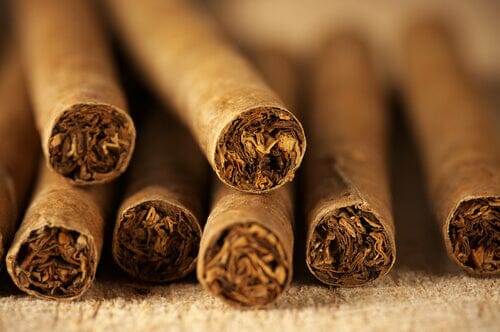
The gentle ritual of selecting a premium cigar is a moment suspended in time, an anticipation of the experience to come. For many, the journey leads to a humidor filled with offerings wrapped in rich, dark Maduro or silky, golden Connecticut Shade leaves, promising notes of earth, leather, and spice. Yet, for an ever-growing contingent of enthusiasts, the path veers toward a more vibrant and aromatic horizon—the world of flavored cigars. Here, the air is thick not just with the scent of aged tobacco, but with tantalizing hints of coffee, vanilla, cherry, or exotic spices. This raises a fascinating query for the discerning aficionado: does this infusion of additional, often potent, flavors introduce a new variable into the delicate equation of preservation? Could these captivating cigars, designed for a specific sensory delight, be racing against a faster clock, their unique character more prone to fading into a whisper of what they once were?
Cigars 101
At its most fundamental level, a cigar is a meticulously crafted bundle of dried and fermented tobacco leaves, rolled into a cylindrical shape for the purpose of smoking. Premium cigars are composed entirely of whole tobacco leaf, celebrating the plant in its more natural form. Every cigar consists of three essential components that work in harmony: the filler, the binder, and the wrapper. The filler constitutes the core of the cigar; a blend of different tobacco leaves that dictates the majority of its strength and flavor profile. Holding this bunch together is the binder, a durable leaf chosen for its elasticity and structural integrity. Finally, the entire cigar is encased in the wrapper, a single, high-quality, and visually appealing leaf that contributes a significant portion of the overall flavor and is what the smoker’s lips and hands touch. The interplay between these three parts is what defines the unique character of any given cigar.
The journey of a cigar begins not in a factory, but in the rich soils of specific regions around the globe, such as Cuba, Nicaragua, the Dominican Republic, and Honduras. The tobacco plant, Nicotiana tabacum, is cultivated with immense care, as its final quality is heavily influenced by the climate, soil, and sunlight—a concept known as terroir. After months of growth, the leaves are harvested in a painstaking process called priming, where they are removed from the stalk by hand, from the bottom of the plant up, as they ripen. These delicate leaves are then taken to large curing barns, where they are hung to air-dry for several weeks or months. During this critical curing phase, the leaves slowly transform from a vibrant green to shades of yellow and brown, losing most of their water content while their starches convert to sugars. This is the first essential step in transforming a simple plant into the foundation of a luxurious experience.
Following the curing process, the tobacco leaves undergo a period of natural fermentation, a stage that is absolutely crucial for developing the deep and complex flavors enthusiasts cherish. The leaves are carefully arranged into large piles, or pilones, where their own weight and residual moisture generate heat, initiating a slow, controlled fermentation. This process, which can be repeated multiple times over months or even years, works to mellow the tobacco by releasing harsh compounds like ammonia. It is during this "sweating" that the nuanced flavors and aromas of leather, earth, coffee, nuts, and spice begin to emerge and blossom from within the leaf. Master growers meticulously monitor the temperature of these pilones, disassembling and re-stacking them to ensure an even fermentation, guiding the tobacco toward its peak potential in a perfect blend of science and tradition.
With the tobacco properly aged and fermented, the art of the master blender comes to the forefront of the creation process. Acting much like a master chef or a winemaker, the blender selects from a diverse inventory of tobaccos from different regions and plant primings to create a specific recipe, or ligada. They choose various leaves for the filler—strong ligero for power, aromatic seco for fragrance, and combustible volado for an even burn—to achieve a target flavor profile and strength. This precise blend is then passed to a highly skilled artisan known as a torcedor, or cigar roller. Using only their hands, a curved blade called a chaveta, and a natural adhesive, the torcedor bunches the filler, secures it with the binder, and meticulously applies the delicate wrapper leaf to create the finished product, a process that requires years of training to master.
The final form a cigar takes is referred to as its vitola, which denotes its specific size and shape, and this can significantly influence its smoking characteristics. Cigars are broadly categorized into parejos, which are straight-sided like a classic Robusto or Toro, and figurados, which have irregular shapes such as the tapered head of a Torpedo or the bulbous form of a Perfecto. The length, thickness (ring gauge), and shape all affect the concentration of the smoke, the burn time, and the overall flavor experience. After being rolled, most premium cigars are placed in cedar-lined aging rooms for a period of rest, allowing the distinct flavors of the filler, binder, and wrapper to meld and harmonize. This final step completes a long and artisanal journey, transforming humble leaves into a complex object of relaxation and sensory exploration.
A Symphony of Sensation: Deconstructing the Flavored Cigar
Before we can explore the longevity of a flavored cigar's profile, we must first understand its very essence. What truly separates an infused cigar from its traditional counterpart is not merely a different taste, but a fundamental difference in its creation and composition. A traditional cigar is a product of earth and time—the soil, the climate, the curing barn, the fermentation pile, and the aging room all conspire to create a complex tapestry of flavor inherent to the tobacco leaf itself. A flavored cigar, on the other hand, is a work of both agriculture and alchemy, where a master blender's art is supplemented by the craft of a flavorist. It’s a deliberate collaboration designed to produce a specific, often potent, and immediately recognizable taste experience that extends beyond the natural palette of tobacco. This process is far more nuanced than simply dipping a finished cigar into a vat of flavoring; it is a meticulous science aimed at creating a harmonious and consistent product.
The Art and Science of Infusion
The methods used to impart flavor onto a cigar are as varied as the flavors themselves, each with its own impact on the final product and, potentially, its stability over time. The most common technique is known as infusion. This isn't a brute-force application but a patient process of absorption. In large, sealed rooms, bundles of cigars are left to rest for extended periods amidst sources of their target aroma. For example, cigars destined to have a coffee flavor might be aged in a room saturated with the aroma of high-quality roasted coffee beans. The tobacco leaves, being naturally porous and hygroscopic (meaning they readily absorb moisture and, by extension, aromas from the air), slowly and gently take on the desired character. This method allows the flavor to permeate the cigar more deeply and evenly than a simple surface application, integrating it with the tobacco's own characteristics.
Another prevalent method involves casing, which is the direct application of a flavoring agent to the tobacco leaves before they are rolled. This is often done via a fine mist or spray. The "casing" itself is a proprietary liquid concoction that can include a wide array of ingredients, such as natural extracts, essential oils, and food-grade flavor compounds, often suspended in a medium like propylene glycol or distilled water to ensure even distribution. This method offers manufacturers precise control over the intensity of the flavor. For instance, a rich cherry flavor might be cased onto the binder and filler leaves, ensuring the taste is a core component of the smoking experience from start to finish. A variation of this is the application of flavorings specifically to the cap of the cigar—the part that is clipped and placed in the mouth. This provides an immediate burst of sweetness or flavor on the lips, which then complements the aroma of the smoke itself. These methods highlight a critical point: the added flavors are an external component, an addition to the tobacco's natural state rather than a product of its intrinsic development.
The Tobacco's Role - Not Just a Blank Canvas
It would be a mistake to assume that the tobacco in a flavored cigar is merely an inert delivery system for the added infusion. The quality and type of tobacco used as the base are paramount to the success of the final product. Manufacturers of premium flavored cigars don’t simply take leftover, low-grade tobacco and douse it in flavoring to mask its deficiencies. Instead, they carefully select tobaccos that will complement the intended infusion. A cigar destined for a creamy vanilla or honey flavor might use a mild Connecticut Shade wrapper and a gentle blend of Dominican fillers. The smooth, mellow profile of this tobacco provides a perfect, unobtrusive canvas, allowing the delicate vanilla notes to shine without being overpowered.
Conversely, for a bolder flavor like dark espresso or cocoa, a blender might opt for a more robust foundation, perhaps using a rich Maduro wrapper with its inherent sweetness and notes of chocolate, and a heartier blend of Nicaraguan tobaccos. In this case, the goal is not for the tobacco to disappear but to enter into a harmonious duet with the added flavor. The infusion enhances the natural chocolaty notes of the Maduro, and the tobacco’s spicy character adds a layer of complexity to the espresso infusion, creating a product that is greater than the sum of its parts. The natural oils, sugars, and organic compounds within the tobacco leaves are still present and play a crucial role. They interact with the infused flavorings, influencing the overall profile and the way the cigar burns and feels. This interaction is key; the base tobacco is not a passive participant but an active contributor to the final sensory experience.
The Unraveling of an Experience: Understanding Cigar Degradation
To answer the central question of whether flavored cigars go stale more quickly, we must first establish a clear understanding of what "stale" truly means in the context of any cigar, flavored or not. The term is often used as a catch-all for any cigar that has lost its appeal, but the process of degradation is a specific series of physical and chemical changes. A cigar is a delicate organic product, a carefully preserved piece of agricultural artistry. Its vitality is dependent on a fragile equilibrium of moisture, oils, and complex organic compounds. When this equilibrium is disrupted, the cigar begins its slow decline from a vibrant, flavorful experience into a dull, harsh, and disappointing one. This decline is not an event, but a process, and its primary drivers are the environmental conditions in which the cigar is kept.
The Great Evaporation - Humidity's Crucial Role
The single most critical factor in the life and health of a cigar is humidity. Tobacco leaves contain a significant amount of water and essential oils. This internal moisture content is what keeps the leaves supple, ensures an even and slow burn, and serves as the medium through which the complex flavors are delivered to the palate. The ideal environment for storing cigars mimics the subtropical climates where most cigar tobacco is grown and aged, which is why the "70/70 rule"—70 percent relative humidity (RH) at 70 degrees Fahrenheit—has long been the gold standard for humidor care.
When a cigar is stored in an environment with insufficient humidity, the process of evaporation begins. The water molecules within the tobacco leaves are the first to depart, seeking to equalize with the drier ambient air. This leads to the most obvious physical sign of a stale cigar: it becomes dry and brittle to the touch. The wrapper may crack or unravel, and the entire cigar can feel fragile and lifeless. As the moisture leaves, it takes with it many of the volatile organic compounds that constitute the cigar's flavor and aroma. These are the precious essential oils that were so carefully cultivated during the plant’s growth and preserved through curing and fermentation. Without sufficient moisture to hold them within the leaf structure, they simply dissipate into the air, lost forever. A dry cigar will burn hot and fast, as there is less water to regulate the combustion temperature. This heat further destroys any remaining delicate flavor compounds, resulting in a smoke that is often harsh, acrid, and one-dimensional, a pale shadow of its intended profile.
Conversely, too much humidity is equally detrimental. An over-humidified cigar becomes soft and spongy. The excess moisture can clog the pores of the tobacco, leading to a tight or plugged draw that is difficult to smoke. Furthermore, the smoke from a wet cigar is often dense and steamy, delivering flavors that can be sour, tarry, or musty. In the worst-case scenario, excessive humidity combined with warm temperatures creates the perfect breeding ground for mold, which can quickly ruin an entire collection of cigars.
The Fading of Flavor and Aroma
While moisture loss is the primary physical symptom of a cigar going stale, the true loss is chemical. The flavor of a premium traditional cigar is not a single entity but a complex symphony of hundreds, if not thousands, of different organic compounds. These compounds were created and transformed through the intricate processes of curing and fermentation, where starches converted to sugars and harsh ammonias were mellowed out. This resulted in the nuanced notes that aficionados cherish: cedar, nuts, leather, earth, black pepper, cocoa, and countless others.
When a cigar is properly stored, these compounds remain relatively stable, held within the oily matrix of the leaf. In fact, under ideal conditions, a process of "aging" or "marrying" occurs, where the oils from the different tobaccos in the filler, binder, and wrapper slowly meld and integrate, often leading to a smoother, more refined, and more harmonious flavor profile. Harsh notes can soften, and new, subtle complexities can emerge.
However, improper storage reverses this process. The evaporation of moisture and essential oils is the evaporation of flavor itself. The compounds that are most volatile—often those responsible for the most aromatic and top-note flavors—are the first to disappear. What is left behind are the heavier, less volatile compounds, which can lead to a flat, boring, or even bitter taste. The complex symphony becomes a disjointed and muted performance. Therefore, a "stale" cigar is not just a dry one; it is an empty one, a vessel from which the very soul of the tobacco—its flavor and aroma—has escaped.
The Ticking Clock: A Head-to-Head on Flavor Longevity
Having established the mechanics of how any cigar degrades, we can now turn to the heart of the matter. Do the very qualities that make a flavored cigar unique also make it more susceptible to a rapid decline? The evidence, rooted in the chemistry of flavor and the physics of volatility, strongly suggests that the answer is yes. The infused flavors, being an external and often more volatile addition, are fundamentally different from the integral, stable compounds of natural tobacco. This difference places them on a separate, and likely accelerated, timeline of degradation, making the proper storage and timely enjoyment of these cigars even more critical.
Why Added Flavors are Different
The core of the issue lies in the chemical nature of the flavoring agents themselves. The compounds used to create aromas and tastes like vanilla (vanillin), cherry (benzaldehyde), or coffee are often highly volatile organic compounds (VOCs). Volatility is a measure of how easily a substance evaporates at normal temperatures. These compounds are chosen precisely because they are volatile; their ability to readily turn into a gas is what allows their aroma to travel from the cigar to your nose, creating that powerful pre-light experience. The scent of a cherry-infused cigar that fills a room is a direct result of these volatile molecules escaping the tobacco and wafting through the air.
In contrast, the natural flavor compounds within a tobacco leaf are a far more complex and stable mixture. They include heavier oils, terpenes, and esters that were created and locked within the cellular structure of the leaf during its growth and fermentation. While they are also volatile to a degree—which is what allows us to taste and smell them when the cigar is burned—they are generally far less eager to escape the leaf under normal storage conditions. They are an integral part of the tobacco's makeup.
Think of it like this: the natural flavor of tobacco is like a dye that has been permanently set into a fabric, while an infused flavor is more like a perfume sprayed onto it. The perfume provides a powerful and immediate scent, but it is designed to evaporate over time. The dye, however, is part of the fabric and will fade much more slowly, often over the course of many years. Similarly, the volatile top notes of an infused cigar are the first to go. When a flavored cigar is exposed to air, these lightweight aromatic molecules are among the first to break free from the tobacco and dissipate, leading to a perceptible loss of the very flavor that defines the cigar.
The Surface-Level Dilemma, Specifically a Matter of Penetration
The method of flavor application also plays a significant role in its longevity. While infusion rooms can help the aroma permeate the cigar more deeply, many casing and spraying methods result in a higher concentration of the flavoring agent on the outer layers of the tobacco leaves. The wrapper and the outermost portion of the filler receive the most direct application. This means these flavor compounds are much more exposed to the ambient environment compared to the deeply integrated oils in a traditional cigar's core.
With every fluctuation in humidity, a cigar "breathes," slightly expanding as it absorbs moisture and contracting as it releases it. This breathing process can effectively "pump" the volatile compounds out of the cigar, especially those located near the surface. Since the defining characteristic of a flavored cigar is concentrated in these more vulnerable areas, its unique identity is more at risk. The natural, deep-seated complexity of a traditional cigar, distributed throughout the entire filler blend, is more resilient to this effect. Even if some of the more subtle aromas from the wrapper fade, the core of the cigar's flavor profile, derived from the filler blend, remains largely intact for a much longer period. For the flavored cigar, the loss of that surface-level infusion is not a subtle shift; it is the loss of its primary feature.
The Masking Effect and Its Disappearance
Another crucial factor is the role the infused flavor plays in the overall profile. As mentioned earlier, flavored cigars often use a base of milder, less complex tobaccos. This is a deliberate choice to provide a clean canvas for the infusion to shine. The infused flavor is not just an accent; it is the star of the show. It acts as a primary flavor driver, and in some cases, it can "mask" the simpler character of the underlying tobacco. This is not necessarily a negative; it is simply the design of the product.
The consequence of this design becomes apparent as the infused flavor begins to fade. As the prominent notes of vanilla, whiskey, or peach dissipate, the smoker is left with the taste of the base tobacco blend. If that blend was chosen for its mildness and neutrality, what remains can be a very plain, uninteresting, or even slightly bitter smoking experience. The mask has been removed, revealing a foundation that was never intended to stand on its own.
This stands in stark contrast to a traditional premium cigar. As it ages or loses some of its vibrancy due to less-than-ideal storage, its flavor profile evolves rather than simply vanishing. The bold spicy notes might mellow, allowing more subtle hints of cream or nuttiness to come forward. It is a complex bouquet where the absence of one element can allow another to be discovered. For a flavored cigar, however, the main attraction simply leaves the stage, and there is often no understudy waiting in the wings to take its place.
Not All Infusions are Created Equal - That Good Ol’ Quality Factor
Thus far, our discussion has painted a broad picture of flavored cigars, but it is critical to introduce a vital distinction that lies at the heart of their longevity: quality. The world of flavored cigars is not a monolith. It spans a vast spectrum, from premium, hand-rolled works of art to mass-produced, machine-made cigars. While premium, infused, or flavored cigars can last for years with proper storage, the addition of artificial flavorings in some cigars, particularly machine-made and short-filler varieties, can cause them to go stale and lose their flavor more quickly than high-quality traditional cigars. This distinction is paramount because it shifts the focus from a simple "flavored vs. unflavored" debate to a more accurate conversation about the quality of the constituent materials.
A premium infused cigar, such as those from highly-regarded brands, begins its life as a premium cigar. It is crafted with high-quality, long-filler tobacco—whole leaves chosen for their inherent flavor, aroma, and combustion properties. The infusion process is an addition, an enhancement to an already solid foundation. The natural oils and complex structure of the long-filler tobacco provide a stable and resilient base. While the infused top notes may still be more volatile and prone to fading over time compared to the tobacco's natural profile, the underlying quality of the cigar itself ensures it has a much longer potential lifespan. With diligent care in a well-maintained humidor, the essential character of the tobacco can be preserved for a very long time, even as the intensity of the infusion gently mellows.
On the other end of the spectrum are many machine-made, short-filler flavored cigars. These products are constructed differently, often using chopped tobacco leaves (short filler) and, in some cases, a wrapper made from homogenized tobacco leaf (a paper-like product made from tobacco dust and pulp). This construction is less stable and more porous than a long-filler cigar. Furthermore, the flavorings used are often more aggressive and artificial, designed for a powerful initial impact rather than a nuanced integration. These less-sophisticated flavor compounds can be extremely volatile, and the very structure of the short-filler cigar allows them to escape more readily. In this case, the flavor is not an enhancement but the primary feature masking a very basic tobacco base. When this artificial flavor evaporates—a process that happens much more rapidly—there is very little quality or complexity left to enjoy.
Ultimately, this brings us to a more holistic conclusion. In general, the longevity of a cigar is determined by the quality of its tobacco and its storage conditions, not by its flavor profile alone. A well-made, premium infused cigar will always outlast a poorly made, non-flavored cigar if stored improperly. Conversely, a top-tier traditional cigar will fare better than a low-quality flavored cigar under the same ideal storage conditions. The presence of a flavor infusion is a significant variable in the equation of aging and preservation, but the quality of the leaf and the diligence of the owner remain the most fundamental arbiters of a cigar's potential to endure.
The Sugar Situation - A Potential Catalyst for Change
Many flavoring casings, particularly those used for sweeter profiles, contain sugars, syrups, or glycerin as part of their composition. These ingredients are excellent at carrying flavor and can contribute to a smooth mouthfeel and a pleasant aroma. However, they can also introduce new variables into the cigar's stability. Sugars are hygroscopic, meaning they attract and hold water molecules. This can potentially alter the way a flavored cigar responds to its humidified environment. It might absorb or release moisture at a different rate than a traditional cigar, making it more challenging to maintain a perfect equilibrium. While not definitively proven to accelerate the loss of tobacco oils, this alteration of the cigar's natural hygroscopic properties could contribute to a less stable internal environment, which is never ideal for long-term preservation. An improperly balanced environment, with too much moisture held by these sugary casings, could also create a more welcoming setting for mold growth if temperature and humidity are not strictly controlled.
The Guardian of the Gusto: Proper Storage for Flavored Cigars
Understanding that flavored cigars are likely on a faster track to flavor degradation is not a cause for despair, but a call to action. It underscores the profound importance of proper care and storage. While the goal with traditional cigars is often long-term aging to achieve a new level of refinement, the primary objective for flavored cigars is preservation—maintaining that vibrant, infused character for as long as possible. The enthusiast who enjoys these aromatic creations must become a diligent guardian, providing a sanctuary that shields the cigar from the forces that seek to diminish its carefully crafted profile. This requires a specific set of strategies that go beyond the standard practices for traditional cigars.
To Mingle or Not to Mingle - The Segregation Strategy
The absolute, non-negotiable first rule of storing flavored cigars is to keep them separate from their traditional, non-flavored counterparts. This is not a matter of preference; it is a fundamental principle of humidor management. The same potent, volatile aromatic compounds that make a flavored cigar so appealing are also the reason it must be isolated. These aromas will relentlessly "bleed" or "marry" into any other cigars stored in the same enclosed space. A traditional cigar, with its own subtle and complex profile, is like a sponge in a humidor. If it shares that space with a cherry-infused cigar, it will inevitably absorb those benzaldehyde molecules. Over time, that prized Padron or Fuente will develop a distinct and permanent cherry note that was never intended by its blender, effectively ruining its original character.
This flavor transfer is a one-way street; the subtle cedar and leather notes of a traditional cigar will have no impact on the powerhouse aroma of the infused product. Therefore, segregation is essential. The ideal solution is to maintain a completely separate humidor dedicated solely to your flavored cigars. This could be another wooden humidor, or more practically for many, a well-sealed plastic container with a gasket lid (often called a "tupperdor") equipped with a proper humidification device like a Boveda pack or a humidification crystal jar. For short-term storage or for those who only keep a few on hand, even a simple Ziploc-style bag with a small Boveda pack can create a perfectly stable environment for a few weeks or months, effectively quarantining the potent aromas and preserving both types of cigars.
Perfecting Humidity and Temperature
While the 70/70 rule is a great starting point, the optimal environment for flavored cigars might require some nuanced adjustment. Because many infused cigars contain syrupy casings and added sugars, they can sometimes feel a bit "wetter" or stickier than traditional cigars at the standard 70% RH. This can occasionally lead to a tougher draw or an uneven burn. For this reason, many enthusiasts find that storing their flavored cigars at a slightly lower relative humidity, perhaps in the 65% to 69% RH range, yields a better smoking experience. This slightly drier environment can help firm up the cigar without drying it out, promoting a more even burn while still providing enough moisture to preserve the tobacco and its infused flavor.
More important than the exact number, however, is consistency. Wild swings in temperature and humidity are the greatest enemy of any cigar, but they can be especially damaging to flavored varieties. As discussed, these fluctuations cause the cigar to expand and contract, a process that actively pushes the volatile flavor and aroma compounds out of the leaf. A stable environment is a tranquil one, allowing the cigar to rest in equilibrium and hold onto its precious character. Using a reliable digital hygrometer is crucial, and employing a two-way humidification system like Boveda packs, which both release and absorb moisture to maintain a specific RH, is by far the easiest and most effective way to ensure this vital stability.
The Question of Aging - Can Flavored Cigars Improve Over Time?
This is a common and important question for those accustomed to the culture of aging traditional cigars. The general consensus among experienced tobacconists and smokers is that, unlike their non-flavored brethren, infused cigars do not improve with age. The very concept of aging a traditional cigar is predicated on the slow, graceful melding of the complex, natural oils from the different tobacco varietals in the blend. Over years, harshness can mellow, and the flavors of the filler, binder, and wrapper can integrate into a more cohesive and sophisticated whole.
This process simply does not apply to flavored cigars in the same way. The infused flavor is a dominant, and as we've established, relatively volatile component. The "aging" process for a flavored cigar is not a journey toward new complexity but a battle against the inevitable fading of this infusion. The goal of storage is not to see what it will become in five years, but to preserve what it is right now. Over an extended period, the infused flavor will almost certainly diminish, and it will not be replaced by a new, evolved profile. Instead, it will simply leave a void, revealing the simpler base tobacco beneath. Therefore, flavored cigars should be thought of as products to be enjoyed in their prime, which is generally within a year or two of their purchase, provided they are stored correctly. They are designed for present enjoyment, not future speculation.
The Subjective Side of Sensation: It's All in the Taste
While the chemistry of volatile compounds and the physics of humidity provide a strong scientific basis for why flavored cigars might lose their character more quickly, it is equally important to consider the human element. The experience of smoking a cigar is deeply personal and subjective. Our perception of flavor is a complex interplay between our taste buds, our sense of smell, and, critically, our expectations. The way we mentally frame the experience of a flavored cigar versus a traditional one can profoundly influence how we perceive its longevity and quality over time. This psychological component is not just noise; it is an integral part of the overall sensory journey.
The Power of Expectation
When a smoker chooses a cigar explicitly labeled as "Java Latte" or "Island Amaretto," they are approaching it with a very specific and powerful set of expectations. They anticipate a clear, identifiable, and prominent taste of coffee and chocolate or sweet almond. The entire appeal of the product is built around the successful delivery of this singular flavor promise. Consequently, the absence or even slight diminishment of that specific flavor is perceived not as a subtle shift, but as a fundamental failure of the product to deliver on its premise. If the "Java" is gone from the "Java Latte," its entire identity is lost. The smoker's brain, primed to search for that one specific note, registers its absence acutely.
Contrast this with the experience of a complex, non-flavored cigar. Its description might include a laundry list of subtle tasting notes: "A medium-bodied smoke with a core of earthy cedar, hints of roasted nuts, a touch of black pepper on the retrohale, and a creamy finish." Here, the expectation is not for a single, overwhelming flavor, but for a complex and evolving bouquet. If, after a year in the humidor, the black pepper note is a bit more subdued or the nutty character has transitioned into more of a toasted bread note, the smoker perceives this as evolution or a natural mellowing. The cigar has not failed; it has simply changed. The experience is one of discovery rather than disappointment. The identity of the traditional cigar is robust and multi-faceted, while the identity of the flavored cigar is often more focused and, therefore, more fragile in the face of flavor degradation.
Finding the Sweet Spot to Enjoy Flavored Cigars at Their Peak
This all leads to a practical philosophy for the enjoyment of flavored cigars: they are best experienced fresh. This doesn't mean they must be smoked the day they are purchased, but it does mean they should not be treated as long-term investments for the humidor cellar. Think of them less like a fine wine meant for aging and more like a craft pastry or an artisan coffee blend—a product created to be enjoyed at the peak of its freshness to deliver a specific and delightful experience.
To ensure you are getting them at their best, it is wise to purchase flavored cigars from reputable tobacconists, whether online or brick-and-mortar, who have a high turnover rate. This makes it more likely that the cigars have not been sitting in a warehouse or on a shelf for an extended period. When you purchase them, the goal of your humidor should be to maintain that peak state for as long as possible, not to try and evolve them into something new. By understanding and embracing their nature as a "ready-to-enjoy" indulgence, you can align your expectations with the reality of the product, leading to a much more satisfying and consistently flavorful experience every time.
The Ephemeral Essence of Infused Delights
In the vast and varied world of cigars, every blend offers a unique invitation to pause and partake in a distinct experience. The journey into flavored cigars is one of vibrant, intentional, and often immediate gratification, a departure from the more subtle and earthy paths of their traditional cousins. Acknowledging that their infused brilliance may be more fleeting does not diminish their place; rather, it elevates the importance of their proper stewardship. Appreciating these creations means understanding them not as projects for the ages, but as moments to be captured. The meticulous care in their storage is an act of preserving a specific, artfully crafted profile at the zenith of its expression. It is a commitment to ensuring that when the moment for that blissful experience arrives, the cigar delivers every note of its intended aromatic symphony.
Share:
Why is Fronto Leaf Considered to Be the Gold Standard for Rolling Blunts with Whole Leaf Tobacco?
Can the Weight of a Cigar Actually Change Prior to Smoking It?