
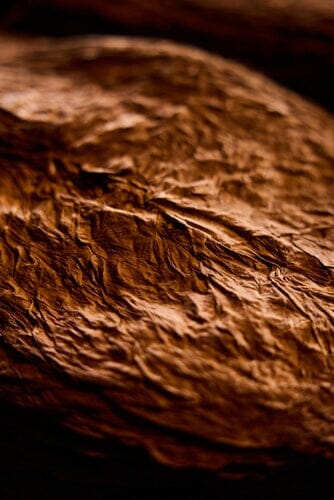
In the world of rolling, a quiet but profound pursuit of perfection exists among connoisseurs. It’s a journey that moves beyond mere convenience, seeking an experience that is authentic, personal, and deeply satisfying. This path inevitably leads away from mass-produced shortcuts and toward materials that honor tradition and craftsmanship. At the heart of this quest lies a natural wonder, a single leaf revered for its unmatched quality and versatility. This is the realm of the Fronto leaf, a name spoken with respect by those who understand that the quality of the vessel is just as important as what it contains. It represents the pinnacle of the rolling arts, a benchmark against which all other options are measured. The journey to understanding its esteemed status is one of appreciating nature's design, agricultural artistry, and the timeless ritual of creation.
The Foundations of a Legend: Unearthing the History of Whole Leaf Tobacco
To truly appreciate why Fronto leaf holds such a revered position, one must first understand the deep-rooted history of tobacco itself and the evolution of its consumption. The story of Fronto is not an isolated event but rather the culmination of centuries of cultivation, cultural exchange, and a persistent desire for a more refined experience.
From Sacred Rituals to a Global Commodity
Long before it became a global trade item, tobacco held a sacred place in the cultures of the indigenous peoples of the Americas. It was not merely a recreational substance but a central element in spiritual ceremonies, medicinal practices, and social rituals. The plant itself was seen as a powerful gift, and its consumption was a means of communication with the spiritual world. The leaves were often smoked in pipes, offered as incense, or prepared in various other ways, always with a sense of reverence and purpose.
The arrival of Christopher Columbus in 1492 marked a pivotal turning point. He and his crew were introduced to tobacco by the native populations and quickly brought samples back to Europe. Initially viewed as a curiosity, its use gradually spread across the continent, first among sailors and explorers and later within the royal courts and aristocratic circles. The leaf was transformed from a sacred plant into a global commodity, driving economies and shaping trade routes. This expansion, however, also began a process of standardization and commercialization that would eventually create a demand for specific qualities in tobacco leaves.
The Birth of the Cigar and the Rise of Rolling
As tobacco consumption grew in popularity, so did the methods of its use. While pipes remained common, the practice of rolling tobacco leaves into a smokable form—the precursor to the modern cigar—gained traction, particularly in Spain and its colonies. This innovation was significant because it placed a new emphasis on the quality of the wrapper leaf. A good cigar required a leaf that was not only flavorful but also large, pliable, and strong enough to encase the filler tobacco without tearing. It needed to burn evenly and slowly, contributing its own subtle character to the overall experience.
This demand spurred agricultural innovation. Farmers began to selectively breed tobacco plants and refine their cultivation and curing techniques to produce leaves specifically for use as wrappers. This specialization led to the development of renowned tobacco-growing regions in places like Cuba, the Dominican Republic, and Connecticut, each known for producing wrapper leaves with distinct characteristics. The concept of a "premium wrapper" was born, establishing that the outer leaf was far from an afterthought; it was a critical component of a high-quality smoke.
How the Blunt Came to Be
The direct ancestor of the modern blunt emerged from Caribbean communities, particularly in Jamaica. The term "blunt" itself is derived from the "Phillies Blunt" brand of cigars, which were popular for their manageable size and widely available nature. The practice involved carefully slicing open the cigar, removing the lower-quality filler tobacco inside, and re-rolling it with the user's preferred herbal blend. This act of appropriation was a clever and resourceful way to create a slow-burning, flavorful smoke using a readily available product.
However, this method had its drawbacks. The quality of the cigar wrapper could be inconsistent. It was often dry and brittle from sitting on a shelf, making it prone to cracking. Furthermore, the tobacco used in these mass-market cigars was often processed and treated, which could impart a harsh or undesirable taste. As the culture of rolling blunts grew and spread, enthusiasts began to seek a better way. They wanted the slow burn and robust flavor of a tobacco wrapper but without the compromises of a pre-made, stale cigar. This desire for a superior, more authentic experience set the stage perfectly for the rise of the whole Fronto leaf as the ultimate solution. It offered a return to the roots of rolling—using a pure, unprocessed, natural leaf—while meeting the modern roller's demand for quality, size, and pliability.
What is the “Gold Standard” of Leaf Wraps Known as Fronto Leaf?
The term "Fronto" is more than just a name; it is a descriptor of quality and purpose. It doesn't refer to a single, specific strain of tobacco but rather to a grade of leaf that meets a stringent set of criteria making it ideal for rolling. Understanding what makes a leaf a "Fronto" involves delving into its agricultural origins, the meticulous processes of its transformation, and the system used to classify its excellence.
Not All Tobacco is Created Equal: The Specifics of Fronto
While many types of tobacco exist, only a select few are cultivated with the intention of becoming premium wrapper leaves. Fronto leaves typically come from robust plant varieties known for producing large, broad, and resilient leaves. Strains like the Connecticut Broadleaf and the Pennsylvania Broadleaf are legendary in the tobacco world for precisely these characteristics. These plants are bred to have a minimal central vein (or "stem"), which is a critical feature for a wrapper, as a thick, obtrusive stem can make rolling difficult and cause an uneven burn.
The terroir—the unique combination of soil, climate, and geography—plays an indispensable role. The Connecticut River Valley, for instance, is famous for its rich, loamy soil and specific microclimate, which have been yielding some of a world's finest wrapper tobaccos for generations. Farmers who cultivate Fronto are masters of their craft, understanding that the journey to a perfect leaf begins with selecting the right seed for the right piece of land.
The Art of Cultivation: From Seed to Sun-Kissed Leaf
The life of a potential Fronto leaf is one of constant care and attention. From the moment the tiny seeds are sown in protected seedbeds, the plants are meticulously managed. Once they are mature enough, they are transplanted to the fields, where they are spaced to allow for maximum growth and sun exposure.
Throughout the growing season, farmers engage in a process called "topping," which involves removing the flowering part of the plant. This redirects the plant's energy from seed production into its leaves, causing them to grow larger, thicker, and richer in essential oils. This step is crucial for developing the elasticity and rich flavor profile that define a quality Fronto. The leaves are nurtured, protected from pests, and harvested at the precise moment of peak maturity, a decision often made by sight and touch by farmers with decades of experience.
The Curing Crucible: Transforming Green to Gold
Harvesting is only half the battle. The next, and arguably most critical, phase is curing. This is the slow, deliberate process of drying the leaves, which removes moisture while allowing for complex chemical changes to occur. These changes are what develop the leaf's final color, aroma, and taste. For most Fronto leaves, the preferred method is air-curing.
In this time-honored technique, the leaves are hung in specially designed curing barns with vents that can be opened and closed to regulate temperature and humidity. Over a period of one to two months, the leaves transform from a vibrant green to shades of golden brown or deep, dark mahogany. During this time, the starches within the leaf convert to sugars, and the chlorophyll breaks down, eliminating any harsh, "green" taste. The process is a delicate dance with nature; too much humidity can cause mold, while too little can make the leaves dry out too quickly, becoming brittle and losing their essential oils. It is this patient and skillful curing that imbues Fronto with its signature smoothness, pliability, and rich, nuanced aroma.
Grading the Greats: The Classification of Fronto Leaves
After curing, the leaves undergo a rigorous grading process. They are sorted by hand based on a variety of factors. This is where a leaf truly earns its "Fronto" designation. Graders, often with years of experience, examine each leaf for:
-
Size and Shape: A true Fronto is impressively large and typically symmetrical, providing a maximum usable surface area for rolling.
-
Color: The color should be consistent and rich, indicating a proper cure. Shades can range from light tan to a deep, dark brown, with different colors often associated with slightly different flavor profiles.
-
Texture: The leaf must feel supple, oily, and elastic to the touch. It should stretch slightly without tearing, a hallmark of its durability.
-
Vein Structure: The central stem and smaller veins should be as unobtrusive as possible to ensure a smooth rolling surface and an even burn.
-
Overall Condition: The leaf must be free of blemishes, holes, or spots that could compromise its integrity as a wrapper.
Only the leaves that meet the highest standards across all these categories are classified as Fronto. Lesser leaves might be designated as "Grabba" (better for crushing and blending) or filler. This stringent selection process ensures that when a user purchases a Fronto leaf, they are receiving a product that represents the apex of tobacco cultivation and processing, a leaf literally chosen as the best of the best.
The Symphony of Senses as it Pertains to Why Fronto Reigns Supreme
The reputation of Fronto leaf as the gold standard isn't built on history alone. It is constantly reaffirmed by the tangible, sensory experience it delivers. For the discerning roller, the advantages of using a premium Fronto leaf over any alternative are immediately apparent, appealing to the sense of smell, touch, and taste, while also providing a superior, more controlled experience. These key characteristics work in harmony to create a result that is simply unattainable with processed wraps or lower-quality leaves.
The Unmistakable Aroma: A Prelude to the Experience
The moment a package of high-quality Fronto leaf is opened, the experience begins. It releases a complex and deeply satisfying aroma that is entirely natural. Unlike the one-dimensional, artificial scents of flavored blunt wraps, Fronto offers a rich bouquet of earthy notes. Depending on the specific leaf and its cure, one might detect hints of dark chocolate, rich soil, subtle sweetness akin to raisins or molasses, or even a touch of cedar. This is the authentic scent of well-cured, premium tobacco, a smell that speaks of the farm and the curing barn, not a laboratory. This aromatic prelude sets the tone for a more organic and sophisticated session, promising a natural taste that will complement, not mask, the contents of the blunt.
A Matter of Texture and Pliability: The Perfect Roll Every Time
One of the most praised attributes of Fronto is its remarkable physical character. When properly hydrated, the leaf is incredibly pliable and resilient. It has a unique elasticity that allows it to be stretched and manipulated during the rolling process without easily tearing or cracking—a common frustration when using dried-out cigarillo wrappers. This durability is not just about preventing rips; it allows the roller to achieve a much tighter and more uniform roll.
The texture is smooth and slightly oily, a sign of the well-preserved essential oils that contribute to its slow burn and rich flavor. This tactile quality makes the act of rolling itself a more enjoyable and connected process. It feels like working with a high-quality, natural material, akin to a chef using fresh pasta dough instead of a dried, boxed product. The inherent strength and flexibility of the Fronto leaf give the roller complete control, enabling the creation of perfectly sealed, beautifully crafted blunts of any size or shape.
The Slow, Even Burn: The Connoisseur's Pace
The ultimate test of any rolling medium is how it performs when lit. This is where Fronto truly distinguishes itself. Due to its thickness, natural oil content, and the meticulous curing process it undergoes, a Fronto leaf burns at a significantly slower and more even rate than virtually any other wrapper. This slow, steady combustion is highly sought after because it allows for a more relaxed, extended, and enjoyable experience.
Furthermore, a well-rolled Fronto blunt is far less likely to "canoe"—a phenomenon where one side of the roll burns faster than the other, wasting the contents and creating a harsh draw. The consistent structure of the leaf ensures that the ember progresses uniformly down the length of the blunt. This controlled burn not only prolongs the session but also helps to keep the smoke cooler and smoother, allowing the full spectrum of flavors to be appreciated without excessive heat or harshness.
The Flavor Profile: An Authentic and Complementary Taste
While processed blunt wraps often use overpowering artificial flavors to mask the taste of low-quality reconstituted tobacco, Fronto offers a flavor that is both authentic and complementary. The taste is robust and full-bodied, yet it is also clean and natural. It adds its own subtle, rich tobacco notes to the experience, but in a way that enhances and elevates the flavor of the herbal blend it contains.
Think of it as the difference between a sugary fruit cocktail and a fine wine paired with a gourmet meal. The artificial wrap is the cocktail, overwhelming everything with its synthetic sweetness. The Fronto leaf is the fine wine, its complex notes harmonizing with the main course, creating a more sophisticated and enjoyable combination. This ability to add depth and character without overpowering the primary flavors is a key reason why connoisseurs overwhelmingly prefer Fronto.
The Economic and Customization Edge: Size Matters
On a purely practical level, Fronto leaf offers unparalleled value and versatility. These leaves are sold whole and are typically very large. A single premium Fronto leaf can often yield enough material for three, four, or even more blunts, depending on the desired size. When compared to the cost of buying individual cigarillos or packs of two wraps, the cost per blunt when using Fronto is often significantly lower.
This size also grants the user complete freedom of customization. You are not limited to the uniform size and shape of a pre-made product. Whether you prefer a short, personal-sized roll or a large format for sharing, the Fronto leaf can be cut to your exact specifications. This freedom to create a bespoke product tailored to the occasion and the number of participants is an empowering aspect of using whole leaf that simply cannot be matched by its mass-market competitors.
In the Shadow of the Standard: Fronto vs. The Rest
The dominance of Fronto leaf in the world of premium rolling is not a matter of chance; it is a direct result of its superior qualities when compared to the available alternatives. Each competitor, from mass-market wraps to re-purposed cigarillos, presents a series of compromises that highlight why Fronto remains the undisputed gold standard for those who prioritize quality, authenticity, and control.
The Processed Predicament: Mass-Market Blunt Wraps
At first glance, homogenized or mass-market blunt wraps seem convenient. They come in perfectly uniform sheets, are often pre-flavored, and are widely available. However, the convenience comes at a steep cost to quality. These wraps are not made from whole leaf tobacco. Instead, they are typically produced from a pulp of reconstituted tobacco—a mixture of tobacco stems, dust, and other byproducts—which is pressed into paper-like sheets.
This industrial process strips away the natural character of the tobacco. To make this pulp palatable and functional, a host of additives are often introduced, including glues to hold it together, chemical preservatives to extend shelf life, and humectants to keep it moist. The flavors are almost exclusively artificial, designed to be overwhelmingly strong to mask the low-grade tobacco base. The result is a product that burns quickly and often harshly, with a chemical aftertaste that interferes with the flavor of the material inside. The experience is a world away from the slow, clean, and natural burn of a whole Fronto leaf.
The Cigarillo Compromise: Gutting and Re-Rolling
The practice of buying a cigarillo, such as a Swisher Sweet or a Backwoods, and re-purposing its wrapper is a step up from reconstituted wraps but still falls well short of the Fronto standard. The main advantage here is that you are often starting with a real tobacco leaf. However, the quality of that leaf is a significant variable. The tobacco used for mass-produced cigarillos is chosen for its ability to withstand machine-rolling and for its low cost, not for its premium wrapper characteristics.
The most significant issue is freshness. These products can sit in warehouses and on store shelves for months, causing the wrapper to become dry, brittle, and prone to cracking during the delicate process of emptying and re-rolling. The filler tobacco that is discarded can also leave behind a stale or dusty residue on the wrapper, tainting the flavor. While some brands are known for better wrappers than others, the user is ultimately at the mercy of mass production, with little consistency in leaf quality, thickness, or durability from one pack to the next. It is a compromise born of convenience, not a choice driven by the pursuit of quality.
The Natural Leaf Niche: Grabba and Other Whole Leaves
It is important to draw a distinction between "Fronto" and "Grabba," as the terms are sometimes used interchangeably, though they describe different qualities and uses. "Grabba" typically refers to a darker, thicker, and more potent tobacco leaf that is often crushed or broken up ("grabbed") and mixed directly with the herbal blend to add a powerful kick and flavor. While some high-quality leaves can be used as Grabba, the leaves specifically sold for this purpose are often of a lower grade than Fronto—they might have blemishes, thicker veins, or be less pliable, making them unsuitable for wrapping.
Fronto, on the other hand, is the designation for a wrapper-grade leaf. It is prized for its aesthetic perfection, its pliability, and its ability to serve as a flawless vessel. While a user could certainly crush up a piece of Fronto leaf to use as Grabba, it would be akin to using a vintage cabernet for a sangria—it works, but it's not the intended purpose for such a high-quality product. The distinction is crucial: Fronto is the wrapper, the gold standard for encasing the blend. Grabba is an additive, an ingredient mixed into it. This clarifies Fronto's unique position at the top of the whole leaf hierarchy.
From Leaf to Light: Embracing the Art of the Roll
Choosing to use a Fronto leaf is about more than just selecting a superior product; it is about embracing a ritual. The process of transforming a whole, natural leaf into a perfectly crafted blunt is an art form in itself. It requires patience, skill, and an appreciation for the material. This hands-on approach creates a deeper connection to the entire experience, turning a simple act into a satisfying craft that elevates the final moment of enjoyment.
Preparation is Paramount: Hydrating and Cutting the Leaf
A premium Fronto leaf is a natural product, and its condition can vary based on the ambient humidity. If the leaf feels slightly dry or stiff, the first step is proper rehydration. This can be done by placing the leaf in a sealed container with a small piece of a damp paper towel (not touching the leaf directly) or a dedicated humidity pack. In just a short time, the leaf will absorb the moisture and become soft, pliable, and incredibly workable.
Once the leaf is perfectly supple, the next step is to prepare it for rolling. Lay the leaf flat on a clean surface and inspect its structure. The goal is to cut a section that avoids the thick central stem. Using a sharp blade or a pair of scissors, carefully cut a rectangular piece of your desired size. Many experienced rollers prefer to make their cut in a slight parallelogram shape, which can help in achieving a tapered, cone-like form. This preparatory stage is a mindful process that sets the foundation for a successful roll.
The Technique of the True Roller: Tucking, Sealing, and Shaping
With the wrapper cut and the herbal blend prepared, the true craft begins. The technique is similar to rolling with other materials, but the unique properties of Fronto allow for a higher degree of precision. After placing the blend along the center of the leaf, the key is the initial "tuck." Using your thumbs, you carefully roll the front edge of the leaf over and tuck it snugly behind the blend. The elasticity of the Fronto leaf is a major asset here, allowing you to create a tight cylinder without fear of tearing the wrapper.
Once the tuck is secure, you continue to roll the blunt forward, using your fingers to maintain a consistent shape and pressure. The final step is sealing the edge. Unlike paper, a Fronto leaf seals beautifully with just a small amount of moisture. The natural oils and sugars in the leaf create a strong, lasting bond. After it's sealed, many rollers will gently "toast" the blunt by running a lighter flame quickly along its length (without it catching fire). This helps to dry the seal, tighten the wrapper slightly, and give the finished product a professional, polished look.
A Connection to the Process: The Mindful Experience
Mastering the art of rolling with Fronto is a rewarding skill. It transforms a routine into a ritual. There is a profound sense of satisfaction that comes from taking a raw, natural product and crafting something with your own hands. This intentional process encourages a moment of focus and presence, a welcome pause in a fast-paced world.
This connection to the craft deepens the appreciation for the final experience. The blunt is no longer just a disposable product grabbed from a package; it is the result of your own skill and effort. Every smooth draw and every even burn is a direct testament to the quality of the leaf and the care you put into rolling it. It is this synergy of premium material and personal craftsmanship that truly defines the gold standard experience and solidifies the Fronto leaf's legendary status among those who know.
That Enduring Legacy of the Leaf
The enduring appeal of the Fronto leaf transcends mere preference; it represents a deliberate choice for authenticity in an age of mass production. Its status as the gold standard is not a title bestowed by marketing, but one earned through centuries of agricultural refinement and affirmed by generations of connoisseurs. To engage with a Fronto leaf is to participate in a tradition that values the raw, unaltered beauty of nature over the convenience of the artificial. The journey from a carefully tended plant to a masterfully rolled blunt is a testament to the idea that the process itself holds as much value as the outcome, fostering a deeper connection and a more profound sense of satisfaction. It stands as the definitive choice for those who understand that the ultimate experience is built not just on what you roll, but on the uncompromised quality of the vessel you choose to create it with.
Share:
How are Some Cigars Able to Add in a Bourbon or Rum Flavor?
A Cigar Smoking Question: Could Cigars Containing Numerous Flavors Go Stale and Lose Their Flavor at a Quicker Rate?