
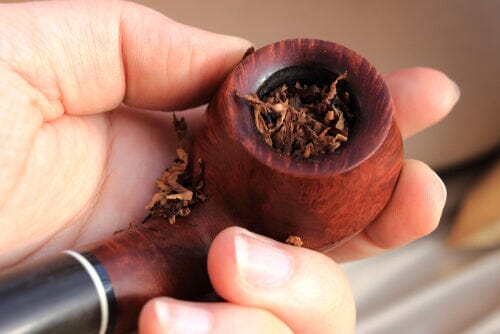
The crisp crackle of a tin’s seal breaking for the first time is a sound full of promise, a moment brimming with untapped potential and aromatic mystery. It’s a sensory overture, where the carefully layered scents of cured leaf, time, and craftsmanship finally rise to greet you, offering the first hint of the journey ahead. This initial encounter is a crucial handshake between you and the blender's creation, a complex narrative waiting to be read not with the eyes, but with the palate. For the seasoned pipe smoker and the curious newcomer alike, this moment represents more than just a new product; it’s an invitation to explore a different corner of an old and storied world. Navigating this introduction with patience and intention is the key to unlocking the true character hidden within the strands of tobacco, transforming a simple smoke into a profound and personal experience of discovery. This careful approach ensures that the first impression isn’t a fleeting judgment, but the beginning of a genuine understanding.
Pipe Tobacco 101
The story of pipe tobacco is deeply rooted in the history of the Americas, where the tobacco plant, specifically species like Nicotiana Rustica and Nicotiana Tabacum, was cultivated and used by indigenous peoples for centuries in ceremonial, medicinal, and social contexts. When European explorers arrived, they were introduced to this unique plant and its various consumption methods, including the use of pipes. The practice was quickly adopted and transported back across the Atlantic, where it spread with remarkable speed throughout the 16th and 17th centuries. Initially, it was a luxury commodity, but as cultivation expanded into colonies like Virginia, it became a cornerstone of transatlantic trade and a staple of daily life for people from all social strata. This historical journey from sacred plant to global commodity has shaped not only economies and cultures but also the very agricultural and processing techniques that define the tobaccos we enjoy today, with each region and era adding its own chapter to the plant's sprawling narrative.
At the heart of any pipe tobacco blend is the meticulous art of curing, a transformative process that converts the raw, green leaves from the field into the stable, aromatic, and flavorful product ready for blending. There are several primary methods, each imparting a distinct character to the leaf and fundamentally altering its chemical structure, particularly its sugar and oil content. Flue-curing, primarily used for Virginia tobaccos, involves hanging leaves in barns with heated flues, rapidly drying them to lock in a high sugar content, resulting in a bright, sweet, and often tangy flavor profile. In contrast, air-curing, typical for Burley tobacco, is a slower process where leaves are hung in well-ventilated barns to dry naturally over several weeks; this method produces a leaf low in sugar but high in natural oils, giving it a deep, nutty, and chocolate-like character capable of absorbing other flavors. These foundational processes are the first and most critical steps in determining the eventual taste, burning characteristics, and overall personality of the final blend.
Beyond the two most common methods, other specialized curing techniques create the more exotic and potent "condiment" tobaccos that add profound depth and complexity to a blend. Fire-curing is an intense process where leaves are hung in barns and exposed to the smoke of smoldering hardwood fires for days or even weeks; this imbues tobaccos like Latakia and Dark-Fired Kentucky with powerful, smoky, leathery, and barbecue-like flavors that are unmistakable and potent. Sun-curing, as the name implies, involves laying leaves out in the sun to dry, a method common for Oriental or Turkish tobaccos, which results in a leaf that is highly aromatic, fragrant, spicy, and often has a unique sweet-and-sour quality. The choice of curing method is the first major decision a blender makes, as it sets the fundamental palette of flavors they will have to work with when composing their final masterpiece, much like a painter choosing between watercolors, oils, or acrylics.
The journey from a cured leaf to the tobacco in your tin involves a series of intricate mechanical and natural processes that further refine its character. After curing, leaves are sorted by grade and then often subjected to pressure. This can take many forms: pressed into large "cakes," which are then sliced into "flakes"; rolled tightly into "ropes"; or layered and pressed into dense "plugs". This pressing is not merely for packaging; it forces the oils and flavors of the different component leaves to meld and marry in a way that simply mixing them cannot achieve. Furthermore, this compression, combined with carefully controlled humidity, encourages a slow, natural fermentation and aging process. Over months or even years, the tobacco matures, its flavors deepening, its sharper edges mellowing, and its overall profile becoming more harmonious and complex, much like a fine wine or cheese developing its character over time in a cellar.
Ultimately, pipe smoking is as much about the ritual and the sensory experience as it is about the tobacco itself; it is a contemplative practice that encourages a slower, more deliberate pace of life. The selection of a pipe, the careful packing of the bowl, the ritual of the charring light followed by the true light, and the gentle, rhythmic tamping throughout the smoke are all integral parts of the experience. This process creates a space for reflection and relaxation, a stark contrast to the hurried nature of modern life. The aroma that fills the air, known as the "room note," adds another layer to this ambiance, while the actual taste and "mouthfeel" on the palate provide a complex tapestry of sensations for the smoker to explore. Understanding that pipe tobacco is not meant to be inhaled but rather "sipped" and savored is fundamental to appreciating its nuances and avoiding unpleasantries like tongue bite, turning the act into a mindful engagement of the senses.
What Defines a Pipe Tobacco Blend?
A pipe tobacco blend is far more than a simple mixture of dried leaves; it is a carefully orchestrated symphony of flavor, aroma, and texture, composed by a master blender. Every element, from the choice of primary tobacco varietals to the specific cut of the leaf and the whisper of a top flavoring, is a deliberate decision aimed at creating a specific, repeatable, and balanced smoking experience. The blender acts as both an artist and a scientist, leveraging a deep understanding of agricultural products, curing methods, and aging processes to achieve a final product that is greater than the sum of its parts. This creation is defined by a multitude of interconnected factors, each playing a crucial role in how the blend packs into the bowl, how it burns, how it tastes on the palate, and the aroma it leaves in the room. To truly appreciate a new blend, one must first understand these foundational building blocks that give it its unique identity:
-
Component Tobaccos and Their Proportions: The very soul of a blend is determined by the types of tobacco leaves used and their respective ratios. The primary or "base" tobaccos, such as the sweet and grassy Virginias or the nutty and earthy Burleys, typically make up the bulk of the mixture and establish its fundamental character. Layered on top of this are the "condiment" tobaccos, used in smaller quantities to add specific layers of complexity and accent. Smoky, leathery Latakia, spicy and fruity Perique, and fragrant, tangy Oriental/Turkish leaves are all used like a chef uses potent spices. The genius of a blender lies in their ability to balance these components perfectly, so no single element overwhelms the others, creating a harmonious and evolving flavor profile from the first light to the last ash.
-
The Physical Cut of the Leaf: How the tobacco is cut has a profound impact on the practical mechanics of the smoking experience, which in turn directly influences flavor delivery. A fine "Shag" or thin "Ribbon" cut packs easily and burns relatively quickly, offering an immediate release of flavor but requiring a slower puffing cadence to prevent overheating. Conversely, "Flake" tobaccos, which are pressed cakes sliced into sheets, must be folded, rubbed out, or broken apart before packing, and they tend to burn much slower and cooler, often revealing deeper, more complex flavors as the bowl progresses. Other cuts like "Coin" or "Curly Cut" (sliced ropes), dense "Plugs," and "Crumble Cakes" each offer unique preparation rituals and burning characteristics, making the cut a critical factor in the blend's overall behavior and personality.
-
Casings and Top Notes (Flavorings): These are the elements that most clearly distinguish Aromatic from non-Aromatic blends. A "casing" is a sauce, often containing sugars, licorice, or cocoa, that is applied to the tobacco (usually Burley or Cavendish) early in the process to mellow its character, add sweetness, and act as a humectant. It forms an integral part of the leaf's base flavor. A "top note" or "top dressing," on the other hand, is a more volatile aromatic agent, such as vanilla, cherry, rum, or whiskey, applied as a final step. This is what creates the prominent aroma you smell upon opening the tin and what largely contributes to the pleasant "room note" of the smoke, though it may not always translate directly to the taste on the palate.
-
Moisture Content at the Time of Smoking: The level of humidity within the tobacco when it is packed into the pipe is a critical yet often overlooked variable. Tobacco that is too wet will be difficult to light, will struggle to stay lit, and will tend to produce a large amount of steam, leading to the dreaded "tongue bite" and a gurgling sound in the pipe. It can also taste flat and indistinct as the flavors are muted by the excess moisture. Conversely, tobacco that is too dry will burn hot and fast, creating a harsh, ashy, and often bitter taste while obliterating the subtle nuances of the blend. The ideal is a "Goldilocks" state—springy to the touch but not sticky—which requires many smokers to dry a fresh blend for a period ranging from 15 minutes to several hours before smoking.
-
The Influence of Pressing and Aging: Many premium blends undergo significant pressing and aging before they are ever tinned, and this process profoundly shapes their final character. When different tobaccos are compressed together under immense pressure to form cakes, plugs, or flakes, their natural oils and flavors are forced to intermingle and marry. This process, combined with time, initiates a slow, natural fermentation. During this aging period, the flavors meld and become more cohesive, harsh edges are smoothed out, and new, complex notes of dark fruit, earth, and musk can develop. A freshly opened tin of a flake tobacco is a snapshot in time, and its character will continue to evolve and mature for years if cellared properly, making aging a key definer of its potential.
-
Nicotine Strength (The "Vitamin N" Factor): It is crucial to distinguish between flavor intensity and nicotine strength, as they are not necessarily related. A blend can be full of bold, smoky flavor yet be relatively mild in nicotine, while another can be light and subtly sweet on the palate but deliver a powerful nicotine kick. This strength is primarily determined by the type and grade of leaf used; Burley and Dark-Fired Kentucky, for example, are known for typically carrying a higher nicotine content than most Virginias or Orientals. Understanding a blend's nicotine level is essential for enjoyment, as a blend that is too strong can lead to dizziness or nausea, especially for a novice or on an empty stomach. It is a fundamental characteristic that defines who the blend is for and when it is best enjoyed.
-
The Balance Between Room Note and Taste: A common point of confusion for new pipe smokers is the difference between the aroma perceived by those around them (the room note) and the actual flavor they experience. This is especially pronounced in Aromatic blends, where a top note of cherry or vanilla might create a delightful, sweet-smelling smoke for bystanders, while the smoker themselves primarily tastes the underlying Virginias and Burleys with only a hint of that flavoring. Conversely, a Latakia-heavy English blend might have a "campfire" or "leathery" room note that non-smokers find pungent, while the smoker experiences a complex, savory, and satisfyingly rich flavor. A blend is therefore defined by both of these sensory outputs, which serve different purposes and appeal to different sensibilities.
-
The Blender's Philosophy and Intent: Beyond the tangible components, every blend is a reflection of its creator's vision. A master blender approaches their craft with a specific goal in mind—perhaps they want to recreate a classic, long-lost blend from memory, or they aim to push the boundaries by combining tobaccos in a new and innovative way. They might be striving for perfect balance and subtlety, or they might want to create a bold "flavor bomb" that challenges the palate. This intangible element, this guiding philosophy, dictates all the other choices they make. Understanding the story behind a blend or the reputation of its blender can provide valuable context and a deeper appreciation for the artistry contained within the tin, defining its purpose and place in the wider world of pipe tobacco.
Getting to Know the Different Types/Kinds of Pipe Tobacco Blends
Navigating the vast landscape of pipe tobacco can initially feel overwhelming, but thankfully, most blends can be grouped into several major "families" or categories. These classifications provide a crucial roadmap for smokers, offering a general idea of the flavor profile to expect based on the primary component tobaccos and processing methods used. While there is certainly crossover and innovation that blurs the lines between these categories, understanding the core definitions is the single most important step in identifying your personal preferences and exploring new blends with confidence. Each family below offers a distinct world of flavor, from smoky and savory to sweet and spicy, ensuring there is a style to suit nearly any palate or mood:
-
English Blends: The quintessential characteristic of an English blend is the prominent presence of Latakia, a fire-cured tobacco that imparts a distinctive smoky, leathery, and earthy flavor. This is typically balanced by a base of Virginia tobacco, which provides a foundational sweetness and body, and often includes Oriental/Turkish tobaccos that add a layer of fragrant, tangy, and herbal spice. The interplay between the smoky Latakia and the zesty Orientals over the sweet Virginia base creates a savory, complex, and deeply satisfying experience that many pipe smokers cherish, particularly in cooler weather. They contain no artificial flavorings and are celebrated for their rich, natural tobacco taste.
-
Balkan Blends: Often considered a sub-category of English blends, Balkan blends are distinguished by a significant shift in balance. While they still contain Virginia and Latakia, the defining feature of a Balkan is the forward and dominant role of the Oriental/Turkish tobaccos. This results in a flavor profile that is exceptionally aromatic, fragrant, and complex, with notes of exotic spices, herbs, and a pronounced tangy or "sour" quality that elevates the blend beyond the simple smokiness of a typical English. The Latakia is still present, but it acts more as a supporting player, providing a smoky backbone rather than being the star of the show, leading to a vibrant and multi-layered smoke.
-
Virginia and VaPer Blends: Blends in this family celebrate the natural character of Virginia tobacco. Pure Virginia blends can range from bright and grassy with notes of citrus and hay to deep, dark, and sweet with flavors reminiscent of dried fruit, caramel, and bread, depending on the type of Virginia leaf used and how it's aged. A "VaPer" is a Virginia blend to which a small amount of Perique has been added. Perique, a uniquely processed tobacco from a small region of Louisiana, contributes a powerful dose of peppery spice and distinctive notes of figs, plums, and other dark fruits, creating a wonderfully complex interplay of sweet and spicy that is highly prized by connoisseurs.
-
Aromatic Blends: This is arguably the largest and most diverse category, defined by the addition of significant casings and/or top note flavorings. The base tobaccos are often mild Burley and Cavendish (a steamed and sweetened form of Virginia or Burley) chosen for their ability to absorb and carry added flavors like vanilla, cherry, chocolate, rum, or whiskey. Aromatics are renowned for their pleasant tin notes and even more so for their enjoyable "room note," making them appealing to those around the smoker. The challenge with Aromatics is to smoke them slowly and coolly to avoid tongue bite and to fully appreciate both the added flavoring and the underlying quality of the tobacco itself.
-
Burley-Based Blends: While Burley is a component in many blend types, those that feature it as the star are a distinct category unto themselves. These blends showcase Burley's classic flavor profile: nutty, earthy, and often with notes of cocoa or chocolate. Due to its low sugar content, Burley provides a very dry, straightforward smoke and typically has a higher nicotine content than Virginia. It forms the backbone of many classic American "drugstore" blends, often lightly cased with sweeteners or liquors, but is also celebrated in its more natural state in high-quality "Codger" and artisanal blends that focus on its pure, robust, and no-nonsense character.
-
Dark-Fired and Kentucky Blends: For those who crave a bold, powerful, and intensely flavorful smoke, blends featuring Dark-Fired Kentucky are the answer. A relative of Burley, Dark-Fired Kentucky is a fire-cured tobacco, but its process is distinct from that of Latakia, resulting in a flavor profile that is less leathery and more akin to a smoky, savory barbecue. It is robust, earthy, and peppery, often with notes of woodsmoke and spice, and it carries a very substantial nicotine punch. It is most often used as a condiment to add strength and a smoky dimension to Virginia or Burley blends, but it is also the main component in certain powerful ropes and flakes for the most seasoned smokers.
-
Cavendish: It is important to note that Cavendish is not a type of tobacco leaf itself, but rather a process. It typically starts with Virginia or Burley leaves that are subjected to intense pressure and heat, often with the addition of steam and flavorings, which causes the tobacco to ferment and sweeten. The result is a tobacco that is very mild, mellow, and slightly sweet, with a texture that packs and burns easily. Black Cavendish is the most common, having been toasted to a deep black color. Cavendish is the foundational component of most Aromatic blends, but it is also sometimes used in small quantities in non-Aromatic blends to add a touch of sweetness and improve the burning characteristics.
The Importance of Easing into a New Pipe Tobacco Blend
Approaching a new pipe tobacco blend requires a measure of patience and a methodical mindset, as a rushed or careless first encounter can easily lead to a skewed and unfair judgment. The human palate is a remarkably sensitive but also highly adaptable instrument, and it can be easily overwhelmed by a sudden introduction to a powerful or unfamiliar flavor profile. This phenomenon, often called "palate shock," can cause the more subtle and nuanced notes of a complex blend to be completely masked by its most dominant characteristics. It's akin to taking a large gulp of a bold, cask-strength whiskey instead of a small, exploratory sip; the initial burn of the alcohol can obliterate the delicate underlying flavors of oak, vanilla, and fruit. By easing into a new blend with smaller bowls and a slower cadence, you give your palate the necessary time to acclimate, allowing it to gradually peel back the layers and begin to appreciate the full spectrum of flavors the blender intended.
Furthermore, a deliberate and careful introduction is an act of respect for both the blend itself and the pipe in which you choose to smoke it. Many hours of labor, from the farmer to the master blender, have gone into creating the tobacco in your tin, and giving it a fair trial is the best way to honor that craftsmanship. Rushing the experience by puffing too quickly in an attempt to extract flavor will invariably cause the tobacco to burn too hot, which not only creates tongue bite but also destroys the very flavor compounds you are seeking to enjoy, resulting in a harsh, ashy taste. Moreover, this approach safeguards your collection of pipes, particularly those made of briar. A very strong blend, especially a Latakia-heavy English or a uniquely flavored Aromatic, can impart a "ghost" of its flavor into the porous wood of a briar pipe, a lingering essence that can taint the taste of other, more delicate blends smoked in it for a long time to come.
Ultimately, the process of easing into a new tobacco blend transforms the act from simple consumption into a rewarding journey of discovery. It encourages a state of mindfulness and active engagement with the experience, turning you from a passive smoker into an active taster. By paying close attention during these initial smokes—noting how the flavor evolves from the initial light, through the mid-bowl, and to the final embers—you begin to build a relationship with the blend. You learn its personality, its quirks, and its hidden depths. This patient exploration is the very essence of the pipe smoking hobby for many enthusiasts. It is not about the destination of finding a single "perfect" blend, but about the rich and endlessly fascinating journey of exploring the vast and varied world of flavors that pipe tobacco has to offer, one careful and contemplative bowl at a time.
7 Ways to Properly Ease into a New Tobacco Blend
Having understood the importance of a patient introduction, we can now turn to the practical steps that ensure every new blend gets a fair and thorough evaluation. These methods are not rigid rules, but rather proven techniques designed to isolate the character of the tobacco and give your palate the best possible chance to understand it. By adopting a systematic approach, you remove many of the external variables that can color your perception, such as a ghosted pipe or a distracted mood. The goal: create a controlled, repeatable environment for tasting, allowing the true nature of the blender's art to shine through clearly and without interference. So, here’s how you go about doing just that:
-
Dedicate a Pipe or, Even Better, Use a Corn Cob: This is perhaps the most critical step in avoiding cross-contamination of flavors. Briar wood is porous and can absorb the "ghost" of potent tobaccos, which can then influence the taste of whatever you smoke in that pipe next. Dedicating a specific briar pipe to each blend family (e.g., one for English, one for VaPers, one for Aromatics) is a good long-term strategy. For the very first trial of a completely new blend, however, nothing beats the neutrality of a corn cob or meerschaum pipe. These materials are far less prone to ghosting and provide a pure, uncolored representation of the tobacco's flavor, ensuring that what you are tasting is the blend itself and not the lingering memory of a previous smoke. Corn cob pipes are exceptionally affordable, require virtually no break-in period, and smoke remarkably well, making them the perfect low-risk vehicle for experimentation. Smoking a delicate Virginia blend in a briar pipe previously used for a potent Latakia mixture can create a muddled, confusing flavor where neither tobacco can be properly appreciated. A corn cob completely eliminates this risk, presenting the blend’s profile as the blender intended.
-
Start with a Small, Half-Filled Sample Bowl: Resist the temptation to pack a large, full bowl for your first experience with a new blend. There are several practical reasons for this. First, if you discover you strongly dislike the blend, you haven't wasted a significant amount of it. Second, a smaller smoke is less of a time commitment, allowing for a more focused and attentive tasting session without the risk of becoming distracted. Most importantly, it allows you to experience the full evolution of the tobacco—from the initial light to the bottom of the bowl—on a smaller, more manageable scale, giving you a complete snapshot of its character. A large bowl of a new, complex tobacco can also cause "palate fatigue," where your taste buds become overwhelmed and desensitized before you even reach the final third. A smaller sample respects your palate's limits and keeps your perceptions sharp from start to finish. This approach frames the experience as a "tasting" rather than a full commitment, encouraging a more analytical and open-minded perspective.
-
Perfect the Moisture Level Before Packing: Tobacco is almost always shipped with a higher moisture content than is ideal for smoking, as this helps preserve it during storage and transit. Smoking it directly from a fresh tin or pouch will often lead to a steamy, hot smoke that bites the tongue and mutes the flavor. Before your first bowl, take a small pinch of the tobacco and let it air-dry on a piece of paper for 15 to 60 minutes, depending on its initial dampness. The goal is a texture that feels dry to the touch but is still springy when squeezed; it should not be brittle or crumble to dust. Many newcomers don't realize that "tongue bite" is often not a chemical burn, but a literal steam burn caused by the vaporization of excess water in the leaf. Taking the time to properly dry your tobacco is the single most effective way to prevent this discomfort. This is a crucial skill in the hobby, as learning to dial in the perfect moisture level for each specific blend is a variable that you, the smoker, have complete control over.
-
Adopt a Slow, Deliberate "Sipping" Cadence: The biggest mistake newcomers and even some experienced smokers make is puffing too frequently and too aggressively. This turns the pipe bowl into a miniature furnace, overheating the tobacco and destroying its delicate flavor molecules. The proper technique is to "sip" the smoke gently, with a slow, relaxed cadence—just enough to keep the embers glowing without creating a large volume of hot smoke. A good rule of thumb is that the bowl of your pipe should always feel comfortably warm to the touch, but never hot. Think of it like savoring a hot cup of tea; you sip it slowly to enjoy the flavor and avoid burning your mouth, and the exact same principle applies here. Do not be afraid to relight your pipe; it is a normal and expected part of a slow, contemplative smoke. In fact, a dozen matches used for one cool, flavorful bowl is infinitely better than one match used for a hot, bitter, and unpleasant one. This relaxed pace allows the various tobaccos in the blend to smolder at their ideal temperatures, revealing the complex interplay of notes as they were meant to be experienced.
-
Cleanse and Prepare Your Palate: What you eat or drink immediately before and during your smoke can have a massive impact on your perception of the tobacco's flavor. To give a new blend a fair tasting, ensure your palate is a neutral canvas. Avoid sugary drinks, strong coffee, or heavily spiced foods beforehand, as these can coat your tongue and skew the tobacco's taste. The ideal accompaniments are those that cleanse the palate without leaving a strong aftertaste; plain, cool water is the best choice for a pure tasting. Unsweetened black coffee or a mild black tea can also work well. It is also wise to conduct your tasting when your palate is fresh, such as mid-morning or late afternoon, rather than right after a heavy or flavorful meal. A simple sip of water between puffs can also "reset" your taste buds during the smoke, allowing you to perceive the evolving flavors more clearly as you progress down the bowl.
-
Take Notes and Engage Your Senses Actively: Transform the smoke from a passive activity into an active tasting session by keeping a simple journal. Before you even light the pipe, open the tin and write down your impression of the "tin note"—what does it smell like? Once you light it, pay attention to the initial flavors. How do they change as you progress through the mid-bowl? What new notes emerge? After the smoke is finished, consider the lingering aftertaste and the room note. This practice of active observation not only helps you better understand each blend but also trains your palate to identify more subtle flavors over time. Try to be descriptive: is the smokiness like a campfire or more like leather? Is the sweetness like dark fruit or more like fresh hay? This active search for descriptors deepens your engagement and appreciation for the blender's craft. Over time, this journal becomes an invaluable personal resource, a map of your own unique tastes that can confidently guide future explorations.
-
Give it More Than One Chance: A single bowl is rarely enough to form a complete and final opinion of a blend. Your experience can be influenced by countless factors: your mood, the time of day, what you ate for lunch, the weather, or the specific pipe you used. A blend you find mediocre in one session might reveal incredible depth and become a favorite in another. Commit to smoking at least three to five bowls of a new blend, preferably at different times and perhaps in a different (but still neutral) pipe, before passing final judgment. Some of the most beloved and complex tobaccos, especially those rich in Virginia leaf, have a "learning curve" and only reveal their true magic once you understand how they prefer to be packed and smoked. Think of it like listening to a complex album; the first listen gives you the main melodies, but subsequent listens reveal the intricate harmonies and hidden layers you initially missed. Patience is often rewarded with a much deeper and more accurate appreciation of the blend's true character.
The Unfolding Narrative in Every Bowl
In the end, the careful art of easing into a new tobacco blend is about fostering a deeper connection to the hobby itself, elevating it beyond a simple habit into a rich and contemplative practice. It is an exercise in patience and sensory awareness, a deliberate choice to slow down and appreciate the intricate craftsmanship that exists within each tin. By giving every new pipe tobacco blend the time and attention it deserves, you’re not merely tasting tobacco; you are engaging with a story written by soil, sun, time, and the skilled hands of a blender. This methodical approach transforms uncertainty into curiosity and potential disappointment into an opportunity for learning, ensuring that the journey through the vast world of pipe tobaccos is always one of rewarding, personal discovery. The true pleasure lies not just in finding a favorite, but in the unfolding narrative that each new bowl has to tell.
Share:
Getting to Know the "Sticky" Side of Tobacco Wraps
What Defines a True Artisan Cigar?