
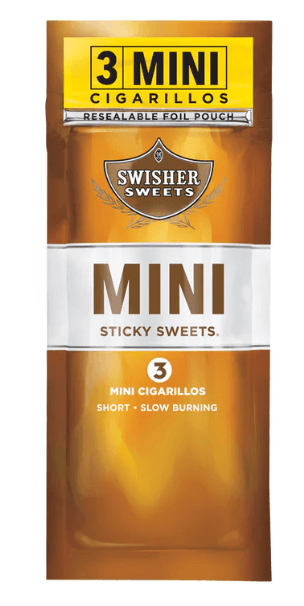
The gentle ritual of rolling has been a cornerstone of smoking culture for centuries, a tactile art form passed down through generations. It’s a process that demands a certain level of patience and finesse, transforming loose materials into a perfectly crafted vessel for enjoyment. In this world of time-honored tradition, the tobacco wrap itself has long been a central character, its texture, aroma, and pliability defining much of the experience. Yet, even the most established traditions are subject to innovation, evolving to meet the nuanced demands of the modern consumer. A quiet revolution has been unfolding, one that addresses a small but universally understood step in the rolling process: the seal. This evolution introduces a subtle yet significant modification that streamlines the entire experience, transforming a potential point of frustration into a moment of effortless perfection.
Some Quick Insights into Tobacco Wraps
Before delving into the modern conveniences that have reshaped the landscape, it’s essential to appreciate the rich history and inherent qualities of the tobacco wrap itself. For generations, the foundation of a good blunt has been the leaf of a tobacco plant, carefully selected, cured, and processed to achieve the perfect balance of flavor, strength, and burn rate. These are not just generic sheets; they are the products of specific agricultural practices, with varieties like the dark, robust Broadleaf or the milder, sweeter Candela offering distinctly different smoking profiles. The process of curing—whether air-cured, fire-cured, or flue-cured—dramatically influences the final character of the leaf, altering its sugar content, texture, and aroma. This deep-rooted connection to agriculture and craftsmanship is what gives the traditional wrap its authentic, earthy soul, a quality cherished by purists who see the rolling process as an integral part of the overall ritual.
The cultural significance of tobacco wraps extends far beyond their functional use; they are woven into the fabric of social gatherings, musical movements, and personal relaxation rituals across the globe. The act of deconstructing a cigarillo to procure its outer leaf, a common practice for decades, became a rite of passage in many circles, a shared activity that fostered camaraderie and conversation. The specific brands and types of wraps chosen often became signifiers of preference and status within a community, each with its own loyal following and associated lore. This communal aspect highlights that the wrap is more than just a delivery system; it’s a facilitator of shared experiences, a common thread connecting individuals in moments of leisure and creativity. The very aroma of a freshly opened pack can evoke powerful memories and a sense of belonging, underscoring its role as a cultural artifact.
As consumer preferences began to diversify, the market for tobacco wraps expanded dramatically, moving beyond the simple cigarillo leaf to include a vast array of pre-cut and specially formulated products. Manufacturers started introducing flavored wraps, infusing the tobacco leaves with everything from sweet fruit and rich vanilla to exotic spices and refreshing mint. This development was a direct response to a growing desire for customization and a more tailored sensory experience. Concurrently, the industry began to explore different leaf consistencies and compositions, creating homogenized or reconstituted tobacco wraps that offered a more uniform burn and easier handling compared to their more rustic, all-natural leaf counterparts. This wave of product innovation marked a pivotal shift, moving the focus from simple utility to a more nuanced appreciation of flavor, aroma, and user-friendliness.
This evolution also brought a heightened awareness of the materials being used, prompting a significant portion of the market to seek alternatives to traditional tobacco. This led to the rise of wraps made from other natural plant fibers, with hemp emerging as a dominant player. Hemp wraps offer a similar slow-burning, pliable experience but without the nicotine and distinct flavor profile of tobacco, allowing the taste of the material being smoked to take center stage. Other innovative materials like palm leaves, goji berries, and even cacao leaves have entered the market, each providing a unique texture, taste, and burn characteristic. This diversification reflects a broader trend toward wellness and conscious consumption, giving users unprecedented control over every aspect of their smoking experience, from the contents to the very vessel that contains them.
What is a “Sticky” Tobacco Wrap Then?
Amidst this landscape of flavor infusions and material innovations, another, more subtle evolution was taking place, one focused squarely on the mechanics of the rolling process itself. This gave rise to the "sticky" tobacco wrap, a product designed to solve one of the most common and sometimes frustrating steps: creating a secure, lasting seal. In essence, a sticky wrap is a blunt wrap that features a pre-applied, self-sealing adhesive strip along one edge, functioning much like the gum line on a conventional mailing envelope. This simple but ingenious feature completely eliminates the traditional need to use saliva to moisten and seal the blunt, offering a cleaner, more efficient, and incredibly reliable method for finishing the roll. It represents a fundamental shift in user experience, moving from a technique reliant on personal application to a system that provides a perfect seal every single time with minimal effort.
The key to this innovation lies in the adhesive strip itself, which is meticulously designed to be effective, safe, and unobtrusive. The most common adhesive used is natural Arabic gum, a hardened sap harvested from the Acacia tree. This all-natural, tasteless, and food-safe resin has been used for centuries as a binding agent and is the same adhesive found on most rolling papers and envelopes. When this gummed edge is lightly moistened—or in some modern versions, simply requires pressure to activate—it becomes tacky and forms a powerful bond as it dries. Some manufacturers also utilize sugar-based solutions that offer similar sealing properties. This special strip is the cornerstone of the design, providing a consistent and robust seal that holds firm from the first light to the final ash, ensuring the structural integrity of the blunt throughout the smoking session.
The most celebrated feature of these sticky wraps is the unparalleled convenience and cleanliness they bring to the rolling table. For decades, the default method for sealing a blunt involved licking the edge of the wrap. While effective, this technique has its drawbacks. For many, it’s simply a matter of hygiene; the idea of using saliva is unappealing, especially when the blunt is intended to be shared among friends. A sticky wrap provides a completely sanitary option, ensuring that the only thing being passed around is the blunt itself, free from any personal contact. Furthermore, the reliance on saliva can be inconsistent. Too little moisture results in a weak seal that can unravel mid-session, while too much can make the wrap soggy, leading to tears and a messy, difficult-to-manage rolling experience. The pre-applied adhesive strip standardizes the process, removing the guesswork and guaranteeing a clean, tight seal.
This focus on a mess-free application extends to the very versatility of the products. While the term "tobacco wrap" is in the name, the sticky adhesive technology has been widely adopted by manufacturers of tobacco-free alternatives as well. It is now common to find sticky wraps made from 100% organic hemp, offering a pure and unadulterated flavor profile for connoisseurs who wish to avoid tobacco and nicotine entirely. These options provide the best of both worlds: the slow, even burn and satisfying feel of a traditional blunt wrap combined with the modern, hygienic convenience of a self-sealing edge. The adhesive strip prevents the need for any excessive moisture, which not only keeps the rolling process tidy but also critically reduces the risk of the wrap becoming oversaturated and tearing, a common pitfall for both novice and experienced rollers alike. This makes the entire process smoother, faster, and far more reliable.
How It Compares to Traditional Methods
To fully appreciate the streamlined nature of a sticky wrap, it helps to visualize the traditional method of rolling a blunt. This time-honored process is a craft that requires practice and a delicate touch. After the wrap is filled with the desired smoking material, the roller must carefully tuck one edge under the other, creating a snug cylinder. The crucial sealing step comes next. The roller moistens the exposed inner edge of the wrap, typically with saliva, applying just enough to make it tacky without soaking the leaf. This requires a certain level of judgment and experience. Once moistened, the edge is pressed down firmly against the body of the blunt. To solidify this seal and dry out the excess moisture, many rollers then "bake" the seam by running the flame of a lighter quickly and carefully along its length. This not only dries the saliva but also helps meld the leaf edges together, creating a more durable bond. While effective and deeply ingrained in the culture, this multi-step process can be tricky for beginners and even seasoned rollers can sometimes struggle with achieving a perfect, unravel-proof seal.
The process with a "sticky" wrap stands in stark contrast due to its sheer simplicity and efficiency. The initial steps of filling and tucking the wrap remain largely the same, preserving the tactile and skillful part of the rolling ritual that many enjoy. However, the sealing phase is radically different. Instead of relying on saliva and a lighter, the roller simply identifies the pre-applied adhesive strip. On many products, this strip is protected by a thin, peelable backing, similar to what one might find on a sticker or a bandage. After the blunt is rolled into its final cylindrical shape, the user peels off this protective strip to expose the gum line. A gentle press along the seam is all that is required to activate the adhesive and create an instantaneous, secure bond. There is no need for moisture, no risk of sogginess, and no requirement for a final "bake" with a lighter. The entire sealing process is reduced to a single, foolproof action: peel and press.
This fundamental difference has a significant impact on the overall rolling experience, particularly for those who are new to the art. The traditional method has a steeper learning curve; mastering the right amount of moisture and the technique of baking the seam can take time and result in a few failed attempts along the way. The sticky wrap flattens this curve dramatically, making the process far more accessible and less intimidating. It allows novices to achieve a professionally tight, perfectly sealed blunt on their very first try. For experienced rollers, the benefit is one of speed and consistency. They can produce flawless results more quickly and without the minor inconveniences of the traditional method, allowing them to focus more on the quality of their roll rather than the mechanics of sealing it. It transforms the final step from a potential point of failure into a guaranteed success.
Furthermore, the end product created by each method can differ in subtle but important ways. A traditionally sealed blunt, especially if too much moisture was used, can sometimes have a slightly uneven texture along the seam, which might affect the burn. The baking process, if not done with a careful hand, can also risk scorching the wrap, which can introduce a harsh taste. A sticky wrap, on the other hand, produces a perfectly uniform seal every time. The adhesive creates a clean, flat seam that doesn't alter the texture or integrity of the wrap. This consistency often translates to a more even and predictable burn, reducing the chances of the blunt "canoeing" or burning unevenly down one side. The final product not only looks cleaner and more professional but often performs better, delivering a smoother and more enjoyable smoking experience from start to finish.
Benefits of Sticky Wraps
The most immediate and obvious benefit of using a wrap with a pre-applied adhesive is the sheer convenience it offers. This advantage is felt across the entire spectrum of users, from the absolute beginner to the seasoned connoisseur. For those just learning the art of rolling, the sticky strip removes the most challenging variable from the equation. It provides a reliable, built-in solution that ensures a tight seal, allowing them to focus on mastering the fundamental skills of shaping and tucking. This can be the difference between a frustrating early experience that discourages further practice and a successful first attempt that builds confidence. For the pros, the benefit is about efficiency and perfection. It streamlines their process, saving time and guaranteeing that every blunt they roll has a flawless, durable seal without the need to lick the paper or handle a lighter for baking.
Beyond mere convenience, hygiene stands out as a major advantage, and its importance has only grown in a world more conscious of health and cleanliness. The traditional method of using saliva to seal a wrap is inherently personal and, for many, unsuited for social settings. Using a sticky wrap with an adhesive strip completely circumvents this issue. It is a far more sanitary method, especially when rolling a blunt that will be shared among a group of people. This eliminates any potential for the transmission of germs and provides peace of mind for everyone partaking. This hygienic aspect elevates the social ritual, making it a cleaner and more considerate experience for all involved. It’s a small change in process that has a significant positive impact on the communal nature of smoking.
A benefit that directly impacts the quality of the smoking session itself is the potential for an improved and more even burn. The dreaded phenomenon of "canoeing"—where one side of the blunt burns much faster than the other—is often caused by an imperfect seal or an uneven roll. A loose seam can allow extra air to be drawn in, accelerating the burn rate on that side and wasting the contents. Because a sticky wrap’s adhesive creates a complete, uniform, and airtight seal along the entire length of the blunt, it greatly mitigates this risk. A proper, even seal promotes a consistent and slow burn, allowing the user to enjoy the full flavor and effects of the material inside without having to constantly correct the burn with a lighter. This results in a smoother, more efficient, and ultimately more satisfying experience.
It is also worth noting how the adhesive technology interacts with the physical properties of the wrap material. In the traditional method, the application of moisture, whether from saliva or a drop of water, serves a dual purpose. It not only makes the edge sticky for sealing but also makes the tobacco leaf more pliable and flexible, which helps prevent it from cracking or tearing during the final tuck and press. Sticky wraps cleverly separate these functions. The wrap itself is already processed to have optimal flexibility for rolling. The adhesive strip is solely dedicated to sealing. This means the user doesn't have to risk over-moistening the wrap to get a good seal, preserving the material's intended texture and strength. This separation of functions leads to a more controlled and forgiving rolling process, further reducing the chances of a tear and ensuring the structural integrity of the final product.
Forging a Cleaner Connection
The journey of the tobacco wrap, from a simple, hand-picked leaf to a precision-engineered product with a self-sealing edge, is a compelling narrative of adaptation. It reflects a deep understanding of the user's experience, identifying a subtle point of friction in a cherished ritual and offering an elegant, modern solution. The introduction of a "sticky" seam is not about replacing tradition but rather about refining it, making the art of rolling more accessible, cleaner, and more consistent for everyone. This small strip of natural gum is a quiet testament to the idea that even the most timeless practices can be enhanced by thoughtful innovation. It bridges the gap between the rustic authenticity of the past and the contemporary demand for convenience and hygiene, ensuring that the shared moments of relaxation and camaraderie are better than ever. Ultimately, it allows the focus to shift away from the mechanics of the seal and back to what truly matters: the craft, the connection, and the experience itself.
Share:
Can Pipe Smoke Dry Out Your Beard? Key Tips to Preventing This from Possibly Happening!
How to Properly Ease into a New Pipe Tobacco Blend